Milan Protests U.S. ICE Deployment Ahead of Winter Olympics

Milan's Stance on U.S. ICE Deployment
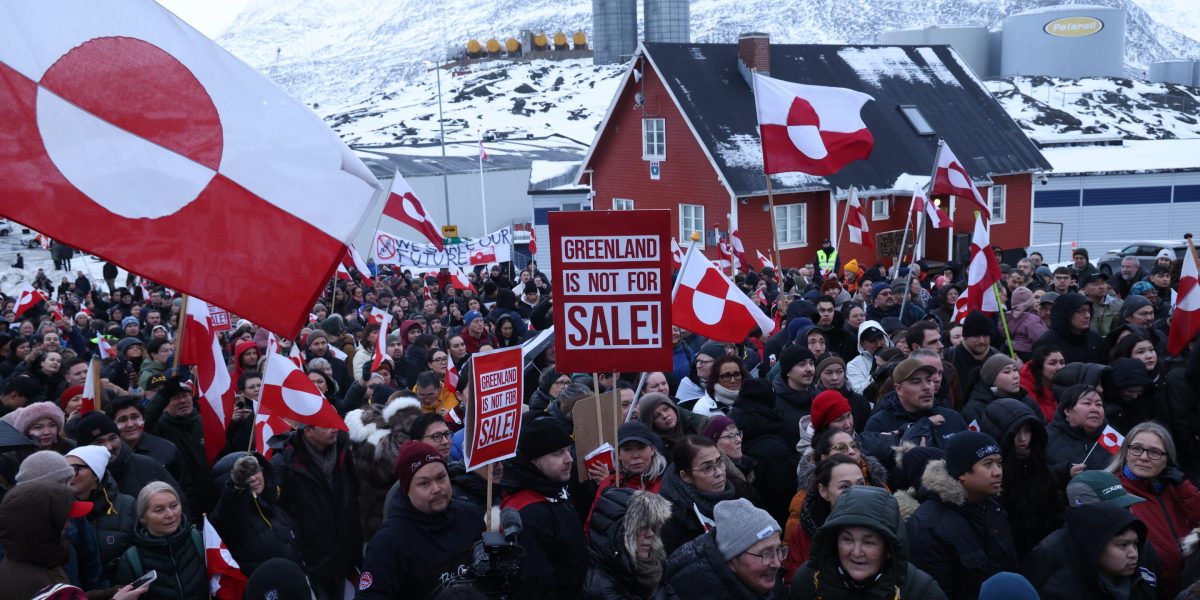
Hundreds of demonstrators gathered in Milan's Piazza XXV Aprile to protest the deployment of U.S. Immigration and Customs Enforcement agents ahead of the Winter Olympics. Milan Mayor Giuseppe Sala declared the agents unwelcome, while Interior Minister Matteo Piantedosi faced parliamentary scrutiny. The protest drew support from left-leaning political groups and trade unions concerned about ICE's controversial practices in America.
Public Concerns and Motivations
Protesters expressed alarm over ICE's role in Minneapolis incidents involving fatal shootings and child detention. Though the deployed unit focuses on cross-border crimes rather than immigration enforcement, Italians remained opposed to any ICE presence. Many viewed the deployment as symbolic of broader democratic concerns in the United States, making the Olympic security arrangement a flashpoint for international criticism.
Ongoing Resistance
Tens of thousands signed petitions demanding ICE's exclusion from the Games. Opposition lawmakers called for Prime Minister Giorgia Meloni's government to deny entry to what they characterized as troubling federal agents, reflecting deep Italian skepticism about American security practices.
```About the Organizations Mentioned
U.S. Immigration and Customs Enforcement
U.S. Immigration and Customs Enforcement (ICE) is a federal law enforcement agency under the U.S. Department of Homeland Security. Founded in 2003 as part of a broader reorganization of national security and law enforcement functions following the 9/11 attacks, ICE's mission is to protect the United States from cross-border crime and illegal immigration. The agency is responsible for enforcing immigration laws, detaining and deporting individuals who are in the U.S. illegally, and investigating various crimes such as human trafficking and money laundering. ICE's history reflects its evolution from the former U.S. Customs Service and the Immigration and Naturalization Service (INS). It has been a crucial component in the U.S. government's efforts to manage immigration and border security. Key achievements include significant increases in deportations and the disruption of transnational criminal organizations. However, ICE has also faced criticism for its handling of detention facilities and deportation policies. Currently, ICE is at the center of discussions regarding immigration reform and border security. The agency has received substantial funding increases, with $28.7 billion allocated for fiscal year 2025 alone, marking a significant rise from previous years. This funding is expected to enhance ICE's capacity to detain and deport immigrants, with a focus on expanding detention facilities. Notable aspects of ICE include its role in creating what some describe as a "deportation-industrial complex," where increased funding supports a large-scale enforcement apparatus. Critics argue that this approach prioritizes detention over due process and humanitarian considerations, such as asylum claims. Despite these challenges, ICE remains a vital component of U.S. homeland security efforts, balancing enforcement with responsibilities to uphold legal and humanitarian standards. Its activities are closely monitored by lawmakers, advocacy groups, and the public, reflecting the complex and contentious nature of immigration policy in the U.S. today.
Italian government
The **Italian government** is a parliamentary republic established in 1946 following World War II, transitioning from monarchy to democracy, with the President as head of state and the Prime Minister—currently **Giorgia Meloni**—leading the executive as President of the Council of Ministers[3]. It governs through a bicameral Parliament (Chamber of Deputies and Senate), managing legislation, economy, and foreign policy while navigating coalition dynamics and over 60 governments since its founding, reflecting chronic political instability yet resilient democratic engagement[3]. Historically, Italy has evolved as a founding NATO and EU member, leveraging its eighth-largest global economy—driven by SMEs, tourism, and sectors like manufacturing—for international influence on climate, migration, and trade[3]. Under Meloni's leadership since 2022, it has pursued strategic partnerships, including with China on infrastructure, to combat high unemployment, especially in the South[3]. Key achievements include the **2026 Budget Bill**, approved in draft form by October 2025, which boosts stable employment via tax incentives for hiring youth under 36 and women (e.g., reduced social security contributions up to 24 months, full exemptions worth €8,000/year for mothers of three until 2035), extends family leave to 14 months, and enhances pensions by €20/month for low-income retirees[4]. Financial reforms target banks and insurers with IRAP exemptions, dividend tax adjustments, and deferred deductions, aiming to streamline compliance amid EU rules[5]. Currently, the government drives the **"Nordio Reform"** (named after Justice Minister Nordio), a constitutional overhaul approved by Parliament on October 30, 2025, pending a March 22-23, 2026 referendum[1][2]. It separates judges' and prosecutors' careers, splits the High Council of the Magistracy into two bodies, introduces sortition for members to curb factionalism, and creates a High Disciplinary Court