Controversial Award from Putin to CIA Official
Introduction
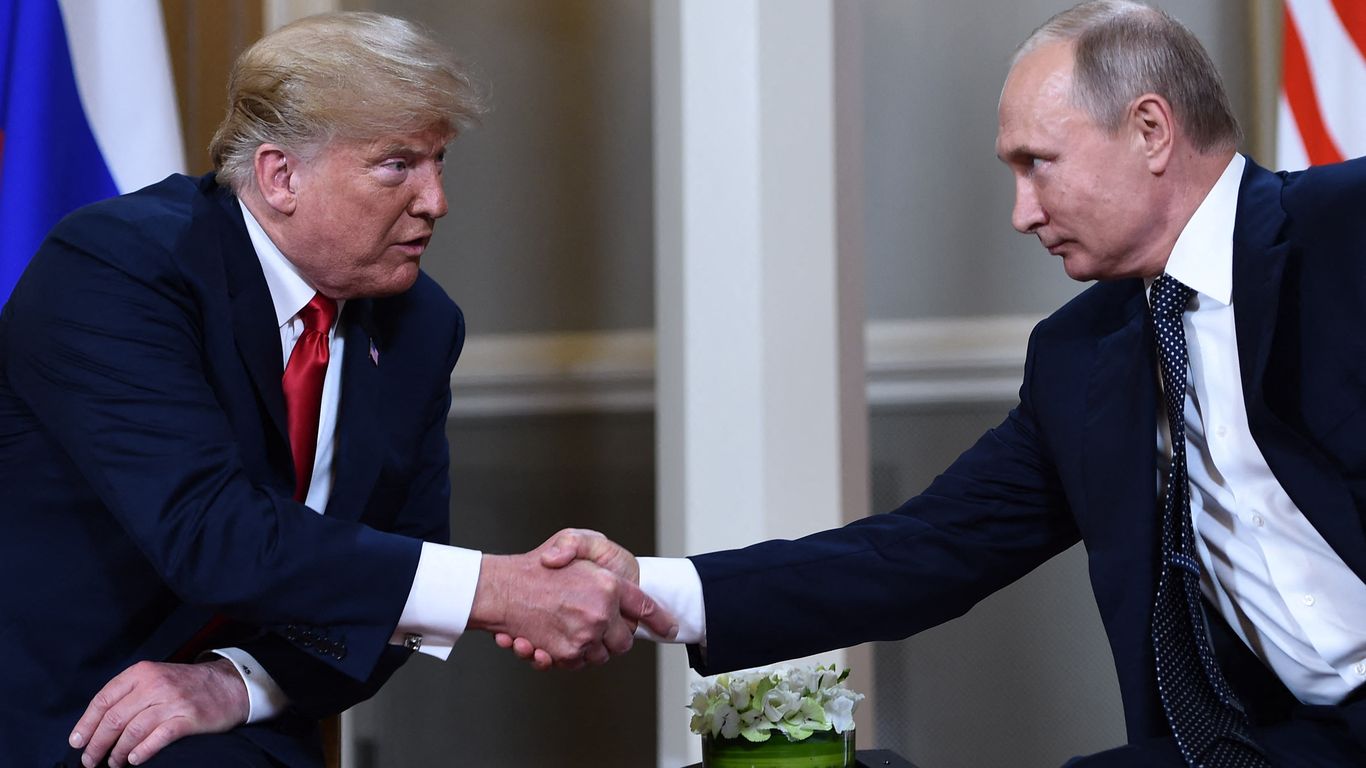
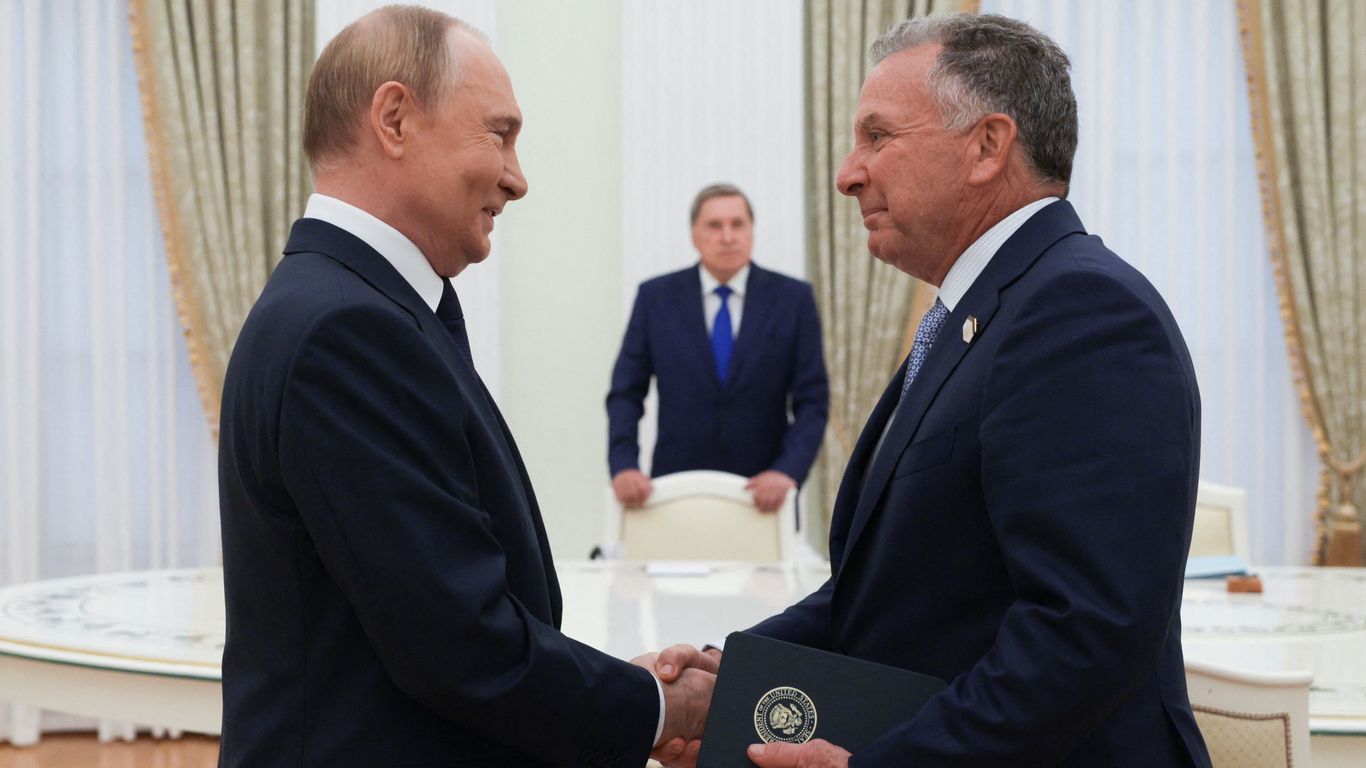
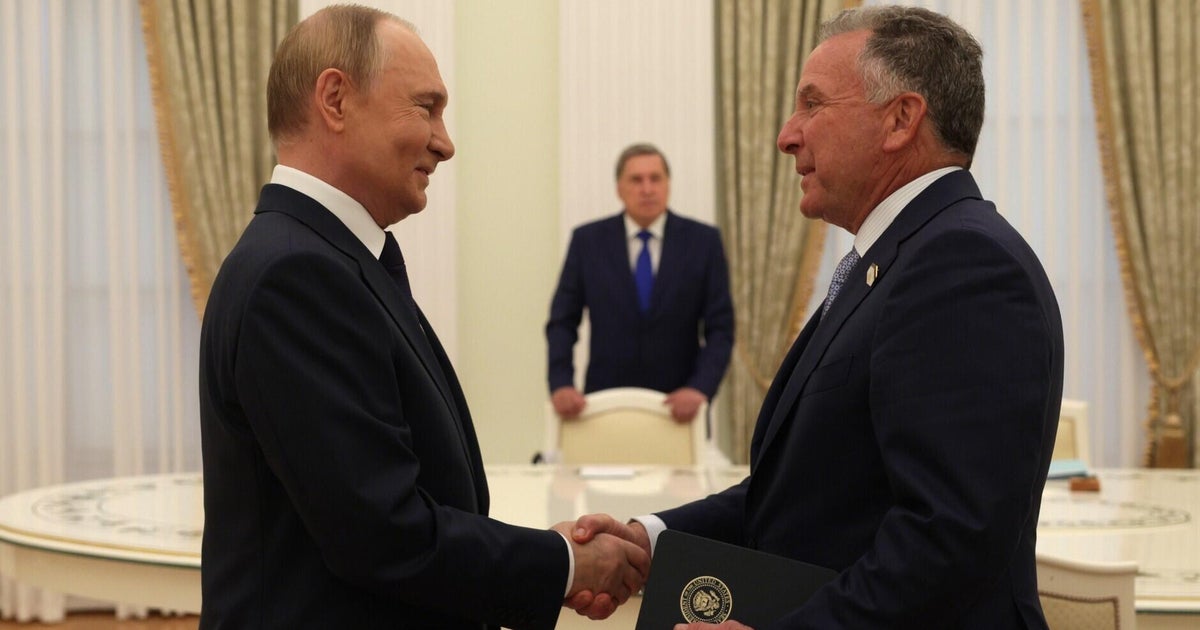
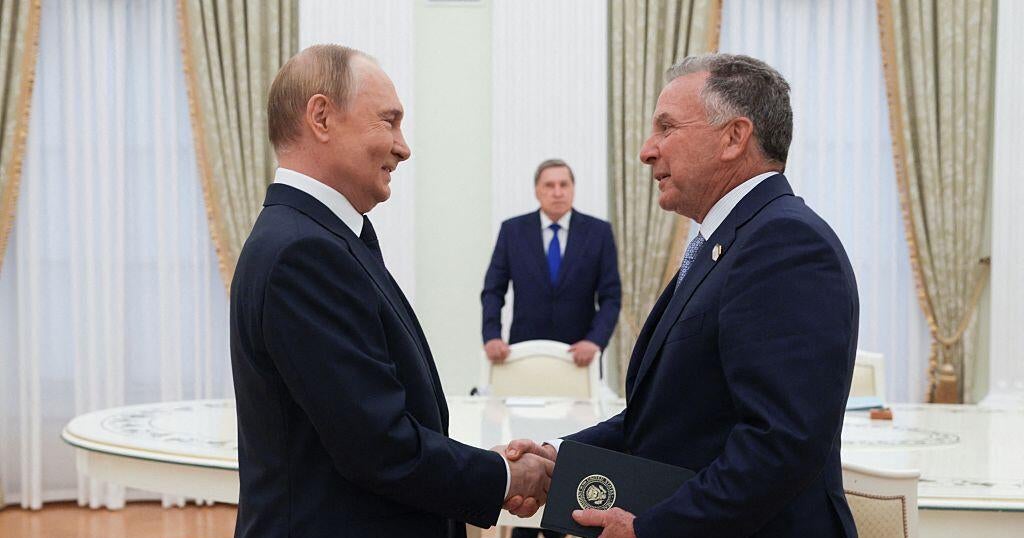
In a move that has raised eyebrows and sparked controversy, Russian President Vladimir Putin recently presented an award to a senior CIA official, Steve Witkoff, who is currently serving as a special envoy for the Trump administration. The award, however, was intended for a different recipient - a CIA official whose son was killed while fighting for Russia in Ukraine.
Key Details
Sources have revealed that the original recipient of the award was a CIA official whose son had joined Russian forces in Ukraine and was killed in battle. The official's son reportedly had a passion for Russian culture and language, and had chosen to serve in the Russian military. The award, known as the "Order of Friendship," is given to foreign citizens who have made significant contributions to Russian society.
Impact
This incident has further strained the already tense relationship between the United States and Russia. It also serves as a reminder of the ongoing conflict in Ukraine and the role that foreign fighters have played in the conflict. This award, meant to honor a CIA official for his efforts in improving U.S.-Russia relations, has instead caused more animosity between the two nations. It also sheds light on the complex relationship between the two countries and the ongoing power struggles between their leaders.
About the People Mentioned
Vladimir Putin
Vladimir Putin is the current President of Russia, a position he has held for multiple terms since 2000, with a brief interlude as Prime Minister from 2008 to 2012[1][3]. Born in Leningrad (now Saint Petersburg) in 1952, Putin began his career in the Soviet Union’s security services, joining the KGB in 1975 and rising to the rank of Lieutenant Colonel by the time he left in 1991, following postings in East Germany and Leningrad[4]. After the Soviet Union’s collapse, he transitioned into politics, serving as an adviser to Saint Petersburg Mayor Anatoly Sobchak and later moving to Moscow, where he held various administrative roles under President Boris Yeltsin[6]. Putin was appointed Prime Minister in August 1999 and became acting President when Yeltsin unexpectedly resigned that December[3][6]. He won his first presidential election in March 2000, promising to stabilize Russia’s economy and political system after the tumultuous 1990s[3][7]. During his initial terms, he centralized power, reasserted federal control over Russia’s regions, and curtailed the influence of the country’s oligarchs through legal and economic measures[7]. Putin was re-elected in 2004 but, due to constitutional term limits, stepped aside in 2008, becoming Prime Minister under his successor Dmitry Medvedev, while retaining significant influence[3]. Constitutional amendments later extended presidential terms, and Putin returned to the presidency in 2012[1]. Putin’s time in office has been marked by assertive foreign policy, including military interventions in Syria in support of President Bashar al-Assad and the 2014 annexation of Crimea, which led to international sanctions[1]. Domestically, his tenure has seen increased state control over media, the suppression of political opposition, and constitutional changes consolidating executive authority[1]. In 2022, Russia’s full-scale invasion of Ukraine triggered a major international crisis, further isolating Russia from the West and prompting widespread condemnation[1]. As of 2025, Putin remains a dominant figure in Russian politics, having secured another term in office through constitutional changes that allow him to potentially remain president until 2036[1]. His leadership continues to shape Russia’s domestic trajectory and its role in global affairs, amid ongoing conflict in Ukraine and strained relations with NATO and Western countries[1].
Steve Witkoff
Steve Witkoff is an American real estate developer, investor, and attorney, born on March 15, 1957, in the Bronx, New York. He began his career as a real estate lawyer, working for prominent New York firms such as Dreyer & Traub and Rosenman & Colin, where he represented major developers and investors. In 1985, Witkoff co-founded Stellar Management with Laurence Gluck, acquiring and managing residential properties in New York City, particularly in Harlem, Washington Heights, and the Bronx. The firm later expanded into Manhattan office buildings, including the notable 33 Maiden Lane, which was leased to the Federal Reserve Bank of New York. In 1997, Witkoff founded the Witkoff Group, a privately held real estate company headquartered in New York City. Under his leadership, the Witkoff Group has financed, repositioned, and constructed more than 70 properties across major U.S. cities and internationally, with offices in New York, Los Angeles, and Miami. The company has been involved in high-profile acquisitions such as the Daily News Building, the Woolworth Building, and the Park Lane Hotel in Manhattan. Witkoff has also led major redevelopment projects, including the revitalization of the Shore Club in Miami Beach and the One High Line condominium in Manhattan. Witkoff is recognized for his expertise in real estate finance and development, and his company has partnered with international investors and sovereign wealth funds. In 2024, following the U.S. presidential election, Witkoff was named co-chair of President-elect Donald Trump’s inaugural committee and appointed as U.S. Special Envoy to the Middle East, focusing on diplomatic efforts related to the Israel-Hamas conflict and broader regional negotiations. Witkoff’s recent activities include high-value property transactions in Miami Beach and continued involvement in major real estate developments across the United States.
About the Organizations Mentioned
CIA
## Overview The Central Intelligence Agency (CIA) is the principal civilian foreign intelligence service of the United States federal government, specializing in collecting, analyzing, and providing intelligence on global affairs to inform national security decisions[2][5]. Headquartered at the George Bush Center for Intelligence in Langley, Virginia, the CIA is a key member of the U.S. Intelligence Community and reports to the Director of National Intelligence[5]. Its mission is to protect the nation and advance its security interests by delivering objective intelligence to the president, the National Security Council, and other policymakers—without making policy recommendations itself[2][5]. ## History and Evolution Established in 1947 by the National Security Act, the CIA was born out of the need for centralized intelligence after World War II. Over the decades, its focus has shifted: from Cold War espionage and counterintelligence, to a post-9/11 emphasis on counterterrorism, and more recently, to countering state actors like Russia and China[4]. The agency has undergone several transformations, adapting to new threats and technologies, and has been involved in covert operations, paramilitary activities, and support for foreign governments[5]. ## Key Achievements The CIA has played pivotal roles in shaping global events, from Cold War-era regime changes and intelligence-sharing with allies, to disrupting terrorist networks and uncovering foreign interference in U.S. elections[4][5]. It is responsible for coordinating human intelligence (HUMINT) across the Intelligence Community and has helped establish intelligence services in many countries[5]. The agency also produces the CIA World Factbook, a comprehensive public resource on country data and statistics used by governments, businesses, and journalists worldwide[1][7]. ## Current Status and Structure As of 2025, the CIA operates through multidisciplinary mission centers, integrating analysis, operations, technical, and digital capabilities across five directorates[2]. It does not have a law enforcement function but collaborates with other agencies on counter