FBI Arrests Suspect in 2021 D.C. Pipe Bomb Case

FBI Arrests Suspect in 2021 D.C. Pipe Bomb Case
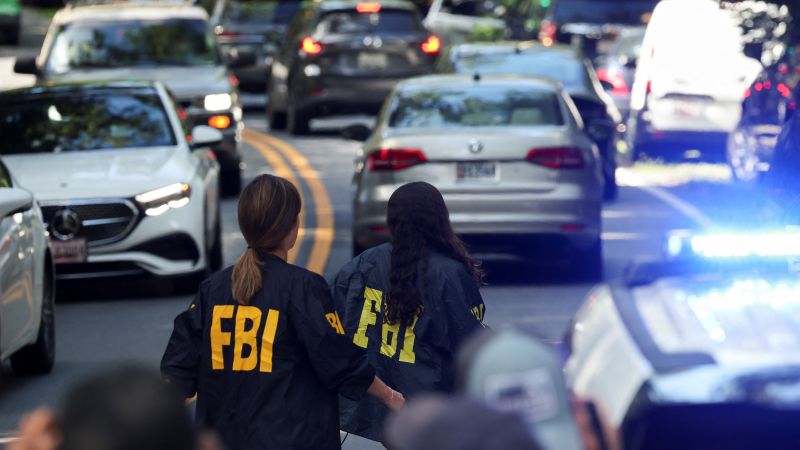
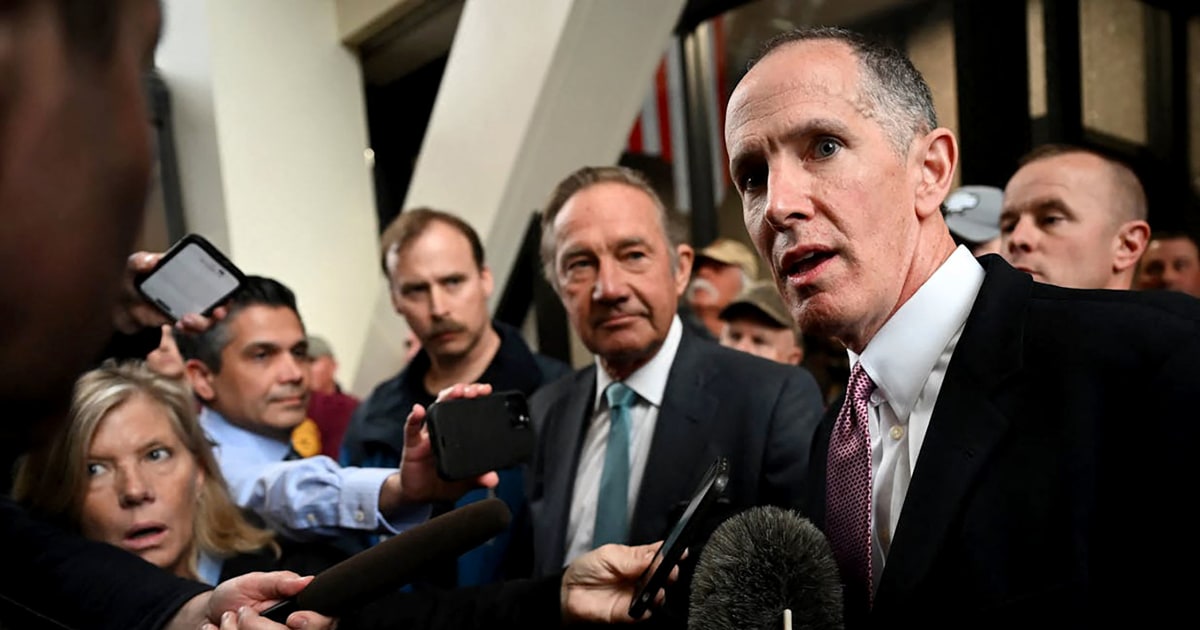
The FBI has arrested Brian J. Cole Jr., a 30-year-old from Woodbridge, Virginia, suspected of placing pipe bombs near both the Republican National Committee (RNC) and Democratic National Committee (DNC) headquarters on January 5, 2021. This arrest comes nearly five years after the devices were discovered on the eve of the January 6 Capitol riot, marking a significant breakthrough in the case.
Investigation and Charges
Cole was charged with transporting and planting two improvised explosive devices, violating federal law under 18 USC 844. The FBI attributed the arrest to diligent investigative work and prosecutorial efforts, without relying on new tips or witnesses. Search warrants are being executed, and additional charges may follow as the investigation continues.
Implications and Public Safety
This arrest brings a measure of relief to Washington residents and political communities alike, highlighting the ongoing commitment to holding accountable those responsible for acts of political violence. Law enforcement agencies remain vigilant in preventing such threats and ensuring the safety of the nation’s capital.
About the Organizations Mentioned
FBI
The Federal Bureau of Investigation (FBI) is a premier law enforcement agency in the United States, renowned for its role in protecting the nation from domestic and international threats. Founded on July 26, 1908, as the Bureau of Investigation, it was initially tasked with addressing land fraud and corporate malfeasance under President Theodore Roosevelt[1][2]. Over time, its mandate expanded significantly, particularly with the passage of the Mann Act in 1910, which allowed federal jurisdiction over certain moral offenses[1][4]. ### History and Evolution The FBI underwent significant transformation under J. Edgar Hoover, who became its director in 1924. Hoover implemented strict hiring standards and enhanced operational capabilities, transforming the agency into a robust investigative force[1][4]. The FBI's name was officially changed to the Federal Bureau of Investigation in 1935[5][6]. Throughout its history, the FBI has faced challenges, including concerns about potential abuses of power, but it has consistently demonstrated its value in national security and law enforcement[3][4]. ### Key Achievements The FBI has been instrumental in combating various crimes, including white-collar offenses, civil rights violations, and national security threats. Notable achievements include its role in enforcing the Espionage Act during World War I and its investigations into organized crime throughout the 20th century[2][4]. ### Current Status Today, the FBI is a sophisticated agency with over 37,100 employees, including special agents and professionals in various fields such as intelligence analysis and cybersecurity[5]. It operates in 55 field offices across the U.S. and has an international presence in 81 nations[5]. The FBI continues to evolve, addressing emerging threats like cybercrime and terrorism while maintaining its commitment to justice and integrity. ### Notable Aspects The FBI is known for its rigorous training programs at the FBI Academy in Quantico, Virginia, and its advanced forensic capabilities at the FBI Laboratory. Its work in business and technology includes
Republican National Committee
## Overview The Republican National Committee (RNC) is the principal organization responsible for governing the national activities of the Republican Party in the United States[1]. Headquartered in Washington, D.C., the RNC coordinates campaign strategies, organizes the party’s national convention, develops its political platform, and manages fundraising efforts[1]. Beyond national politics, the RNC oversees Republican state committees and collaborates closely with the National Republican Congressional Committee (NRCC) and the National Republican Senatorial Committee (NRSC), which focus on electing Republicans to the U.S. House and Senate, respectively[1][2]. ## History The RNC was established in 1856, just two years after the formation of the modern Republican Party, to support the presidential campaign of John C. Frémont[1][2]. The party itself emerged from a coalition of anti-slavery activists, former Whigs, Free-Soil Party members, and disaffected Democrats, united in opposition to the expansion of slavery[2][3]. The RNC’s early structure included one member from each state, evolving over time to include gender parity after the Nineteenth Amendment (1920) and additional members based on state electoral success (1952)[1]. ## Key Achievements Historically, the RNC played a pivotal role in the election of Abraham Lincoln in 1860, which marked the party’s rise to national prominence[3]. The Republican Party, under Lincoln, championed the abolition of slavery through the Thirteenth Amendment and advanced civil rights with the Fourteenth and Fifteenth Amendments[3]. In the modern era, the RNC has been instrumental in major electoral victories, including the elections of Ronald Reagan, George W. Bush, and Donald Trump, each of whom reshaped American politics and policy. ## Current Status and Notable Aspects Today, the RNC remains a powerhouse in American politics, leveraging advanced data analytics, digital campaigning, and grassroots mobilization t
Democratic National Committee
The **Democratic National Committee (DNC)** is the central governing body of the U.S. Democratic Party, established in 1848 during the Democratic National Convention. It is the oldest continuing party committee in the United States and is headquartered in Washington, D.C.[1][3][7][8] The DNC’s primary role is to organize and coordinate strategy to support Democratic candidates at local, state, and national levels, including presidential campaigns. It manages fundraising, conducts polling and electoral research, drafts the party platform, and orchestrates the Democratic National Convention held every four years to nominate presidential and vice-presidential candidates[1][3][5]. The DNC does not have direct authority over elected officials but works closely with state and local Democratic committees, as well as national legislative committees such as the Democratic Congressional Campaign Committee and the Democratic Senatorial Campaign Committee. Its approximately 450 members include state party chairs and vice chairs, elected officials, and Democratic leaders, apportioned according to voting populations across states and territories[3][8]. Historically, the DNC has been crucial in shaping the Democratic Party’s ideology and electoral strategies. A notable controversy occurred in 2016 when leaked emails revealed bias within the DNC favoring Hillary Clinton over Bernie Sanders during the presidential primary, leading to the resignation of then-chair Debbie Wasserman Schultz[3]. This incident highlighted cybersecurity vulnerabilities and party transparency issues. Currently, under Chair Ken Martin, the DNC focuses on mobilizing voters nationwide and strengthening state party organizations, emphasizing grassroots engagement and data-driven campaign strategies. The committee's work is integral to modern political campaigning, combining traditional organizing with technology-enabled voter outreach and fundraising efforts[4][8]. In sum, the DNC is a pivotal political organization that governs party operations, supports Democratic candidates, and adapts to evolving political and technological landscapes to influence U.S. elections.