First Steps in Human Evolution: Sahelanthropus tchadensis and the Dawn of Bipedalism

When Did Humanity Take Its First Step?
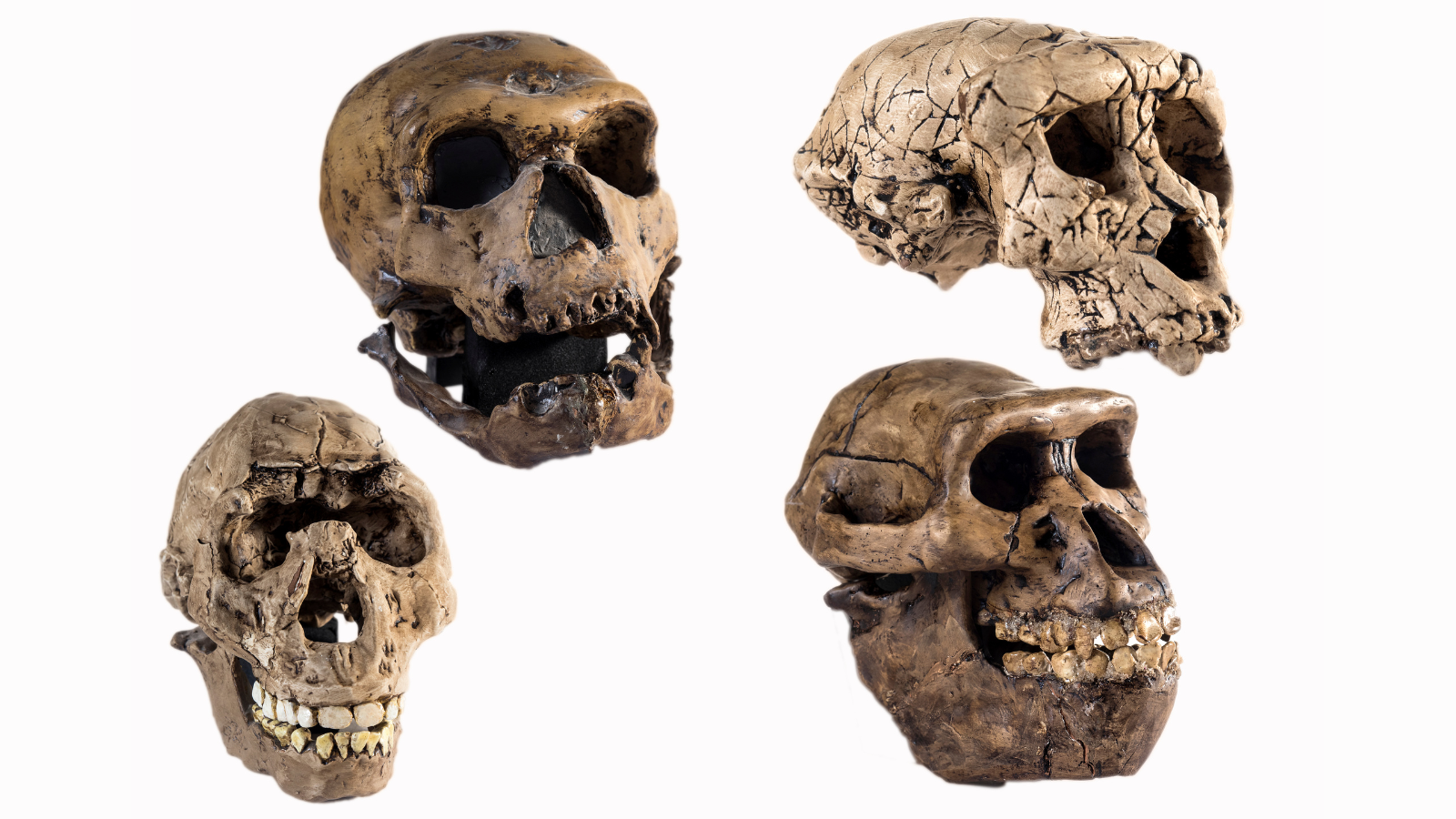
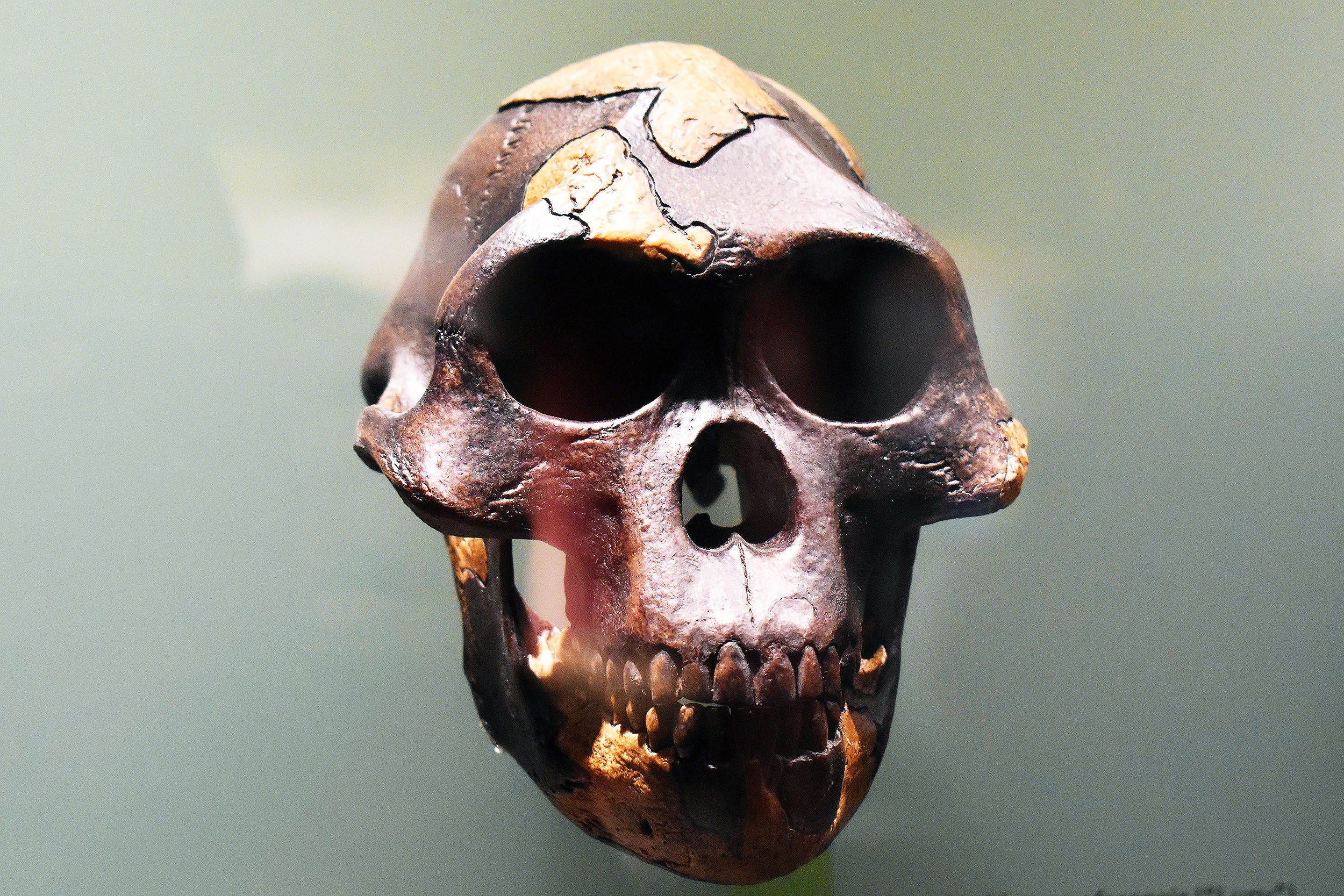
Scientists have long debated the origins of bipedalism, the defining trait that set our ancestors apart from apes. A groundbreaking analysis of fossils from Chad's Djurab Desert reveals that Sahelanthropus tchadensis, dating back 7 million years, likely walked upright, pushing the timeline earlier than previously thought[1][5]. This discovery challenges earlier estimates tied to species like Orrorin tugenensis around 6 million years ago[2].
Key Fossil Evidence
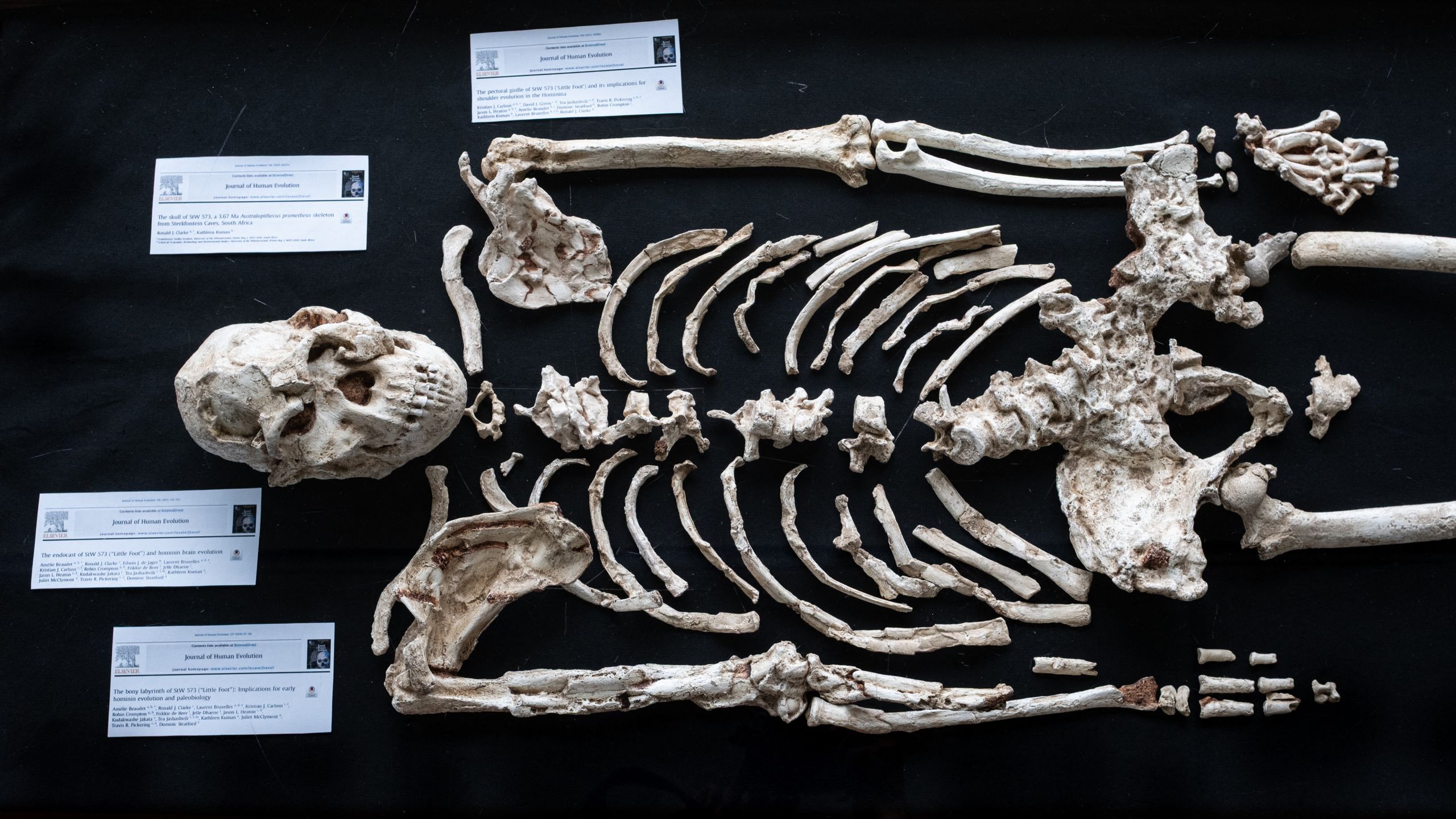
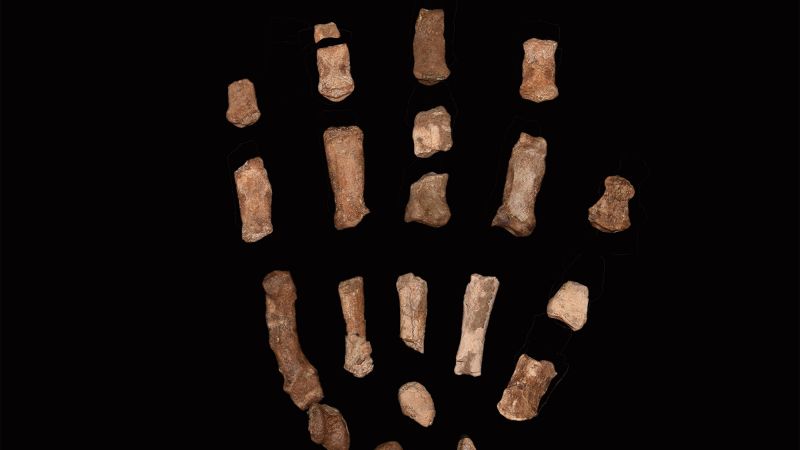
The partial thighbone and lower arm bones, found near the iconic Sahelanthropus skull, show features compatible with upright walking. The femur's bone density and cross-section indicate loading forces from bipedalism, while the head balanced atop a vertical neck like modern humans[1]. Yet, arm bones suggest this ancestor also climbed trees for safety from predators, blending arboreal and terrestrial lifestyles[1][2]. Experts like paleoanthropologist Dan Lieberman call it a "huge" find, though the incomplete fossils leave room for debate[1].
Evolutionary Implications
If confirmed, bipedalism emerged as humans diverged from chimps, aiding survival in shifting forests and grasslands around ancient Lake Chad[1][2]. This "total pattern of features" marks no single magic trait but a pivotal shift, reshaping our understanding of human evolution's dawn[1].