Challenging Lucy's Legacy: New Fossils Redraw the Human Family Tree
#lucy #australopithecus #fossils #evolution #paleoanthropology
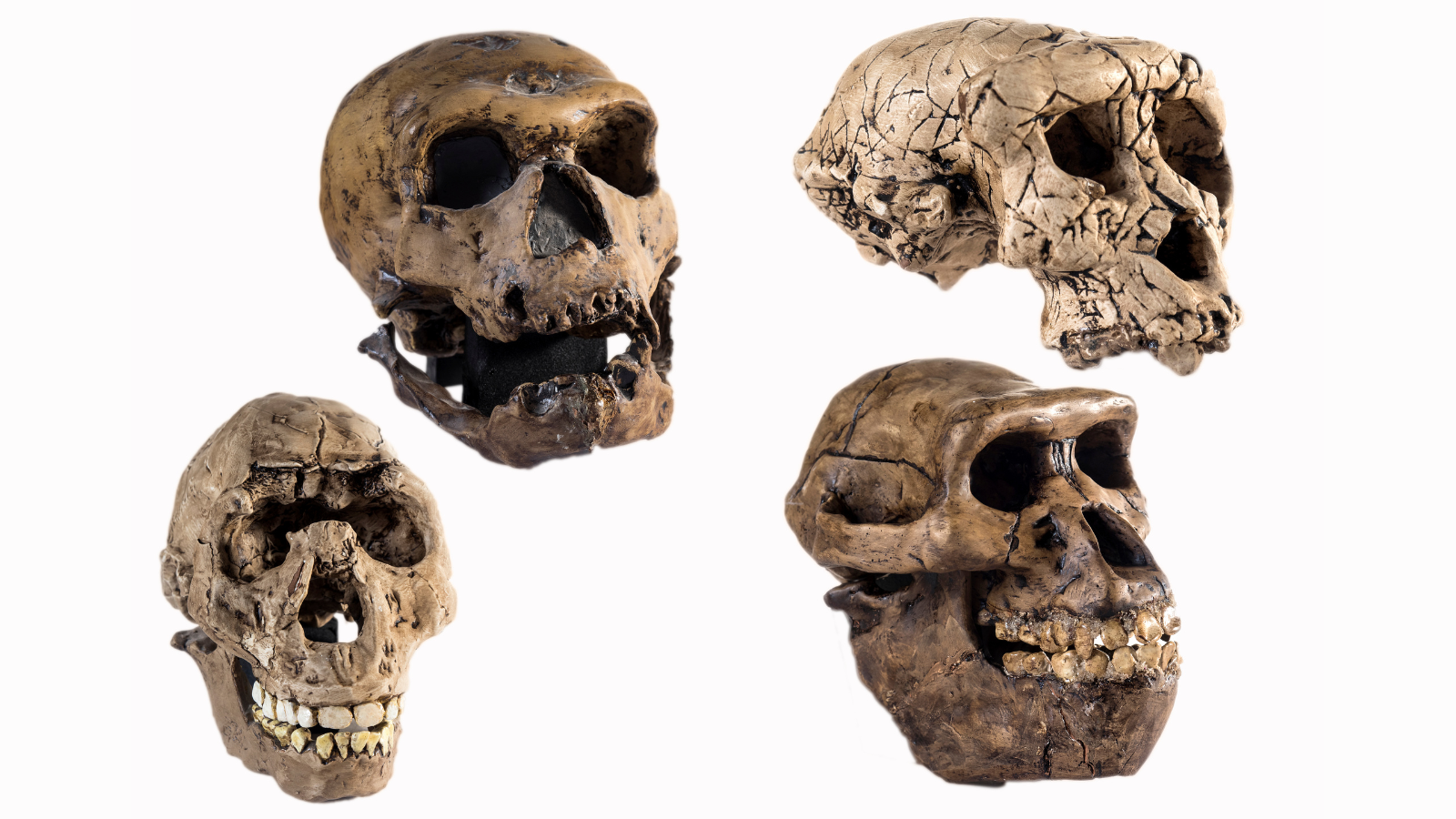
Challenging Lucy's Legacy
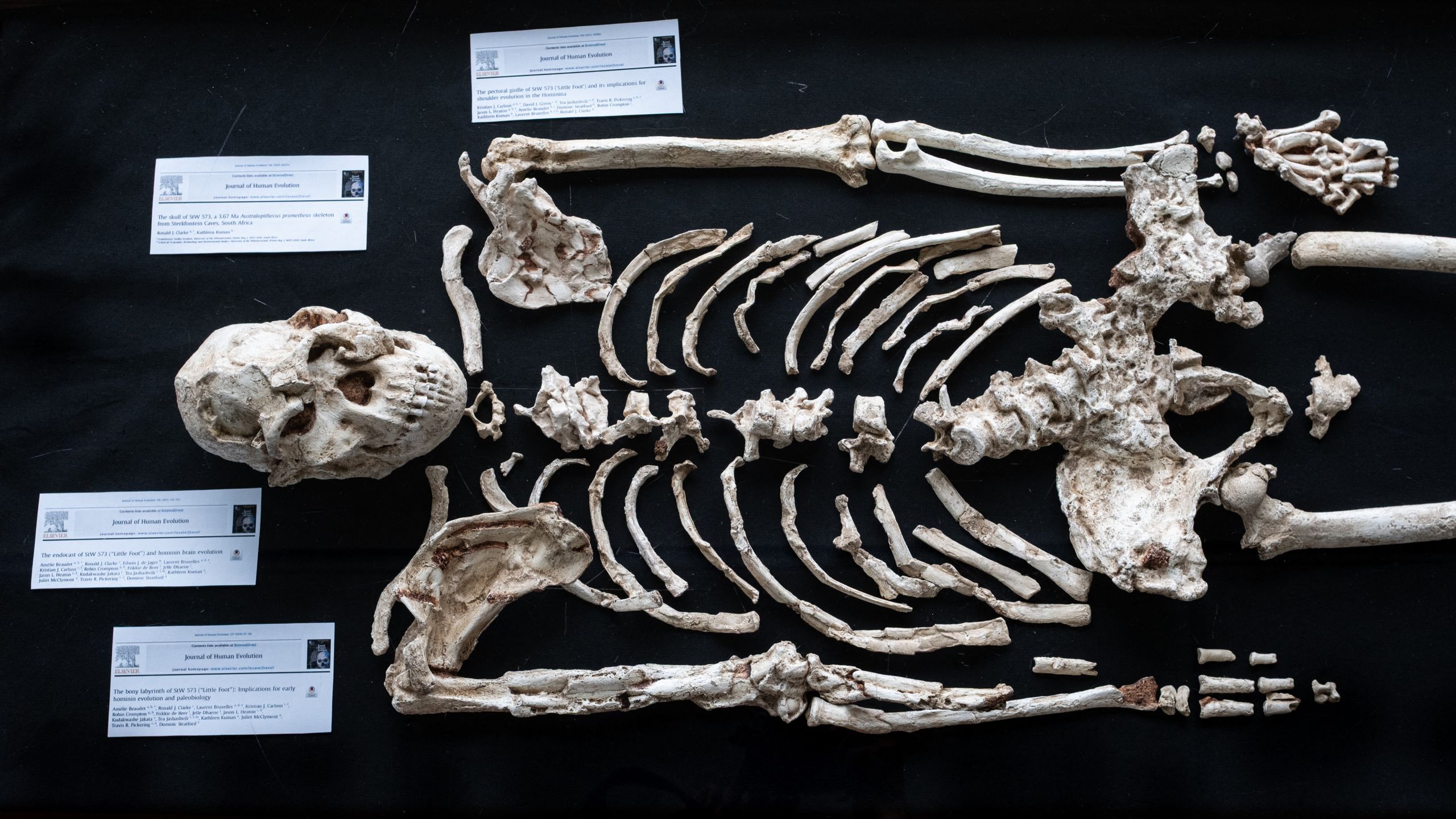
For decades, the iconic fossil "Lucy," an *Australopithecus afarensis* discovered in 1974, has been hailed as our direct human ancestor, bridging apes and modern humans with her bipedal traits and 3.2-million-year-old skeleton. Her partial remains, found in Ethiopia, showcased a mix of upright walking adaptations and tree-climbing features, fueling debates on early hominin evolution.[2][1]
New Fossils Spark Controversy
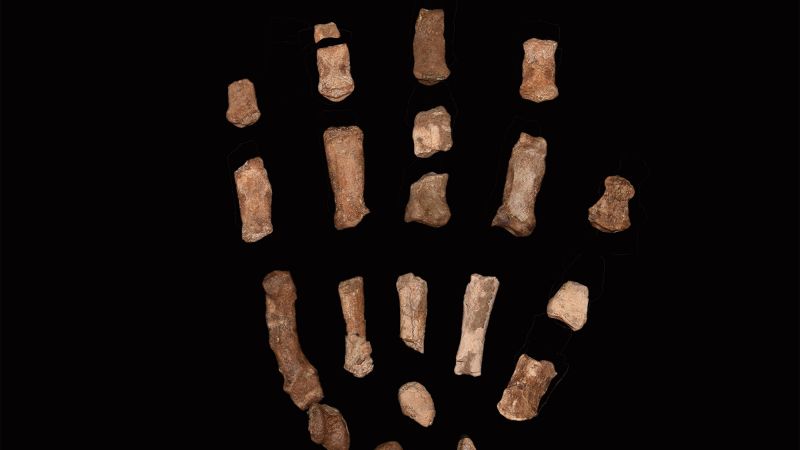
Recent discoveries, including fossils from *Australopithecus anamensis* and others like *A. deyiremeda*, suggest a bushier family tree rather than a straight line. Scientists argue these older species may have given rise to the Homo genus, potentially demoting Lucy to a distant aunt. A November 2025 study in *Nature* highlights Ethiopian finds that crowd the timeline, questioning *A. afarensis* as the sole precursor.[5][3][2]
Debate Rages On
While some paleoanthropologists, like Yohannes Haile-Selassie, defend Lucy's prime position due to scarce early Homo fossils, others envision a pan-African pool of australopiths. This fierce disagreement underscores the dynamic nature of human origins research, promising more revelations ahead.[1][2][3]
About the Organizations Mentioned
Nature
**Nature: A Pioneering Force in Scientific Publishing** **What Nature Does:** Nature is a leading international scientific journal that publishes peer-reviewed research across all fields of science and technology. It serves as a platform for scientists to share groundbreaking discoveries and provides insightful news and analysis on emerging trends in science[1][2]. The organization is part of the **Nature Portfolio**, a division of **Springer Nature**, which encompasses a wide range of academic journals, magazines, and services[7]. **History:** First published in November 1869, Nature has a rich history spanning over 150 years. It has been at the forefront of scientific publishing, showcasing seminal works such as Watson and Crick's DNA research and the discovery of radioactive decay[1][8]. **Key Achievements:** Nature has played a pivotal role in advancing scientific knowledge. Its publications have contributed significantly to major scientific breakthroughs, including the cloning of Dolly the sheep[8]. The journal's rigorous peer-review process ensures the publication of high-quality research, making it a trusted source for the scientific community. **Current Status:** Today, Nature continues to champion scientific excellence, with a global reach and a team of highly qualified editors. It receives over 50,000 manuscript submissions annually, with less than 10% selected for publication[8]. The Nature Portfolio includes prestigious titles like *Nature Communications* and *Scientific Reports*, offering both traditional and open-access publishing options[2][5]. **Notable Aspects:** - **Editorial Approach:** Nature's editorial decisions are made by a team of full-time professional editors, ensuring a rigorous and impartial review process[1][8]. - **Global Presence:** With offices across the globe, Nature maintains a strong international presence, facilitating collaboration and dissemination of scientific research worldwide[7]. - **Impact:** Nature's publications have a profound impact on the scientific community and society, addressing global challenges through cutting-edge research[8].