Government Shutdown Threatens Air Travel: Disruptions, Safety, and Economic Impacts
#government_shutdown #air_travel #aviation_safety #travel_industry #transportation
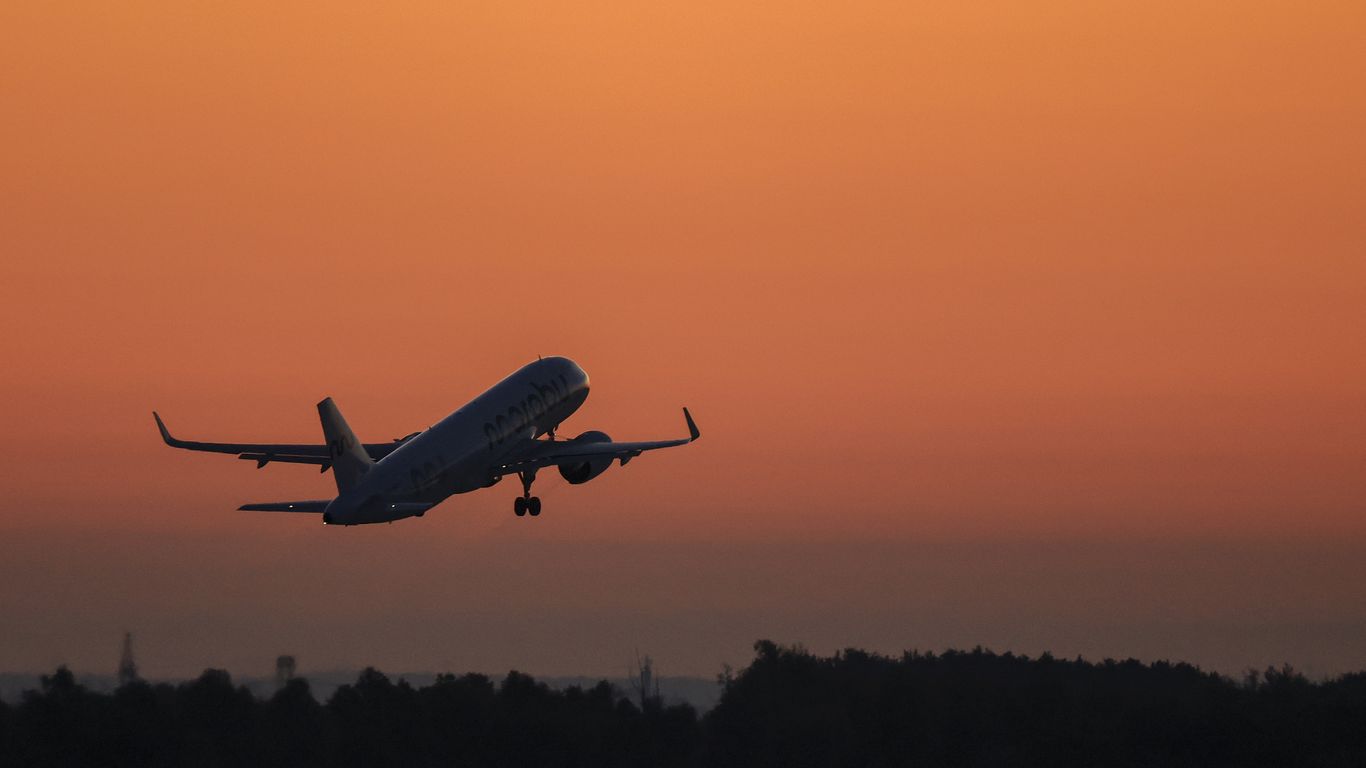
Government Shutdown and Air Travel Disruptions
An impending government shutdown could severely disrupt air travel across the United States. Millions of travelers may face delays as air traffic controllers and TSA agents are expected to work without pay, potentially leading to reduced staffing and slower airport processing times. Airlines warn that operational efficiency could decline, causing flight cancellations and longer security lines.
Impact on Aviation Safety and Operations
Beyond delays, safety concerns arise as critical FAA functions such as equipment maintenance and safety inspections may be paused during the shutdown. This halt risks compromising the National Airspace System’s safety margins and may delay aircraft certifications. Aviation groups emphasize that such disruptions can ripple nationwide, affecting traveler confidence and overall system reliability.
Economic and Passenger Experience Consequences
The travel industry could lose billions weekly if the shutdown extends, with passengers canceling or postponing trips due to uncertainty. Communication gaps about security procedures may further frustrate travelers. Understanding these challenges is essential for navigating air travel during government funding gaps, highlighting the need for patience and preparedness.
About the Organizations Mentioned
Federal Aviation Administration
The **Federal Aviation Administration (FAA)** is a U.S. government agency responsible for ensuring the safety, efficiency, and regulation of civil aviation and commercial space transportation within the United States and its surrounding international waters. Established originally as the Federal Aviation Agency in 1958, it became part of the Department of Transportation in 1967, adopting its current name[1][3]. The FAA’s core functions include regulating and overseeing air traffic control, pilot and technician certification, airport safety standards, and aircraft manufacturing and maintenance regulations. The agency manages air traffic for over 50,000 daily commercial and general aviation flights, ensuring safe and efficient navigation through the National Airspace System (NAS)[2][4]. It also develops and operates air traffic control and navigation systems used by both civil and military aircraft, showcasing its broad operational scope[1][3]. The FAA operates through five main lines of business: - Air Traffic Organization (ATO), managing air navigation services and control facilities such as towers and radar centers - Aviation Safety (AVS), responsible for certification of personnel and aircraft - Airports (ARP), overseeing national airport system planning and grants - Office of Commercial Space Transportation (AST), regulating commercial space launches and reentries - Security and Hazardous Materials Safety (ASH), focusing on risk reduction and infrastructure protection[4]. In addition to regulation, the FAA invests heavily in research and development, advancing aviation technology and safety systems, including aeromedical research and environmental programs addressing noise and pollution from aircraft[2][3]. Its mission emphasizes providing the safest, most efficient aerospace system globally, with a vision of integrating new technologies and users into aviation safely and innovatively[6]. Notable achievements include establishing stringent safety standards that have made U.S. airspace one of the safest worldwide and pioneering regulation of commercial space transportation, an emerging sector. The FAA’s commitment to innovation and safety continues to shape the future of aviation and aerospace, making it a central figure in both business and technolog
Transportation Security Administration
The **Transportation Security Administration (TSA)** is a U.S. federal agency under the Department of Homeland Security responsible for safeguarding the nation’s transportation systems, primarily focusing on airport security and preventing aircraft hijackings. Established in response to the September 11, 2001 terrorist attacks, the TSA was created to consolidate and enhance air travel security through federal oversight and coordinated policies[1]. The TSA’s core functions include screening passengers and their baggage at over 450 airports nationwide using technologies such as full-body scanners, explosives detection, and pat-downs. It also deploys specialized personnel like Transportation Security Officers (TSOs), explosives detection dog handlers, bomb technicians, and armed Federal Air Marshals on aircraft to protect travelers[1][2][3]. Beyond aviation, the TSA develops security policies for other transport sectors including highways, railroads, buses, mass transit, ports, and pipelines, working in partnership with federal, state, and local agencies[1]. Since its inception, the TSA has evolved into a large organization with a budget of approximately $9.7 billion (FY 2023) and employing over 47,000 security personnel[1]. It manages a complex balance between rigorous security measures and maintaining efficient passenger flow, often employing advanced technology and training to detect threats while minimizing inconvenience[2][3]. The agency values integrity, respect, and commitment, emphasizing a professional workforce engaged in counterterrorism efforts to ensure freedom of movement for people and commerce[3][4]. Notable aspects of the TSA include its pioneering role in airport security innovation post-9/11, its expansive nationwide presence, and ongoing challenges such as public scrutiny over privacy, effectiveness, and occasional controversies related to security procedures. Despite this, the TSA remains a central pillar in the U.S. transportation security framework, continuously adapting to emerging threats and technologies to protect millions of travelers daily[1][3][5].