College Football Playoff Quarterfinals Set the Stage for Semifinals and the Championship
You Can Finally Start Paying Attention To The College Football Playoff
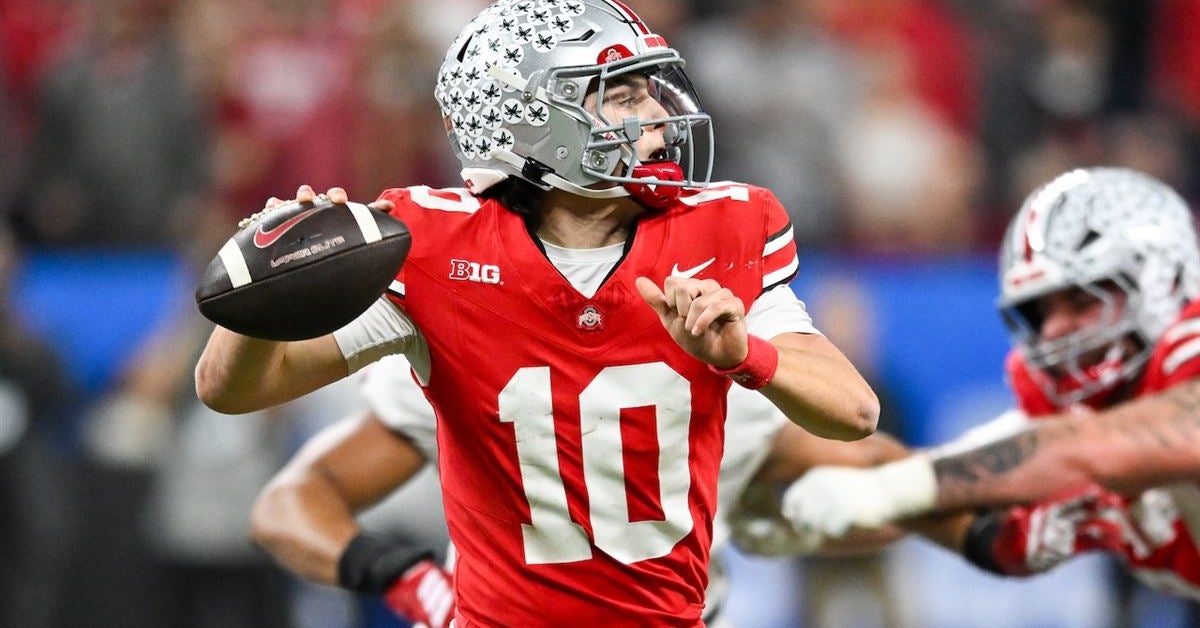
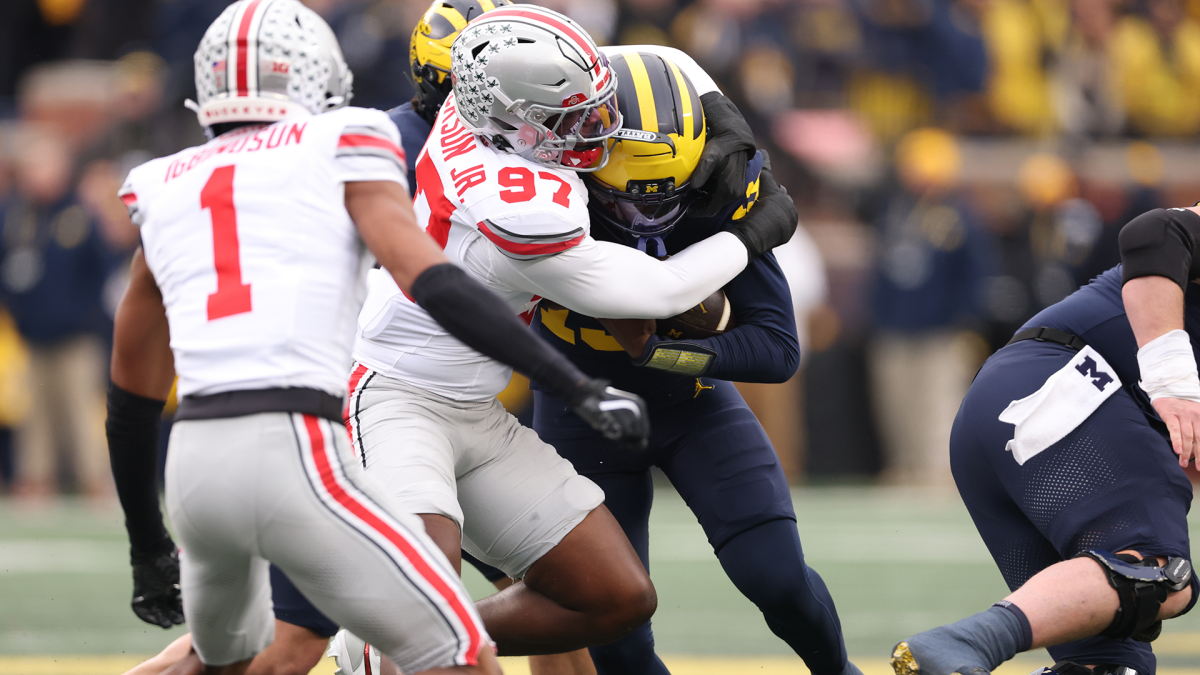
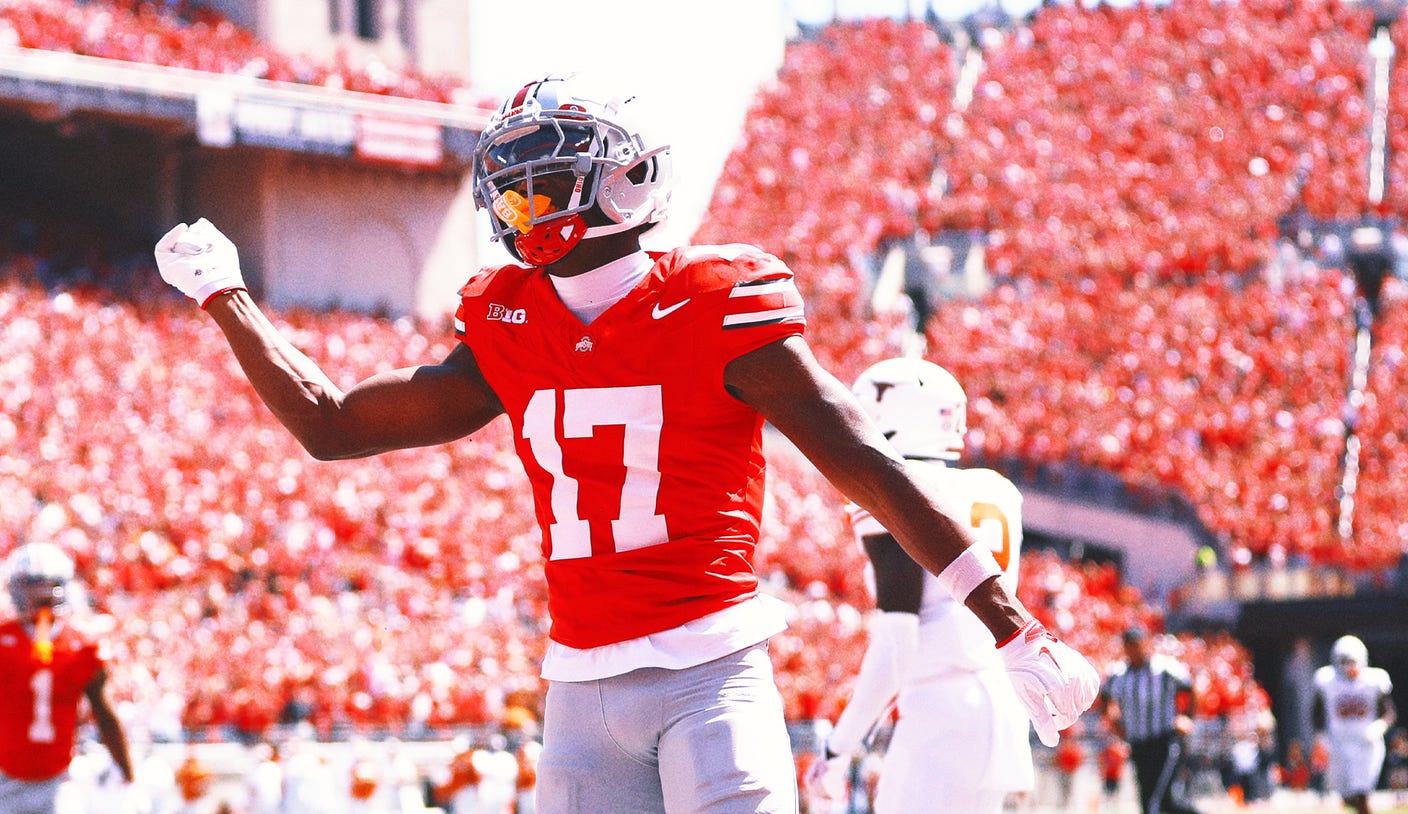
The expanded College Football Playoff's first round delivered predictable blowouts, but now it's time to tune in as quarterfinals ignite real drama on New Year's Eve and Day. After dominant wins by teams like Notre Dame, Penn State, Texas, and Ohio State, the bracket advances to high-stakes clashes that promise chaos and upsets.[1][3]
Quarterfinal Fireworks Ahead
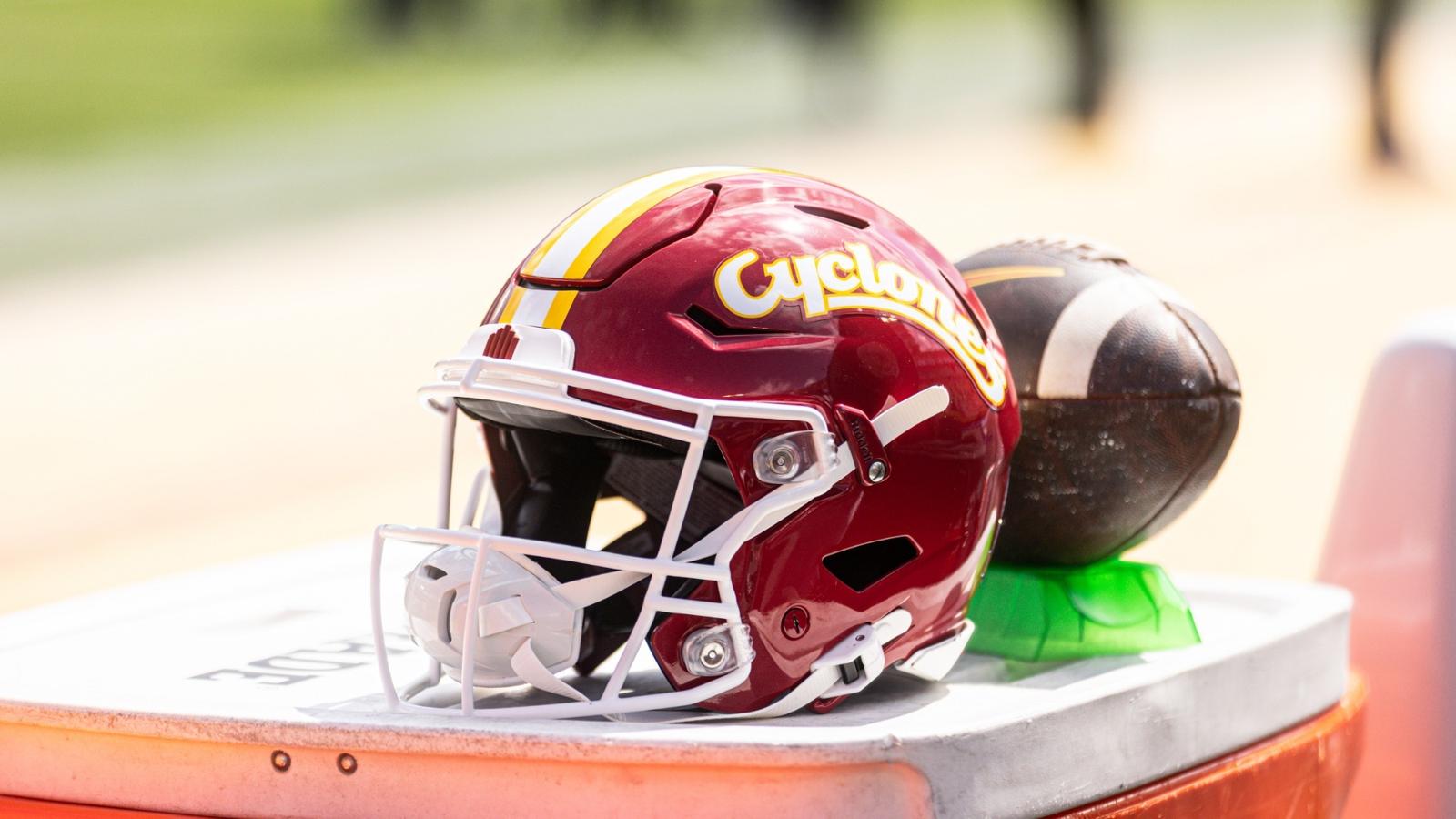
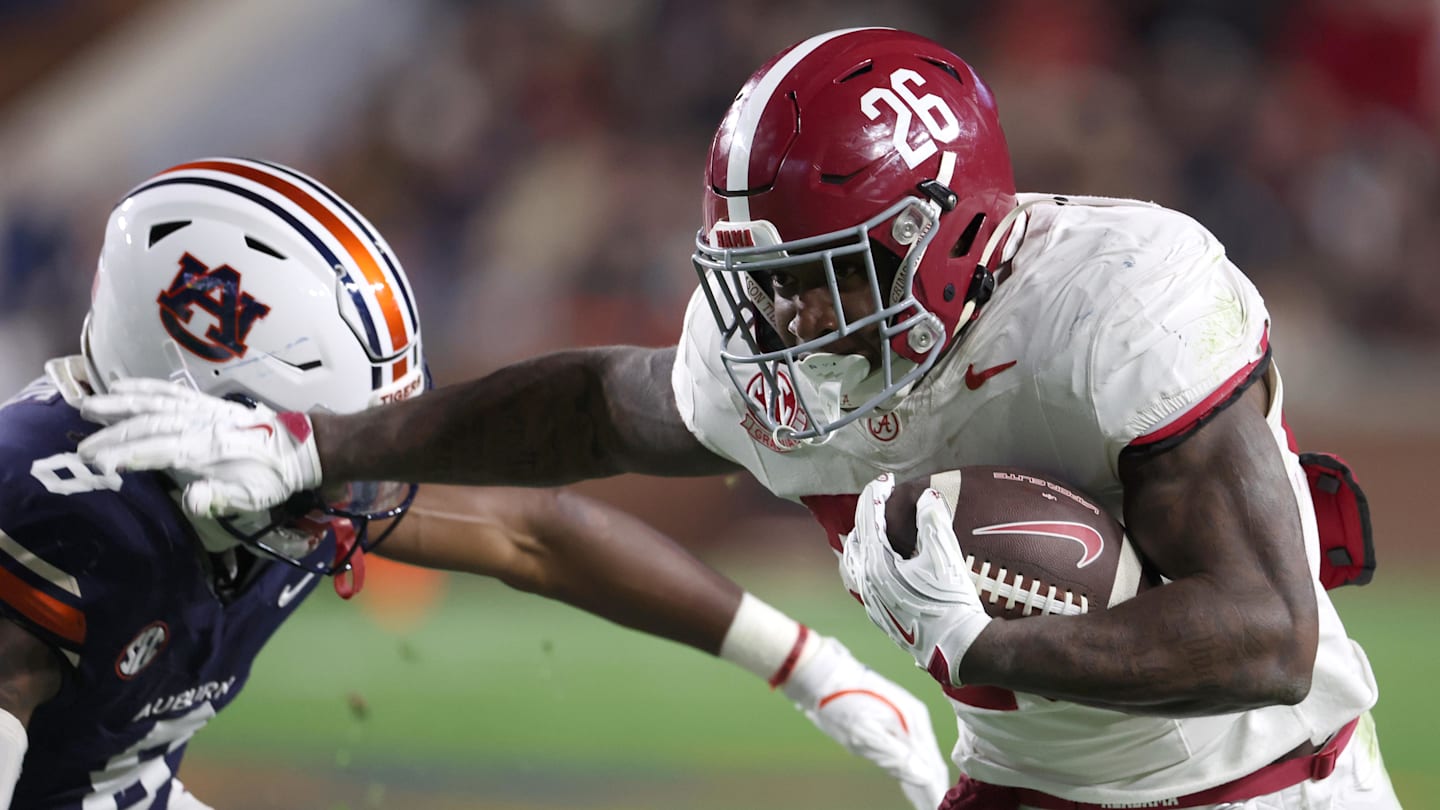
Expect edge-of-your-seat action in bowls like the Fiesta, Peach, Rose, and Sugar. Picture No. 9 Alabama battling top-seeded Indiana in the Rose Bowl, or matchups featuring Miami against Ohio State in the Cotton Bowl. These games, set for December 31 through January 1, shift from early duds to playoff purity with no re-seeding, building tension toward semifinals on January 8-9.[1][2][3]
Semifinals to Championship Glory
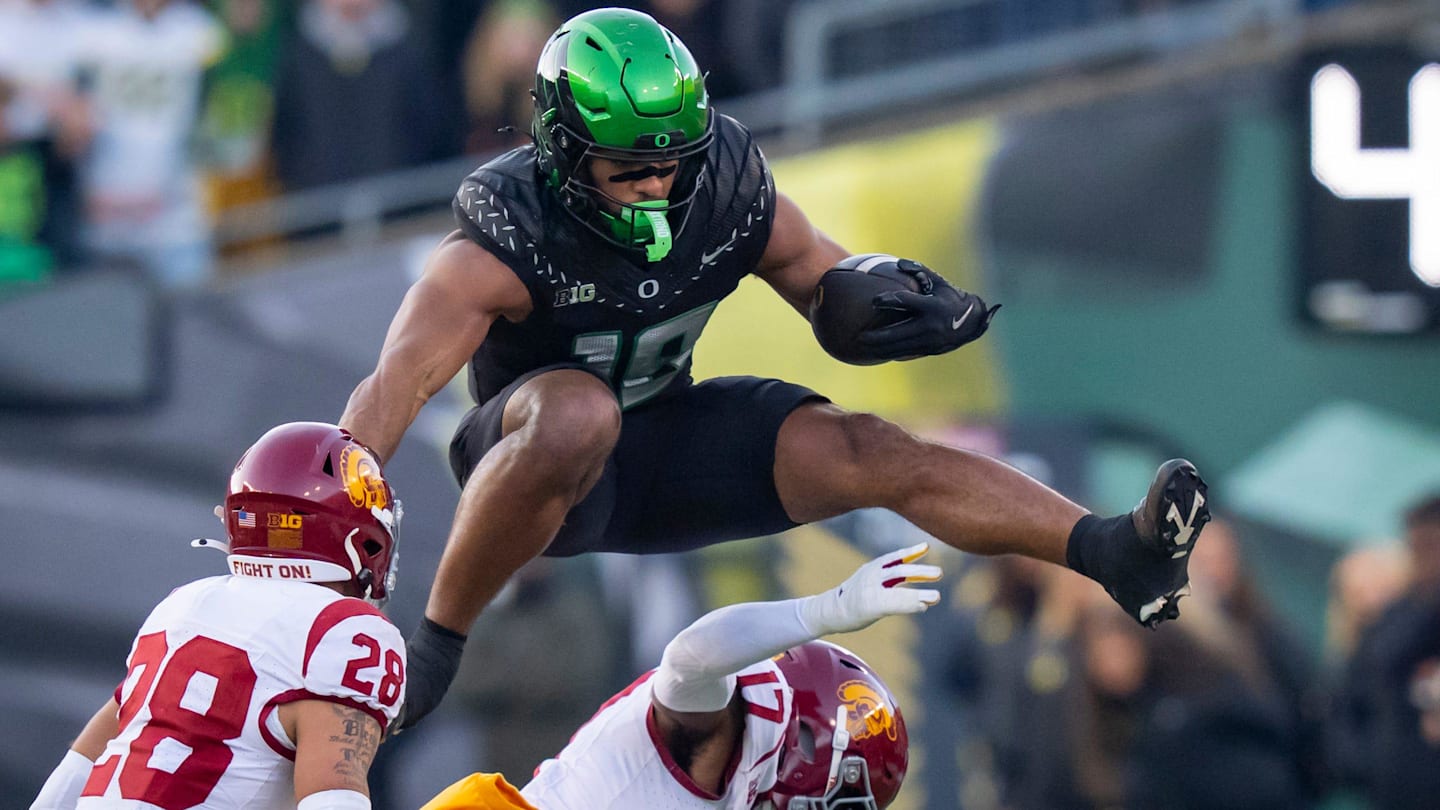
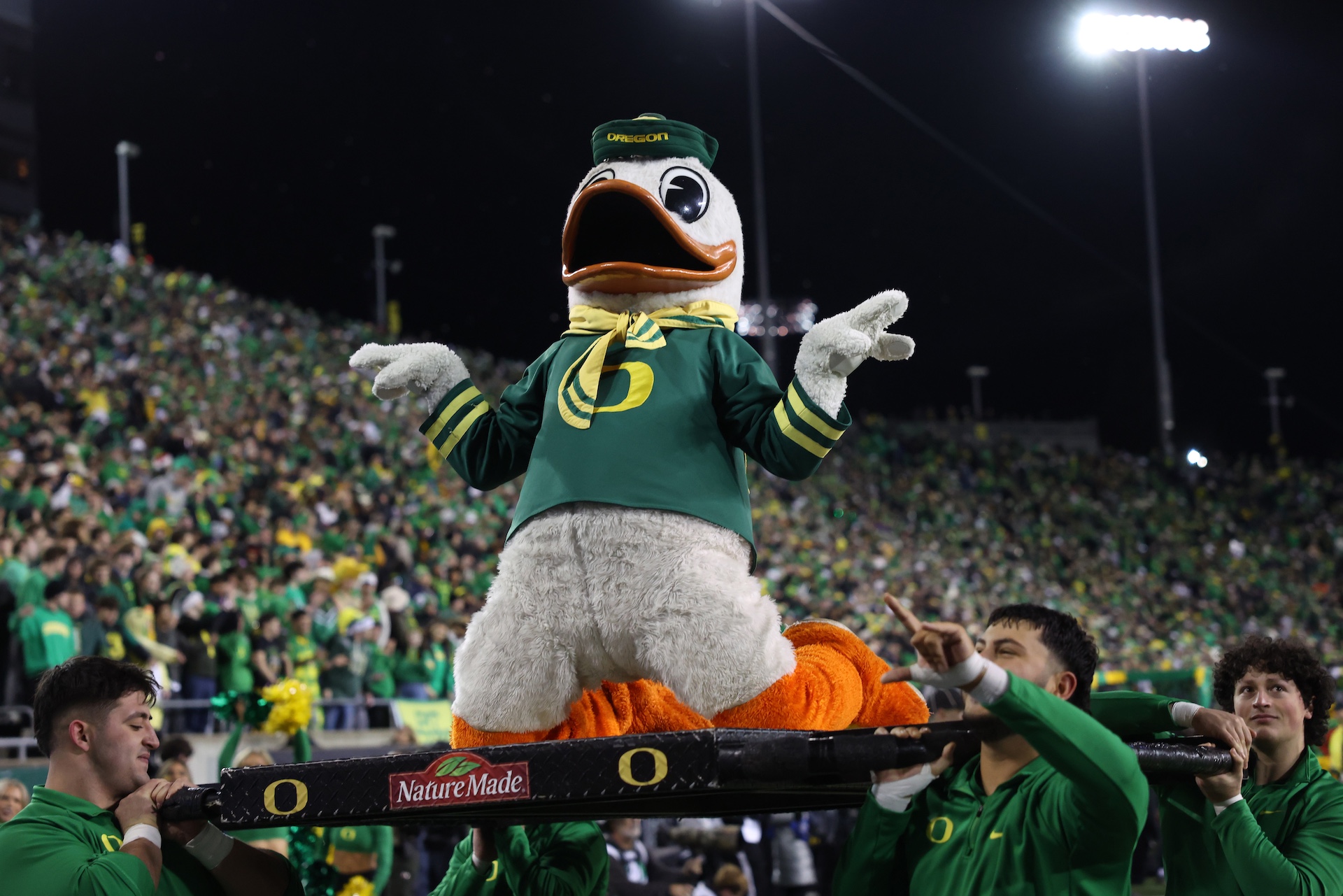
Survivors head to the Fiesta and Peach Bowls for semifinals, culminating in the January 19 national championship at Hard Rock Stadium in Miami Gardens. Whether underdogs like Tulane or powerhouses like Oregon prevail, this stage demands your attention for unforgettable moments and a true champion.[3][8]
About the Organizations Mentioned
Notre Dame
## Overview The University of Notre Dame (often referred to simply as “Notre Dame”) is a premier private Catholic research university located in Notre Dame, Indiana, USA. Founded in 1842 by Rev. Edward Sorin, C.S.C., it is renowned for its rigorous academics, storied athletics, and deep commitment to Catholic values. The university offers a comprehensive range of undergraduate, graduate, and professional programs, with its College of Engineering and other disciplines consistently ranked among the best nationally. ## Mission and Activities Notre Dame’s mission is to be “a powerful force for good,” educating students to be ethical leaders and global citizens who serve society through innovation, research, and community engagement[1]. The College of Engineering, for example, focuses on developing solutions to global challenges, educating the whole person, and conducting research that translates fundamental discoveries into impactful technologies[1]. The university also emphasizes global engagement, operating 12 global locations and offering 92 study abroad programs, which recently earned it the 2025 Senator Paul Simon Award for Comprehensive Internationalization[3]. ## History and Key Achievements Notre Dame’s history is marked by rapid expansion from a small college to a world-class research institution. Its football program, the Fighting Irish, is iconic in American collegiate athletics, competing as an independent in NCAA Division I FBS and playing at the historic Notre Dame Stadium[5]. Academically, Notre Dame is known for interdisciplinary research, particularly in areas like global affairs, engineering, and the humanities. The university’s leadership—including President Rev. Robert A. Dowd, C.S.C., and a robust administrative structure—guides its strategic direction[4]. ## Current Status and Notable Aspects Today, Notre Dame is recognized for its blend of tradition and innovation. It continues to invest in faculty, student support, and infrastructure, with recent strategic plans emphasizing inclusivity, sustainability, and the integration of faith and reason[1]. The university’s global footprint, commitment
Penn State
## Overview Pennsylvania State University, commonly known as Penn State, is a major public research university and Pennsylvania’s sole land-grant institution. It is renowned for its comprehensive mission of teaching, research, and public service, aiming to “improve the lives of the people of Pennsylvania, the nation, and the world through integrated, high-quality programs in teaching, research, and service”[5]. Penn State’s main campus is located in University Park, with 19 branch campuses across the state, a medical school in Hershey, a law school in Dickinson, and additional specialized institutions[5]. The university offers a broad range of degrees—associate, bachelor’s, master’s, doctoral, and professional—as well as continuing education programs[5]. ## History Founded in 1855 as the Farmers’ High School of Pennsylvania, Penn State’s origins reflect its commitment to practical education[1][2]. The institution was established with a 200-acre land donation from James Irvin and was initially focused on applying scientific principles to farming[1][3]. It was renamed the Agricultural College of Pennsylvania in 1862 and became the state’s land-grant college following the passage of the Morrill Act in 1863[2][3]. Under the leadership of President George W. Atherton in the 1880s, the curriculum expanded to include engineering, the sciences, liberal arts, and more, aligning with the broader mandate of land-grant institutions[1][2]. The university’s name changed to Pennsylvania State College in 1874 and finally to Pennsylvania State University in 1953[2][3]. ## Key Achievements Penn State has a long tradition of innovation in education and research. It was among the first institutions to integrate cooperative extension and outreach programs in the early 1900s, extending its academic influence statewide[1]. The university’s engineering program quickly became one of the ten largest in the nation[
Texas
The entity "Texas" referenced in the query is best understood as the **State of Texas**, a major U.S. state known for its robust economy, dynamic business environment, and technological innovation. Texas is not a single organization but a state government and economic powerhouse that plays a pivotal role in business and technology sectors nationwide. Texas boasts the **most powerful economy in the U.S.**, recognized as the best state for doing business for two decades. It leads the nation in job creation, economic development, and new business startups, making it a prime environment for entrepreneurs and corporations alike[1]. The state’s economy is diverse, with strong sectors including oil and gas, manufacturing, technology, and finance. Historically, Texas has leveraged its natural resources and strategic location to become a business hub. Companies like Arnold Oil Company, an 85-year-old family business, exemplify Texas’s deep-rooted industrial heritage and ongoing entrepreneurial spirit[1]. The state government actively supports business growth through initiatives like specialized business courts for complex litigation, enhancing legal efficiency and business confidence[1]. In technology, Texas is a national leader, ranking No. 1 for technology innovation and semiconductor production, crucial for powering consumer electronics and advanced computing[1]. The state has also established a **Space Commission** to propel space exploration activities, collaborating with entities like NASA, SpaceX, and Blue Origin, positioning Texas at the forefront of aerospace and space tech industries[1]. Additionally, Texas launched its own stock exchange, the Texas Stock Exchange, aiming to become America’s financial capital[1]. Politically, Texas maintains a proactive legislative agenda, with frequent sessions addressing business, technology, and infrastructure policy, supported by a substantial budget surplus to fund key initiatives[3][6]. The state actively refines its regulatory and tax frameworks to attract and sustain business investments, including constitutional amendments aimed at tax exemptions for businesses[2][10]. Overall, Texas exemplifies a vibrant, innovation-driven economy backed by strong governance and a business-friendly
Ohio State
## Overview The Ohio State University (OSU) is a major public land-grant research university located in Columbus, Ohio, established in 1870 and now one of the largest universities in the United States by enrollment[1][4]. As a member of the Association of American Universities, Ohio State is classified as an R1 institution—designating “very high research activity”—and serves nearly 50,000 undergraduate and 15,000 graduate students across more than 400 degree programs[4]. The university operates a main campus in Columbus and several regional campuses in Ohio, including Lima, Mansfield, Marion, and Newark, as well as the Agricultural Technical Institute in Wooster[1][3]. ## Mission and Activities Ohio State’s mission centers on academic excellence, research, and public service, embodying its land-grant heritage by providing accessible, high-quality education and driving innovation that benefits society[5]. The university is organized into 18 colleges and schools, offering more than 12,000 courses and housing over 200 academic centers and institutes where interdisciplinary research and policy-making thrive[1]. OSU is particularly recognized for its strengths in fields such as nursing, business, and supply chain management, with several programs ranked among the top 10 nationally[2]. ## History and Key Achievements Since its first graduating class in 1878, Ohio State has grown into an academic powerhouse. It is the nation’s top producer of Fulbright Scholars, a leading contributor of Peace Corps volunteers, and boasts an impressive roster of alumni and faculty, including Nobel laureates, Pulitzer winners, and Olympic medalists[1][4]. The university consistently ranks among the top public institutions in the U.S., currently holding the 15th spot nationally and 1st in Ohio according to U.S. News & World Report[1][2]. OSU is also lauded for its commitment to student success, affordability, and veteran support, earning recognition as a “Best of
Indiana
## Overview of Indiana as an Innovation Hub Indiana—specifically referring to its thriving technology and innovation ecosystem rather than a single organization—has emerged as a dynamic center for business and technology in the American Midwest. The state, and particularly its capital Indianapolis, is home to a diverse array of startups, established tech firms, and collaborative initiatives that collectively position Indiana as a leading innovation capital[1][8]. ## What Indiana Does Indiana’s innovation ecosystem is characterized by its focus on cutting-edge technologies across multiple sectors: artificial intelligence (AI), life sciences, cloud computing, environmental tech, digital health, and more[1][4]. Companies such as Scale Computing (edge computing), Eli Lilly (biotech), Bohu Digital (AI-powered marketing analytics), and ClusterTruck (logistics software) exemplify the state’s breadth of technological advancement[1]. Indianapolis, in particular, hosts notable firms like 120Water (water management SaaS), 3Aware (medical device surveillance), and Bloomerang (nonprofit software), reflecting both sector diversity and depth[2]. ## History and Growth Indiana’s rise as a tech hub is the result of strategic partnerships between universities, government, and the private sector, fostering a collaborative environment that attracts talent and investment[1][8]. Over the past decade, the state has seen a surge in startup activity, supported by organizations like Elevate Ventures and TechPoint, which provide funding, mentorship, and networking opportunities[1][7]. The ecosystem has matured through consistent venture capital activity, though recent years have seen more cautious investment trends mirroring national patterns[4][7]. ## Key Achievements - **Sector Leadership:** Indiana is recognized for breakthroughs in life sciences, AI, and environmental technology, with companies like Eli Lilly and BiomEdit making global impacts in biotech and animal health[1][6]. - **Startup Success:** Startups such as Encamp (environmental compliance SaaS) and Qu
Hard Rock Stadium
**Hard Rock Stadium** is a premier multi-purpose venue in Miami Gardens, Florida, primarily serving as the home for the NFL's **Miami Dolphins** and NCAA's **Miami Hurricanes** football teams, while hosting major sports events, concerts, and global spectacles.[1][2][4] Opened on August 16, 1987, as **Joe Robbie Stadium**, it marked a milestone as the first U.S. multipurpose stadium fully privately financed by Dolphins founder Joe Robbie, who funded it through luxury suites, club seats, and season tickets after rejecting rent hikes at the aging Orange Bowl.[1][2][5] Designed with foresight for football, soccer, and baseball—featuring a wide rectangular grandstand—it welcomed MLB's expansion Florida Marlins in 1993 with minimal tweaks, enabling their World Series wins in 1997 and 2003.[1][3][5] The Marlins departed after 2011 for a new ballpark, as the venue never fully optimized for baseball.[3] Renamings reflected sponsorship shifts: Pro Player Stadium (mid-1990s), Land Shark Stadium (2009 briefly), Sun Life Stadium, and **Hard Rock Stadium** since 2016.[1][3][5] Dolphins owner **Stephen M. Ross** acquired 95% stake by 2009 and spearheaded a transformative $500+ million renovation (2015-2016), adding a massive canopy for shade/rain protection, lowering seats 24 feet closer to the field, modernizing concourses, and boosting fan experience to rival top NFL venues—reducing capacity to 65,326.[2][3][6] Key achievements include six **Super Bowls** (XXIII, XXXIII, XLI, XLIV, LIV, and another), two World Series, four BCS National Championships, the 2021 College Football Playoff title, the ATP/WTA **Miami Open**, **Formula 1 Miami Grand Prix**, and 20