Israel Reopens Gaza's Rafah Border Crossing Amid Cautious Ceasefire Progress
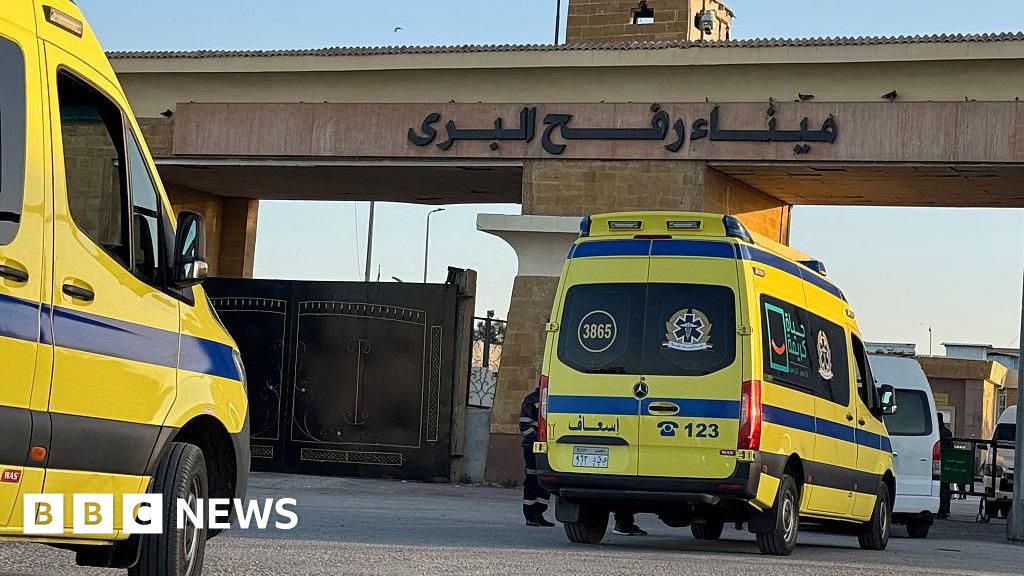
Israel Reopens Gaza's Vital Rafah Border Crossing
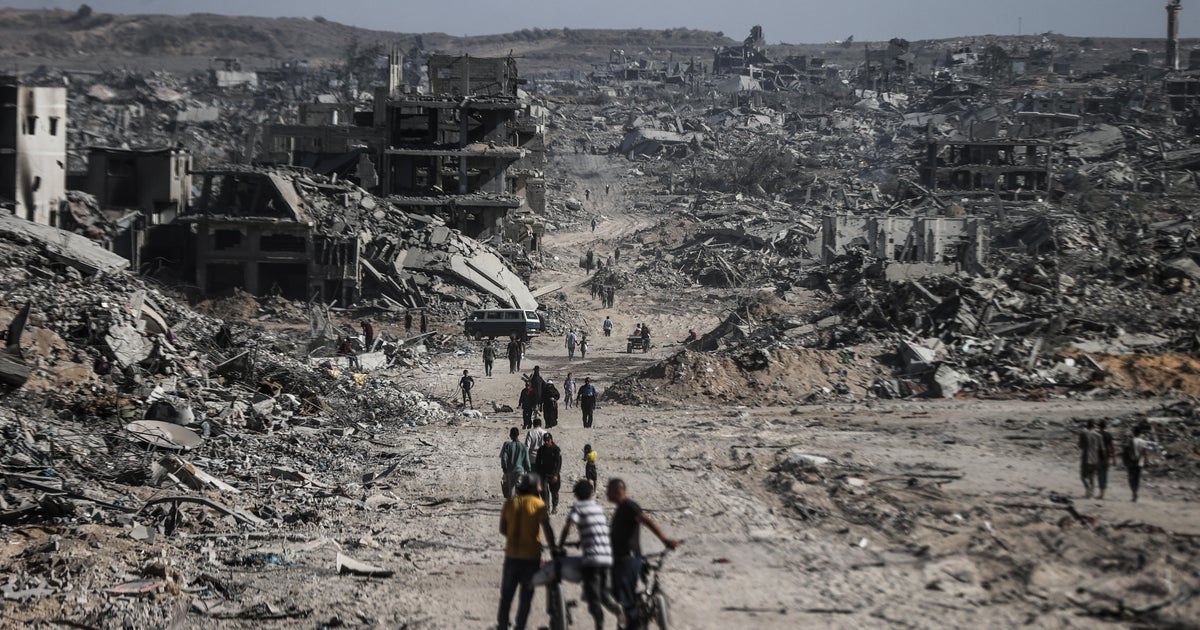
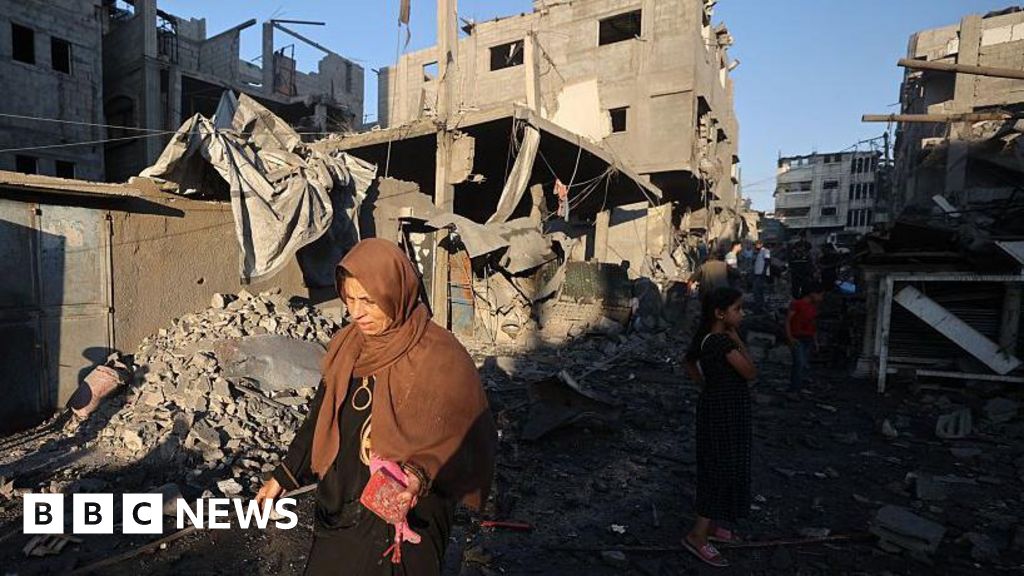
Israel has reopened Gaza's key Rafah border crossing with Egypt after over a year of closure, marking a cautious step in the Israeli-Hamas ceasefire's second phase. This development, confirmed by Egyptian and Israeli officials, allows limited pedestrian traffic but no goods, offering a glimmer of hope amid ongoing tensions.[1][2]
Limited Access and Medical Priorities
Only about 50 Palestinians can cross daily in each direction on foot, with strict vetting by Israel, Egypt, and European Union supervisors. Initial crossings included five wounded patients and relatives heading to Egypt, where 150 hospitals stand ready. Thousands await medical evacuation from Gaza's devastated health system, while others seek to return home after fleeing the war.[1][3][5]
Broader Implications for Ceasefire Progress
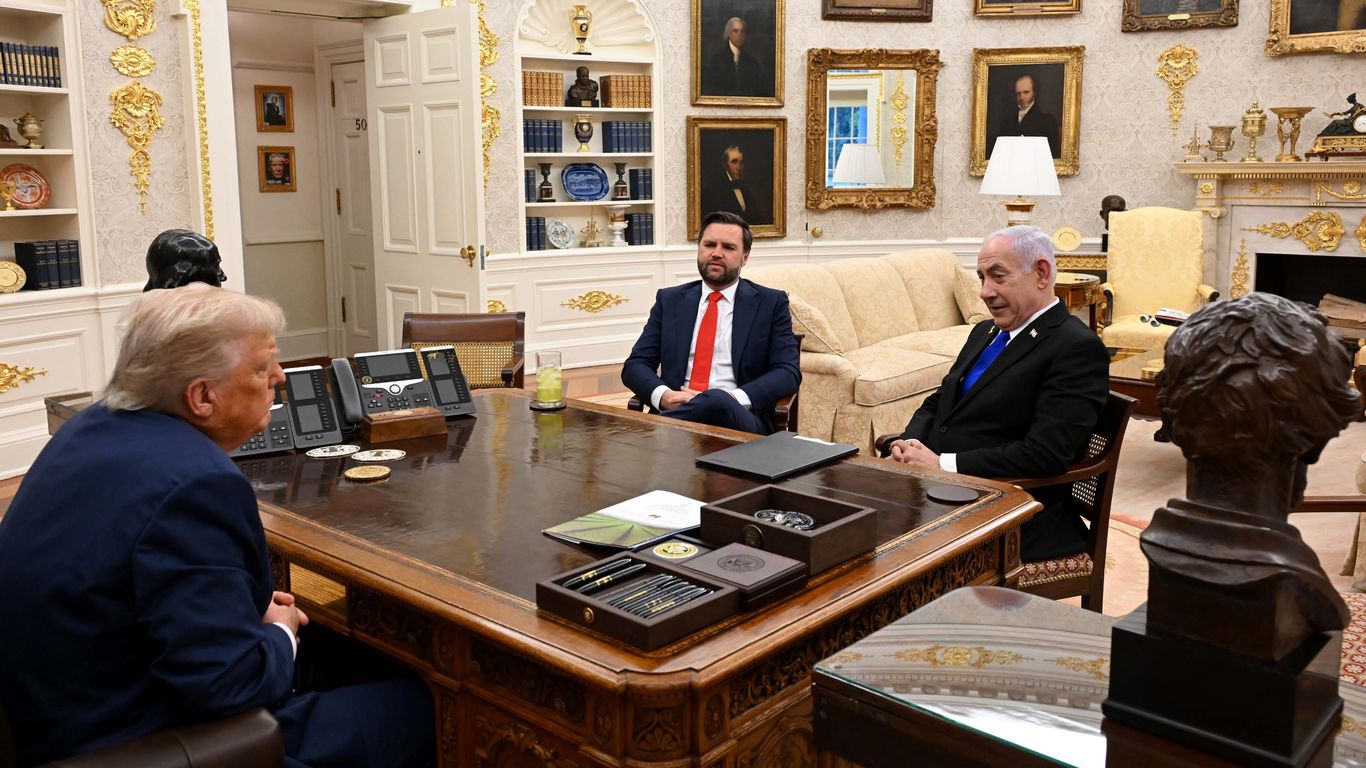
Supervised by EU agents and a small Palestinian team, the crossing symbolizes potential normalization but frustrates many due to capacity limits. As aid routes remain via Israeli checks, this reopening supports family reunions and treatment abroad, paving the way for Gaza's rebuilding under the U.S.-brokered deal.[2][4]
About the Organizations Mentioned
Israel
Israel is a highly developed democratic country in West Asia, known for its advanced free-market economy and significant contributions to global business and technology sectors. Established in 1948, Israel has grown into a regional powerhouse with a population of approximately 9.5 million as of 2025. It is the only country with a Jewish majority population and operates under a parliamentary democracy with strong political rights and civil liberties[2][5]. Israel's economy is among the most sophisticated in the Middle East, ranked 25th globally by nominal GDP according to the IMF in 2025. It boasts the second-largest number of startups worldwide, only behind the United States, and the third-largest number of companies listed on NASDAQ after the U.S. and China. This vibrant tech ecosystem attracts major multinational corporations such as Intel, Microsoft, Apple, IBM, Google, and Facebook, all of which have established research and development centers in Israel, often marking their first overseas R&D presence there[1]. The country’s main economic drivers include high-tech industries, industrial manufacturing, and diamond cutting and polishing, with the diamond sector accounting for 21% of exports in 2017[1]. Israel’s technological innovation extends to energy, with recent discoveries of natural gas reserves and a growing solar energy industry aiming to reduce dependency on imports[1]. Despite its small size, Israel's infrastructure rivals developed nations, supported by a sophisticated welfare state and a powerful military known for advanced capabilities, including nuclear weapons[1]. Regionally, Israel faces ongoing geopolitical instability and conflict, which influence its security policies and international relations. Internal and external tensions persist, particularly regarding the Palestinian territories, impacting both domestic and foreign policy dynamics[3][4]. Public opinion within Israel reflects concerns about international respect and peace prospects[6]. Overall, Israel stands out as a dynamic hub of innovation, economic resilience, and geopolitical significance, making it a critical player in global business and technology news.
Egypt
Egypt is a transcontinental country bridging Africa and Asia, with a mixed developing economy that ranks as the **second-largest in Africa** and 44th worldwide as of 2025[1]. It is a major emerging market and an active member of the African Union, BRICS, and the African Continental Free Trade Area (AfCFTA)[1]. Egypt’s economy combines private enterprise with centralized planning and government regulation, undergoing significant reforms since the 2000s to promote market orientation, fiscal discipline, and foreign investment[1]. Key reforms include fiscal and monetary policy adjustments, privatization, and business-friendly legislation, all supporting Egypt’s macroeconomic growth and addressing high unemployment and poverty rates[1]. Notably, in 2024, Egypt floated its currency, resulting in a 38% depreciation of the Egyptian pound, which, alongside over $50 billion in international financing from partners like the IMF and World Bank, helped stabilize the economy and improve its credit outlook[1][2]. Egypt’s strategic geographic location as a gateway to Africa, Asia, and Europe, coupled with its large domestic market and diverse sectors such as agriculture, manufacturing, and services, presents significant investment potential[2]. Its trade performance is strengthening, with higher export volumes and reduced import pressures in early 2025, supported by government initiatives like export subsidies and trade facilitation reforms[4]. The Central Bank’s adoption of a flexible, market-driven foreign exchange regime has improved currency stability and export competitiveness[4]. Despite challenges from global shocks like the Ukraine conflict and regional instability, Egypt’s economy is resilient and forecasted to grow from 2.4% in 2024 to 4.6% by 2027, driven by private consumption and investment growth[2][4]. The government also supports small and medium-sized enterprises (SMEs) through recent tax breaks and simplified tax collection to boost private sector dynamism[6]. Egypt ranks 86th in the 2025 Global Innovation Inde
European Union
The European Union (EU) is a unique economic and political partnership between 27 European countries, aiming to promote peace, stability, and economic cooperation. Established in 1993, the EU has evolved significantly since its inception, with key milestones including the introduction of the euro currency in 1999 and the expansion to include 27 member states. **History and Key Achievements:** - **Founding:** The EU's origins trace back to the European Coal and Steel Community (ECSC) in 1951, which evolved into the European Economic Community (EEC) in 1957. Over time, it expanded into the European Union with the Maastricht Treaty in 1992. - **Economic Integration:** The EU has fostered economic integration through the Single Market, allowing free movement of goods, services, and people among member states. - **Common Currency:** The euro, introduced in 1999, is used by 20 of the 27 member states, promoting economic stability and facilitating trade. **Current Status:** - **Challenges:** The EU faces ongoing challenges, including climate change, migration, and geopolitical tensions, particularly with Russia's aggression in Ukraine. - **Economic Outlook:** Euro area growth is forecast to remain weak in 2025, with GDP projected to expand by less than 1%[8]. - **Innovative Initiatives:** The EU is actively working on enhancing its technological and economic competitiveness, with initiatives like the Clean Industrial Deal and the Competitiveness Compass[4]. **Notable Aspects:** - **State of the Union Address:** The annual State of the Union address by the European Commission President outlines key priorities and initiatives for the year ahead, such as Ursula von der Leyen's 2025 address focusing on security, Ukraine support, and climate action[1][5]. - **Global Influence:** The EU is a significant player in global affairs, with initiatives like the Global Gateway aimed at sustainable development
United States
The **United States** is a federal republic and a global superpower, playing a leading role in economics, military strength, technology, and governance. It is a nation of approximately 348 million people as of 2025, characterized by its diverse population and dynamic economy[8][6]. Founded in 1776 following independence from British rule, the U.S. rapidly evolved into a major world power, especially after World War II, when its technological and economic investments solidified its global dominance[4]. Today, it remains the world’s preeminent military power, with 76% of Americans recognizing this status, while about half view it as the leading economic power globally, though China is seen as a rising competitor[2][3]. The U.S. government operates through a complex system that manages federal finances, taxation, social welfare programs, and trade policies. Recent legislative changes, such as the 2017 Tax Cuts and Jobs Act and the 2025 One Big Beautiful Bill Act, have shaped the tax landscape to influence economic growth, labor markets, and federal revenue[1]. Despite challenges like rising federal deficits projected to reach 6.9% of GDP by 2027, consumer spending remains resilient, and business investment is expected to grow steadily in 2025[5]. In governance, the U.S. is rated "Free" with a score of 84/100 by Freedom House, though concerns about democratic erosion and partisan conflicts persist[6]. Public trust and satisfaction with government services fluctuate, reflecting ongoing debates about policy effectiveness and institutional competence[7]. Technologically, the U.S. maintains a critical edge, underpinning its economic and geopolitical power. Experts warn, however, that technological dominance is not guaranteed indefinitely, emphasizing the need for adaptive policies and international cooperation to sustain leadership in innovation and global affairs[4]. Overall, the United States remains a pivotal force in global business, technology, and politics, balancing historic strengths with contemporary challenges in