Israel's Strike Against Hamas in Qatar Sparks Concern

Introduction
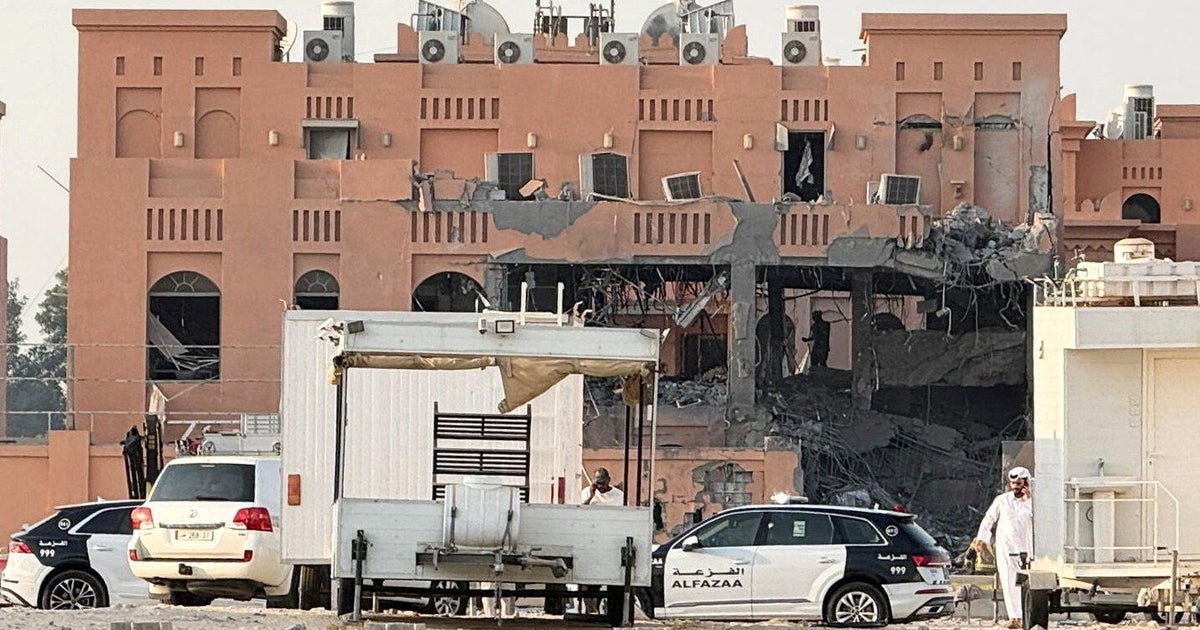
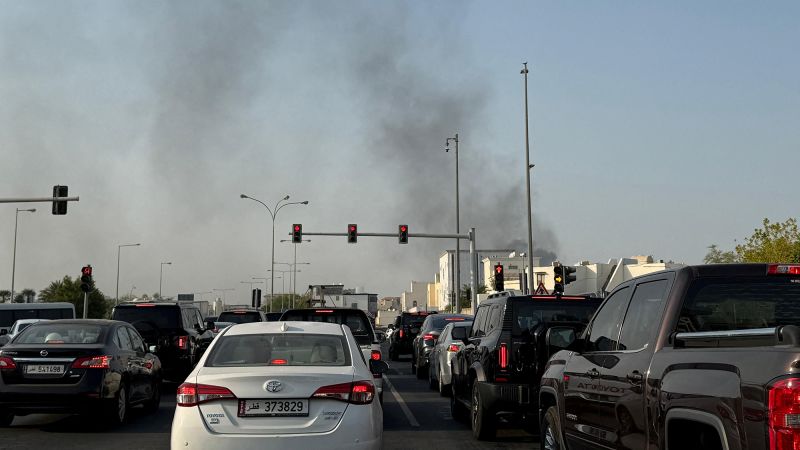
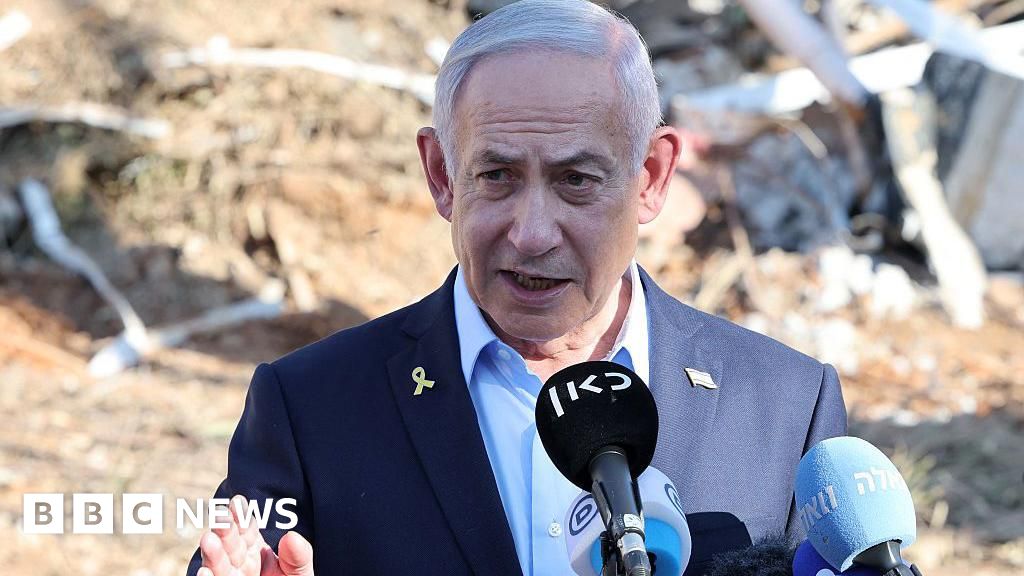
Israel's recent strike against Hamas in Qatar has raised tensions in the region, with the Israeli government vowing to "strike its enemies wherever they may be." This comes after reports that Khalil al-Hayya, a top Hamas leader, survived a deadly attack on his villa in Doha. The strike is seen as a major escalation in the ongoing conflict between Israel and Hamas, and has sparked concern among both domestic and international communities.
Key Details
The attack on al-Hayya's villa came just days after he had been leading indirect ceasefire talks with Israel. This has led to speculation that the strike was a targeted attempt to hinder peace negotiations and further escalate tensions. In response, Hamas has threatened retaliation against Israel, potentially leading to further violence and instability in the region. The strike has also caused concerns for the safety of high-profile individuals in the Middle East.
Impact
The attack on al-Hayya's villa has not only raised tensions between Israel and Hamas, but also highlighted the fragility of peace negotiations in the region. The strike has also brought attention to the potential consequences of targeted attacks on high-profile individuals, and the potential for further escalations and instability. This event serves as a reminder of the ongoing conflict and the challenges of finding a lasting peace in the Middle East.
About the People Mentioned
Khalil al-Hayya
Khalil al-Hayya, born November 5, 1960, in Gaza, is a senior Palestinian politician and Hamas leader.[1][2][5] A veteran member since Hamas's founding in 1987, he joined the Muslim Brotherhood in the early 1980s alongside figures like Ismail Haniyeh and Yahya Sinwar.[2][4] He holds a PhD in Sunnah and Hadith Sciences from Sudan (1997), a master's from Jordan (1989), and a bachelor's from the Islamic University of Gaza (1983).[5] Al-Hayya has served in academic roles, including lecturer and dean of student affairs at the Islamic University, and led student and workers' unions there.[5] Elected to the Palestinian Legislative Council in 2006 representing Gaza City with over 73,000 votes, he has been a member of Hamas's Politburo and deputy head of its Gaza regional politburo since 2017.[1][3][5] He headed Hamas's "Jerusalem Is Our Promise" list for the canceled 2021 elections.[3] Al-Hayya played a pivotal role in ceasefires, notably brokering the 2014 Gaza truce and mediating recent talks amid the ongoing conflict.[2][3][4] From Qatar, where he relocated years ago to handle ties with Arab and Islamic states—including Iran and a 2022 Syria reconciliation—he advanced to deputy chairman of Hamas's Political Bureau (August-October 2024), then part of a five-member acting leadership after Yahya Sinwar's October 2024 death.[1][2][4] In December 2024, he was appointed commander of Hamas's Izz ad-Din al-Qassam Brigades following Mohammed Deif's killing.[6] Recently, he led a delegation to Egypt's Sharm el-Sheikh for ceasefire, withdrawal, and prisoner swap talks—the first since surviving a September 9, 2025, Israeli airstrike in Qatar that killed his son Humam.[1][2] Al-Hayya has endured multiple assassination attempts, losing 19 family members, including his wife, three children, and others in strikes since 2007.[3][4][5] He remains a key Hamas negotiator with current relevance in Gaza diplomacy.[2][4]
About the Organizations Mentioned
Hamas
**Hamas** is a Sunni Islamist Palestinian nationalist organization that functions both as a political party and a militant group, primarily operating in the Gaza Strip, which it has governed since 2007. Founded in 1987 by Ahmed Yassin amid the First Intifada, Hamas emerged from the Muslim Brotherhood and initially had covert Israeli support as a counterweight to the secular Palestinian Liberation Organization (PLO)[3][1]. It combines political governance with an armed wing, the al-Qassam Brigades, committed to armed resistance against Israel, which it refuses to recognize as a legitimate state[1][3]. Hamas’s political rise culminated in a 2006 electoral victory in the Palestinian Legislative Council, campaigning on anti-corruption and resistance platforms. After violently seizing Gaza from the rival Fatah faction in 2007, Hamas has maintained de facto control there despite international isolation and blockades imposed by Israel and Egypt[3]. Its governance has been marked by repeated conflicts with Israel, including major wars in 2008–09, 2012, 2014, 2021, and the ongoing intense conflict triggered by Hamas’s surprise October 2023 attack killing nearly 1,200 Israelis and taking hostages[1][2][3]. Hamas benefits from regional support, especially from Iran, which supplies funding and weapons, as well as financial and political backing from Turkey and Qatar. These alliances form part of a broader "axis of resistance" against Israel, which includes groups like Hezbollah and Palestinian Islamic Jihad[2]. Hamas also operates fundraising networks globally, sometimes using charities as fronts to support its military activities[4]. The group is designated a terrorist organization by many countries, including the United States, which has increased military aid to Israel following recent escalations[2][6]. Despite modifying its 1988 charter in 2017 to soften some language, Hamas continues to reject Israel’s legitimacy and pursues all forms of resistance[1]. Its enduring political