Japan-China Radar Lock Escalates East China Sea Tensions
Incident Overview
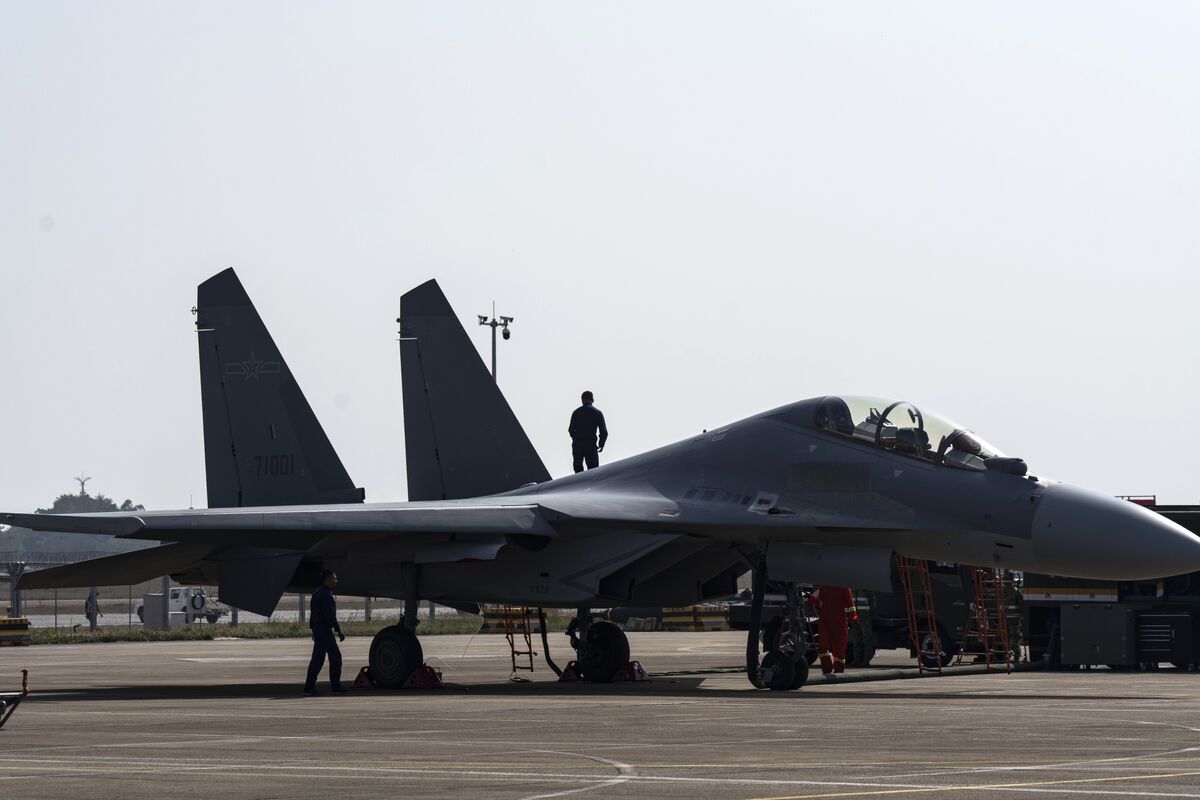
Japan reported that on December 6, two Chinese J-15 fighter jets locked their fire-control radar on Japanese F-15 aircraft over international waters near Okinawa. This radar lock, a serious and escalatory signal indicating a potential attack, forced Japanese jets to take evasive actions. It marked the first public disclosure of such an incident between the two nations, further straining already tense China-Japan relations amid recent political frictions.
Diplomatic Fallout
In reaction, Japan summoned China's ambassador and lodged a strong protest, demanding measures to prevent recurrence. Tokyo described the radar lock as dangerous and beyond the bounds of safe flight, highlighting the risk of miscalculation and pilot endangerment. Prime Minister Sanae Takaichi’s recent comments on Taiwan had already frayed ties, and this event deepened diplomatic tensions, prompting Japan to emphasize calm yet resolute responses to ensure regional security.
Regional Security Implications
This incident underscores ongoing military assertiveness in the East China Sea, signaling heightened risks for Japan and neighboring countries. The use of fire-control radar is a stark reminder of the potential for rapid escalation, intensifying calls for clear communication channels and de-escalation efforts amid complex geopolitical dynamics in the region.
About the People Mentioned
Sanae Takaichi
Sanae Takaichi is a Japanese politician of the Liberal Democratic Party (LDP) who became Japan’s first female prime minister after winning the LDP leadership and being elected by the National Diet in 2025[2][3]. She was first elected to the House of Representatives in 1993 and has held multiple cabinet posts, notably Minister for Internal Affairs and Communications and Minister of State for Economic Security[5][3]. Takaichi is widely described as a conservative and a protégé of former prime minister Shinzō Abe, advocating traditionalist cultural policies, stronger defence and economic-security measures, and limits on immigration[5][3]. Her tenure as a senior minister included controversial moves such as seeking greater government influence over public broadcasting and visiting the Yasukuni Shrine while in office[5]. After several attempts at party leadership, she secured the LDP presidency in 2025 and led a minority government formed with the Japan Innovation Party amid a fractured Diet and the end of the long-standing LDP–Kōmeitō alliance[2][3]. Key challenges cited for her government include restoring public trust after LDP funding scandals, addressing Japan’s demographic decline and low growth, high public debt, inflation and wage issues, and navigating a tense regional security environment involving China and North Korea[2][3]. Analysts note her policy priorities include expansionary fiscal measures, tighter control over monetary policy levers, and strengthening the U.S.–Japan alliance and economic-security ties[2][5]. Takaichi’s rise is significant both for breaking gender barriers in Japanese national leadership and for shifting the LDP toward more conservative, security-focused policies during a period of domestic political realignment[3][5].