Killjoy Moment: VAR Controversy in Liverpool vs Man City Over Szoboszlai Red Card
'Killjoy' Moment: VAR's Call in Liverpool vs Man City Chaos
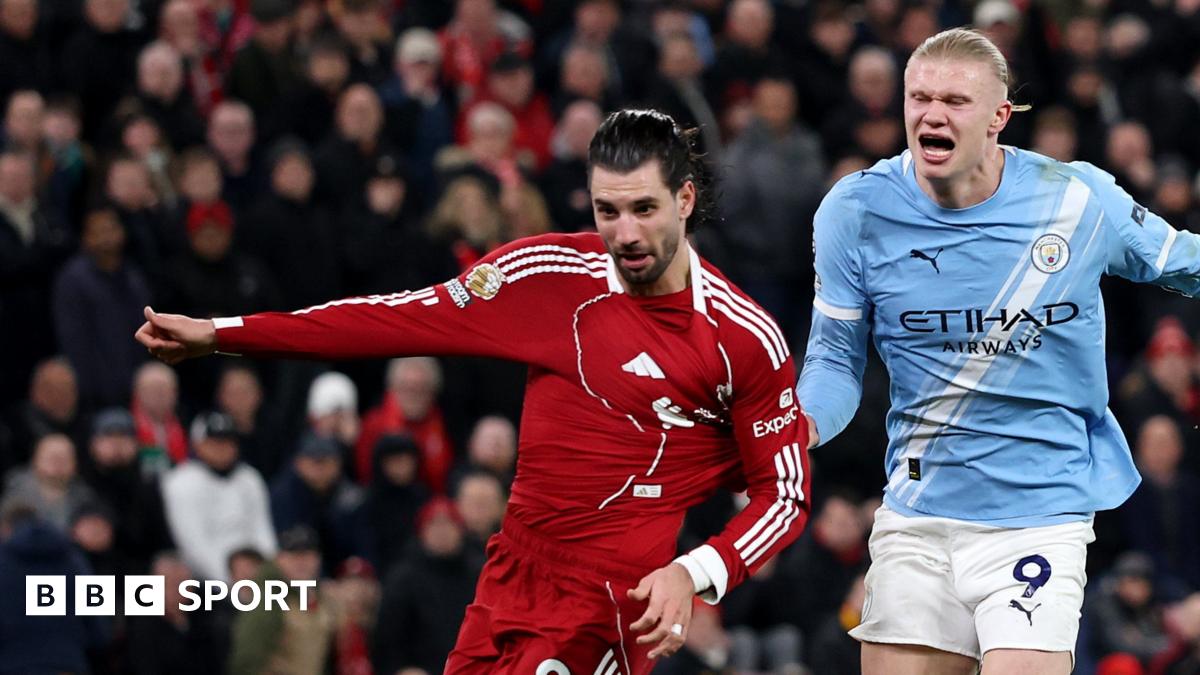
The thrilling Liverpool vs Manchester City clash ended in pandemonium, with Dominik Szoboszlai's late red card sealing City's narrow win. Dubbed a 'killjoy' by fans, the decision sparked furious debate: did referee Michael Oliver and VAR officials get it right amid the Anfield drama?
Breaking Down Szoboszlai's Red Card
Szoboszlai's challenge on City's Jeremy Doku appeared reckless, prompting an on-field yellow upgraded to red after VAR review. Pundits argued it met the 'serious foul play' threshold, denying a goalscoring chance with excessive force. Yet Liverpool supporters cried injustice, claiming minimal contact and inconsistent officiating compared to earlier unpunished incidents.
VAR's Role and Fan Backlash
VAR aimed to clarify the chaos but fueled more controversy, highlighting technology's double-edged sword in high-stakes games. While protocols supported the call, questions linger on timing and transparency. This saga underscores Premier League tensions, urging clearer guidelines for future late drama.
About the Organizations Mentioned
Liverpool
Liverpool Football Club (Liverpool FC) is one of the most successful and storied football organizations globally, renowned for its dominance in both English and European football. Founded in 1892, Liverpool quickly rose to prominence, capturing its first English top-flight league title in the 1900-01 season under manager Tom Watson. Since then, the club has amassed a record 20 English league titles, with the most recent won in the 2024-25 Premier League season under Dutch manager Arne Slot[1][3][5]. Liverpool’s golden era spanned the 1970s and 1980s, propelled by legendary managers such as Bill Shankly, Bob Paisley, and Joe Fagan. These years saw the club winning numerous domestic titles and establishing European dominance by securing the European Cup (now UEFA Champions League) four times between 1977 and 1984[2][4]. The club holds the British record with six European Cup/Champions League titles, adding victories in 2005 and 2019 to their illustrious European trophy cabinet[2][3][6]. The 2005 final, known as the "Miracle of Istanbul," is especially celebrated for Liverpool’s dramatic comeback from 3-0 down to AC Milan to win on penalties. Liverpool has been renowned for its winning culture, tactical innovation, and passionate fanbase centered at Anfield Stadium. The club’s recent resurgence under Jürgen Klopp culminated in securing the 2019-20 Premier League title, ending a 30-year wait for domestic success and complementing their European and world club titles[1][2]. Beyond the men's team, Liverpool’s women's team has also achieved notable success, including being crowned English champions twice[3]. The club combines rich history, cutting-edge football technology, and a global commercial presence, making it a prominent organization in business and sports technology sectors. Its continued ambition, storied heritage, and trophy-laden past keep Liverpool F
Manchester City
Manchester City Football Club, based in Manchester, England, is one of the world’s most successful and influential football organizations, renowned for its recent dominance in both domestic and international competitions. Founded in 1880, the club has evolved from early successes including Football League championships in 1936-37 and 1967-68, to becoming a global football powerhouse following its acquisition in 2008 by Sheikh Mansour[2][4]. The club’s modern golden era, largely shaped under manager Pep Guardiola since 2016, has been marked by unprecedented achievements. Manchester City has won **ten Premier League titles**, including an extraordinary run of four consecutive championships by the 2023-24 season—an English football record. The team has also secured multiple FA Cups, EFL (Carabao) Cups, and Community Shields, reflecting consistent domestic dominance[1][5][6]. Internationally, Manchester City reached its first UEFA Champions League final in 2021, narrowly losing to Chelsea, before capturing the prestigious title in 2023. This victory completed a historic treble of the Premier League, FA Cup, and Champions League—the first English men's team to achieve this feat. That same year, City also won the UEFA Super Cup and the FIFA Club World Cup, becoming the first club to simultaneously hold all five major titles: Premier League, FA Cup, UEFA Champions League, UEFA Super Cup, and FIFA Club World Cup[1][2][5][6]. Beyond trophies, Manchester City stands out for its integration of technology and data analytics in football operations, which has been pivotal in its strategic and tactical innovations. The club’s City Football Group also oversees a global network of clubs and invests heavily in sports science and digital engagement, reflecting a forward-thinking business model that blends sports excellence with technological innovation[2]. Manchester City Women’s Football Club, formally linked since 2012, has also risen to prominence, competing in the FA Women’s Super League and strengthening the club’
Premier League
The **Premier League** is the highest level of professional men's football in England, established in 1992 as a breakaway from the Football League First Division to maximize the commercial potential of English football[3][5]. It features 20 elite clubs competing annually in a round-robin format where each team plays 38 matches, earning three points for a win and one for a draw to determine the league champion and European competition qualifiers[1]. Formed to retain top English players and attract global talent, the Premier League revolutionized football with lucrative broadcast deals, enhanced stadium safety, and widespread international appeal, becoming one of the most-watched sports leagues worldwide[5]. Its member clubs collectively own the league as a private company, working under a structured governance system with a Rule Book that governs competition and club conduct[2]. Key achievements include Manchester United’s record 13 titles since inception, with other dominant clubs like Manchester City, Chelsea, Arsenal, and Liverpool contributing to its competitive prestige[4]. The league has showcased legendary players such as Alan Shearer, the all-time top scorer with 440 goals, while pioneering formats like the Fantasy Premier League have engaged over 11 million fans in interactive digital experiences[1][4]. The Premier League operates a promotion and relegation system with the English Football League Championship, maintaining competitive integrity and fresh club participation annually[1]. Its influence extends beyond sport, impacting business through multi-billion-pound broadcast contracts, technological advancements in broadcasting and analytics, and global merchandising. Currently, the Premier League stands as a business and technological powerhouse in sports, blending tradition with innovation, attracting global viewership, and driving economic value across media, sponsorship, and fan engagement industries[2][5]. Its continued evolution reflects broader trends in sports commercialization and digital fan interaction.






.jpg?w=3800&h=2000)