Kristi Noem Proposes Expanding Trump's Travel Ban
Noem Proposes Expanding Trump’s Travel Ban
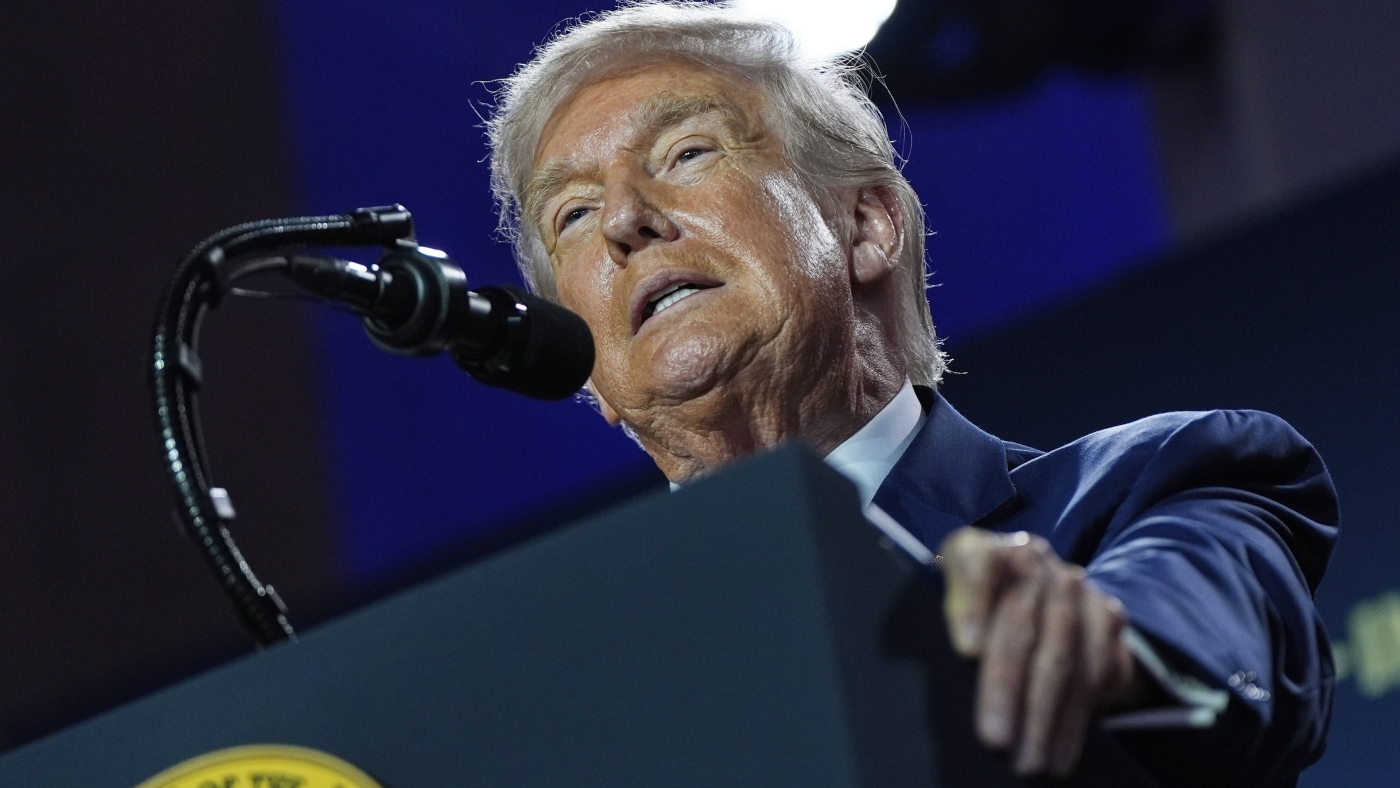
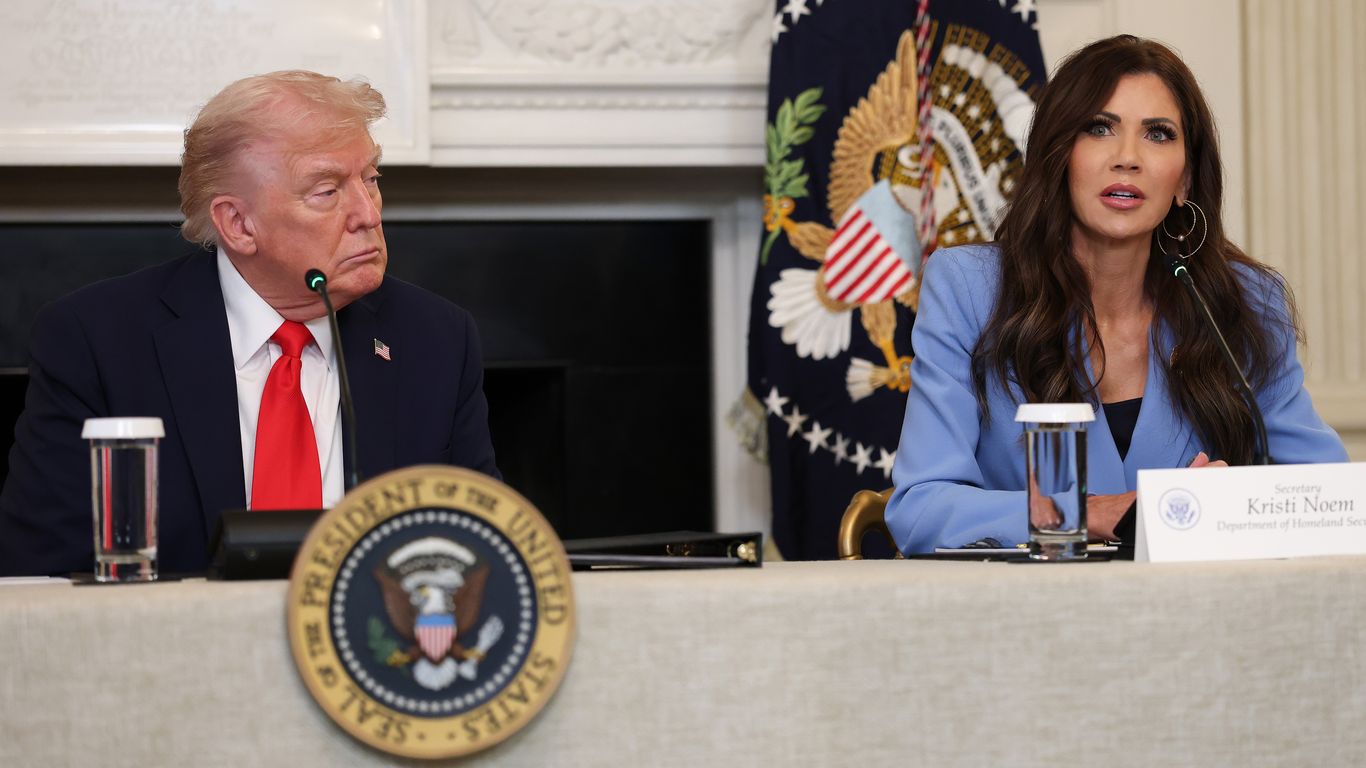
Following a meeting with former President Trump, Homeland Security Secretary Kristi Noem has recommended a significant expansion of the existing travel ban. Currently restricting entry from 19 countries, Noem suggests widening the list to include more nations believed to pose security risks. This move comes amid heightened concerns after a fatal attack on National Guard members by an Afghan national, raising questions about border security and immigration policies.
Rationale Behind the Expansion
Noem argues that the expanded ban targets countries contributing to violence, economic strain, and threats against American citizens. She emphasized protecting the nation from foreign individuals she described as "killers, leeches, and entitlement junkies." The proposal aims to prevent those from these countries from obtaining immigrant or non-immigrant visas, while current visa holders and immediate relatives of U.S. citizens remain exempt.
Potential Impact and Next Steps
If implemented, the ban could grow to cover 30 or more countries, reshaping U.S. immigration policy. President Trump is expected to review Noem’s recommendations carefully, balancing national security with diplomatic and economic considerations before any official action.
About the People Mentioned
Kristi Noem
Kristi Noem is a South Dakota politician born on November 30, 1971, in Watertown, South Dakota. She grew up on a family ranch and farm in rural Hamlin County. Noem graduated from South Dakota State University with a Bachelor of Arts degree in Political Science in 2011. She began her political career in the South Dakota House of Representatives, serving from 2006 to 2010, including a stint as Assistant Majority Leader. In 2010, she was elected to the U.S. House of Representatives, representing South Dakota's at-large congressional district for four terms until 2019. In 2018, Noem made history by becoming South Dakota's first female governor. She was reelected in 2022. During her tenure as governor, Noem focused on reducing taxes, cutting regulations, and promoting economic growth. Her approach to the COVID-19 pandemic, which included not implementing statewide lockdowns or mask mandates, garnered national attention. Noem is known for her conservative stance on issues like gun rights and border security. Noem has written two books: *Not My First Rodeo: Lessons from the Heartland* (2022) and *No Going Back* (2024). In January 2025, she resigned as governor after being confirmed by the Senate as the United States Secretary of Homeland Security, the first South Dakotan to hold this position. As Secretary, she oversees a department with over 260,000 employees and a budget exceeding $100 billion. Recently, while in her role as Homeland Security Secretary, Noem was involved in a controversial incident in Los Angeles where a U.S. Senator was forcibly removed from a press conference. Despite this, she continues to be a prominent figure in U.S. politics, particularly in conservative circles.
Donald Trump
Donald John Trump, born June 14, 1946, in Queens, New York, is an American businessman, media personality, and politician. He graduated from the University of Pennsylvania’s Wharton School in 1968 with a degree in economics. In 1971, he took over his family’s real estate business, renaming it the Trump Organization, through which he expanded into building and managing skyscrapers, hotels, casinos, and golf courses. Trump gained widespread fame as the host of the reality TV show *The Apprentice* from 2004 to 2015, which helped establish his public persona as a successful entrepreneur. Trump entered politics as a Republican and was elected the 45th president of the United States, serving from 2017 to 2021. His presidency was marked by significant policy actions including tax cuts, deregulation, the appointment of three Supreme Court justices, renegotiation of trade agreements (notably replacing NAFTA with the USMCA), and a focus on immigration control including border wall expansion. He withdrew the U.S. from international agreements such as the Paris Climate Accord and the Iran nuclear deal, and engaged in a trade war with China. His administration’s response to the COVID-19 pandemic was criticized for downplaying the virus’s severity. Trump was impeached twice by the House of Representatives—first in 2019 for abuse of power and obstruction, and again in 2021 for incitement of insurrection—but was acquitted by the Senate both times. After losing the 2020 election to Joe Biden, Trump challenged the results, culminating in the January 6, 2021, Capitol riot. He remains a central figure in American politics, having won the 2024 presidential election and returned as the 47th president in 2025, continuing to promote policies aimed at economic growth, border security, and military strength[1][2][3][4].
About the Organizations Mentioned
Homeland Security
The **Department of Homeland Security (DHS)** is a U.S. federal agency established in response to the September 11, 2001 terrorist attacks, with the mission to protect the nation against a wide range of threats, including terrorism, natural disasters, cyberattacks, and immigration-related challenges. DHS’s core responsibilities include securing the borders, managing immigration enforcement, safeguarding critical infrastructure, and responding to emergencies, thereby ensuring the safety and resilience of the American people and economy[1][2]. Since its inception, DHS has evolved to address emerging threats, particularly in technology and security domains. The department integrates efforts across federal, state, and local levels and partners with private and non-profit sectors to enhance national security infrastructure. A key focus has been on adapting to modern risks such as cyber intrusions, drone threats to critical infrastructure, and disruptions to supply chains—all vital concerns for business and technology sectors[2]. Notable achievements of DHS include strengthening border security operations, advancing cybersecurity protocols, and improving disaster response coordination. For example, recent initiatives have expanded the authority of federal law enforcement agencies beyond traditional immigration roles to more effectively manage border security and immigration enforcement under the current administration, reflecting ongoing policy shifts tied to national priorities[1]. Looking to the future, strategic discussions around DHS emphasize innovation in technology and integrated threat management. Experts envision a homeland security landscape increasingly influenced by advanced surveillance, unmanned systems, and digital defense mechanisms aimed at countering sophisticated threats in 2025 and beyond[2]. Currently, DHS remains a central pillar in U.S. national security, continually adapting to political, technological, and global developments. It operates under evolving mandates that balance civil liberties with security imperatives, making it a dynamic and often debated organization in the intersection of governance, technology, and public safety[1][2].
National Guard
## Overview The National Guard is a unique component of the United States Armed Forces, serving as both a state and federal military reserve. It is divided into the Army National Guard and the Air National Guard, each functioning as the primary combat reserve for the U.S. Army and Air Force, respectively[1][5]. Unlike other military reserves, the National Guard can be activated by state governors for domestic emergencies—such as natural disasters, civil unrest, or public health crises—while also being deployable overseas by the president during national emergencies or conflicts[1][2]. This dual role makes it a critical bridge between civilian life and military service, with most members serving part-time while maintaining civilian careers or education[1][7]. ## History The National Guard traces its origins to 1636 in Salem, Massachusetts, making it the oldest military organization in the U.S.[4][6]. Initially formed as local militias for community defense, it evolved into a structured reserve force integral to every major U.S. conflict since the nation’s founding[6]. The modern National Guard was formally established by the Militia Act of 1903, which standardized training and equipment across states and created a federal role for the Guard[4]. ## Key Achievements The National Guard has been pivotal in both domestic and international crises. Domestically, Guard units have responded to hurricanes, wildfires, the COVID-19 pandemic, and civil disturbances, providing essential support to local authorities[2][6]. Internationally, Guard units have deployed to conflicts in Afghanistan, Iraq, and the Balkans, as well as peacekeeping and training missions worldwide[2][5]. The Guard’s State Partnership Program also fosters military cooperation with over 100 nations, enhancing global security partnerships[5]. ## Current Status and Notable Aspects Today, the National Guard comprises approximately 430,000 members across all 50 states, Washington, D.C., and U.S. territories[1][6]. It is overs