Lawsuit Alleges Political Retaliation by FBI Leadership Involving Kash Patel
Lawsuit Against FBI Leadership
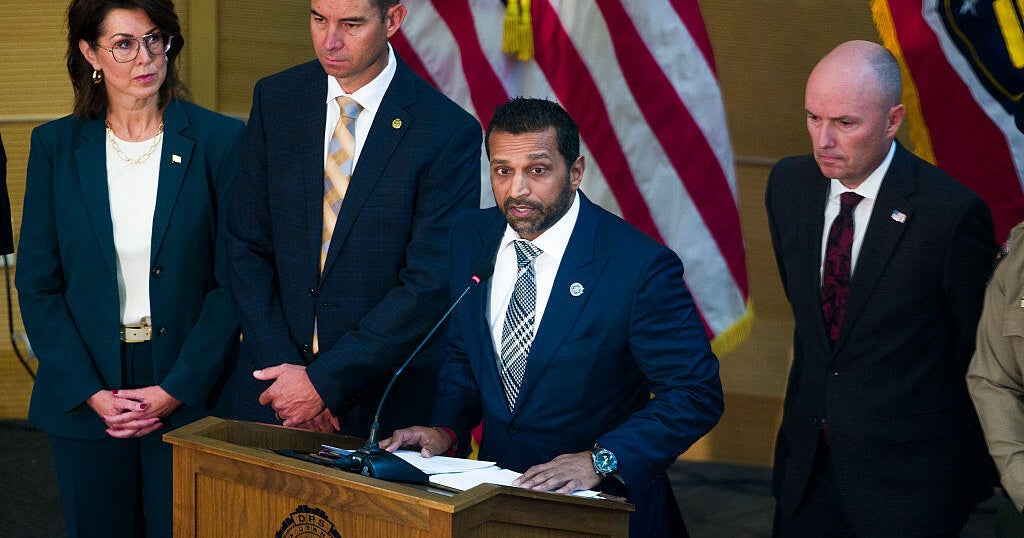
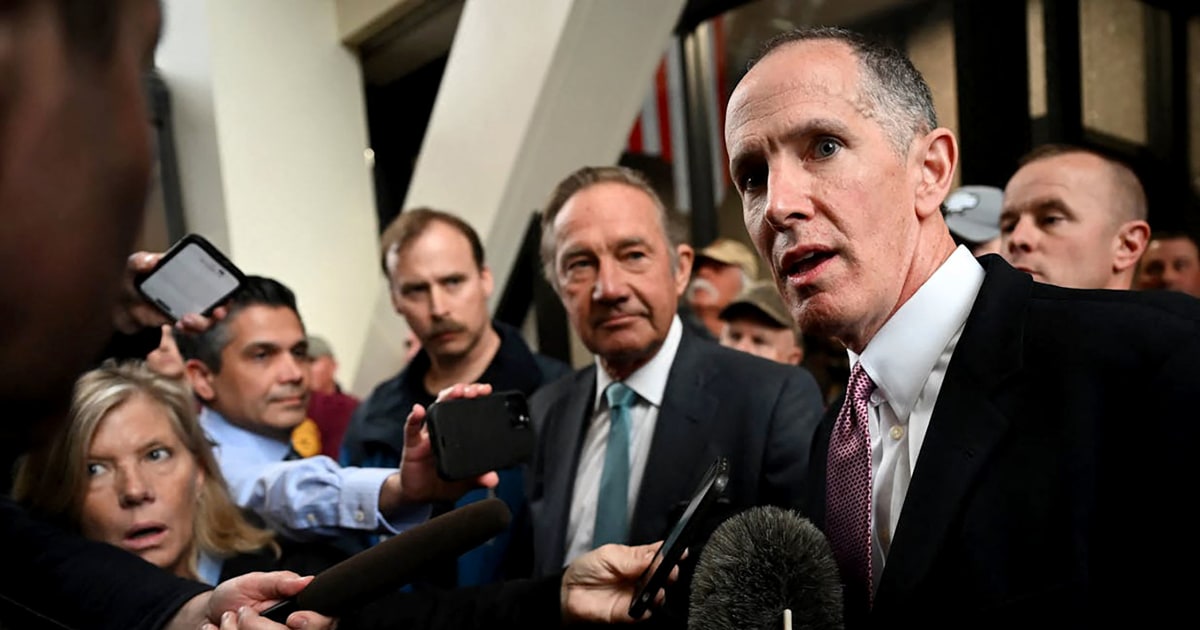
In a significant legal move, twelve former FBI agents have filed a lawsuit against FBI Director Kash Patel and the Department of Justice, alleging unlawful retaliation. The agents claim they were dismissed during President Trump’s second term due to their actions during the 2020 George Floyd protests, specifically for kneeling to help de-escalate tensions. This gesture, intended to defuse a volatile crowd, was reportedly viewed as disloyal by senior officials aligned with the Trump administration.
Background and Allegations
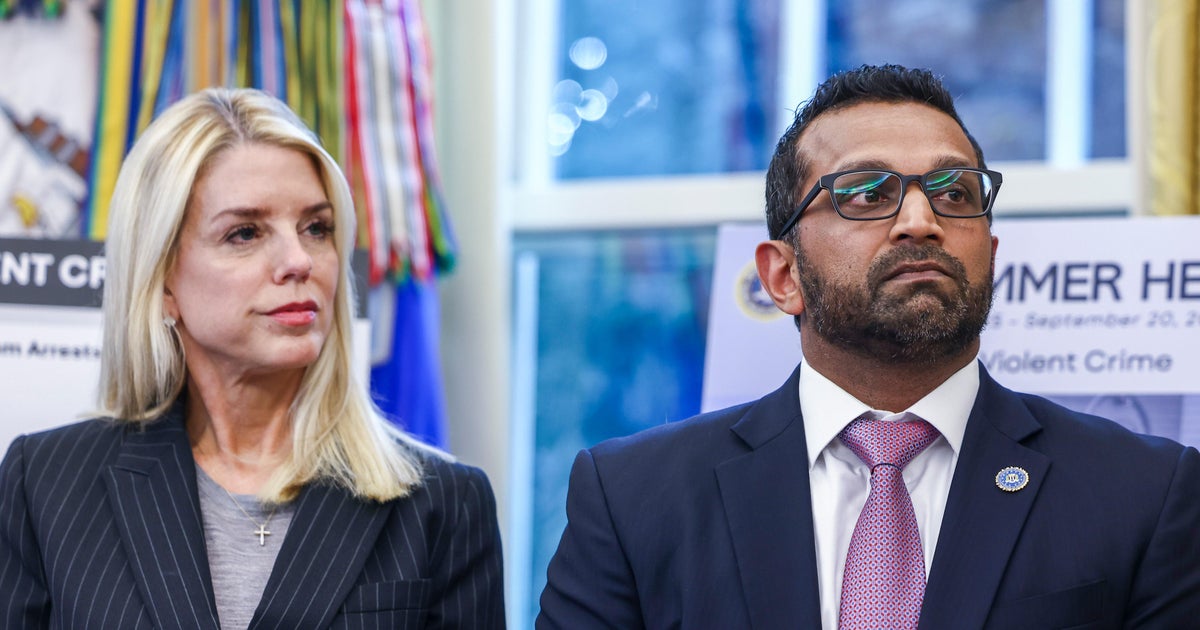
The lawsuit details that these agents, many with over 15 years of counterterrorism experience, were denied essential riot gear during the protests, putting their safety at risk. It alleges that Patel, who became FBI director in February 2021, coordinated with the White House to remove agents perceived as undermining the president’s agenda. Attorney General Pam Bondi is also named as part of this politically motivated purge.
Implications for Public Safety
The dismissed agents argue that politicizing FBI internal operations compromises public safety and undermines law enforcement integrity. Their case highlights tensions between political influence and professional duty within federal agencies, raising serious questions about accountability and fairness in the justice system.
About the People Mentioned
Kash Patel
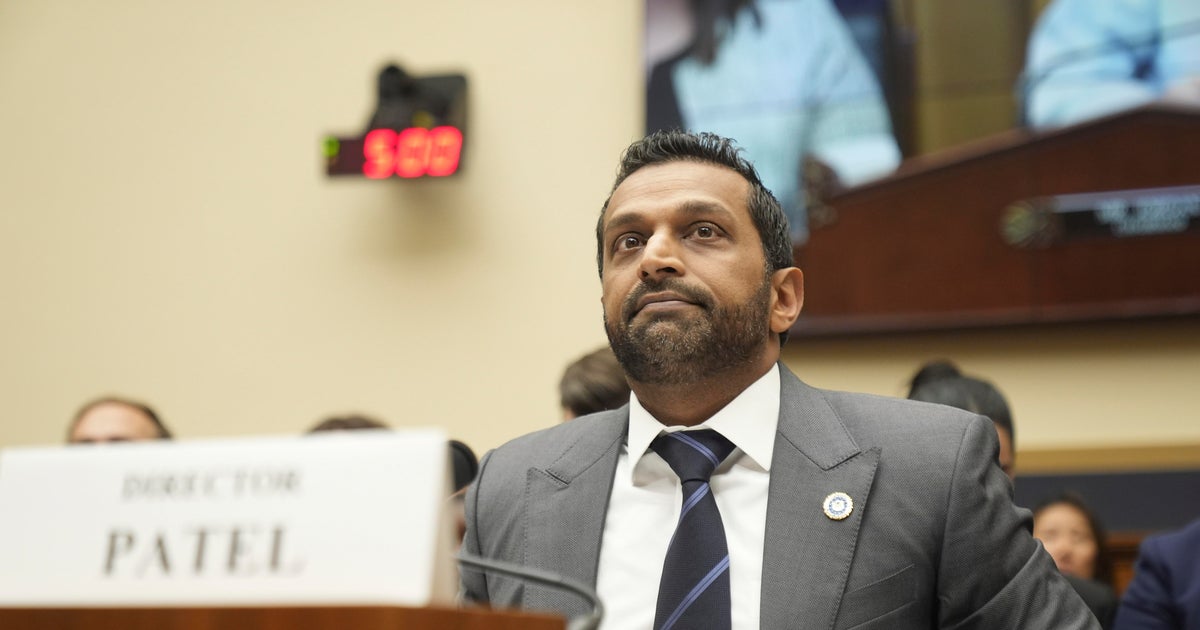
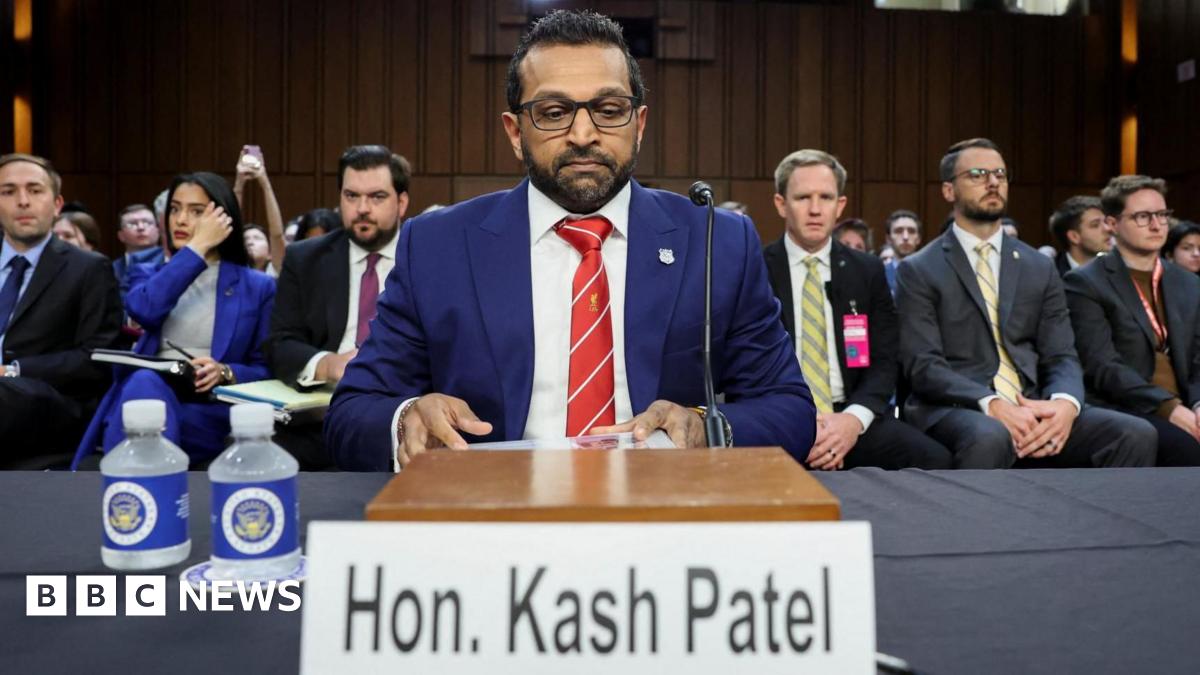
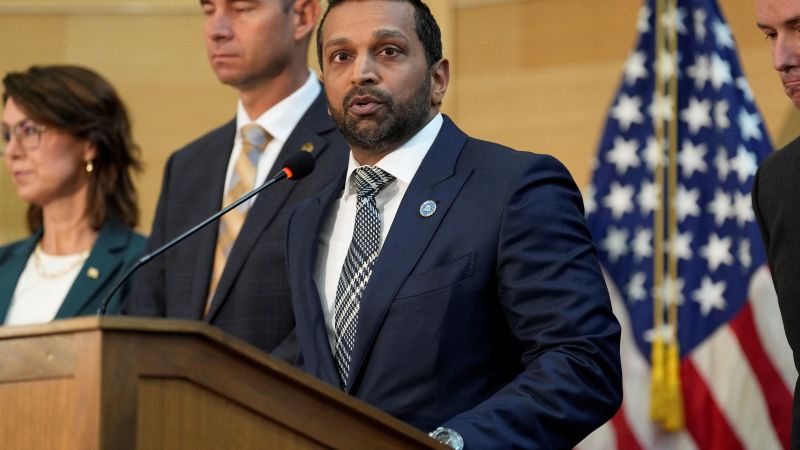
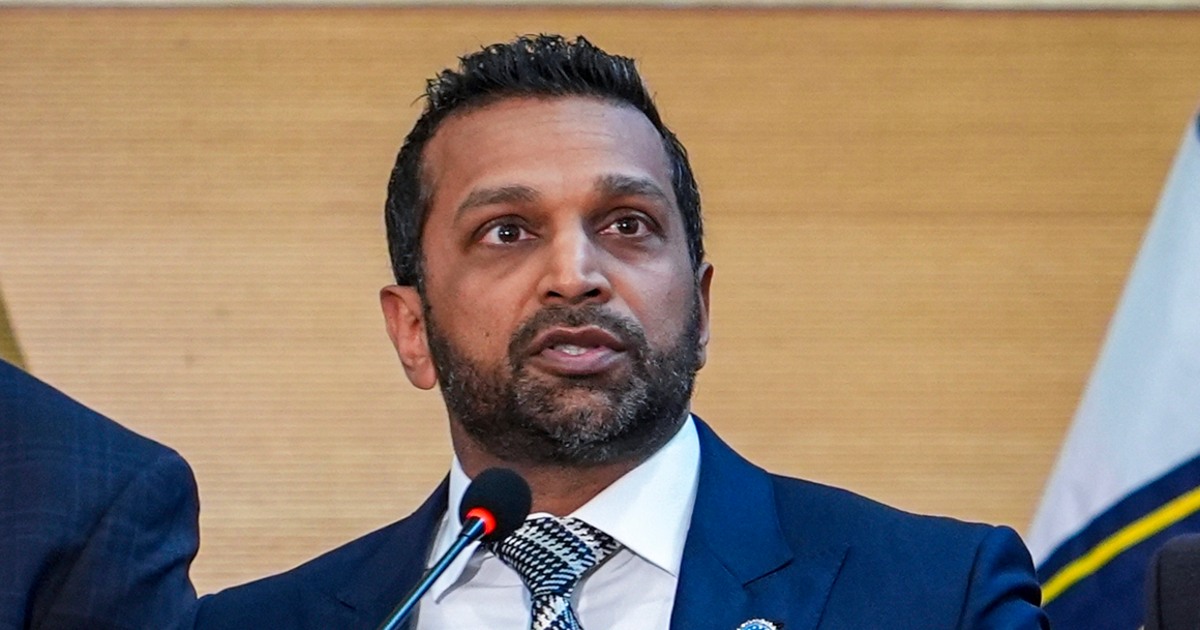
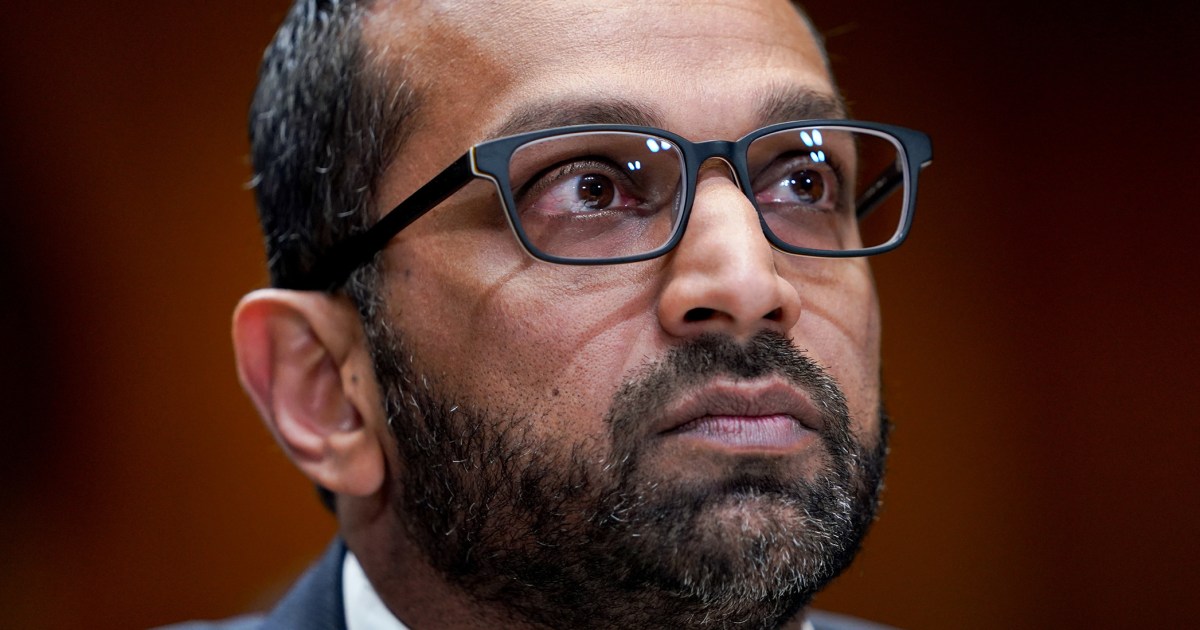
Kash Patel is a prominent figure in U.S. law and national security. Born on Long Island, New York, to Indian immigrant parents of Gujarati ancestry, Patel grew up in a culturally diverse background. He graduated from the University of Richmond with a degree in criminal justice and history in 2002. Later, he earned a law degree from Pace University and a certificate in international law from University College London[1][3][4]. Patel began his career as a public defender in Miami-Dade County, Florida, handling complex cases such as murder and drug trafficking. He later transitioned to the U.S. Department of Justice, where he worked as a terrorism prosecutor and liaison officer to the Joint Special Operations Command (JSOC), overseeing investigations against Al-Qaida and ISIS[1][2][3]. Notably, Patel served as the national security advisor and senior counsel for the House Permanent Select Committee on Intelligence (HPSCI), playing a key role in the investigation into Russia's influence on the 2016 U.S. presidential election. He was also a principal author of the controversial "Nunes memo" related to this investigation[3][4]. In recent years, Patel became chief of staff to the acting Secretary of Defense during the Trump administration. He has also been involved in publishing, writing books such as the "Plot Against the King" series and "Government Gangsters: The Deep State, the Truth, and the Battle for Our Democracy"[4]. As of February 2025, Patel became the ninth Director of the FBI, marking a significant shift in his career trajectory. His appointment and subsequent actions have garnered attention due to his background and political affiliations[1][6].
Pam Bondi
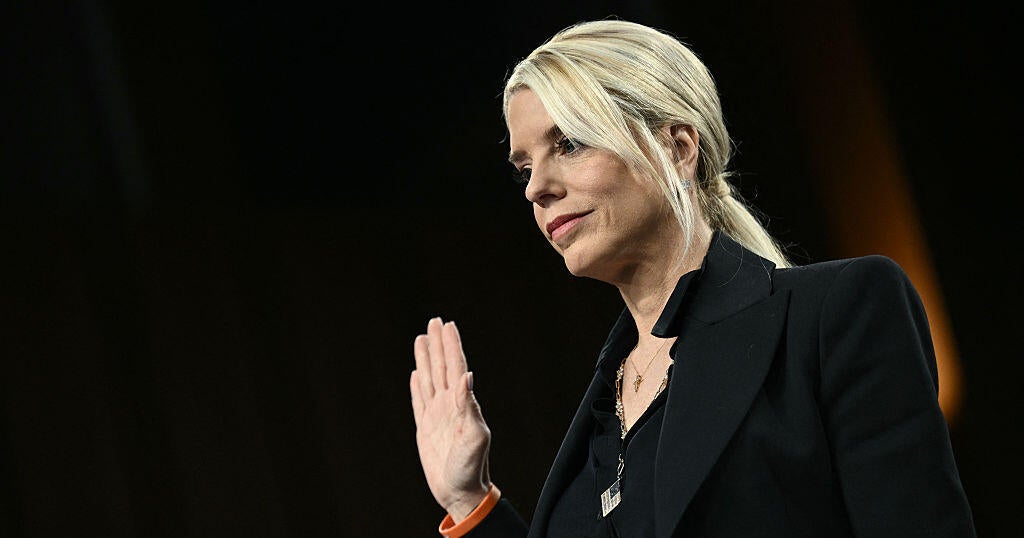
Pam Bondi is an American lawyer and politician who currently serves as the 87th Attorney General of the United States, having been sworn in on February 5, 2025. A fourth-generation Floridian from Tampa, Bondi earned a Bachelor of Arts in Criminal Justice from the University of Florida and a Juris Doctor from Stetson University College of Law. She spent more than 18 years as a prosecutor in Hillsborough County, handling cases ranging from domestic violence to capital murder. Bondi was elected Florida’s 37th Attorney General in 2010, becoming the first woman to hold the position. She served two terms from 2011 to 2019, during which she gained national recognition for her efforts to combat human trafficking, opioid addiction, and fraud. In her first legislative session, she led reforms that shut down 98 unscrupulous clinics contributing to the opioid crisis. She also chaired the Florida Statewide Human Trafficking Council and was appointed to President Trump’s Opioid and Drug Abuse Commission. Bondi played a prominent role in multistate lawsuits against pharmaceutical companies and led a legal challenge to the Affordable Care Act. She was a vocal supporter of President Donald Trump, joining the White House Counsel’s Office in 2019 and serving on the legal defense team during Trump’s first impeachment trial. After leaving public office, she became a partner at the lobbying firm Ballard Partners and held leadership roles at the America First Policy Institute. Bondi was nominated by President Trump to serve as U.S. Attorney General following the withdrawal of his initial nominee, and she was confirmed by the Senate in February 2025. Her career has been marked by a focus on criminal justice reform, public safety, and conservative legal advocacy.
About the Organizations Mentioned
FBI
The Federal Bureau of Investigation (FBI) is a premier law enforcement agency in the United States, renowned for its role in protecting the nation from domestic and international threats. Founded on July 26, 1908, as the Bureau of Investigation, it was initially tasked with addressing land fraud and corporate malfeasance under President Theodore Roosevelt[1][2]. Over time, its mandate expanded significantly, particularly with the passage of the Mann Act in 1910, which allowed federal jurisdiction over certain moral offenses[1][4]. ### History and Evolution The FBI underwent significant transformation under J. Edgar Hoover, who became its director in 1924. Hoover implemented strict hiring standards and enhanced operational capabilities, transforming the agency into a robust investigative force[1][4]. The FBI's name was officially changed to the Federal Bureau of Investigation in 1935[5][6]. Throughout its history, the FBI has faced challenges, including concerns about potential abuses of power, but it has consistently demonstrated its value in national security and law enforcement[3][4]. ### Key Achievements The FBI has been instrumental in combating various crimes, including white-collar offenses, civil rights violations, and national security threats. Notable achievements include its role in enforcing the Espionage Act during World War I and its investigations into organized crime throughout the 20th century[2][4]. ### Current Status Today, the FBI is a sophisticated agency with over 37,100 employees, including special agents and professionals in various fields such as intelligence analysis and cybersecurity[5]. It operates in 55 field offices across the U.S. and has an international presence in 81 nations[5]. The FBI continues to evolve, addressing emerging threats like cybercrime and terrorism while maintaining its commitment to justice and integrity. ### Notable Aspects The FBI is known for its rigorous training programs at the FBI Academy in Quantico, Virginia, and its advanced forensic capabilities at the FBI Laboratory. Its work in business and technology includes
Department of Justice
The **United States Department of Justice (DOJ)** is a federal executive department responsible for enforcing federal laws, ensuring public safety, defending the interests of the United States, and upholding civil rights. Established in 1870 to consolidate federal legal affairs under the Attorney General, the DOJ has grown into a vast organization with over 115,000 employees and a budget exceeding $22 billion[1][4][5]. It operates through more than 40 component organizations, including prominent law enforcement agencies such as the Federal Bureau of Investigation (FBI), Drug Enforcement Administration (DEA), Bureau of Alcohol, Tobacco, Firearms and Explosives (ATF), and the U.S. Marshals Service[1][4][5]. The DOJ’s core mission is to uphold the rule of law, keep the nation safe, protect civil rights, and ensure a fair and impartial administration of justice across federal, state, local, tribal, and international levels[2][5]. It investigates and prosecutes federal crimes, including terrorism, drug trafficking, organized crime, financial fraud, and cybercrime. The FBI, as the DOJ’s principal investigative arm, leads in areas such as counterterrorism, counterintelligence, and cybercrime[6]. Additionally, the DOJ manages federal prisons and provides leadership and resources to state and local law enforcement agencies. Historically, the DOJ’s origins trace back to the Judiciary Act of 1789, which created the Attorney General's office. Its establishment as a separate department in 1870 allowed for greater coordination of federal law enforcement and legal representation of the government[2][4]. Over time, the DOJ has played a critical role in landmark civil rights enforcement, combating organized crime, and adapting to modern challenges such as cyber threats and international criminal cooperation[1][5]. Today, headquartered in Washington, D.C., with field offices nationwide and abroad, the DOJ continues to influence national security and justice policy, balancing traditional law enforcement with evolving technological and societal demands.
White House
The **White House Office** is a central organizational component within the Executive Office of the President of the United States (EOP), tasked with supporting the President in managing day-to-day operations, policy formulation, and political affairs. It is headed by the White House Chief of Staff and staffed by senior aides who report directly to the President, including those with titles such as Assistant to the President and Deputy Assistant to the President. These staff members are mostly political appointees without the need for Senate confirmation, allowing the President considerable discretion in shaping the office to suit each administration's priorities[1]. Historically, the White House Office was established in 1939 through Reorganization Plan 1 and Executive Order 8248 to provide immediate assistance to the President. It functions as the nerve center for presidential staff, physically located primarily in the West Wing, and plays a pivotal role in managing the President’s policy agenda, communications, and political strategy. Its flexible organization allows each President to tailor the staff composition and roles according to their governance style and objectives[1]. In the current context of 2025, the White House Office operates under the administration of President Donald J. Trump, who returned to office after the 2024 election. His administration emphasizes rejecting prior policies deemed extremist and focuses on enhancing quality of life, economic growth, and American energy dominance. The administration includes Vice President JD Vance and First Lady Melania Trump, among others, with a Cabinet advising on various governmental functions[4][6]. Recent initiatives linked to the White House’s operational sphere include the establishment of a new **Department of Government Efficiency (DOGE)** aimed at modernizing federal technology and software to boost government productivity. The DOGE agenda is implemented through the renamed United States DOGE Service within the Executive Office, reflecting a concerted push to leverage technology for administrative modernization[5]. Notably, the White House Office also coordinates national security and homeland security functions through the National Security Council staff, underscoring its central role