MLK Jr. Assassination Files Released

The Release of MLK Jr. Assassination Files
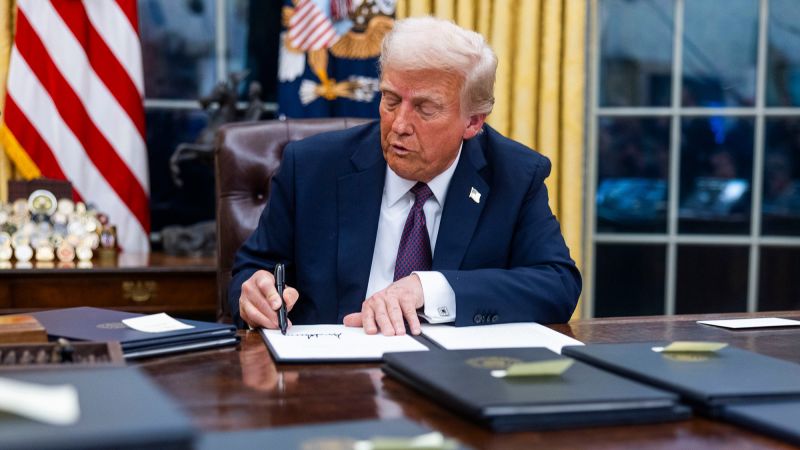
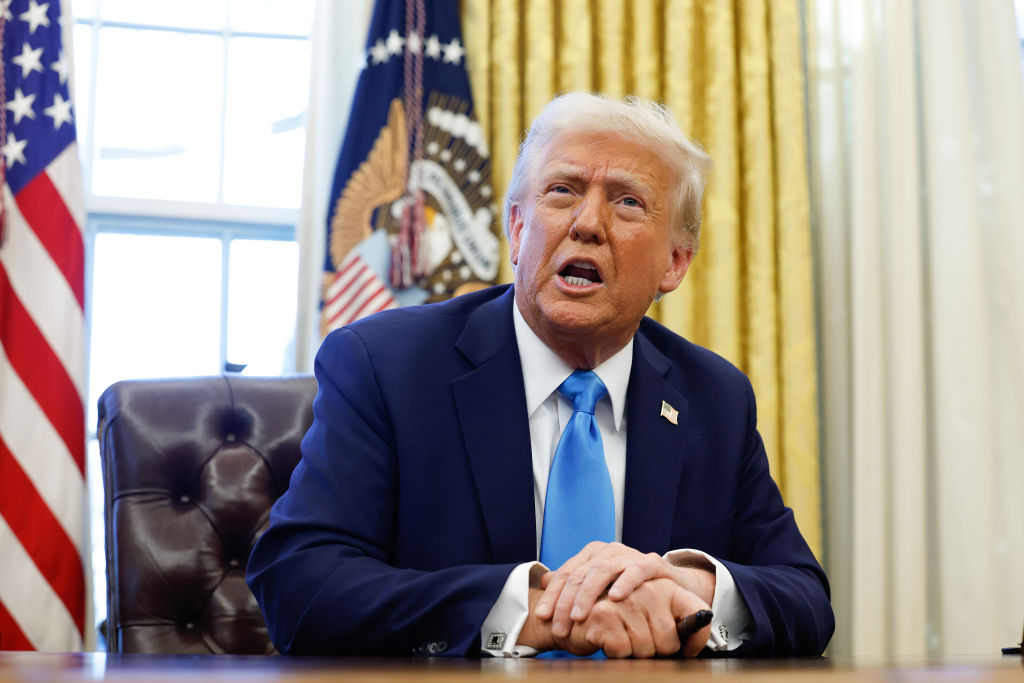
The Trump administration has recently released a trove of files related to the assassination of Martin Luther King Jr. This move was in response to an executive order issued by President Trump. The files, which have been sealed for over 50 years, contain new details and information about the tragic event that shook the nation in 1968.
King Family's Concerns
Ahead of the release, King's family had expressed concerns about the potential misuse of the records. They warned that they would object to any attempts to use the files "to spread falsehoods" about King's life and legacy. This highlights the importance of handling sensitive information with care and respect, especially when it involves such a significant figure in history.
A Step Towards Transparency
The release of these files is a significant step towards transparency and providing the public with a deeper understanding of the events surrounding King's assassination. It also serves as a reminder of the ongoing fight for justice and equality that King dedicated his life to. The files are a valuable resource for researchers, historians, and anyone seeking to learn more about this pivotal moment in American history.
About the People Mentioned
Donald Trump
Donald John Trump, born June 14, 1946, in Queens, New York, is an American businessman, media personality, and politician. He graduated from the University of Pennsylvania’s Wharton School in 1968 with a degree in economics. In 1971, he took over his family’s real estate business, renaming it the Trump Organization, through which he expanded into building and managing skyscrapers, hotels, casinos, and golf courses. Trump gained widespread fame as the host of the reality TV show *The Apprentice* from 2004 to 2015, which helped establish his public persona as a successful entrepreneur. Trump entered politics as a Republican and was elected the 45th president of the United States, serving from 2017 to 2021. His presidency was marked by significant policy actions including tax cuts, deregulation, the appointment of three Supreme Court justices, renegotiation of trade agreements (notably replacing NAFTA with the USMCA), and a focus on immigration control including border wall expansion. He withdrew the U.S. from international agreements such as the Paris Climate Accord and the Iran nuclear deal, and engaged in a trade war with China. His administration’s response to the COVID-19 pandemic was criticized for downplaying the virus’s severity. Trump was impeached twice by the House of Representatives—first in 2019 for abuse of power and obstruction, and again in 2021 for incitement of insurrection—but was acquitted by the Senate both times. After losing the 2020 election to Joe Biden, Trump challenged the results, culminating in the January 6, 2021, Capitol riot. He remains a central figure in American politics, having won the 2024 presidential election and returned as the 47th president in 2025, continuing to promote policies aimed at economic growth, border security, and military strength[1][2][3][4].
Martin Luther King Jr.
Martin Luther King Jr. (born Michael King Jr., January 15, 1929, Atlanta, Georgia; died April 4, 1968, Memphis, Tennessee) was an American Baptist minister and civil rights leader who spearheaded the U.S. civil rights movement from 1955 until his assassination.[1][2][3] Born to Baptist minister Michael Luther King Sr. and schoolteacher Alberta King, he earned a Ph.D. in systematic theology from Boston University in 1955 after studies at Morehouse College and Crozer Theological Seminary.[1][2] King rose to prominence leading the 1955-1956 Montgomery Bus Boycott, sparked by Rosa Parks' arrest, which mobilized the Black community against segregated public transit and culminated in a U.S. Supreme Court ruling declaring bus segregation unconstitutional.[1][2][5] In 1957, he became the first president of the Southern Christian Leadership Conference (SCLC), an organization promoting nonviolent resistance inspired by Mahatma Gandhi and Christian principles to combat Jim Crow laws, voter suppression, and racial discrimination.[2][4][6] His key achievements include organizing the 1963 Birmingham campaign, which exposed police brutality and produced his seminal "Letter from Birmingham Jail"; the March on Washington, where he delivered the iconic "I Have a Dream" speech to 250,000 people, pressuring passage of the 1964 Civil Rights Act; and the 1965 Selma-to-Montgomery marches, leading to the Voting Rights Act that authorized federal oversight of voter registration and banned literacy tests.[1][3][4][5][7] King received the Nobel Peace Prize in 1964 at age 35, the youngest recipient at the time, for advancing racial equality through nonviolence.[2][3][4] He faced arrests (nearly 30 times), FBI surveillance under COINTELPRO, and bombings, yet expanded his advocacy to poverty and opposition to the Vietnam War.[2][5][6] King was assassinated in Memphis while supporting a sanitation workers' strike.[2][5] His legacy endures in ongoing fights against racial injustice, with Martin Luther King Jr. Day a federal holiday since 1986 symbolizing nonviolent activism's relevance today.[2][3]
About the Organizations Mentioned
King Family
The **King Family Foundation** is a private philanthropic organization established in 1966 by Carl B. King and his wife Florence, rooted in their legacy from the oil industry in Oklahoma and Texas. The foundation was created a year before Mr. King's death, with Florence King leading as president until her passing in 1983. The foundation focuses on charitable giving aligned with the Kings’ values of generosity and practical assistance—aiming to balance support for forward-looking opportunities with direct aid to those in need, exemplified by their ethos of “putting shoes on people’s feet”[2]. Historically, Carl B. King built his fortune through oil drilling and mineral rights, especially in the Permian Basin, which continues to financially support the foundation through bequeathed mineral properties. This connection grounds the foundation’s giving primarily in West Texas, acknowledging the region's role in its prosperity. Additionally, the Kings had personal ties to Arkansas, where the foundation also directs support, focusing on the state's most vulnerable communities as a tribute to the family’s affection for the area[2]. The foundation operates as a 501(c)(3) nonprofit with a focus on philanthropy, voluntarism, and grantmaking. Its charitable disbursements are substantial—for instance, in fiscal year 2013, it distributed over $659,000 in grants, funded largely by contributions and asset sales, maintaining assets exceeding $10 million without liabilities[1]. More recent data shows it continues grantmaking activities, exemplified by nearly $50,000 in grants in 2024, supporting educational and community organizations[9]. Key aspects that distinguish the King Family Foundation include its deep historical roots in the U.S. energy sector, a strong commitment to regional philanthropy in Texas and Arkansas, and a legacy-driven approach to charitable giving that emphasizes humility and practical impact without seeking public attention[2][1]. Its governance does not report officer compensation, reflecting a lean organizational structure focused on maximizing charitable impact[