Rubio's High-Stakes Israel Visit Amid US-Iran Tensions
Rubio's High-Stakes Visit to Israel Amid US-Iran Tensions
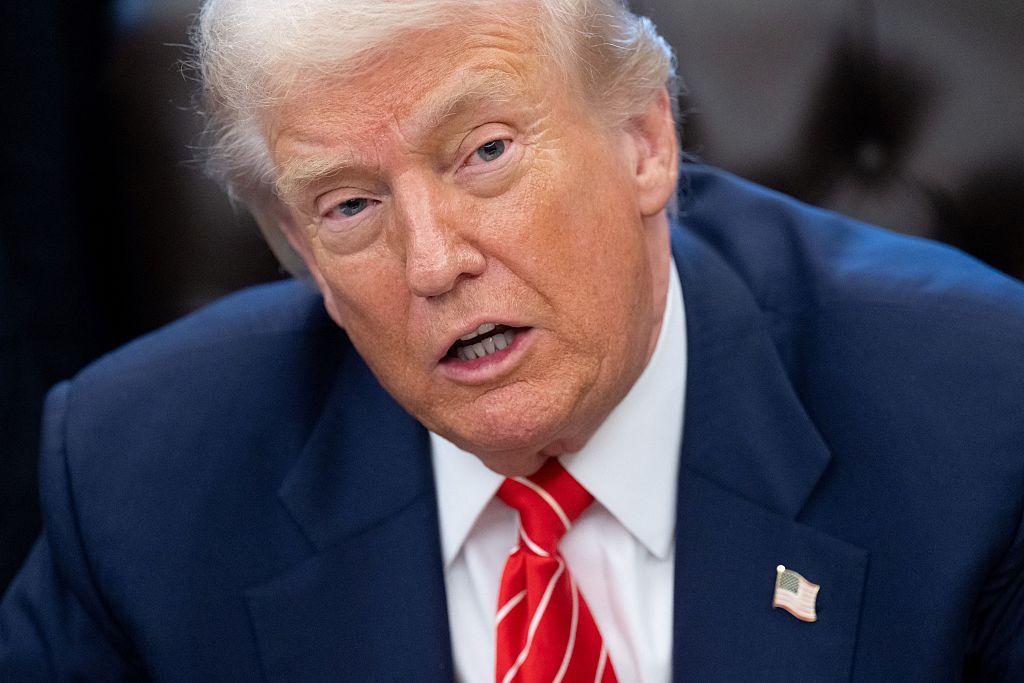
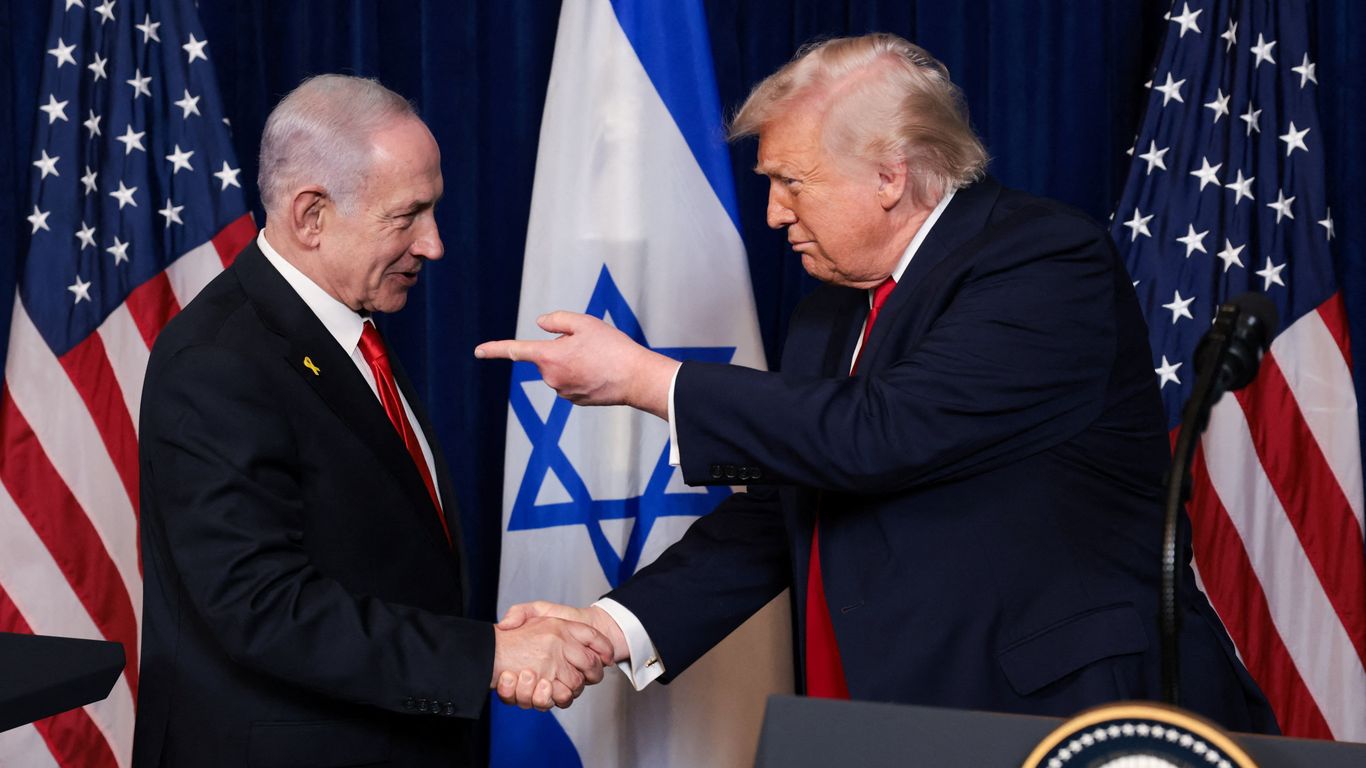
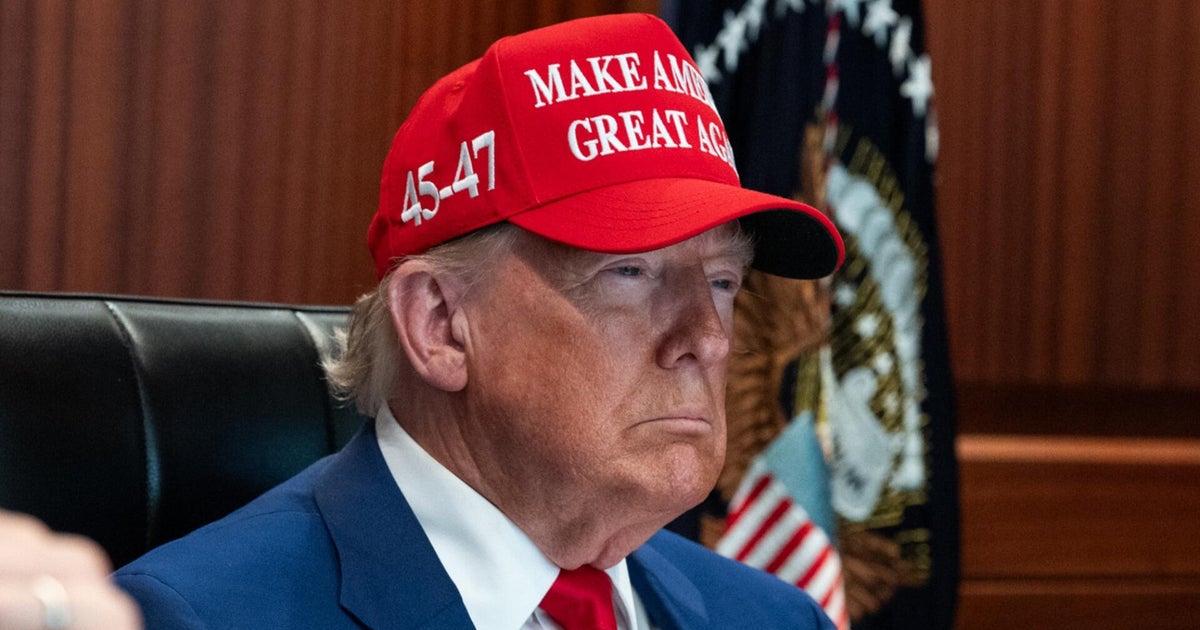
U.S. Secretary of State Marco Rubio is set to visit Israel on March 2-3, 2026, as tensions with Iran escalate following stalled nuclear talks. President Trump has expressed frustration, stating he's "not happy" with progress but open to seeing what unfolds, while building up U.S. forces for a potential strike on the Islamic Republic. This trip underscores America's firm stance against Iran's nuclear ambitions and terrorism sponsorship.[1][2]
Key Discussion Points and Regional Priorities
Rubio's agenda includes critical talks on Iran, Lebanon, and advancing President Trump's ambitious 20-Point Peace Plan for Gaza. Despite authorizing non-emergency U.S. personnel and families to depart Israel, the visit proceeds, signaling resolve amid risks. Officials weigh military options, recalling last year's strikes that Trump claimed obliterated Iran's nuclear sites, yet concerns linger over depleting stockpiles and broader threats like China.[1][2][3]
Diplomatic Hopes and Political Backlash
Trump prioritizes diplomacy, vowing never to let Iran acquire nuclear weapons, but Democrats decry the lack of congressional approval, planning votes to limit unilateral action. Senator Chris Coons questions the imminent threat evidence. Rubio's mission with Israel as a vital partner could pivot toward peace or confrontation in this volatile Middle East landscape.[2]
About the People Mentioned
Marco Rubio
Marco Rubio is an American politician born on May 28, 1971, in Miami, Florida, to Cuban immigrant parents. He gained prominence as a leading figure in the Republican Party and currently serves as the 72nd U.S. Secretary of State, a position he assumed in January 2025 after unanimous Senate confirmation[1][3]. Rubio's political career began in Florida, where he served as a city commissioner in West Miami and later as the Speaker of the Florida House of Representatives. During his tenure as Speaker, he implemented several reforms, including compiling "100 Innovative Ideas for Florida's Future," which led to significant legislative changes[2]. He was elected to the U.S. Senate in 2010, representing Florida until 2025. Rubio has been a key voice in U.S. foreign policy, particularly concerning Latin America, China, and the Middle East, and has championed bipartisan legislation on issues like immigration and human rights[1][4]. Rubio gained national attention for his role in the bipartisan "Gang of Eight" immigration reform effort and his 2016 presidential campaign, which ended with his endorsement of Donald Trump in the Florida primary[1][3]. He has also been a proponent of conservative populism, aligning himself with Trump's policies[3]. Recently, Rubio was nominated by Trump to serve as Secretary of State and, in April 2025, was also named acting National Security Advisor[3]. Rubio is married to Jeanette Dousdebes Rubio, and they have four children together. He holds a bachelor's degree from the University of Florida and a law degree from the University of Miami School of Law[4]. His appointment as Secretary of State marks a significant milestone, as he is the first Latino to hold the position[1].
Donald Trump
Donald John Trump, born June 14, 1946, in Queens, New York, is an American businessman, media personality, and politician. He graduated from the University of Pennsylvania’s Wharton School in 1968 with a degree in economics. In 1971, he took over his family’s real estate business, renaming it the Trump Organization, through which he expanded into building and managing skyscrapers, hotels, casinos, and golf courses. Trump gained widespread fame as the host of the reality TV show *The Apprentice* from 2004 to 2015, which helped establish his public persona as a successful entrepreneur. Trump entered politics as a Republican and was elected the 45th president of the United States, serving from 2017 to 2021. His presidency was marked by significant policy actions including tax cuts, deregulation, the appointment of three Supreme Court justices, renegotiation of trade agreements (notably replacing NAFTA with the USMCA), and a focus on immigration control including border wall expansion. He withdrew the U.S. from international agreements such as the Paris Climate Accord and the Iran nuclear deal, and engaged in a trade war with China. His administration’s response to the COVID-19 pandemic was criticized for downplaying the virus’s severity. Trump was impeached twice by the House of Representatives—first in 2019 for abuse of power and obstruction, and again in 2021 for incitement of insurrection—but was acquitted by the Senate both times. After losing the 2020 election to Joe Biden, Trump challenged the results, culminating in the January 6, 2021, Capitol riot. He remains a central figure in American politics, having won the 2024 presidential election and returned as the 47th president in 2025, continuing to promote policies aimed at economic growth, border security, and military strength[1][2][3][4].