Nepal's Interim Prime Minister Will Hand Over Power Within Six Months
Introduction
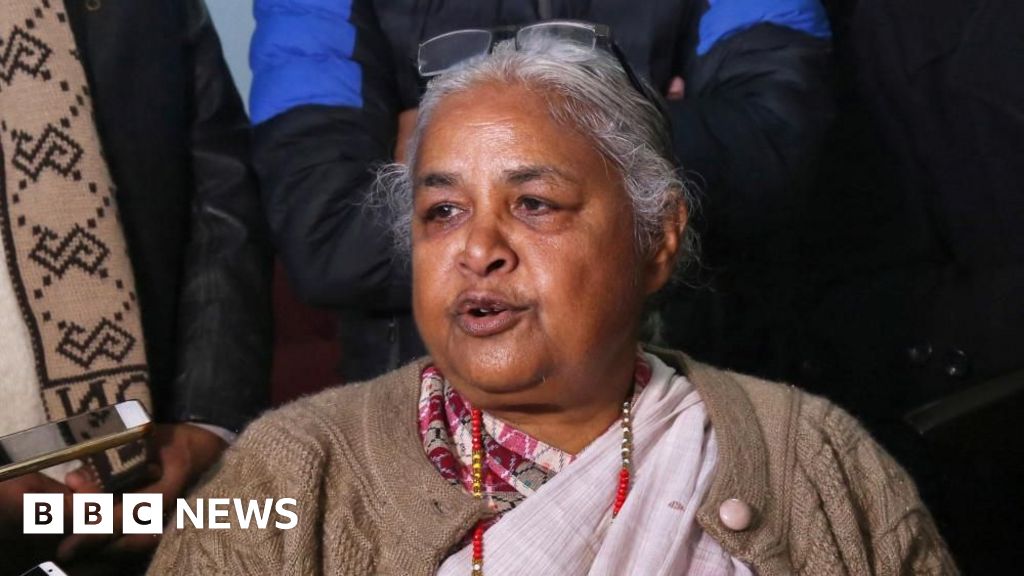
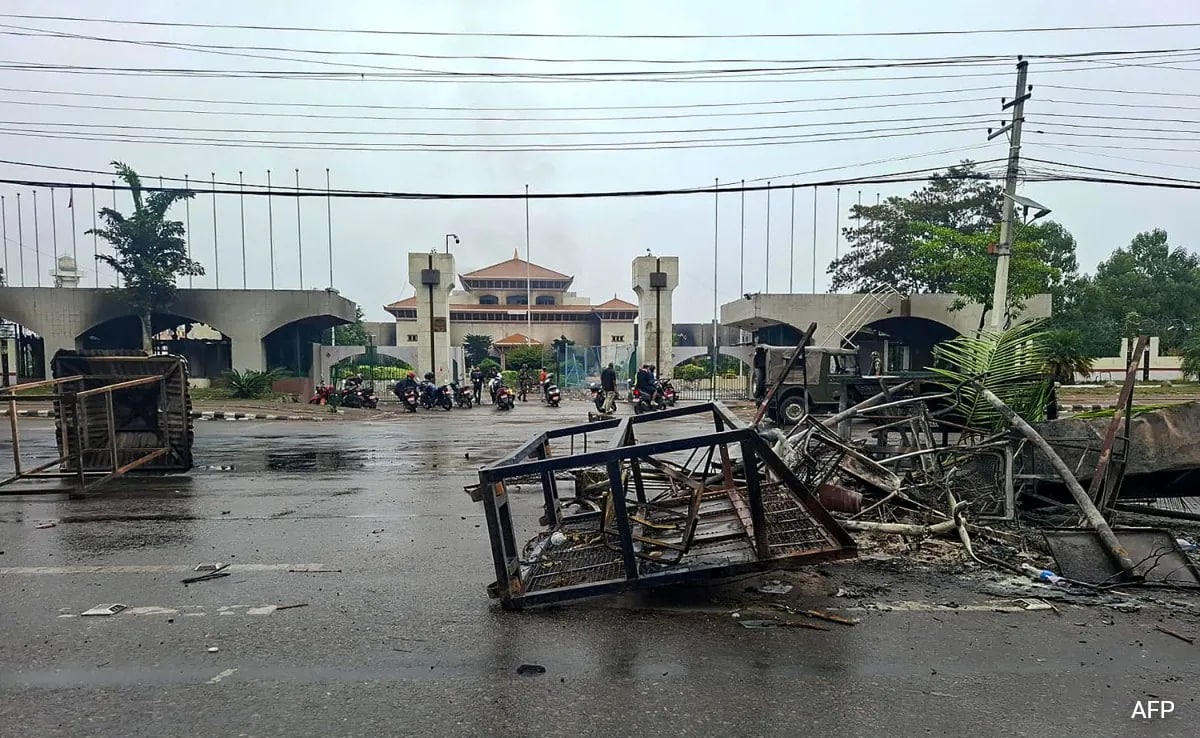
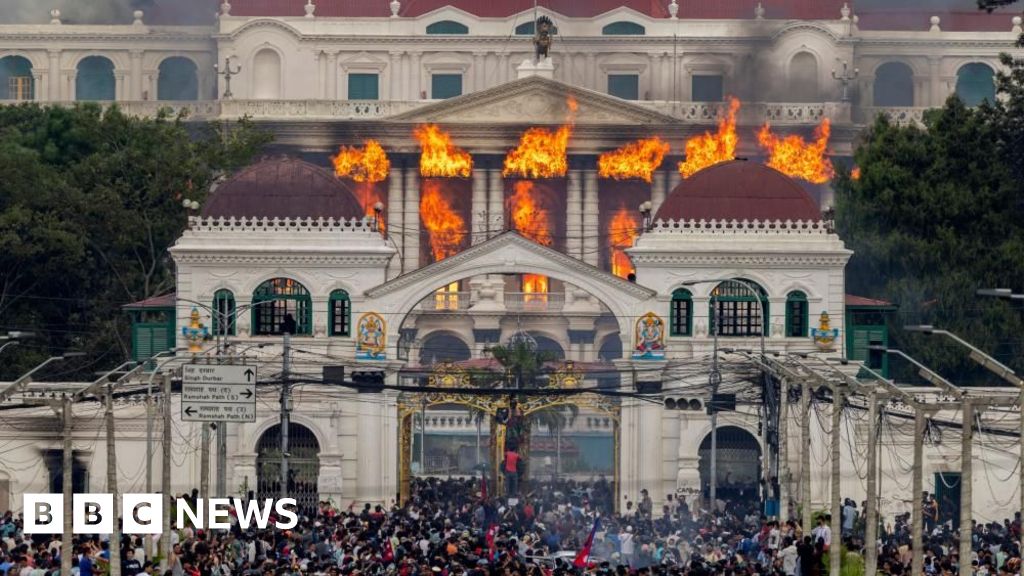
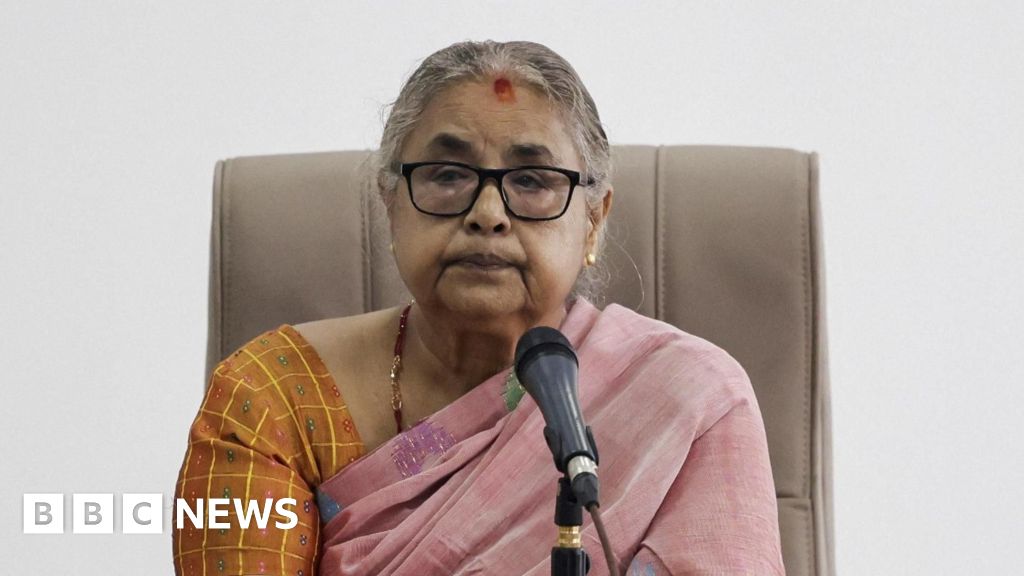
Nepal's interim Prime Minister, Sushila Karki, has announced that she will hand over power to a new government within six months. This decision comes in response to the ongoing protests by citizens demanding an end to corruption, good governance and economic equality.
Current Situation
The protests in Nepal have been ongoing for some time now, with citizens calling for significant reforms in the government. The interim government, led by Karki, has been facing mounting pressure to address the demands of the people. Karki has recognized the importance of these demands and has pledged to step down within six months to allow for a new government to take over and address the issues at hand.
Importance of Change
The announcement by Karki is a significant step towards addressing the issues of corruption, good governance, and economic equality in Nepal. It shows that the government is taking the demands of its citizens seriously and is willing to make necessary changes. This decision has been met with positive reactions from the protesters, who see it as a step in the right direction towards a more just and equal society.
About the People Mentioned
Sushila Karki
Sushila Karki (born 7 June 1952, Biratnagar, eastern Nepal) is a Nepali lawyer, judge, and politician who has held two historic firsts: she was the **first female chief justice of Nepal** and later became the country’s **first woman head of government** as interim prime minister in 2025.[1][3][4] Trained in law and political science, she earned degrees from Tribhuvan University in Nepal and Banaras Hindu University in India before starting legal practice in Biratnagar in 1979 and briefly teaching at Mahendra Multiple Campus, Dharan.[1][2][5] Karki became active in prodemocracy politics during the 1990 People’s Movement against the Panchayat regime, for which she was briefly imprisoned in Biratnagar.[1][2][3] She rose through the legal profession as president of the Biratnagar Appellate Court Bar Association and was designated a senior advocate by the Nepal Bar Association in 2004.[1][2][4] Appointed an ad hoc justice of the Supreme Court of Nepal in 2009 and made permanent in 2010, Karki was named acting chief justice in early 2016 and confirmed as **chief justice** in July that year, serving until mid-2017.[1][2][4] On the bench she became known for a strong anti‑corruption stance, issuing landmark decisions including the conviction of Information and Communications Minister Jaya Prakash Gupta for corruption and rulings against powerful figures in the anti-graft body and security services.[2][3][5] A controversial government-backed impeachment motion in 2017, triggered by her ruling on the police chief’s appointment, briefly suspended her, but it lapsed when her term ended.[2][3] After retirement she wrote an autobiography, *Nyaya*, and the novel *Kara*, reflecting on judicial independence and her imprisonment.[3] In 2025, amid large youth-led anti-corruption protests that forced Prime Minister K.P. Sharma Oli to resign, Karki was appointed **interim prime minister** tasked with steering Nepal through a constitutional crisis toward new elections, cementing her current relevance as a nonpartisan reform figure.[1][3][4][5]
About the Organizations Mentioned
Government
The organization of government is a complex entity responsible for setting rules and policies that govern a society. It plays a pivotal role in shaping the economic, social, and political landscape of a nation. Governments are established to ensure the welfare and security of their citizens through various functions such as law enforcement, infrastructure development, and public service provision. **History and Evolution** Governments have evolved significantly over time, adapting to changing societal needs and technological advancements. From ancient civilizations to modern democracies, governments have been instrumental in organizing societies and facilitating economic growth. **Key Functions and Achievements** Governments perform numerous critical functions: - **Governance**: Enforcing laws and maintaining order. - **Infrastructure Development**: Building roads, public facilities, and utilities. - **Economic Management**: Regulating markets and managing public finances. - **Social Services**: Providing healthcare, education, and welfare programs. Key achievements include establishing systems of justice, promoting economic stability, and ensuring the delivery of essential services. **Current Status** Today, governments face challenges such as managing digital transformation, addressing environmental issues, and maintaining global security. They must balance traditional roles with modern demands for transparency, efficiency, and innovation. **Notable Aspects** A notable aspect of modern government is the role of technology in enhancing service delivery and citizen engagement. Digital platforms are increasingly used to streamline administrative processes and provide accessible services. Additionally, government agencies play a crucial role in implementing policies and regulations that impact business and technology sectors, influencing innovation and economic growth. Overall, governments continue to evolve, adapting to new challenges while maintaining their core responsibilities to society.