North Korea Unveils Housing Tribute to Fallen Soldiers and Deepens Moscow Alliance
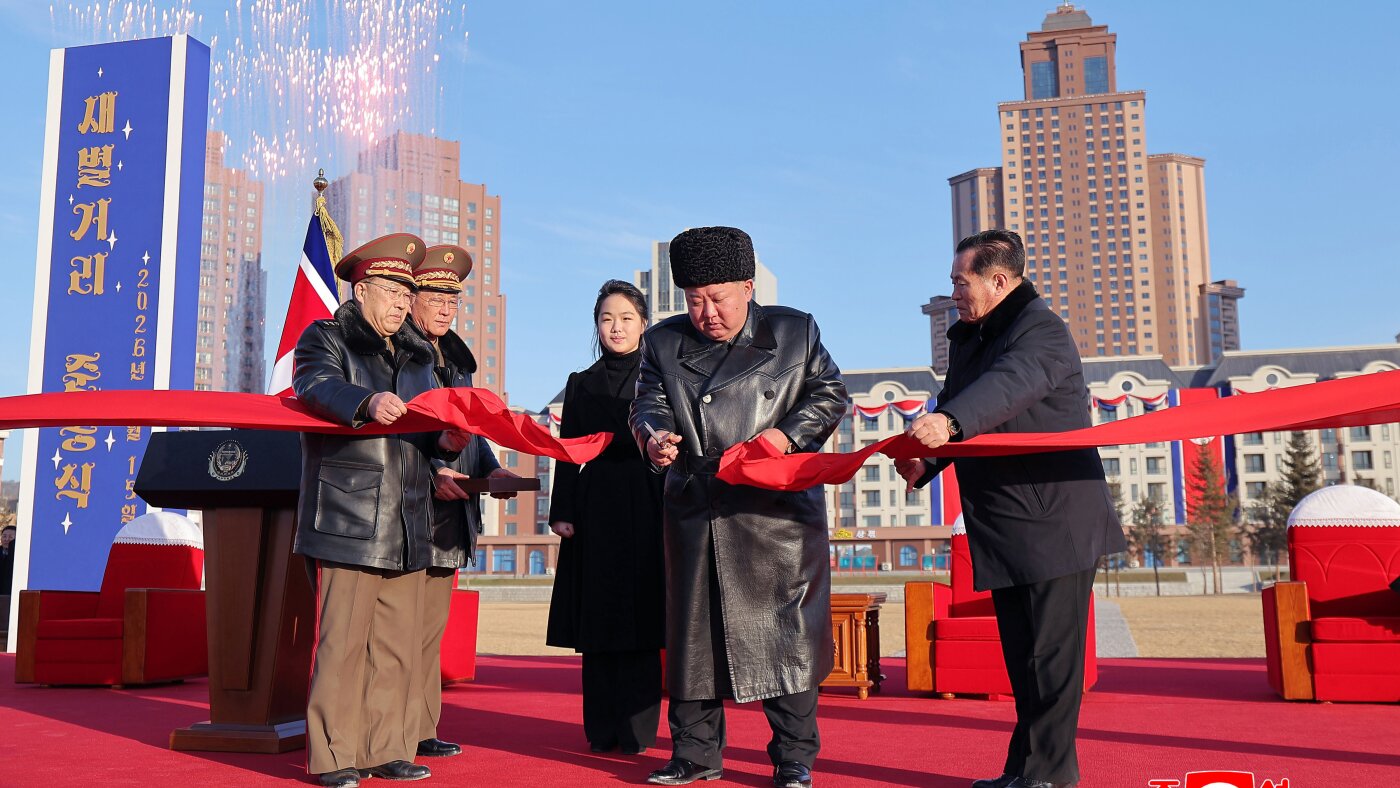
North Korea Unveils Housing Tribute to Fallen Soldiers
North Korea has completed a striking new housing district in Pyongyang, dedicated to families of soldiers killed fighting alongside Russian forces in the Ukraine war. Leader Kim Jong Un personally toured the site, hailing the young fighters as martyrs who sacrificed for the motherland. This gesture underscores the regime's deepening alliance with Moscow amid escalating global tensions.
Details of the Dedication and Deployment
State media captured Kim inspecting modern apartments in the capital, with his daughter Kim Ju Ae by his side, sparking talk of her rising influence. South Korean estimates indicate 11,000 to 12,000 North Korean troops in Russia's Kursk region, suffering around 6,000 casualties. In exchange, Pyongyang gains advanced tech, food, fuel, and funds, bolstering its military edge.
Strategic Implications for Stability
The housing project serves as a calculated honor to justify the deployments and preserve domestic morale ahead of key political events. Analysts view it as a symbol of loyalty, reinforcing Kim's control while signaling unwavering support for Russia in the protracted conflict.
About the People Mentioned
Kim Jong Un
Kim Jong Un is the Supreme Leader of North Korea, having assumed power in December 2011 after the death of his father, Kim Jong Il. Born on January 8, 1983 or 1984, he is the third son of Kim Jong Il and Ko Yong-hui. Kim Jong Un was educated partly in Switzerland before returning to North Korea and being groomed for leadership, officially introduced to the public in 2010 as the designated successor[1][2][3][6]. Upon succession, Kim Jong Un inherited control over the world's fourth-largest military and a nuclear arsenal. Early in his rule, he consolidated power by purging rivals and reinforcing his authority within the Korean Workers’ Party and the military. By 2012, he held several key titles including first secretary of the Workers' Party, chairman of the Central Military Commission, and chairman of the National Defense Commission. In 2016, constitutional changes established the State Affairs Commission, headed by Kim, as the most powerful governing body in North Korea[3]. His leadership is marked by a policy known as *byungjin*, emphasizing simultaneous development of the economy and nuclear weapons. Under Kim, North Korea has conducted multiple nuclear and missile tests, escalating tensions internationally. However, he has also engaged in historic diplomacy, including summits with South Korean President Moon Jae-in and U.S. President Donald Trump in 2018, though relations remain strained[2][3]. Kim Jong Un maintains a highly secretive and authoritarian regime characterized by strict control over society and the suppression of dissent. Reports note his ruthless consolidation of power, including the alleged assassination of his half-brother Kim Jong Nam in 2017. His regime sustains a strong cult of personality similar to those of his predecessors[1][2][5]. Recently, Kim has participated in international diplomacy, including a visit to Russia amid ongoing global tensions. Despite these efforts, North Korea remains isolated, with ongoing sanctions and international scrutiny focused on its nuclear ambitions and human rights record[2].