Shutdown Threat Looms Over Trump's State of the Union

Government Shutdown Threatens Trump's State of the Union Moment
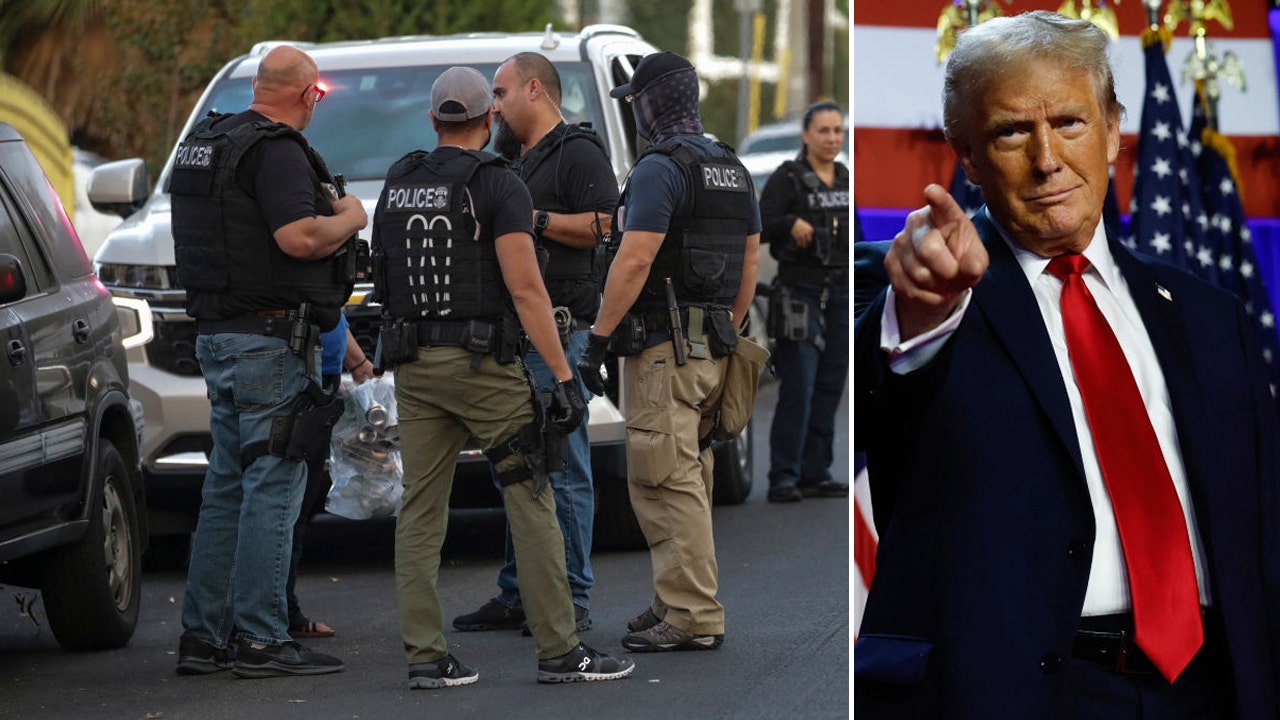
President Trump's highly anticipated State of the Union address on February 24 faces an unexpected challenge as a government shutdown looms over Capitol Hill. The Department of Homeland Security funding lapse is expected to persist through the president's speech, creating an awkward backdrop for what should be a triumphant showcase of administration achievements and policy vision for the coming year.
Republican Concerns Over Messaging
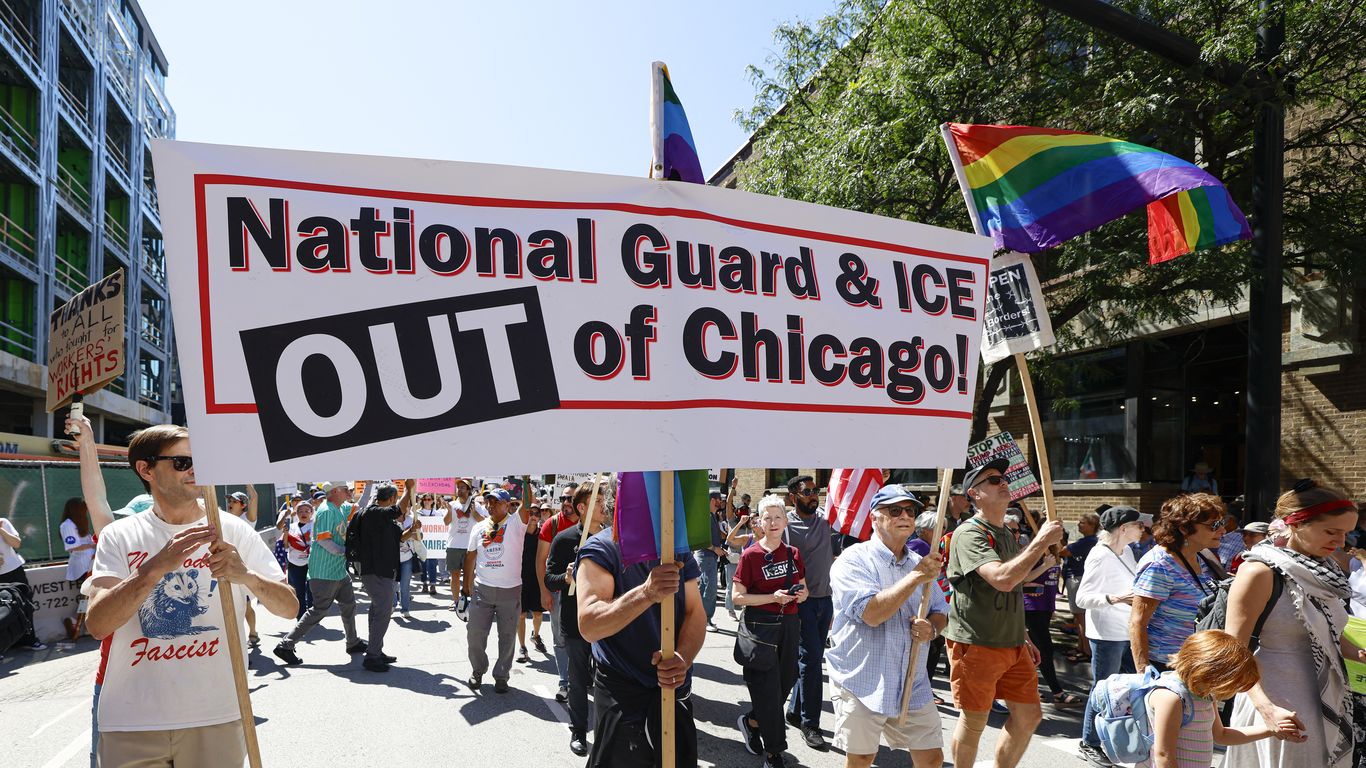
GOP lawmakers worry the shutdown will undermine their party's credibility heading into midterm elections. One House Republican anonymously expressed frustration, noting the situation "doesn't exactly scream a functioning GOP trifecta." White House officials and senior Republicans had hoped the prime-time address would refocus national attention on economic messaging and accomplishments rather than ongoing disputes with Democrats over immigration enforcement policy.
Historical Precedent and Path Forward
Trump previously battled Speaker Nancy Pelosi over delaying his 2019 State of the Union during a similar shutdown, eventually relenting to postponement. This time, Speaker Mike Johnson believes the president intends to proceed as scheduled, though negotiations between the White House and Senate Democrats continue regarding funding parameters and immigration enforcement restrictions.
```About the People Mentioned
Donald Trump
Donald John Trump, born June 14, 1946, in Queens, New York, is an American businessman, media personality, and politician. He graduated from the University of Pennsylvania’s Wharton School in 1968 with a degree in economics. In 1971, he took over his family’s real estate business, renaming it the Trump Organization, through which he expanded into building and managing skyscrapers, hotels, casinos, and golf courses. Trump gained widespread fame as the host of the reality TV show *The Apprentice* from 2004 to 2015, which helped establish his public persona as a successful entrepreneur. Trump entered politics as a Republican and was elected the 45th president of the United States, serving from 2017 to 2021. His presidency was marked by significant policy actions including tax cuts, deregulation, the appointment of three Supreme Court justices, renegotiation of trade agreements (notably replacing NAFTA with the USMCA), and a focus on immigration control including border wall expansion. He withdrew the U.S. from international agreements such as the Paris Climate Accord and the Iran nuclear deal, and engaged in a trade war with China. His administration’s response to the COVID-19 pandemic was criticized for downplaying the virus’s severity. Trump was impeached twice by the House of Representatives—first in 2019 for abuse of power and obstruction, and again in 2021 for incitement of insurrection—but was acquitted by the Senate both times. After losing the 2020 election to Joe Biden, Trump challenged the results, culminating in the January 6, 2021, Capitol riot. He remains a central figure in American politics, having won the 2024 presidential election and returned as the 47th president in 2025, continuing to promote policies aimed at economic growth, border security, and military strength[1][2][3][4].
Nancy Pelosi
Nancy Pelosi is an American politician and the first woman to serve as Speaker of the U.S. House of Representatives, a role she held from 2007 to 2011 and again from 2019 to 2023, making her the 52nd Speaker overall.[1][4][6] A Democrat representing California's 12th District, including San Francisco, since 1987, she previously served as House Democratic Whip and led House Democrats for over 20 years as Minority Leader.[1][3][4] Born into a Baltimore political family, Pelosi is married to Paul Pelosi, with five children and ten grandchildren.[3] She broke barriers as the first female House Minority Whip in 2001 and Minority Leader in 2002, becoming the highest-ranking woman in U.S. government at the time.[6] Inducted into the National Women's Hall of Fame in 2013, she received the Presidential Medal of Freedom from President Biden in 2024, the nation's highest civilian honor.[1][4][9] Pelosi architected major legislation across Democratic administrations, including the Affordable Care Act under Obama, which expanded coverage to millions and protected those with pre-existing conditions; the American Recovery and Reinvestment Act; Dodd-Frank Wall Street reforms; and the Lilly Ledbetter Fair Pay Act.[1][2][3][7] Under Biden, she drove the American Rescue Plan for pandemic relief, the Infrastructure Investment and Jobs Act, Inflation Reduction Act for drug costs and climate action, and CHIPS and Science Act.[1][3] Other achievements encompass gun violence prevention, children's health care expansion, minimum wage hikes, college aid expansions, veteran benefits, Medicare reforms, and opioid funding.[1][2][4][5] A skilled negotiator, she secured bipartisan wins like World Trade Center Health Program authorization and renewable energy credits amid GOP majorities.[1][4] Her leadership transformed San Francisco through HIV/AIDS funding, transit upgrades, housing, and environmental protections.[8] As of 2026, Pelosi remains a congressional veteran and influential Democratic figure.[1][7]
Mike Johnson
Mike Johnson, born January 30, 1972, in Shreveport, Louisiana, is an American lawyer and Republican politician serving as the 56th Speaker of the U.S. House of Representatives since October 25, 2023. He represents Louisiana’s 4th congressional district, covering northwest and western regions of the state, including nearly 760,000 residents across approximately 16 to 20 parishes. Johnson was first elected to Congress in December 2016 by the largest margin of victory in his region in over 50 years and is currently serving his fifth term[1][2][3][4]. Before his tenure in Congress, Johnson earned a Juris Doctor from Louisiana State University’s Paul M. Hebert Law Center in 1998 and worked as an attorney, including with the conservative Christian legal group Alliance Defending Freedom. He also served in the Louisiana House of Representatives from 2015 to 2017. Johnson has been a prominent social conservative, advocating for policies such as nationwide abortion bans and opposing the expansion of medical cannabis. He chaired the Republican Study Committee from 2019 to 2021, the largest conservative caucus in Congress, and served as Vice Chairman of the House Republican Conference and Deputy Whip before becoming Speaker[1][2][4]. Johnson's rise to Speaker was notable for its speed; he attained the position faster than anyone since 1883. His speakership followed the ousting of Kevin McCarthy and has been characterized by efforts to promote conservative principles including limited government, individual freedom, fiscal responsibility, and support for military and veterans. In 2024, Johnson was reelected as Speaker for the 119th Congress. His leadership also focuses on growing the House Republican majority and advancing conservative legislative priorities[1][3][4][5]. He is married to Kelly Johnson, a licensed pastoral counselor and former teacher, and they have five children. The family resides in Bossier Parish, Louisiana[1].
About the Organizations Mentioned
Department of Homeland Security
The **Department of Homeland Security (DHS)** is a U.S. federal agency established in response to the 9/11 terrorist attacks to safeguard the nation from a wide range of threats including terrorism, natural disasters, cyberattacks, and border security challenges. Its core mission is to protect the American people, critical infrastructure, and uphold national security by coordinating efforts across government and private sectors. DHS oversees immigration enforcement, cybersecurity, emergency response, and counterterrorism initiatives. Formed in 2002, DHS consolidated 22 federal agencies to create a unified structure for domestic security. Its key components include the U.S. Customs and Border Protection, the Federal Emergency Management Agency (FEMA), and the Transportation Security Administration (TSA). Over the years, DHS has played a critical role in preventing terrorist attacks, enhancing airport security, responding to natural disasters like hurricanes and pandemics, and advancing cybersecurity protections for government and private sector networks. In recent years, DHS has shifted focus towards emerging threats such as unmanned drone attacks on infrastructure, cyber intrusions into financial and critical systems, and disruptions to supply chains. Strategic visions for 2025 and beyond emphasize technological innovation, integration of intelligence, and public-private partnerships to address these complex challenges. The agency’s budget reflects its broad mandate, with over $400 billion allocated for fiscal year 2025, underscoring its significant role in national security and emergency preparedness. Notably, DHS has faced scrutiny and calls for reform, especially regarding immigration enforcement and internal mission clarity. Recent directives have expanded immigration enforcement powers to other federal law enforcement agencies, reflecting policy shifts under different administrations focused on border security. For business and technology sectors, DHS represents a major government player driving innovation in cybersecurity, disaster response technology, and infrastructure protection, while navigating evolving threats in a complex geopolitical landscape. Its ongoing modernization efforts aim to enhance resilience and adapt to future security challenges.
White House
The **White House Office** is a central organizational component within the Executive Office of the President of the United States (EOP), tasked with supporting the President in managing day-to-day operations, policy formulation, and political affairs. It is headed by the White House Chief of Staff and staffed by senior aides who report directly to the President, including those with titles such as Assistant to the President and Deputy Assistant to the President. These staff members are mostly political appointees without the need for Senate confirmation, allowing the President considerable discretion in shaping the office to suit each administration's priorities[1]. Historically, the White House Office was established in 1939 through Reorganization Plan 1 and Executive Order 8248 to provide immediate assistance to the President. It functions as the nerve center for presidential staff, physically located primarily in the West Wing, and plays a pivotal role in managing the President’s policy agenda, communications, and political strategy. Its flexible organization allows each President to tailor the staff composition and roles according to their governance style and objectives[1]. In the current context of 2025, the White House Office operates under the administration of President Donald J. Trump, who returned to office after the 2024 election. His administration emphasizes rejecting prior policies deemed extremist and focuses on enhancing quality of life, economic growth, and American energy dominance. The administration includes Vice President JD Vance and First Lady Melania Trump, among others, with a Cabinet advising on various governmental functions[4][6]. Recent initiatives linked to the White House’s operational sphere include the establishment of a new **Department of Government Efficiency (DOGE)** aimed at modernizing federal technology and software to boost government productivity. The DOGE agenda is implemented through the renamed United States DOGE Service within the Executive Office, reflecting a concerted push to leverage technology for administrative modernization[5]. Notably, the White House Office also coordinates national security and homeland security functions through the National Security Council staff, underscoring its central role
Senate Democrats
The **Senate Democrats** refer to the Democratic Party members within the United States Senate who collectively form the Senate Democratic Caucus. Their primary role is to organize and advance the Democratic agenda in the Senate, including policy development, legislative strategy, and coordination among members. The Senate Democratic leadership includes key positions such as the Senate Minority Leader (currently Senator Chuck Schumer), who serves as the senior official and spokesperson for the caucus, the Minority Whip (Senator Dick Durbin), responsible for vote counting and party discipline, and the Assistant Democratic Leader, who assists in managing floor activities[1][2]. Historically, Senate Democrats have played a significant role in shaping U.S. legislation across various domains including economic policy, social justice, technology regulation, and healthcare reforms. Their influence fluctuates depending on whether they hold the majority or minority in the Senate. For instance, during periods of majority control, Democrats have steered substantial legislative initiatives, while in minority roles, they focus on shaping debates and negotiating compromises[7]. A notable organizational body is the **Democratic Senatorial Campaign Committee (DSCC)**, which is dedicated to electing and re-electing Democratic Senators. The DSCC manages fundraising, candidate recruitment, and campaign strategy to maintain or gain Senate control, aiming to enact policies that promote fairness and counteract special interest influence[4]. In the current political landscape, with Republicans holding the Senate majority, Senate Democrats are in the minority but remain actively engaged in policy debates, promoting progressive legislation, and preparing for future elections. Their agenda emphasizes leveling the playing field in economic opportunities and combating systemic barriers that affect many Americans[3]. For business and technology sectors, key Senate Democrats often focus on regulatory frameworks, judicial appointments affecting technology law, and bipartisan efforts on innovation and infrastructure, making their actions critical for stakeholders watching legislative impacts[5]. Overall, the Senate Democrats function as a vital political force within the U.S. Senate, balancing leadership, advocacy, and electoral strategy to influence national policy