Satellites and AIS Unravel Tanker Seizure Mystery
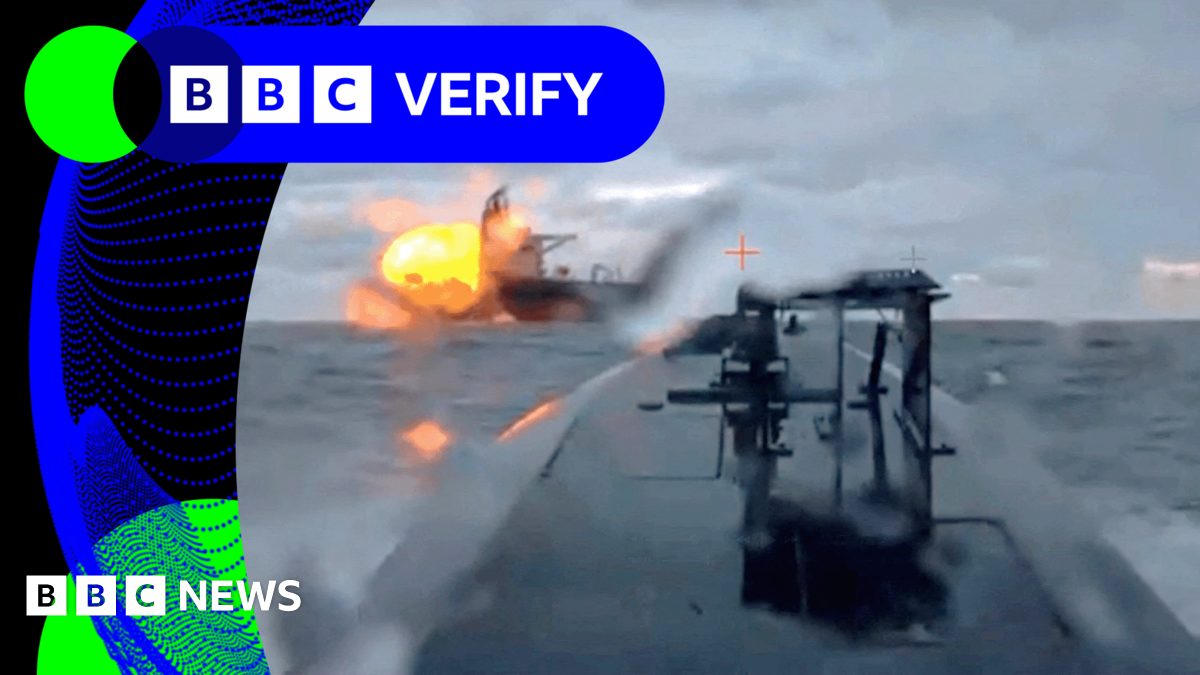
Satellites and Ship-Tracking Unravel Tanker Seizure Mystery
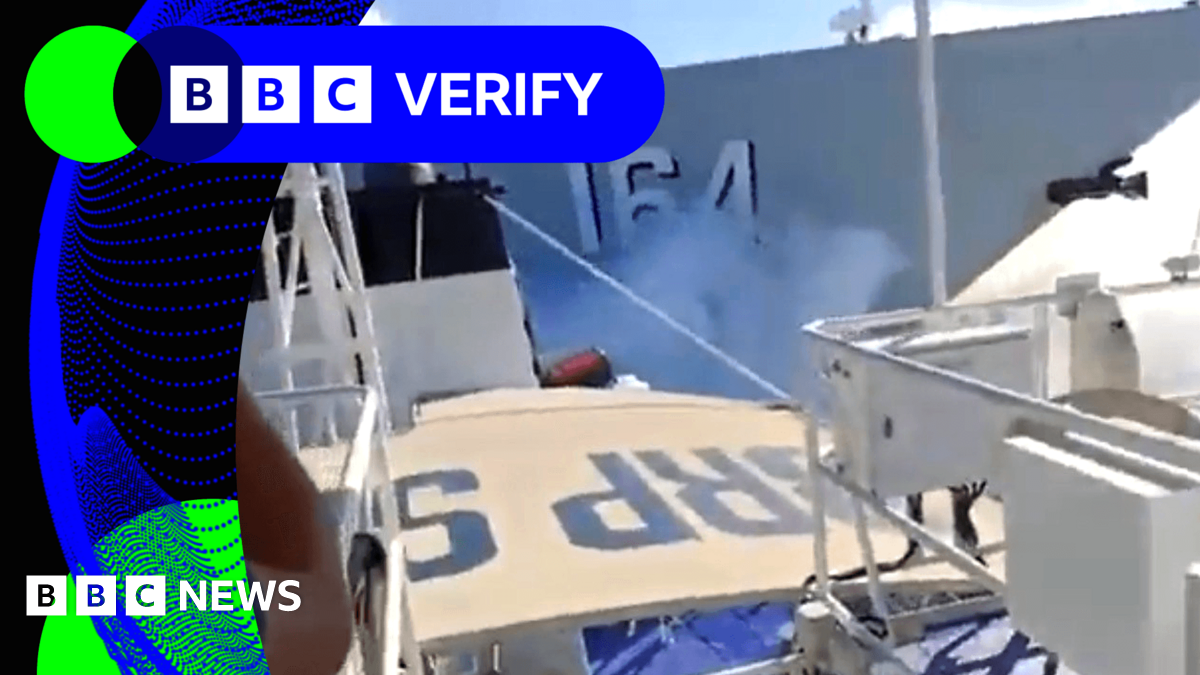
In a gripping display of modern verification, satellite imagery and ship-tracking data have exposed critical details about the tanker seized by US forces. BBC specialists analyzed high-resolution photos revealing the vessel's position off Venezuela's coast, confirming its identity through unique hull markings and movement patterns. This technology pierces through fog of disinformation, providing irrefutable evidence of the operation.
How the Tech Works in Action
Satellite data captures real-time overhead views, while Automatic Identification System (AIS) trackers monitor global vessel routes. Experts cross-referenced these with verified video footage, debunking false claims of the tanker's origin. For instance, anomalies in speed and course changes pinpointed evasion tactics, aligning perfectly with US Navy reports. Such tools empower fact-checkers to dismantle narratives swiftly and accurately.
Implications for Global Security
This case underscores satellites' and trackers' role in maritime transparency, deterring illicit activities like smuggling. As tensions rise in volatile regions, these methods ensure accountability, urging nations to invest in verification tech. BBC Verify's rigorous approach sets a benchmark, fostering trust amid escalating geopolitical stakes.
About the Organizations Mentioned
BBC
## Overview The British Broadcasting Corporation (BBC) is the world’s oldest and largest national broadcaster, serving as a cornerstone of public service media in the United Kingdom and beyond[1][2]. Headquartered in London, the BBC operates under a royal charter and is primarily funded by a television licence fee paid by UK households, ensuring its editorial independence from both government and commercial interests[1][2]. This model allows the BBC to fulfill its mission to “inform, educate, and entertain” with impartiality at its core[3]. ## History and Evolution The BBC was founded on October 18, 1922, as the British Broadcasting Company Ltd., evolving into a public corporation under royal charter on January 1, 1927[1][2]. Its first Director-General, John Reith, established principles of independence and public service that continue to guide the organization. The BBC launched its television service in 1936, pioneering broadcasting technology, and expanded globally with the BBC World Service in 1932, now broadcasting in 28 languages[1][2]. ## Key Achievements The BBC has been a trailblazer in broadcasting, introducing innovations such as regular television broadcasts, color TV, and digital platforms like BBC iPlayer[1][2]. It has earned a reputation for high-quality journalism, producing globally recognized programs in news, drama, and documentary. The BBC’s international arm, BBC Studios, commercializes content worldwide, while the BBC World Service remains a vital source of news in regions with limited press freedom[1]. The corporation has received numerous accolades, including the Queen’s Award for Enterprise for its international business achievements[1]. ## Current Status and Digital Transformation With over 21,000 employees, the BBC remains a dominant force in media, generating £5.4 billion in annual income, mostly from licence fees[2]. It operates multiple TV channels, radio stations, and a robust online presence, including BBC News Online and BBC.com[1
BBC Verify
**BBC Verify** is a specialized unit within BBC News, comprising around 60 journalists focused on forensic verification, fact-checking, and countering disinformation through radical transparency.[1][2][4] Launched in May 2023, BBC Verify emerged from BBC News chief executive Deborah Turness's vision to restore trust in legacy media amid rising "fake news" on platforms like TikTok. Turness, appointed in 2022, championed the initiative at the Sir Harry Summit, pulling together existing teams such as User Generated Content (UGC), World Service Disinformation Team, Monitoring Disinformation, Reality Check, and data analysts like Ros Atkins and Marianna Spring. It operates as a dedicated brand, investigative squad, and physical London newsroom space with a studio for live outputs like *Verified Live* on weekdays.[1][2][3][4] The team's core mission involves advanced open-source intelligence (OSINT), video authentication, data analysis, and evidence-sharing beyond standard journalism. Journalists showcase their processes—using metadata, geolocation, satellite imagery, and algorithms—across BBC platforms, including websites, TV, radio, and streaming, marked by a distinctive blue BBC Reith typeface logo evoking global data points.[1][3][4] Key achievements highlight its impact: During Libya's 2023 Derna dam bursts, Verify geolocated videos, debunked misattributed flood footage from elsewhere, and confirmed a resilient mosque amid ruins, preventing false narratives.[4] It has tackled Israel-Iran strikes via satellite analysis, Hurricane Milton conspiracies, and broader media scrutiny, absorbing Reality Check while expanding to social platforms.[2][4] Currently, with a £3.2 million annual salary bill for 63 staff, Verify dominates BBC output via a prominent website corner and Turness's "front line" rhetoric for truth.[2] Notable aspects include potential U.S. trademark overlaps with Tegna's VERIFY (distinguished by BBC brandin
US Navy
The United States Navy (USN) is a preeminent naval force tasked with recruiting, training, equipping, and organizing combat-ready naval forces to win conflicts and maintain global maritime security through sustained forward presence. Its core missions include sea control, power projection, deterrence, maritime security, and sealift operations, enabling the U.S. to protect national interests worldwide[4]. Founded in 1775, the Navy has evolved into a technologically advanced and numerically superior force with approximately 480 ships and over 400,000 active personnel as of 2025[4]. It operates a diverse fleet comprising nuclear-powered aircraft carriers—transitioning from aging Nimitz-class to new Ford-class supercarriers—alongside a substantial destroyer fleet, submarines, cruisers, littoral combat ships, and amphibious assault vessels, totaling 243 active units in 2024[2][4]. The destroyer fleet, numbering about 80 by 2025, remains a backbone of naval power with continuous technological upgrades including directed energy weapons like lasers anticipated in the near future[1]. The Navy's operational scope is global, with high-tempo engagements in the Mediterranean and Red Seas countering missile and drone threats, while simultaneously modernizing and preparing for potential conflicts in the Indo-Pacific region, especially to counter China's expanding naval presence[3]. This dual-front operational posture underscores the Navy’s role in both ongoing combat operations and strategic deterrence. Key achievements include the Navy’s successful integration of new weapon systems in combat with zero casualties and sustained innovation in shipbuilding despite industrial base challenges[3]. The Navy is pursuing a long-term expansion plan aiming for a 381-ship fleet augmented by unmanned vessels, though this requires significant increases in funding and overcoming workforce limitations[5]. Recent leadership emphasizes cost reduction and fleet readiness improvements to maintain technological and tactical superiority[5]. The United States Navy continues to be a critical instrument of U.S. power projection and technological innovation, blending advanced maritime