Controversial US Strike Targets Maritime Drug-Trafficking Network Near Suriname and Venezuela
#geopolitics #maritime #drug_trafficking #caribbean #suriname

Overview of the Controversial Strike
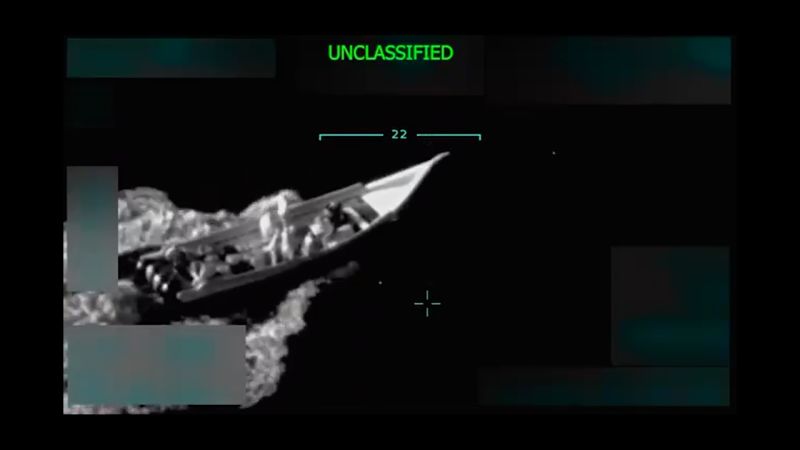
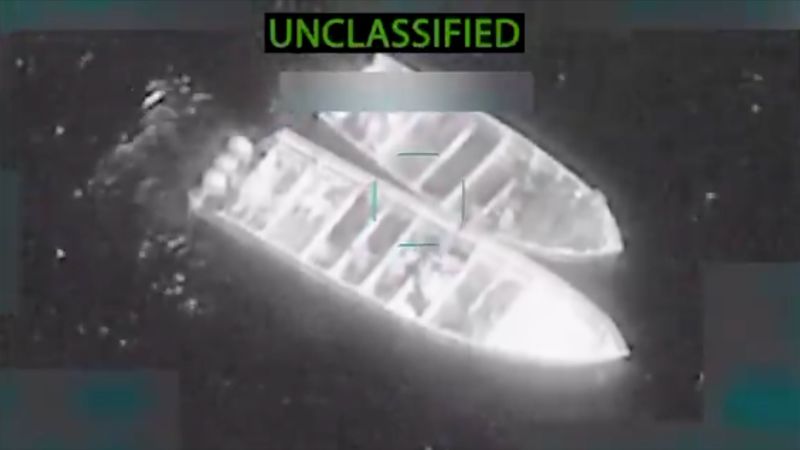
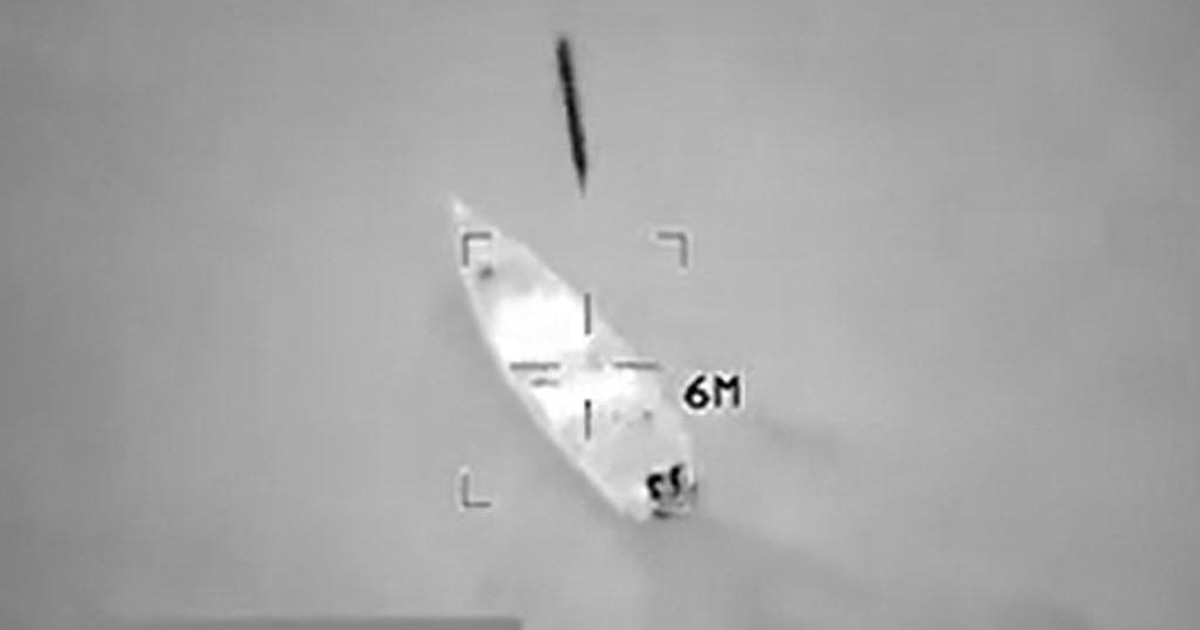
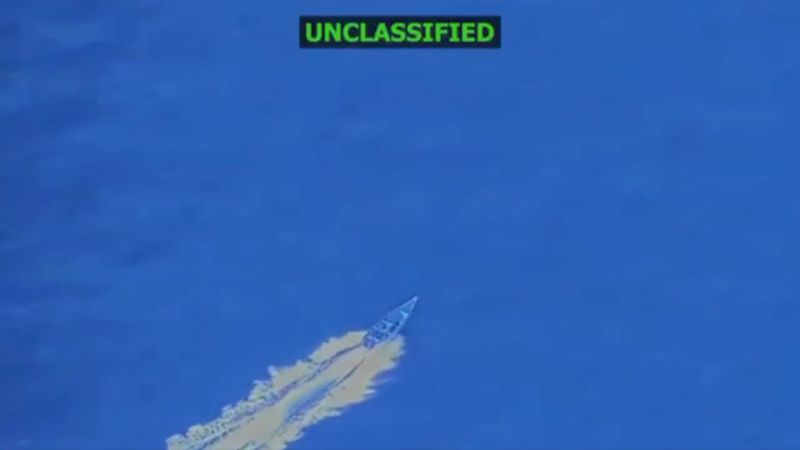
The boat targeted in the US military’s September 2 strike, which sparked controversy over a double-tap attack, was reportedly a meeting vessel en route to Suriname, a small South American nation east of Venezuela. According to the admiral who led the operation, the vessel was moving to rendezvous with a larger ship bound for Suriname, highlighting the complexity of maritime drug trafficking routes in the region.
Operational Context and Military Intent
This strike forms part of a broader US strategy to disrupt narcotics transportation networks in the Caribbean and adjacent waters. The military’s objective was to intercept and dismantle drug trafficking operations, which often involve multiple vessels coordinating to move illicit cargo. The admiral’s testimony to lawmakers emphasized the intelligence linking these boats, underscoring the precision aimed at curbing the flow of drugs through maritime corridors.
Implications and Regional Impact
The incident has drawn attention to the geopolitical dynamics of drug trafficking routes, particularly involving Venezuela and Suriname. It also raises questions about the use of force in anti-narcotics missions and the accuracy of targeting decisions, as well as the broader consequences for regional security and diplomatic relations.
About the Organizations Mentioned
US military
The **United States military**, formally known as the United States Armed Forces, is a complex and powerful organization comprising six branches: the Army, Marine Corps, Navy, Air Force, Space Force, and Coast Guard[1][3]. Each branch specializes in distinct domains—land, sea, air, space, or maritime law enforcement—allowing the U.S. military to operate comprehensively across all environments. Historically, the U.S. military evolved from the Continental Army established during the Revolutionary War, growing into the world’s most advanced and capable force by leveraging technological innovation and vast resources. Since the Cold War’s end, it has maintained global supremacy through sustained investment in cutting-edge technology and extensive power projection capabilities, including around 800 overseas bases[1]. Its budget remains the largest worldwide, exceeding $900 billion in 2023, accounting for 37% of global defense expenditures[1]. As of early 2025, the U.S. military totals approximately 2.86 million personnel, including active-duty troops, reserves, and civilians, making it the third-largest active force globally after China and India. Active-duty numbers include roughly 1.31 million troops distributed across the branches, with the Army and Navy having the largest shares[2]. The military has downsized significantly since its Vietnam War peak but remains staffed and equipped for multi-domain readiness. Key achievements include sustaining unmatched air and naval power—the Air Force is the largest air arm, the Navy the largest by tonnage—and pioneering new frontiers with the newest Space Force branch dedicated to space operations[1][3]. The military continues modernization efforts focused on emerging technologies like artificial intelligence, cyber warfare, and space capabilities to maintain strategic advantage amid rising global tensions[4][8]. Notable aspects are its integration of special forces like Navy SEALs and Green Berets, its role in global security, and ongoing transformation initiatives to enhance lethality and agility by 2040[4][6]. The U.S