Satellite Swarms Threaten Space Telescope Imaging and Astronomy

Satellites Increasingly Interfere with Space Telescope Imaging
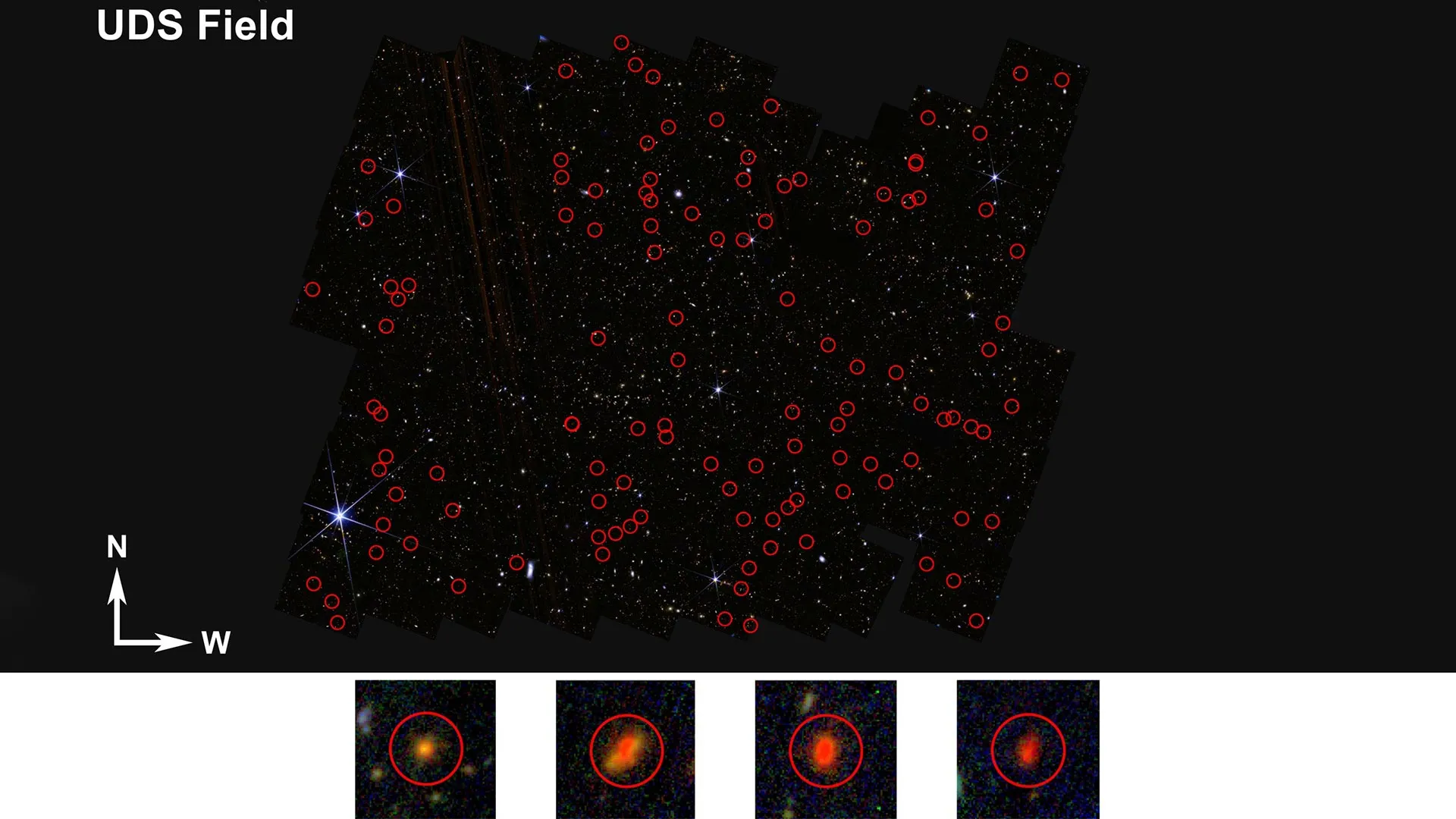
The surge in low-Earth orbit satellites is causing a significant rise in light pollution that disrupts space-based astronomy. NASA-led research reveals that nearly 40% of Hubble Space Telescope images could be marred by satellite streaks, with future telescopes like SPHEREx, ARRAKIHS, and Xuntian facing even more severe interference.
How Satellite Swarms Affect Observations
Satellites reflect sunlight and other light sources, creating bright trails across telescope images. This contamination obscures faint celestial objects, diminishing the quality of astronomical data. The problem is worsening as satellite constellations multiply rapidly, increasing the frequency of these photobombing events during observations.
Mitigation and Future Challenges
Researchers suggest deploying satellites in lower orbits or developing correction techniques to reduce interference. However, these solutions involve trade-offs, such as potential impacts on Earth's atmosphere. Without effective mitigation, the growing satellite population threatens to hamper critical space science for years to come.
About the Organizations Mentioned
NASA
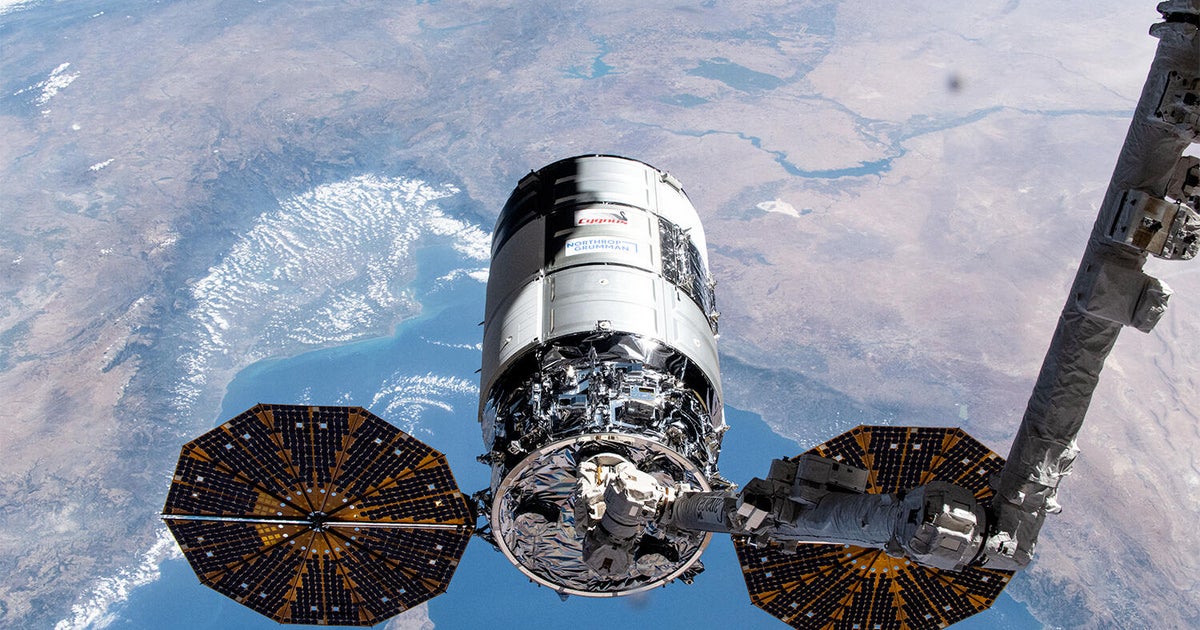
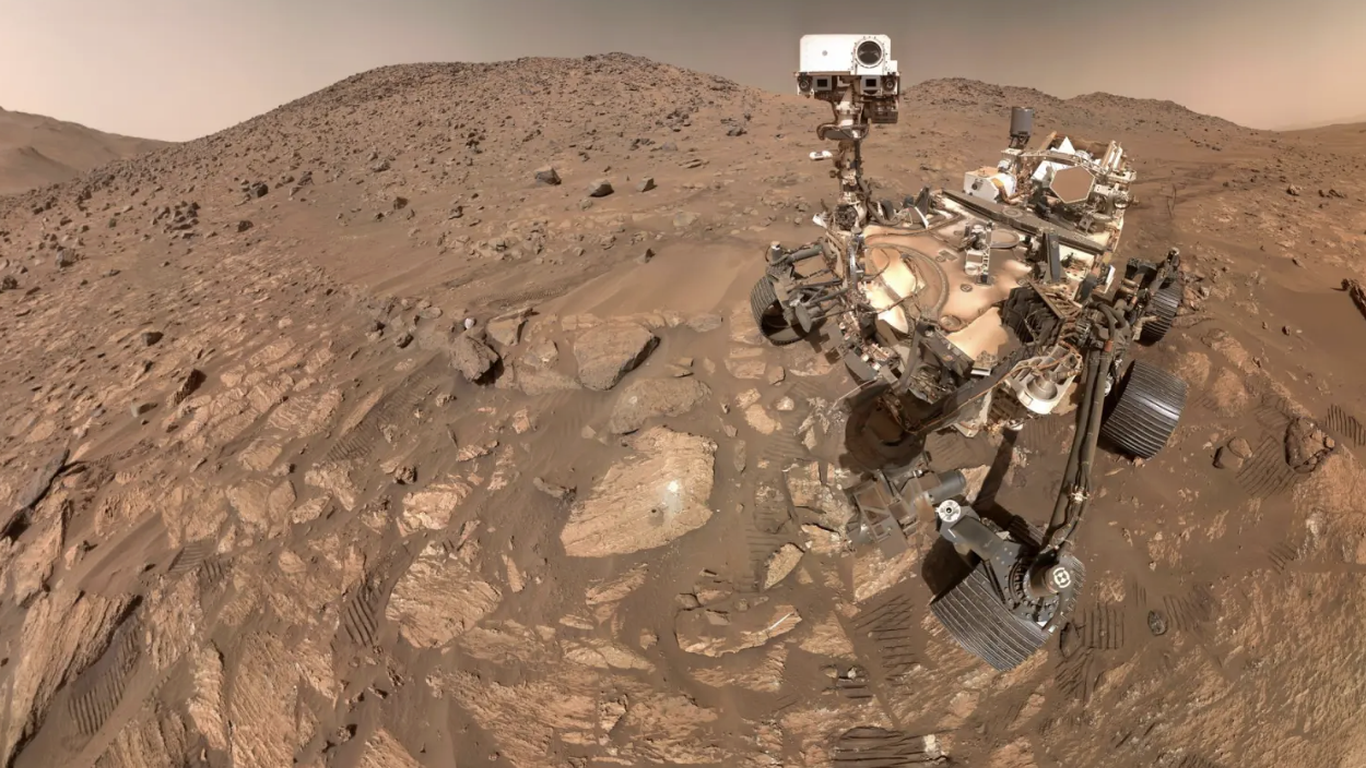
The National Aeronautics and Space Administration (NASA) is the United States’ premier civil space agency, responsible for the nation’s civilian space program, aeronautics research, and aerospace technology development[1][2]. Headquartered in Washington, D.C., NASA operates ten major field centers across the country and employs nearly 18,000 civil servants, supported by an extensive network of contractors, academic institutions, and international partners[1][2]. Since its establishment in 1958, NASA has revolutionized humanity’s understanding of the cosmos, pioneered technological advancements, and shaped global space policy. ## History and Key Achievements NASA was created in response to the Soviet Union’s 1957 launch of Sputnik, with the goal of ensuring U.S. leadership in space exploration. It succeeded the National Advisory Committee for Aeronautics (NACA) and quickly became the driving force behind iconic programs such as Project Mercury (America’s first human spaceflight program), Project Gemini (which developed techniques for space rendezvous and extravehicular activity), and the Apollo program, which landed astronauts on the Moon between 1969 and 1972[1]. The agency also developed the Space Shuttle, the world’s first reusable spacecraft, and built the International Space Station (ISS), a symbol of international collaboration and scientific research[1][5]. NASA’s robotic exploration has been equally transformative, with over 1,000 uncrewed missions investigating Earth, the Moon, Mars, and beyond. The agency’s fleet of observatories—including the Hubble Space Telescope and the James Webb Space Telescope—has provided unprecedented views of the universe, from the birth of stars to the detection of exoplanets[1]. The Perseverance rover is currently searching for signs of ancient life on Mars, while New Horizons explored Pluto and the outer solar system[1]. ## Current Status and Notable Aspects Today, NASA is advancing the Artemis program, aiming to return human