Stormy Weather Could Decide Rams-Panthers Wild-Card Showdown

Rams-Panthers Game Faces Stormy Forecast
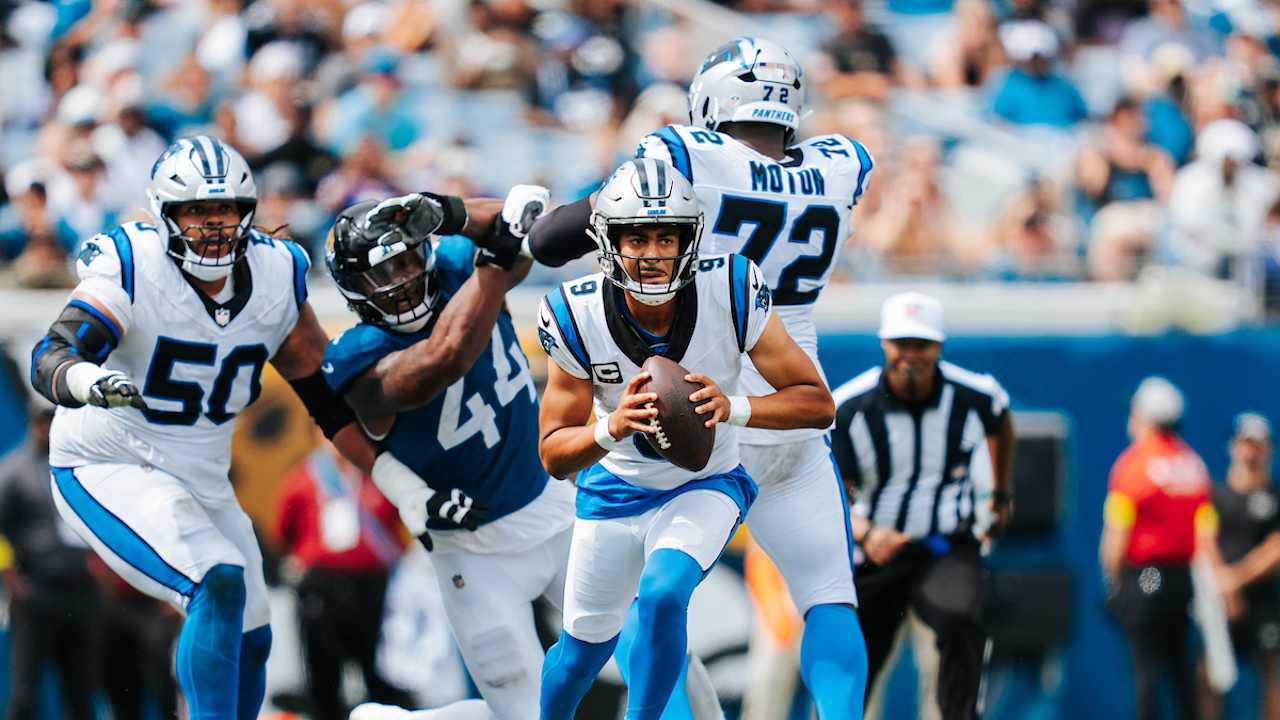
The Rams-Panthers game includes the added drama of potential thunderstorms swirling over Bank of America Stadium. Fans expected crisp winter air; instead, the January sky feels more like late spring, humid, unstable, and charged with anticipation. Lightning delays could disrupt momentum, forcing quarterbacks and coaches to repeatedly adjust game plans. For both teams, preparing for shifting wind and slick turf becomes as crucial as studying film. Special teams coordinators especially watch the radar, knowing one misjudged punt could swing the wild card clash.
How Weather Could Shape the Wild Card Showdown
Thunderstorms threaten to turn a precision passing duel into a gritty, ground-focused battle. Offensive linemen must gain traction on a potentially soggy surface, while pass rushers try to keep their footing during key third downs. Crowd energy may ebb and surge with every weather update, yet playoff urgency keeps the stadium buzzing. In the end, whichever team adapts fastest to the stormy chaos may earn the right to advance.
About the Organizations Mentioned
Rams
**The Los Angeles Rams** are a professional American football team competing in the NFL's National Football Conference (NFC) West division, based in the Greater Los Angeles area and playing home games at the state-of-the-art SoFi Stadium in Inglewood, California, shared with the Los Angeles Chargers.[1][4][6] Founded in 1936 as the Cleveland Rams by attorney Homer Marshman and player-coach Damon Wetzel—who chose the name after Fordham University's team—the franchise quickly made history by winning the 1945 NFL Championship in Cleveland.[1][4][5] It relocated to Los Angeles in 1946, securing another title in 1951, then moved to St. Louis in 1995, where it triumphed in Super Bowl XXXIV (1999) behind the explosive "Greatest Show on Turf" offense led by coach Mike Martz.[1][4] Returning to Los Angeles in 2016 under owner Stan Kroenke, the Rams innovated with a pass-first identity, posting record points from 1999–2001 and reaching Super Bowl XXXVI (loss to New England).[1][2] Key achievements include being the **only NFL team to win championships in three cities**—Cleveland (1945), Los Angeles (1951, 2021), and St. Louis (1999)—highlighted by their 2021 Super Bowl LVI victory and a franchise-record-tying 13-3 season in 2018.[2][4] Pioneers in branding, they introduced the first helmet logo in the 1940s with painted ram horns by player Fred Gehrke, evolving into modern designs inspired by the golden ratio, football spirals, and ocean waves, with vibrant Rams Royal and Sol yellow colors.[5] Currently led by head coach **Sean McVay** (highly praised for culture), general manager Les Snead, and COO Kevin Demoff, th
Panthers
I will assume you mean the Black Panther Party (commonly called the Panthers); if you meant a different “Panthers” (sports team, company, or other group), tell me which and I’ll revise. The summary below covers what the Black Panther Party did, its history, key achievements, current status, and notable aspects. The Black Panther Party was a Black power political organization founded in Oakland, California, in October 1966 by Huey P. Newton and Bobby Seale to defend Black communities against police brutality and systemic oppression[2][3]. The Panthers combined community self‑defense and radical politics with expansive social programs: they organized armed patrols to monitor police, published a Ten‑Point Program demanding “Land, Bread, Housing, Education, Clothing, Justice and Peace,” and ran “survival programs” such as free breakfast for children, community health clinics, sickle‑cell testing, legal aid, and food distribution[2][3][4]. These services both met urgent needs and built grassroots legitimacy[3][4]. During its peak (late 1960s–early 1970s) the Party grew to dozens of chapters nationwide, claimed thousands of members, and published a widely circulated newspaper that shaped its message and outreach[2]. Key achievements include pioneering large‑scale community service programs (the free breakfast fed thousands daily), elevating police brutality onto the national agenda, and advancing a radical critique of racial and economic inequality that influenced later organizing and policy debates[3][4]. The Panthers also adopted Marxist‑informed rhetoric and built interracial alliances with other radical groups, which, combined with confrontations with law enforcement, made them a target of intense FBI counter‑intelligence efforts (COINTELPRO) and led to internal strains, legal battles, and factional splits[2][4]. By the late 1970s the organization had declined and
Bank of America
Bank of America, one of the largest financial institutions globally, was founded in 1904 as the Bank of Italy by Italian immigrant Amadeo Peter Giannini in San Francisco. Giannini’s mission was pioneering for its time: to serve immigrants and "the little fellows" often overlooked by other banks, reflecting a commitment to inclusive banking[1][2][3]. The bank officially adopted the name Bank of America in 1930 and grew significantly under Giannini’s leadership, who became a key figure in 20th-century American banking[1][7]. Throughout its history, Bank of America has expanded through major mergers and acquisitions, including the 1992 merger with Security Pacific Corporation, which created the nation’s second-largest bank, and the 1998 acquisition of NationsBank, which led to the formation of the current Bank of America Corporation headquartered in Charlotte, North Carolina[1][2][3][4]. It further expanded its wealth management and investment banking capabilities by acquiring Merrill Lynch during the 2008 financial crisis, establishing a strong presence in these sectors[2]. Bank of America today serves a broad client base encompassing individuals, small and middle-market businesses, large corporations, and governments, offering a comprehensive range of banking, investment, and financial risk management products and services. It operates approximately 4,600 banking centers and 16,000 ATMs across the U.S. and maintains a global commercial banking footprint[2][3][5]. Its wealth management unit is the second largest worldwide, managing over $1 trillion in assets[2]. Notable achievements include pioneering the general-purpose credit card, which evolved into the widely used Visa card, and introducing one of the first home banking products in 1983, allowing customers to manage finances electronically[4][8]. The bank has demonstrated resilience through economic challenges, repaying government aid after the 2008 crisis and maintaining strong customer satisfaction, as recognized by J.D. Power awards[2][