Surprise Return Fees on Unwanted Holiday Gifts: Which Stores Charge and How to Avoid Them

Surprise Return Fees on Unwanted Holiday Gifts
As the post-Christmas rush hits stores, many shoppers planning to return unwanted gifts face unexpected charges, even for unopened items in perfect condition. Major retailers are imposing restocking fees to offset costs, catching consumers off guard during this busy period. According to recent trends, nearly 75% of stores now apply these penalties, especially on mailed online orders, turning a simple exchange into a pricey decision.[1]
Which Retailers Are Charging and How Much?
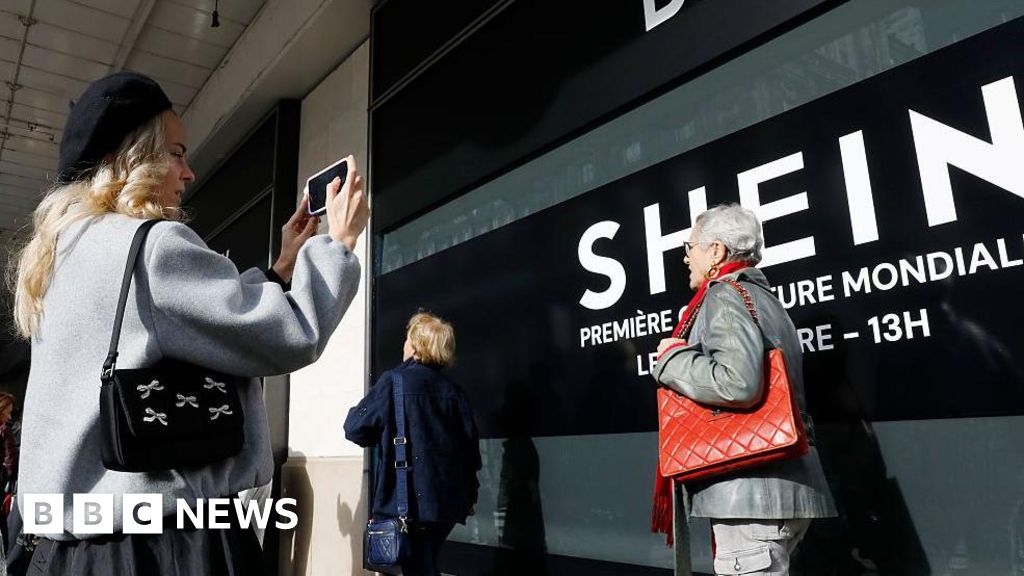
Popular chains like Best Buy hit with $45 fees, while Marshall's charges $11.99 and Kohl's adds $8 plus postage. Others including REI at $7.99, JCPenney at $8, and H&M at $3.99 follow suit, with fast-fashion sites like Temu and Shein offering free first returns but fees thereafter. These costs add up quickly for families handling multiple gifts, impacting budgets right after the holidays.[1]
Smarter Strategies to Avoid Extra Costs
Opt for fee-free havens like Amazon, Walmart, Target, Nordstrom, and Costco, which maintain generous holiday return policies. Check store apps or sites beforehand, keep receipts, and consider in-store drops to skip mailing fees. By planning ahead, savvy shoppers can navigate Returnuary without draining their wallets further.[1][2]
About the Organizations Mentioned
Best Buy
Best Buy Co., Inc. is a leading American multinational consumer electronics retailer headquartered in Richfield, Minnesota. Founded in 1966 by Richard M. Schulze and James Wheeler as an audio specialty store called Sound of Music in St. Paul, Minnesota, the company transformed significantly over the decades. In 1983, it was rebranded as Best Buy Company, Inc., shifting focus to a superstore format that emphasized low prices and a wide selection of consumer electronics, home appliances, and VCRs, targeting a broader and more affluent customer base[1][4][5]. Key milestones in Best Buy’s evolution include its 1985 Initial Public Offering (IPO), which provided capital for rapid expansion across the United States[1][3]. In 1988, Best Buy introduced its innovative "Concept II" store format, eliminating commissioned salespeople to create a more relaxed shopping environment and placing all stock on the sales floor for better customer access. Though initially controversial with suppliers and employees, this concept proved successful and fueled growth[1][4]. Subsequent store concepts (III and IV) enhanced customer experience with larger spaces, interactive displays, and product demonstration areas[3][5]. Best Buy’s strategic acquisitions, such as the 2002 purchase of Geek Squad, integrated tech support services that broadened its revenue streams and strengthened customer relationships[1]. In response to e-commerce competition, Best Buy launched the "Renew Blue" transformation in 2012, led by CEO Hubert Joly, focusing on cost-cutting, enhancing omnichannel retailing, and revitalizing the customer experience[1]. From 2018 to 2024, Best Buy emphasized health technology, digital expansion, and service innovations to adapt to shifting consumer behaviors[1]. Today, Best Buy remains a dominant force in consumer electronics retail, noted for its customer-centric store formats, integrated tech services, and ability to evolve amid intense competition, including the demise of many rivals like Circuit City
Marshall's
Marshalls is an American off‑price retail chain that sells brand‑name apparel, footwear, home goods, and accessories through a “treasure‑hunt” in‑store experience and an expanding e‑commerce presence (marshalls.com). [3][7] Founded in 1956 in Beverly, Massachusetts, Marshalls grew from a single self‑service department concept into one of the country’s largest discount retailers and today operates more than 1,100 U.S. stores plus international locations under the TJX Companies umbrella. [2][1][3] The company’s business model sources excess inventory, canceled orders, closeouts and made‑for‑outlet goods from global vendors, then turns those buys into frequent, limited‑quantity assortments that encourage repeat visits and impulse purchase behavior — the hallmark “treasure‑hunt” strategy shared with sister chain T.J. Maxx. [3][7] That model has delivered strong scale economics and value positioning versus traditional department stores. [3] Key milestones include rapid national expansion through the 1970s–80s, acquisition by Melville Corporation (1976) during its growth phase, and its 1995 acquisition by TJX, which integrated Marshalls into the Marmaxx group and expanded buying, supply‑chain and real‑estate capabilities. [2][3] Marshalls launched a dedicated e‑commerce site in 2019 to complement its brick‑and‑mortar footprint and reach omnichannel shoppers. [3] Notable achievements and strengths are broad brand recognition for value, large store footprint, and TJX’s centralized buying power that keeps prices low while maintaining brand assortment quality. [3][1] Challenges for off‑price retailers include inventory volatility, supply‑chain complexity, and balancing in‑store experience with online shopping trends; Marshalls has invested in technology and logistics within TJX to address those pressures
Kohl's
Kohl's Corporation is a major American department store retail chain with over 1,165 locations across 49 U.S. states, excluding Hawaii. Founded in 1927 by Polish immigrant Maxwell Kohl in Milwaukee, Wisconsin, the company evolved from a single grocery store to a department store chain by 1962. Ownership changed hands multiple times, including British American Tobacco's control in 1972 and a public offering in 1992. Headquartered in Menomonee Falls, Wisconsin, Kohl's became the largest U.S. department store chain in 2012, surpassing JCPenney, and ranked as the 23rd-largest U.S. retailer by revenue in 2019[1]. Kohl’s operates as a leading omnichannel retailer, integrating physical stores, its website, and mobile app to serve over 60 million customers. It focuses on delivering great products, value, and customer experience, aiming to support families’ real-life moments. Kohl’s reported total revenues exceeding $16 billion, operating more than 1,100 stores and contributing over $875 million to communities. Despite recent challenges reflected in a 4-5% year-over-year decline in net sales during early and mid-2025, the company emphasizes its commitment to long-term shareholder value through a curated product assortment and enhancing its omnichannel capabilities[2][3][4][5]. Leadership has recently experienced turnover, with Michael Bender as Acting CEO as of May 2025, following the brief tenure of Ashley Buchanan and predecessor Tom Kingsbury. Kohl’s continues to adapt strategically to retail market pressures by focusing on value, quality, and seamless customer experiences both online and in-store[1][5]. Notably, Kohl’s success lies in balancing tradition with innovation, leveraging its extensive footprint and technological platforms to maintain relevance in a competitive retail landscape. The company’s integration of technology and community engagement highlights its evolving role as a retailer committed to customer convenience and social impac
REI
**REI (Recreational Equipment, Inc.)** is America's largest consumer-owned cooperative and premier outdoor retailer, inspiring participation in activities like hiking, camping, cycling, climbing, and paddling through high-quality gear, apparel, and expert services.[1][2][4] Founded in 1938 in a Seattle gas station by 23 outdoor enthusiasts pooling resources for affordable climbing gear, REI evolved from a niche co-op for mountaineers into a mainstream powerhouse. By the 1970s-1980s, it broadened to kayaking, biking, and family activities, launching initiatives like the 2006 Outdoor School for hands-on classes in biking, climbing, and photography.[2][7] Today, headquartered in Issaquah, Washington, REI operates 181 stores across 41-42 states, flagship locations with climbing walls and event spaces (e.g., Seattle, NYC, Denver), plus robust e-commerce, rentals, and adventure travel.[1][2][3] Key achievements include explosive growth to 25 million members (from 23 in 1938), over 16,000 employees, and record revenues—$3.85 billion in 2022 (up 3% YoY), with earlier figures at $3.8 billion.[3][4][5] Unlike competitors, REI avoids hunting/fishing gear, shares profits via member dividends, closed stores on Black Friday to pay staff for outdoor time, and prioritizes ethical sourcing.[2][5] It boasts 1,000+ co-op brands like The North Face, Arc'teryx, and its own REI Co-op lines, tested in real conditions.[3][6][8] Currently, REI emphasizes sustainability—debuting industry-wide standards in 2018, expanding eco-products, fair trade, and public lands advocacy—while enhancing digital experiences and rentals amid shifting consumer demands.[1][4][6] Its large stores (avg. 2
JCPenney
JCPenney is an American department store chain selling apparel, home goods, beauty, jewelry and services (salons, portrait and optical) through a national store network and its e-commerce site, jcp.com. [4][5] Founded in 1902 by James Cash Penney, the company grew into one of the nation’s largest mid‑market retailers by combining national and exclusive private brands and a family‑focused value proposition; it emphasizes accessible fashion, home merchandise and personal services. [4][5] Over its history JCPenney became a mall anchor for generations, building well‑known private labels such as Stafford, Worthington and Arizona while expanding store and catalog operations through the 20th century. [4] Key achievements include surviving more than a century in retail, launching and scaling private brands, and evolving omnichannel capabilities (mobile‑first website, in‑store and curbside pickup, ship‑to‑home) to meet modern shoppers’ needs. [1][4][5] Recent strategic moves include a multiyear, self‑funded reinvestment plan exceeding $1 billion through fiscal 2025 to refresh stores, enhance digital experiences and relaunch the “Make It Count” brand proposition, including reinstating a classic logo and focused marketing. [1] JCPenney has also navigated severe industry headwinds: declining mall traffic, e‑commerce competition and higher costs forced major restructuring, store closures and real‑estate transactions in the early 2020s, including bankruptcy proceedings and portfolio sales of store properties that reshaped its footprint. [3] As of 2025 the company operates roughly 640–650 stores and reports improving sales trends and a return to profitability in recent quarters while integrating new ownership and sourcing synergies under its current operators. [2][5][6] Notable aspects for business and technology audiences: JCPen
H&M
## Overview H&M, officially H & M Hennes & Mauritz AB, is a Swedish multinational fast fashion retailer headquartered in Stockholm, and is the second-largest international clothing retailer after Inditex[1]. Known for its affordable, trend-driven clothing, accessories, and homeware, H&M operates thousands of stores across 75 geographical markets, employs over 171,000 people globally, and has a significant online presence, selling in over 60 markets[1][7]. The company is part of the H&M Group, which encompasses several brands focused on making fashion and design accessible and sustainable for a broad customer base[7]. ## History H&M was founded in 1947 by Erling Persson in Västerås, Sweden, under the name Hennes (“hers” in Swedish), initially selling only women’s clothing[1][3][4]. In 1968, the company acquired Mauritz Widforss, a hunting apparel retailer, leading to the introduction of menswear and a rebranding to Hennes & Mauritz (H&M)[1][5]. The company went public in 1974 and began expanding internationally, opening its first store outside Scandinavia in London in 1976 and entering the U.S. market in 2000[1]. H&M was an early adopter of e-commerce, launching online sales in Sweden in 1998[1][2]. ## Key Achievements H&M is renowned for its rapid response to fashion trends, efficient supply chain, and collaborations with high-profile designers and celebrities, which have kept the brand culturally relevant and commercially successful[1][5]. The company’s annual underwear campaigns featuring supermodels in the 1990s, such as Cindy Crawford and Naomi Campbell, garnered significant media attention and helped cement its global brand identity[2]. H&M has also been a pioneer in sustainability, with a commitment to increasing the use of recycled and sustainably sourced materials—reaching 2
Temu
Temu is a rapidly expanding Chinese e-commerce platform that has taken the global online retail market by storm. Owned by PDD Holdings—the same parent company behind Pinduoduo, a major Chinese e-commerce player—Temu launched with a mission to connect consumers directly with manufacturers, primarily based in China. This direct-to-consumer model, often described as customer-to-manufacturer (C2M), enables Temu to offer an enormous range of products at exceptionally low prices, from fashion and electronics to home goods and beauty products. Since its launch, Temu has achieved explosive growth, quickly becoming one of the most downloaded shopping apps in the United States and other international markets. In just over a year, the platform reportedly generated billions in revenue, with estimates suggesting $16–17 billion in sales in 2023 alone. Its success is attributed to a combination of aggressive marketing, a user-friendly app, and a strategy focused on capturing market share rather than immediate profits—mirroring Amazon’s early expansion tactics. Temu’s business model stands out for its use of advanced algorithms and analytics to identify trending products and optimize offerings in real time. By cutting out wholesalers and retailers, Temu streamlines the supply chain, allowing for lower prices, though this often means longer delivery times compared to competitors like Amazon. The company has also invested heavily in marketing, including high-profile Super Bowl ads, to boost its brand visibility. Today, Temu is a major disruptor in the global e-commerce landscape, challenging established giants with its low-cost, high-volume approach. Its rapid rise, innovative technology, and bold expansion strategy make it a key player to watch in the future of online retail.
Shein
Shein has rapidly emerged as a global leader in fast fashion by leveraging technology, data analytics, and an agile supply chain to deliver trendy, affordable apparel to a digitally native audience[1][3][6]. Founded in Nanjing, China, in 2008, Shein initially focused on wedding dresses but pivoted to women’s fashion, eventually expanding into men’s, children’s, and accessory categories. The company has never operated physical stores in China; its explosive growth has been driven entirely through direct-to-consumer online sales, primarily via its app and website[4][6]. At the core of Shein’s success is its “real-time fashion” model, which takes fast fashion to unprecedented speeds. The company uses advanced algorithms to track social media trends and customer behavior, rapidly translating viral styles into new products—sometimes launching over 1,000 new items daily[3]. This demand-driven approach minimizes inventory waste and allows Shein to offer an ever-refreshing assortment at rock-bottom prices[3][5]. Its supply chain is tightly integrated with thousands of small manufacturers in China, enabling quick turnaround from design to delivery, often within a week[5][6]. Shein’s on-demand production system means items are only manufactured after they prove popular online, reducing overstock and markdowns[5][8]. Shein’s marketing is equally innovative, relying heavily on influencer partnerships, gamified app features, and targeted social media campaigns to engage Gen Z and millennial shoppers[1][4]. The company’s app acts as both a sales funnel and a retention engine, using AI-driven recommendations, daily check-ins, and rewards to boost customer loyalty and lifetime value[1]. By 2020, Shein’s annual revenue had surged past $10 billion, and by 2022, it reportedly reached $24 billion—surpassing the combined sales of H&M and Zara and achieving a peak valuation of $100 billion[3
Amazon
Amazon.com, Inc. is a leading American multinational technology company specializing in **e-commerce, cloud computing, digital streaming, online advertising, and artificial intelligence**. Founded in 1994 by Jeff Bezos in Bellevue, Washington, Amazon initially launched as an online bookstore but rapidly expanded into a vast online marketplace known as "The Everything Store," selling a wide array of products across numerous categories[1]. Today, it stands as the **world's largest online retailer and marketplace**. Amazon operates multiple key business segments: Amazon Marketplace for retail sales, Amazon Web Services (AWS) for cloud computing, and Amazon Prime for subscription services, all contributing substantial revenue streams and synergistic benefits[3]. AWS is a powerhouse in scalable cloud infrastructure, serving businesses globally, while Amazon Prime offers fast delivery, streaming video, music, and exclusive deals to millions of subscribers[1][3]. The company’s growth strategy focuses heavily on technological innovation, particularly in **artificial intelligence and robotics**. Its AI-powered products include Alexa, the voice assistant embedded in Echo devices. Amazon’s warehouses employ over 45,000 robots, reflecting its commitment to automation and efficiency in logistics[4]. Capital expenditures for 2025 are projected at $118 billion, emphasizing AI and cloud expansion[4]. Amazon’s notable acquisitions have broadened its market reach and diversified offerings. Key acquisitions include **Whole Foods Market (2017), MGM Studios (2022), Twitch, Ring, and IMDb**, which have enhanced its physical retail presence, media content, and smart home technology portfolio[1][3]. These moves have helped Amazon maintain market dominance with over $574 billion in annual revenue and a market capitalization exceeding $2 trillion[3]. Despite strong retail and advertising performance, Amazon faces challenges such as narrowing AWS margins and increased AI infrastructure competition. However, its Q2 2025 financials showed robust revenue growth, with net sales rising 9% to $155.7 billion, underscoring its resilience and adap
Walmart
Walmart, founded in 1962 by Sam Walton, has grown from a single discount store in Arkansas to become the world’s largest retailer, with a commanding presence in both physical and digital retail landscapes[3]. As of fiscal year 2025, Walmart operates over 10,750 stores and serves approximately 270 million customers each week across 19 countries, employing about 2.1 million associates worldwide[1][2][4]. The company reported $681 billion in revenue for 2025, reflecting a 5.1% increase from the previous year and an 8.6% rise in operating income, underscoring its robust financial health and ongoing expansion[1][4][6]. ## What Walmart Does Walmart is a leader in hypermarkets and discount retail, offering a vast range of products—from groceries and apparel to electronics and home goods—through its extensive network of physical stores, e-commerce platforms, and mobile apps[2][3]. Its business is organized into three main segments: Walmart U.S., Walmart International, and Sam’s Club, a members-only warehouse club[3][5]. The company’s mission—“to help people save money and live better”—drives its focus on everyday low prices, convenience, and customer-centric innovation[2][5]. ## History and Key Achievements Walmart’s journey from a single store to a global powerhouse is marked by relentless expansion, operational efficiency, and technological adoption[3]. Key milestones include the launch of Walmart Supercenters in the 1980s, international expansion beginning in the 1990s, and the rapid growth of its e-commerce business in the 2010s and beyond[3]. Today, online sales account for 18% of Walmart’s revenue, fueled by four consecutive quarters of 20% growth[1]. The company’s retail media network, Walmart Connect, has also surged, with ad revenue up 50% in a recent quarter
Target
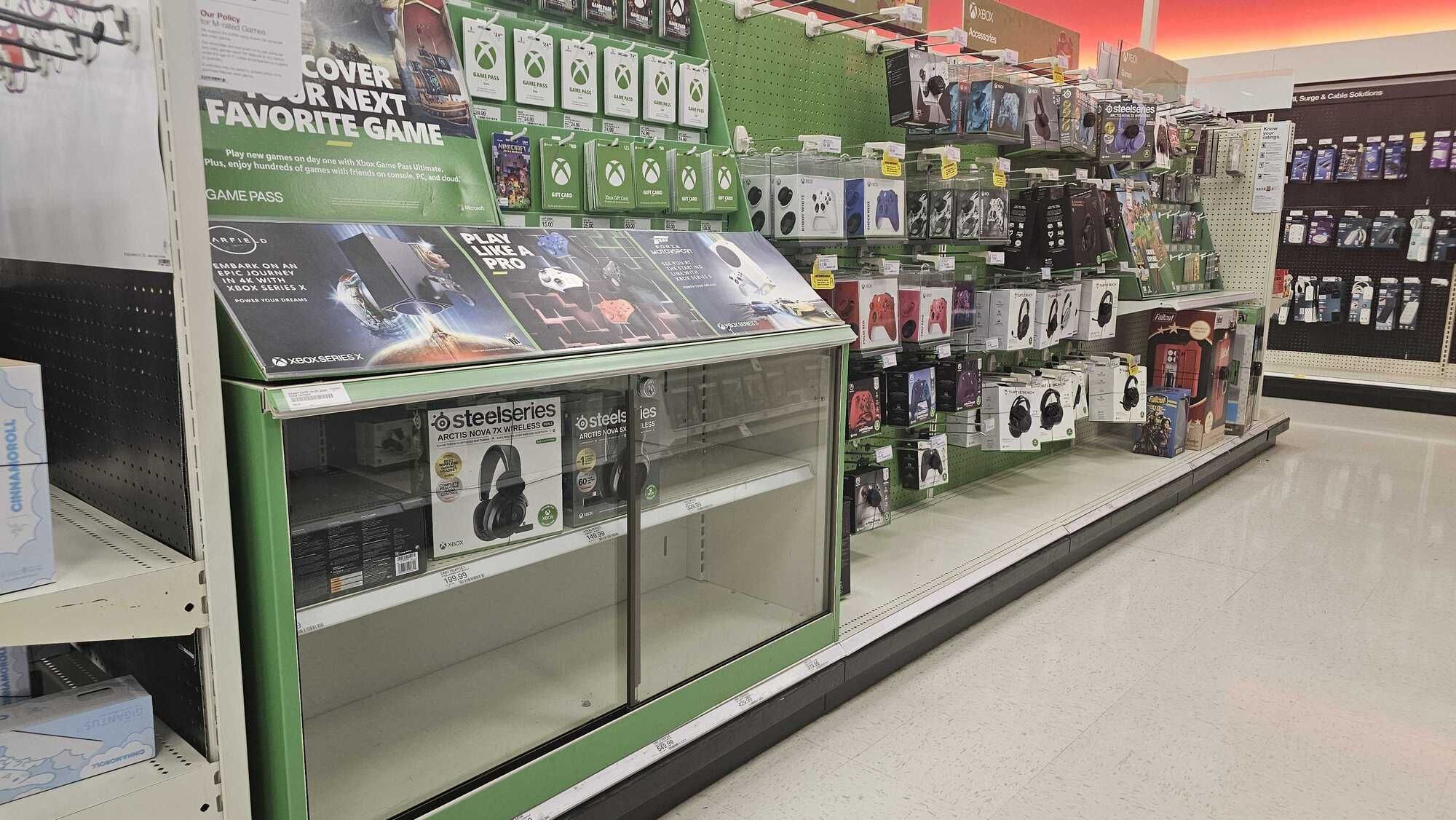
Target Corporation is a leading American retail giant, renowned for its trendy, affordable merchandise and extensive big-box stores. Founded in 1962 by John Geisse and Douglas Dayton, Target evolved from the Dayton Dry Goods Company, which began in 1902. The company's early success was marked by its innovative approach to discount retailing, and it officially became Target Corporation in 2000. ### History and Evolution Target's journey began with its first store in Roseville, Minnesota. Over the years, it expanded across the U.S., adapting its business model to meet diverse consumer needs. Notable store formats include SuperTarget and CityTarget. Despite setbacks like a failed Canadian expansion and data breaches, Target has consistently innovated, enhancing its product offerings, especially in groceries. ### Key Achievements - **Business Model**: Target is known for offering high-quality, on-trend merchandise at discounted prices, both in-store and online. Its effective supply chain management allows it to keep prices low while maintaining profitability[1][3]. - **Community Engagement**: Target is recognized for its philanthropy, donating 5% of its profits to communities. It also supports various social causes, including LGBTQ rights[4][7]. - **Innovation**: Target has built a $30 billion owned-brands business by leveraging design practices to develop products[9]. ### Current Status As of 2025, Target operates over 2,000 stores across the U.S. and is the seventh-largest retailer in the country. It is a component of the S&P 500 Index and ranks No. 32 on the Fortune 500 list[3][4]. Target's digital presence is robust, with a strong online platform and fulfillment services that enhance customer convenience[2]. ### Notable Aspects - **Organizational Structure**: Target operates under a functional structure, emphasizing core functions like merchandising, marketing, and supply chain management. This structure supports operational efficiency and brand consistency[5]. - **
Nordstrom
Nordstrom is a U.S. fashion retailer operating full-line department stores, off-price Nordstrom Rack locations, and a major e‑commerce platform that sells apparel, shoes, accessories and beauty products to consumers and businesses. Nordstrom began as a single Seattle shoe store founded in 1901 by Swedish immigrant John W. Nordstrom and partner Carl Wallin, then expanded into apparel after acquiring Best’s Apparel in the 1960s and rebranding as Nordstrom, Inc. when it went public in 1971[2][1]. The company built a reputation on high-touch customer service, curated inventory, and a flexible return policy that helped it become one of the nation’s leading specialty retailers by the 1980s, surpassing several established competitors in sales[3]. Nordstrom created Nordstrom Rack in 1973 as a clearance concept and later grew Rack into a large off‑price chain that complements full‑price stores and broadens market reach[2][3]. Key achievements include growing from a single store to a national multi‑channel retailer, launching Nordstrom.com in 1998 (establishing a strong digital presence early among department stores), and developing a combined online-and-physical strategy that integrates inventory and services such as buy-online-pickup-in-store and personal styling[2]. The company’s family-founded governance and culture of service have been notable elements of its brand identity since the early 20th century[1][3]. In recent years Nordstrom has focused on omnichannel modernization, expanding Rack locations, optimizing store footprints, and investing in technology and supply-chain capabilities to compete with fast fashion and pure‑play e‑commerce rivals; these shifts reflect industry-wide pressure to improve margins and digital experiences[2]. Today Nordstrom remains a recognizable fashion retailer with a two-tier model (full‑price and off‑price), a significant online business, and ongoing
Costco
**Costco Wholesale Corporation** is a multinational retail giant operating a chain of membership-only warehouse clubs. Founded in 1983 by James Sinegal and Jeffrey H. Brotman, Costco's business model focuses on offering high-quality products at significantly lower prices than traditional retailers. This is achieved through efficient supply chain management, bulk purchasing, and a no-frills warehouse environment[1][2]. **History and Evolution**: Initially, Costco targeted businesses, but it soon expanded to include individual consumers. The company's roots trace back to Price Club, founded in 1976, which was later merged into Costco. The Kirkland Signature brand, named after its former headquarters in Kirkland, Washington, is a key part of Costco's strategy, offering private-label products that rival national brands in quality[1][2]. **Key Achievements**: As of 2024, Costco is the world's largest retailer of beef, poultry, organic produce, and wine. It ranks as the third-largest retailer globally, with over $250 billion in annual sales. Notably, Costco has a remarkable customer and employee loyalty, with a 93% membership renewal rate in the U.S. and Canada and an employee turnover rate of just 8%[1][3]. **Current Status**: As of September 2025, Costco operates 914 warehouses worldwide, with a significant presence in North America. The company is publicly traded on Nasdaq under the ticker "COST" and is headquartered in Issaquah, Washington[1][2]. Institutional investors own over 70% of its shares, with The Vanguard Group being the largest shareholder[1]. **Notable Aspects**: Costco is recognized for its strong ethical foundation, codified in its Code of Ethics, which prioritizes customer satisfaction, employee care, and supplier respect. This ethical approach has contributed to its sustained success and financial performance, with compounded annual stock returns of 17% over three decades[3]. Additionally, Costco's innovative business




:max_bytes(150000):strip_icc()/GettyImages-2230322558-c5011b39512d4f6e9142e5d9cfbf2483.jpg)