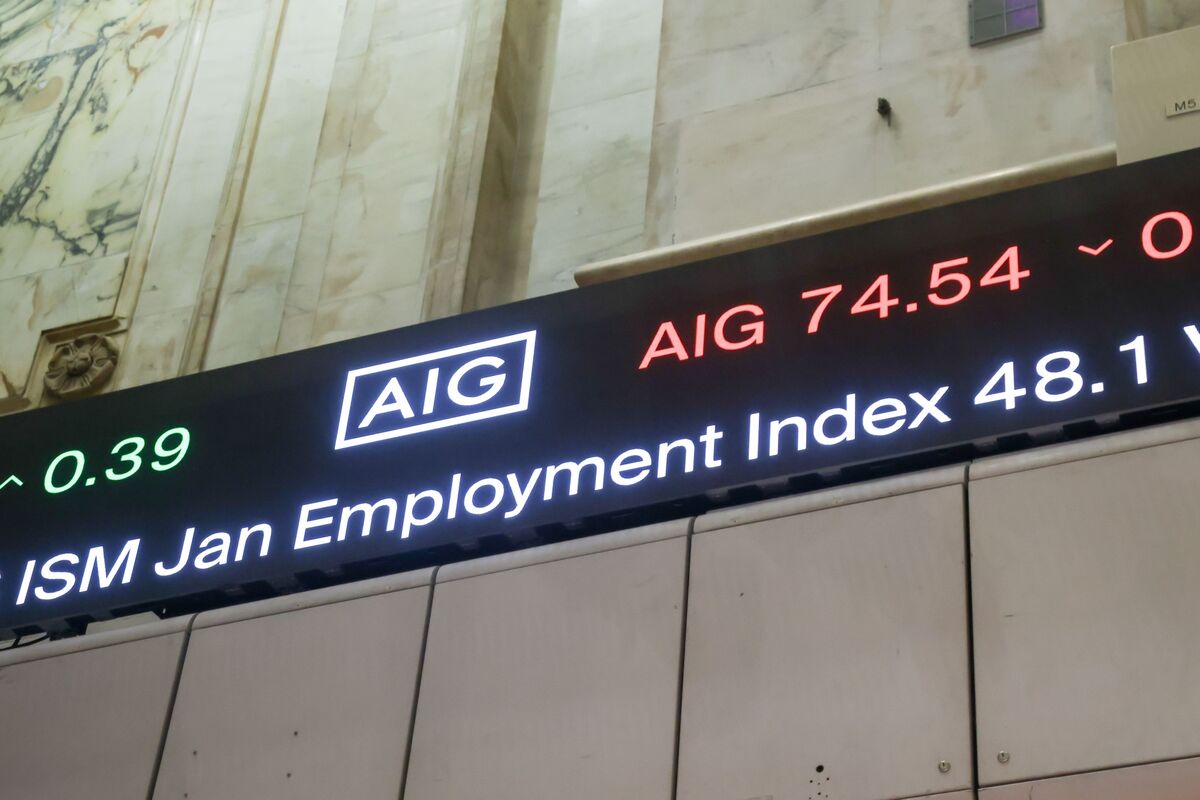
Tech-Led Rally Lifts S&P 500 Amid AI Optimism

S&P 500 Climbs Higher, Tech Leads the Charge
The S&P 500 surged today, propelled by a robust tech sector rebound, while the Dow Jones Industrial Average notched a fresh all-time high. This upward momentum follows a volatile week where major indices recovered sharply from midweek losses, signaling renewed investor confidence amid economic resilience.
Tech Rally Amid AI Optimism and Valuations
Tech stocks rallied over 1.8%, extending Friday's gains despite earlier concerns over Big Tech's hefty AI capital expenditures. Analysts note the sector's forward price-to-earnings ratio remains modest at a 5.3% premium to its 10-year average, far below surges in energy and industrials. Goldman Sachs projects a 12% S&P 500 total return for 2026, driven by 12% earnings growth and steady Federal Reserve easing, with AI adoption shifting focus to efficiency gains and robotics.
Market Rotations and Future Outlook
Broad rotations into energy, industrials, and staples have bolstered the S&P 500's 1.9% year-to-date gain, even as mega-caps like Microsoft and Amazon faced pressure. Divergence among Magnificent 7 stocks highlights opportunities in dispersion, with elevated tech volatility underscoring cautious optimism for sustained rallies.
About the Organizations Mentioned
Goldman Sachs
**Goldman Sachs: A Global Financial Leader** Goldman Sachs is a renowned global financial institution, celebrated for its investment banking prowess, wealth management, and capital markets expertise. Founded over 150 years ago, the firm has navigated economic cycles, regulatory shifts, and technological advancements to maintain its elite position. **History and Evolution** Initially a commercial paper broker, Goldman Sachs transitioned from a private partnership to a public company in 1999, enhancing its capital base. The firm converted into a bank holding company in 2008 to access emergency funding during the financial crisis. In recent years, Goldman Sachs has expanded its consumer banking arm through initiatives like "Marcus" and strengthened its asset management division. In 2023, it restructured into three core divisions: **Global Banking & Markets**, **Asset & Wealth Management**, and **Platform Solutions**. **Key Achievements and Current Status** - **Global Reach**: Goldman Sachs operates in over 40 countries, with a significant presence in the Americas, Europe, Middle East & Africa (EMEA), and Asia. As of 2024, it had a headcount of 46,500 employees[2]. - **Financial Performance**: The firm continues to demonstrate robust financial performance, with a diversified business model that includes strategic advisory services, trading, lending, and investment management[1][3]. - **Innovation and Adaptation**: Goldman Sachs remains at the forefront of financial innovation, leveraging technology to enhance its services and adapt to evolving market trends. **Notable Aspects** - **Investment Insights**: The firm publishes influential reports, such as the Family Office Investment Insights, which highlight trends in global investment strategies[4]. - **Market Outlook**: Goldman Sachs provides comprehensive market analysis, predicting future economic cycles and advising on investment strategies[6]. - **Commitment to Community**: The firm supports community development through grants and internships, fostering a culture of excellence and social responsibility[5].
Federal Reserve
## Overview and Mission The Federal Reserve, often called the "Fed," is the central bank of the United States, established by Congress in 1913 to provide the nation with a safer, more flexible, and stable monetary and financial system[1]. Its mission centers on a dual mandate from Congress: to promote maximum employment and maintain price stability, ensuring the dollar retains its value over time[1]. The Fed operates through a unique hybrid structure, combining a national Board of Governors in Washington, D.C., with 12 independent regional Reserve Banks, including institutions like the Cleveland Fed[1]. This decentralized setup allows the Fed to closely monitor economic conditions across diverse regions, industries, and communities, while maintaining independence from short-term political influences[1]. ## Key Functions The Fed’s responsibilities are broad and vital to the U.S. economy. It conducts monetary policy—primarily by influencing interest rates—to achieve its employment and inflation goals[2]. The Fed also supervises and regulates banks to ensure the safety and soundness of the financial system, works to minimize systemic risks, and fosters efficient payment and settlement systems[2]. Additionally, it promotes consumer protection and community development, addressing emerging issues through research, supervision, and enforcement of consumer laws[2]. ## History and Evolution The Federal Reserve is the third central bank in U.S. history, following two failed attempts in the 19th century[1]. Its creation was a response to the financial turbulence of the early 20th century, aiming to prevent crises and stabilize the economy. Over time, the Fed has evolved, adopting more transparent and inclusive policymaking processes. For example, it now conducts regular reviews of its monetary policy framework, engaging with academics, businesses, and the public to refine its strategies and communications[3][5]. ## Recent Developments and Achievements In 2025, the Fed completed its second major review of its monetary policy strategy, tools, and communications, reaffirming its commitment to transparenc