Toyota Recalls 162,000 Trucks Over Faulty Screens
Toyota Recalls 162,000 Trucks Due to Faulty Screens
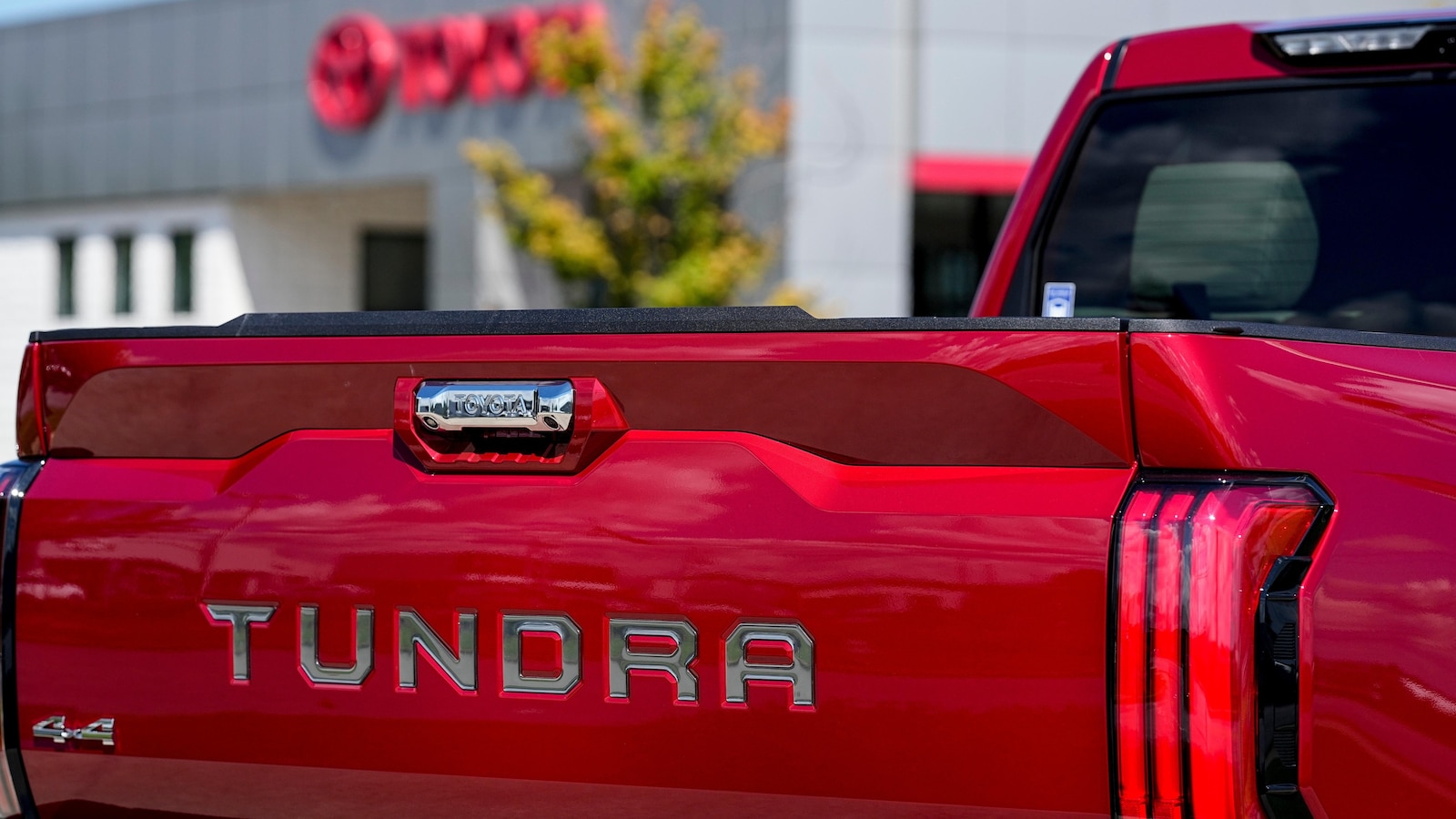
Toyota has issued a major recall for approximately 162,000 pickup trucks in the United States, targeting model year 2024-2025 Tundra and Tundra Hybrid vehicles. Announced on Friday, this action addresses critical multimedia display failures that could jeopardize driver safety by compromising visibility during essential maneuvers.[1]
The Specific Issue and Safety Risks
The problem occurs when screens become stuck on a camera view or go completely dark under certain conditions, preventing drivers from accessing the backup camera feed while reversing. This malfunction raises serious concerns as it potentially violates federal safety standards, heightening the risk of accidents in low-visibility scenarios like parking or tight spaces.[1]
Next Steps for Owners and Toyota's Response
Affected customers are being notified directly by Toyota, which plans to fix the issue free of charge at dealerships. Owners should check their vehicle identification numbers through official channels to confirm involvement. This recall underscores the importance of proactive maintenance in modern vehicles reliant on digital interfaces for safety.[1]
About the Organizations Mentioned
Toyota
**Toyota Motor Corporation**, headquartered in Toyota City, Aichi, Japan, is the world's largest automobile manufacturer, producing around 10 million vehicles annually as a multinational giant specializing in cars, trucks, hybrids, and luxury vehicles under brands like Lexus.[2][1] Founded in 1937 by Kiichiro Toyoda as an independent entity spun off from Toyoda Automatic Loom Works—an innovator in weaving machinery led by Sakichi Toyoda—the company drew from early principles like *jidoka* (automation with human intelligence) that underpin its famed **Toyota Production System (TPS)**, emphasizing efficiency, quality, and waste reduction.[6][1][3] Toyota's first car, the Model AA, launched in 1936, but post-WWII challenges nearly ended it; recovery came via affordable, reliable vehicles for Japan's booming economy.[4][2] Key U.S. entry in 1957 faltered with the underpowered Toyopet, but the 1965 **Corona**—tailored for Americans—tripled sales, followed by the 1968 **Corolla**, the all-time best-selling car with over 30 million units sold globally.[5][4][2] By 1975, Toyota topped U.S. imports, surpassing Volkswagen; 1986 marked 1 million annual U.S. sales and first American-assembled Corolla.[1][5] Milestones include the 1989 Lexus LS 400 luxury debut, 1997 Prius—the first mass-produced hybrid—and 2008 overtake of GM as global sales leader.[2][4][5] Today, Toyota dominates with innovations in hybrids, electrification, and global plants from Brazil (1959) to the UK and U.S., boasting ninth-largest revenue worldwide (as of 2020 data).[2][6] Its culture of relentless improvement fuels tech leadership, from TPS to sustainable mobility, making it an enduring icon in business and automotiv