Trump Unveils Controversial Presidential Plaques Targeting Obama and Biden
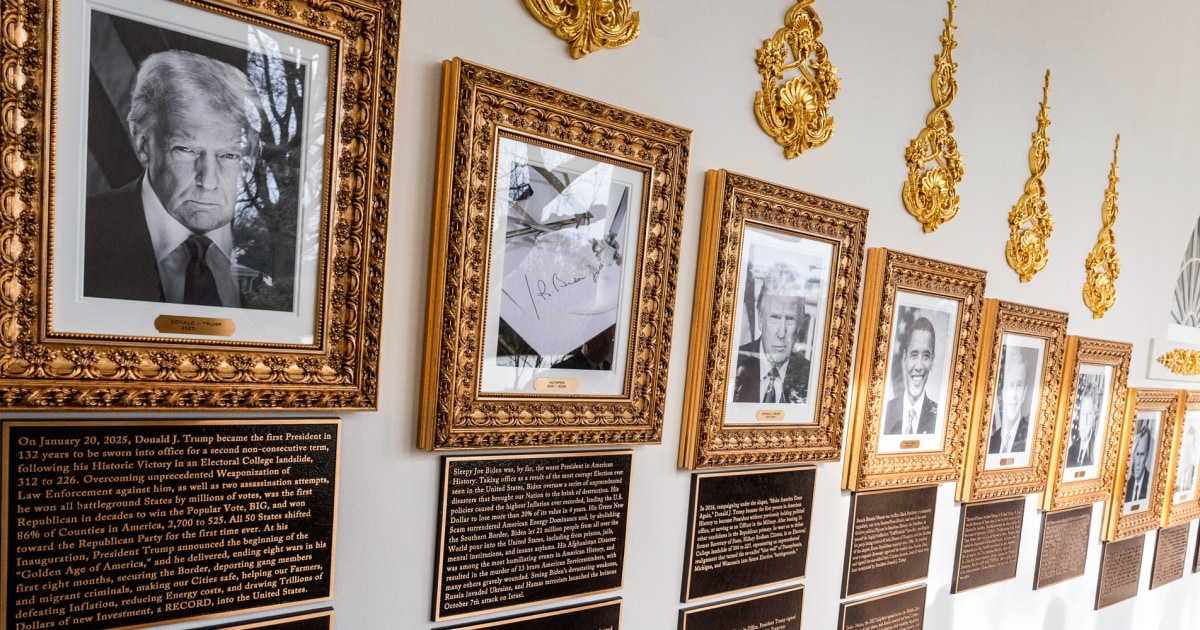
White House Unveils Controversial Plaques Targeting Obama and Biden
In a bold move during his second term, President Donald Trump has installed the "Presidential Walk of Fame" along the West Wing colonnade, featuring partisan plaques under portraits of past leaders. These inscriptions sharply criticize predecessors like Barack Obama and Joe Biden, blending Trump's signature style with historical reinterpretations.[1][2]
Sharp Criticisms and Personal Jabs
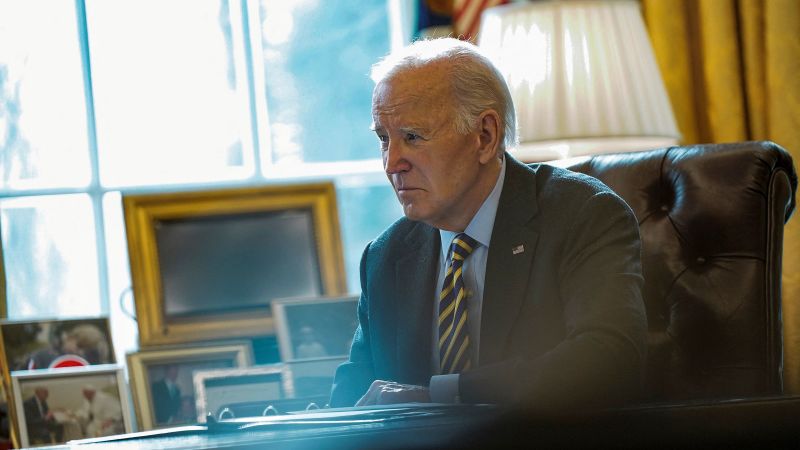
Obama's plaque brands him as one of the most divisive figures in history, slamming the Affordable Care Act as ineffective and his economy as stagnant. Biden fares worse, depicted via an autopen portrait symbolizing Trump's autopen accusations, with text calling him "Sleepy Joe," the worst president ever, dominated by radical handlers, and blamed for inflation, immigration woes, and even Ukraine's invasion—claims laced with election fraud assertions.[1][3]
Broader Remaking of White House Legacy
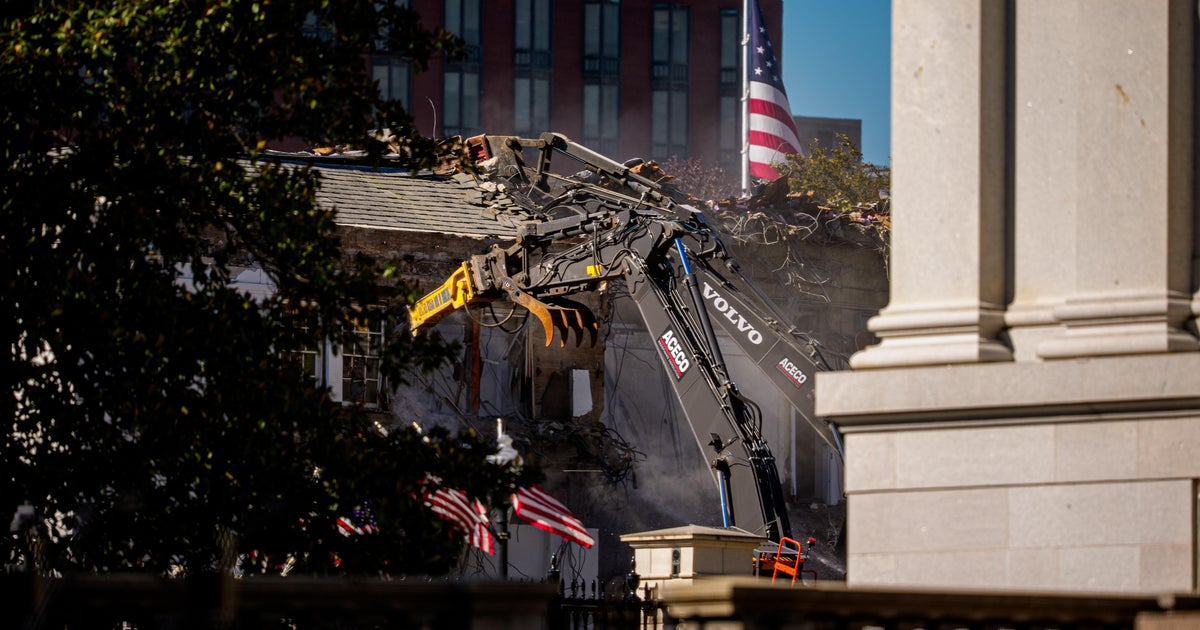
Part of Trump's extensive renovations, including gold Oval Office finishes and East Wing demolition, the exhibit—conceived and partly penned by Trump—aims to endure as a testament to American greatness. While praised by aides as eloquent history lessons, critics decry it as disinformation promoting division over unity.[2]
About the People Mentioned
Barack Obama
Barack Hussein Obama II, born August 4, 1961, in Honolulu, Hawaii, is an American politician, lawyer, and author who served as the 44th President of the United States from 2009 to 2017[2][3][8]. He is widely recognized as the first African American to hold the nation’s highest office, marking a historic milestone in U.S. history[1][2][3]. Obama’s early life was shaped by a diverse heritage—his mother, Stanley Ann Dunham, was a white American from Kansas, and his father, Barack Obama Sr., was a Kenyan economist[2][4][9]. He spent part of his childhood in Indonesia before returning to Hawaii, where he was raised primarily by his maternal grandparents[4][5]. Obama attended Columbia University, graduating with a degree in political science, and later earned a law degree from Harvard Law School, where he became the first African American president of the Harvard Law Review[2][3][4]. After law school, he worked as a community organizer in Chicago, a civil rights attorney, and a lecturer at the University of Chicago Law School[2][3]. He entered politics as a member of the Illinois State Senate (1997–2004) and then represented Illinois in the U.S. Senate (2005–2008)[2][3]. His 2008 presidential campaign, built on themes of “hope” and “change,” resonated with voters during a period of economic uncertainty and war[2]. Obama defeated Republican John McCain to become president and was reelected in 2012, defeating Mitt Romney[3][5]. As president, Obama’s major domestic achievements included the Affordable Care Act (expanding health insurance coverage), economic stimulus measures in response to the 2008 financial crisis, and the repeal of “Don’t Ask, Don’t Tell,” allowing LGBTQ individuals to serve openly in the military[2][4]. In foreign policy, he oversaw the withdrawal of U.S. troops from Iraq, authorized the operation that killed Osama bin Laden, and pursued the normalization of relations with Cuba[4][6]. He was awarded the Nobel Peace Prize in 2009 for his efforts to strengthen international diplomacy[1][2]. Since leaving office, Obama has remained active in public life through his foundation, speaking engagements, and media projects, though he has generally maintained a lower public profile than some predecessors[2]. He continues to be a prominent voice on issues such as democracy, climate change, and civic engagement. As of late 2025, Obama is not holding any official government position but remains a symbol of progress in American politics and a respected figure in global discourse[2].
Joe Biden
Joseph Robinette Biden Jr., commonly known as Joe Biden, is the 46th President of the United States, serving from 2021 to 2025. Born on November 20, 1942, in Scranton, Pennsylvania, Biden moved to Delaware with his family in 1953. He graduated from the University of Delaware in 1965 and Syracuse University Law School in 1968. Before entering national politics, Biden served on the New Castle County Council and later became one of the youngest U.S. Senators at the age of 29, representing Delaware from 1973 to 2009. During his Senate career, Biden chaired the Senate Judiciary Committee and Foreign Relations Committee. He played a crucial role in drafting several significant pieces of legislation, including the Violence Against Women Act and the Violent Crime Control and Law Enforcement Act. Biden also oversaw several U.S. Supreme Court confirmation hearings. In 2008, he was chosen by Barack Obama as his vice presidential running mate, serving two terms as the 47th Vice President of the United States. In 2020, Biden won the presidential election, defeating incumbent President Donald Trump. As President, he focused on rebuilding America's international leadership and implementing policies to address economic recovery and social issues. Biden's presidency concluded on January 20, 2025, when Donald Trump returned to office. Recently, Biden announced that he had been diagnosed with Stage 4 prostate cancer. Despite his health challenges, Biden remains a figure of national interest, with ongoing discussions about his political legacy and influence. His dedication to public service and his efforts to expand opportunities for Americans have been central themes throughout his career.
Donald Trump
Donald John Trump, born June 14, 1946, in Queens, New York, is an American businessman, media personality, and politician. He graduated from the University of Pennsylvania’s Wharton School in 1968 with a degree in economics. In 1971, he took over his family’s real estate business, renaming it the Trump Organization, through which he expanded into building and managing skyscrapers, hotels, casinos, and golf courses. Trump gained widespread fame as the host of the reality TV show *The Apprentice* from 2004 to 2015, which helped establish his public persona as a successful entrepreneur. Trump entered politics as a Republican and was elected the 45th president of the United States, serving from 2017 to 2021. His presidency was marked by significant policy actions including tax cuts, deregulation, the appointment of three Supreme Court justices, renegotiation of trade agreements (notably replacing NAFTA with the USMCA), and a focus on immigration control including border wall expansion. He withdrew the U.S. from international agreements such as the Paris Climate Accord and the Iran nuclear deal, and engaged in a trade war with China. His administration’s response to the COVID-19 pandemic was criticized for downplaying the virus’s severity. Trump was impeached twice by the House of Representatives—first in 2019 for abuse of power and obstruction, and again in 2021 for incitement of insurrection—but was acquitted by the Senate both times. After losing the 2020 election to Joe Biden, Trump challenged the results, culminating in the January 6, 2021, Capitol riot. He remains a central figure in American politics, having won the 2024 presidential election and returned as the 47th president in 2025, continuing to promote policies aimed at economic growth, border security, and military strength[1][2][3][4].
About the Organizations Mentioned
White House
The **White House Office** is a central organizational component within the Executive Office of the President of the United States (EOP), tasked with supporting the President in managing day-to-day operations, policy formulation, and political affairs. It is headed by the White House Chief of Staff and staffed by senior aides who report directly to the President, including those with titles such as Assistant to the President and Deputy Assistant to the President. These staff members are mostly political appointees without the need for Senate confirmation, allowing the President considerable discretion in shaping the office to suit each administration's priorities[1]. Historically, the White House Office was established in 1939 through Reorganization Plan 1 and Executive Order 8248 to provide immediate assistance to the President. It functions as the nerve center for presidential staff, physically located primarily in the West Wing, and plays a pivotal role in managing the President’s policy agenda, communications, and political strategy. Its flexible organization allows each President to tailor the staff composition and roles according to their governance style and objectives[1]. In the current context of 2025, the White House Office operates under the administration of President Donald J. Trump, who returned to office after the 2024 election. His administration emphasizes rejecting prior policies deemed extremist and focuses on enhancing quality of life, economic growth, and American energy dominance. The administration includes Vice President JD Vance and First Lady Melania Trump, among others, with a Cabinet advising on various governmental functions[4][6]. Recent initiatives linked to the White House’s operational sphere include the establishment of a new **Department of Government Efficiency (DOGE)** aimed at modernizing federal technology and software to boost government productivity. The DOGE agenda is implemented through the renamed United States DOGE Service within the Executive Office, reflecting a concerted push to leverage technology for administrative modernization[5]. Notably, the White House Office also coordinates national security and homeland security functions through the National Security Council staff, underscoring its central role