Trump's 200% Tariff Threat on French Wines Sparks Transatlantic Tensions

Trump's Bold Tariff Threat Against French Wines
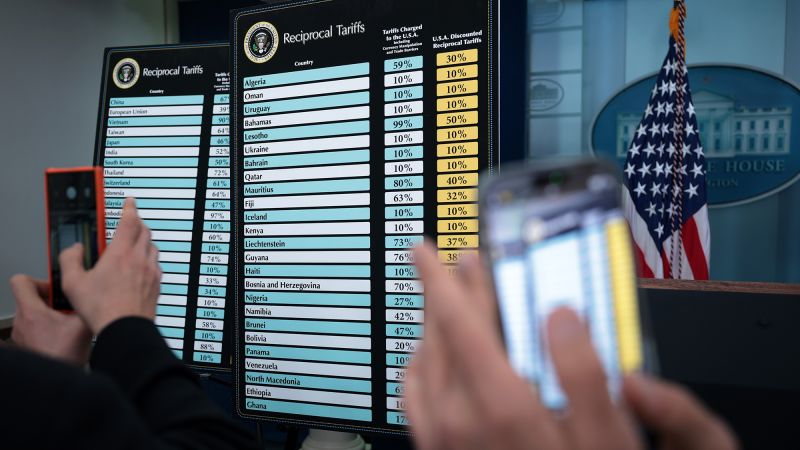
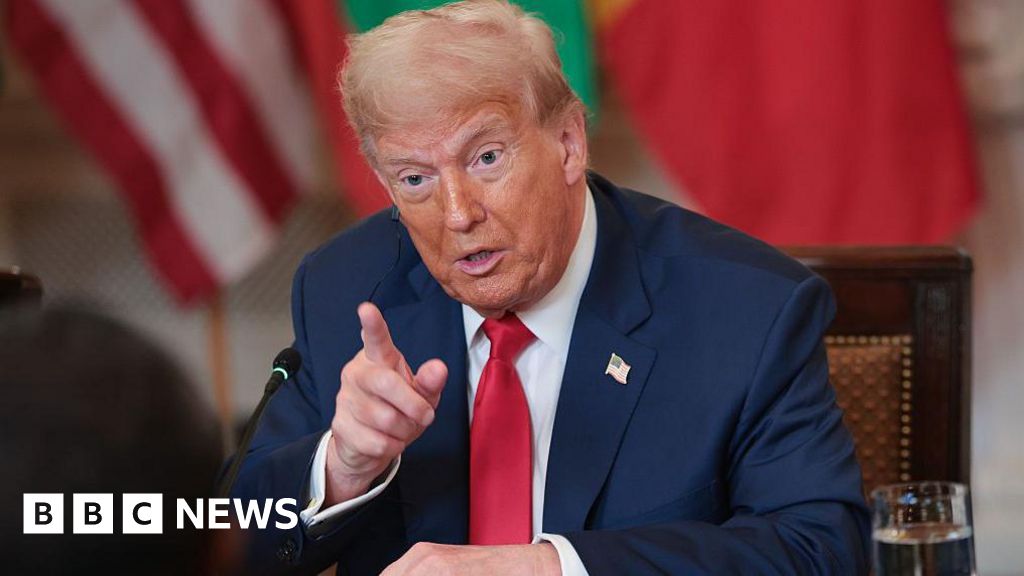
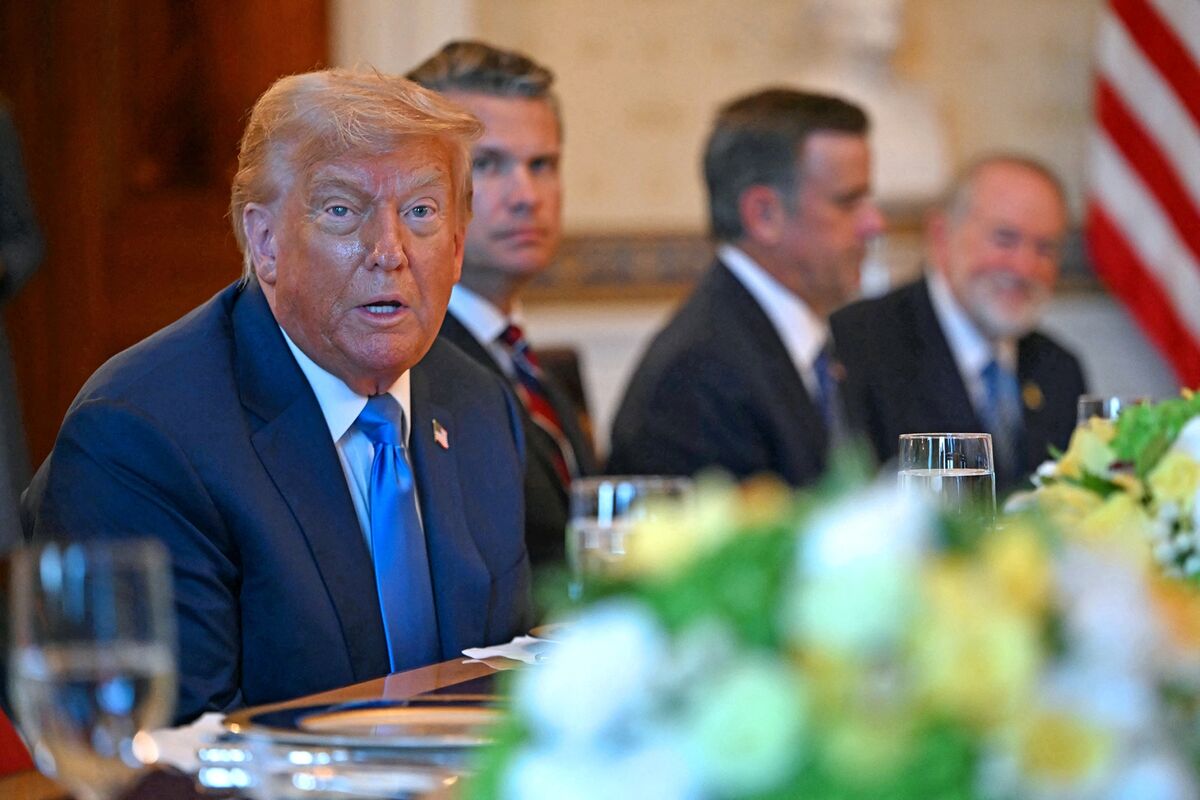
Former President Donald Trump has ignited international tensions by threatening a staggering 200% tariff on French wines and champagnes. The provocative move stems from French President Emmanuel Macron's reported snub of Trump's proposed 'Board of Peace' initiative for Gaza, which aims to sideline UN efforts with a new high-level panel. Macron labeled the threats as "useless aggression" during the Davos summit, vowing to protect established global frameworks.[1][2]
Macron's Rejection and Escalating Clashes
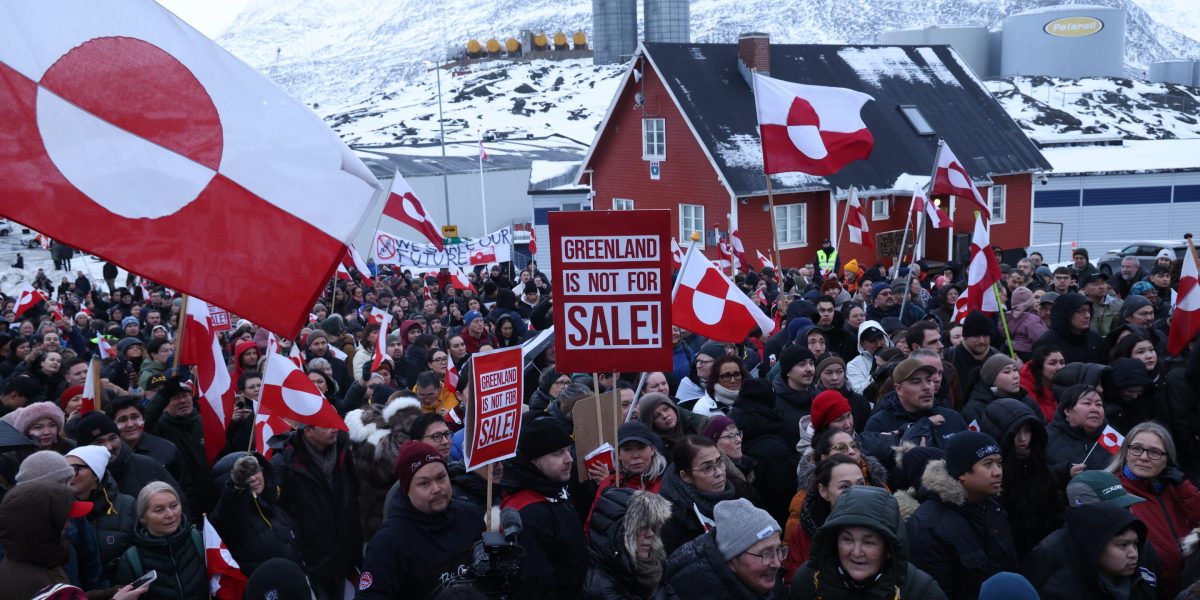
Macron's refusal highlights France's commitment to multilateralism, viewing the board as a colonial-style overreach. Trump, undeterred, reiterated ambitions like controlling Greenland, predicting minimal pushback from European leaders. EU officials promise a united front, while French producers warn of broader economic fallout beyond bottles, affecting trade ties and markets.[3]
Global Trade Implications
This feud could reshape transatlantic relations, with Canada cautiously supporting the board but rejecting a $1 billion entry fee. As Davos unfolds, expect heated exchanges testing alliance resilience amid Trump's aggressive economic diplomacy.[2]
About the People Mentioned
Donald Trump
Donald John Trump, born June 14, 1946, in Queens, New York, is an American businessman, media personality, and politician. He graduated from the University of Pennsylvania’s Wharton School in 1968 with a degree in economics. In 1971, he took over his family’s real estate business, renaming it the Trump Organization, through which he expanded into building and managing skyscrapers, hotels, casinos, and golf courses. Trump gained widespread fame as the host of the reality TV show *The Apprentice* from 2004 to 2015, which helped establish his public persona as a successful entrepreneur. Trump entered politics as a Republican and was elected the 45th president of the United States, serving from 2017 to 2021. His presidency was marked by significant policy actions including tax cuts, deregulation, the appointment of three Supreme Court justices, renegotiation of trade agreements (notably replacing NAFTA with the USMCA), and a focus on immigration control including border wall expansion. He withdrew the U.S. from international agreements such as the Paris Climate Accord and the Iran nuclear deal, and engaged in a trade war with China. His administration’s response to the COVID-19 pandemic was criticized for downplaying the virus’s severity. Trump was impeached twice by the House of Representatives—first in 2019 for abuse of power and obstruction, and again in 2021 for incitement of insurrection—but was acquitted by the Senate both times. After losing the 2020 election to Joe Biden, Trump challenged the results, culminating in the January 6, 2021, Capitol riot. He remains a central figure in American politics, having won the 2024 presidential election and returned as the 47th president in 2025, continuing to promote policies aimed at economic growth, border security, and military strength[1][2][3][4].
Emmanuel Macron
Emmanuel Jean-Michel Frédéric Macron, born December 21, 1977, in Amiens, France, is the current President of France, a position he has held since May 2017. He is the youngest president in French history, elected at age 39. Macron founded the centrist political movement La République En Marche! in April 2016, which won a majority in the 2017 legislative elections. Before his presidency, he studied philosophy and graduated from the École Nationale d’Administration (ENA) in 2004, worked at the Inspectorate General of Finance, and served in the banking sector. He entered politics as Deputy General Secretary of the Presidency in 2012 and was Minister for Economy, Industry, and Digital Affairs from 2014 to 2016[1][2][3]. During his presidency, Macron has implemented significant reforms including changes to labor laws, taxation, and the pension system. He has also prioritized the transition to renewable energy. His policies sparked widespread protests, notably the "yellow vests" movement from 2018 to 2020 and strikes against pension reforms. Macron managed France’s response to the COVID-19 pandemic, overseeing vaccination efforts and economic measures to address the recession[1]. In foreign policy, Macron has been active in reforming the European Union, strengthening ties with Germany and Italy, negotiating trade agreements with China amid the US-China trade war, and confronting security challenges including the AUKUS pact dispute. He has maintained France’s military efforts against ISIS and condemned Russia’s invasion of Ukraine[1]. Macron was re-elected in April 2022, marking the first French president in 20 years to secure a second term. His leadership continues to shape France’s domestic and international policies as of 2025[2][3][5].
About the Organizations Mentioned
United Nations
The United Nations (UN) is a pivotal international organization established in 1945, following the devastation of World War II, with the primary goal of maintaining global peace and security, fostering international cooperation, and promoting social progress. The UN Charter, signed by 51 founding member states, including the United States, the United Kingdom, China, and the Soviet Union, laid the foundation for this ambitious endeavor[1][3]. ## History and Structure The UN was born out of the failures of its predecessor, the League of Nations, which failed to prevent World War II. Key planning meetings, such as the Dumbarton Oaks Conference in 1944, defined the UN's structure, which includes the General Assembly, the Security Council, the Economic and Social Council, the Trusteeship Council, the International Court of Justice, and the Secretariat[1][6]. The Security Council, with five permanent members (the United States, China, France, Russia, and the United Kingdom), holds significant influence due to its veto power[2]. ## Key Achievements Over the years, the UN has played a crucial role in conflict resolution, human rights advocacy, and sustainable development. Notable achievements include the establishment of the Universal Declaration of Human Rights in 1948 and the implementation of numerous peacekeeping missions worldwide[3][4]. The UN has also been instrumental in addressing global challenges such as climate change and pandemics through its various programs and agencies. ## Current Status Today, the UN comprises 193 member states, with its most recent addition being South Sudan in 2011[5]. The organization continues to evolve, addressing emerging issues like digital governance and cybersecurity. Despite challenges, the UN remains a cornerstone of international diplomacy and cooperation. ## Notable Aspects The UN's work is not limited to politics; it also impacts business and technology through initiatives that promote sustainable development and digital inclusion. Its role in setting global standards and fostering international cooperation makes it a significant player in shaping the
European Union
The European Union (EU) is a unique economic and political partnership between 27 European countries, aiming to promote peace, stability, and economic cooperation. Established in 1993, the EU has evolved significantly since its inception, with key milestones including the introduction of the euro currency in 1999 and the expansion to include 27 member states. **History and Key Achievements:** - **Founding:** The EU's origins trace back to the European Coal and Steel Community (ECSC) in 1951, which evolved into the European Economic Community (EEC) in 1957. Over time, it expanded into the European Union with the Maastricht Treaty in 1992. - **Economic Integration:** The EU has fostered economic integration through the Single Market, allowing free movement of goods, services, and people among member states. - **Common Currency:** The euro, introduced in 1999, is used by 20 of the 27 member states, promoting economic stability and facilitating trade. **Current Status:** - **Challenges:** The EU faces ongoing challenges, including climate change, migration, and geopolitical tensions, particularly with Russia's aggression in Ukraine. - **Economic Outlook:** Euro area growth is forecast to remain weak in 2025, with GDP projected to expand by less than 1%[8]. - **Innovative Initiatives:** The EU is actively working on enhancing its technological and economic competitiveness, with initiatives like the Clean Industrial Deal and the Competitiveness Compass[4]. **Notable Aspects:** - **State of the Union Address:** The annual State of the Union address by the European Commission President outlines key priorities and initiatives for the year ahead, such as Ursula von der Leyen's 2025 address focusing on security, Ukraine support, and climate action[1][5]. - **Global Influence:** The EU is a significant player in global affairs, with initiatives like the Global Gateway aimed at sustainable development