Trump Threatens Iran Over Nuclear Ambitions as Global Tensions Rise

Trump's Stark Warning to Iran on Nuclear Ambitions
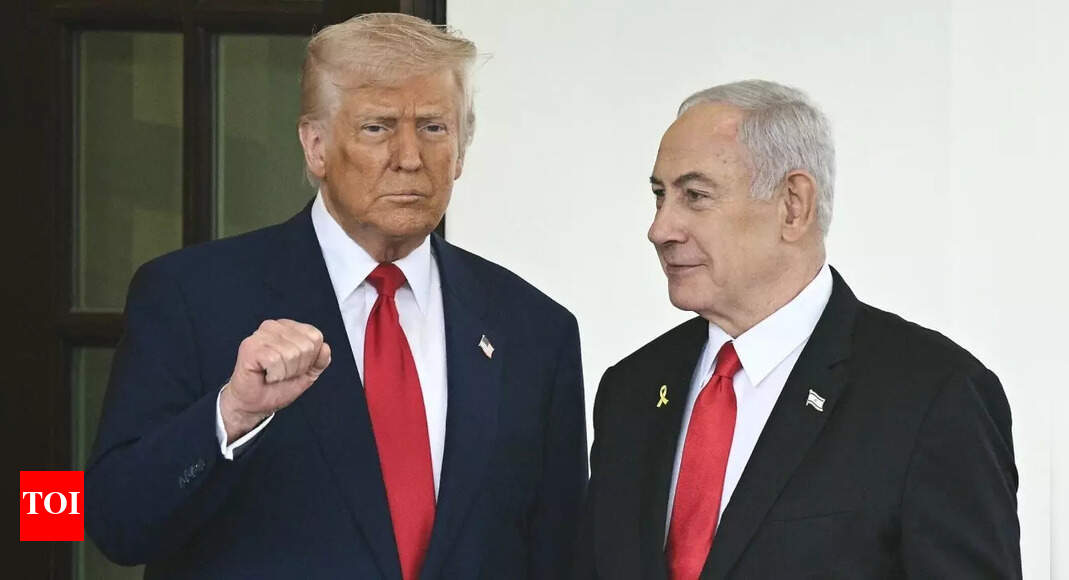
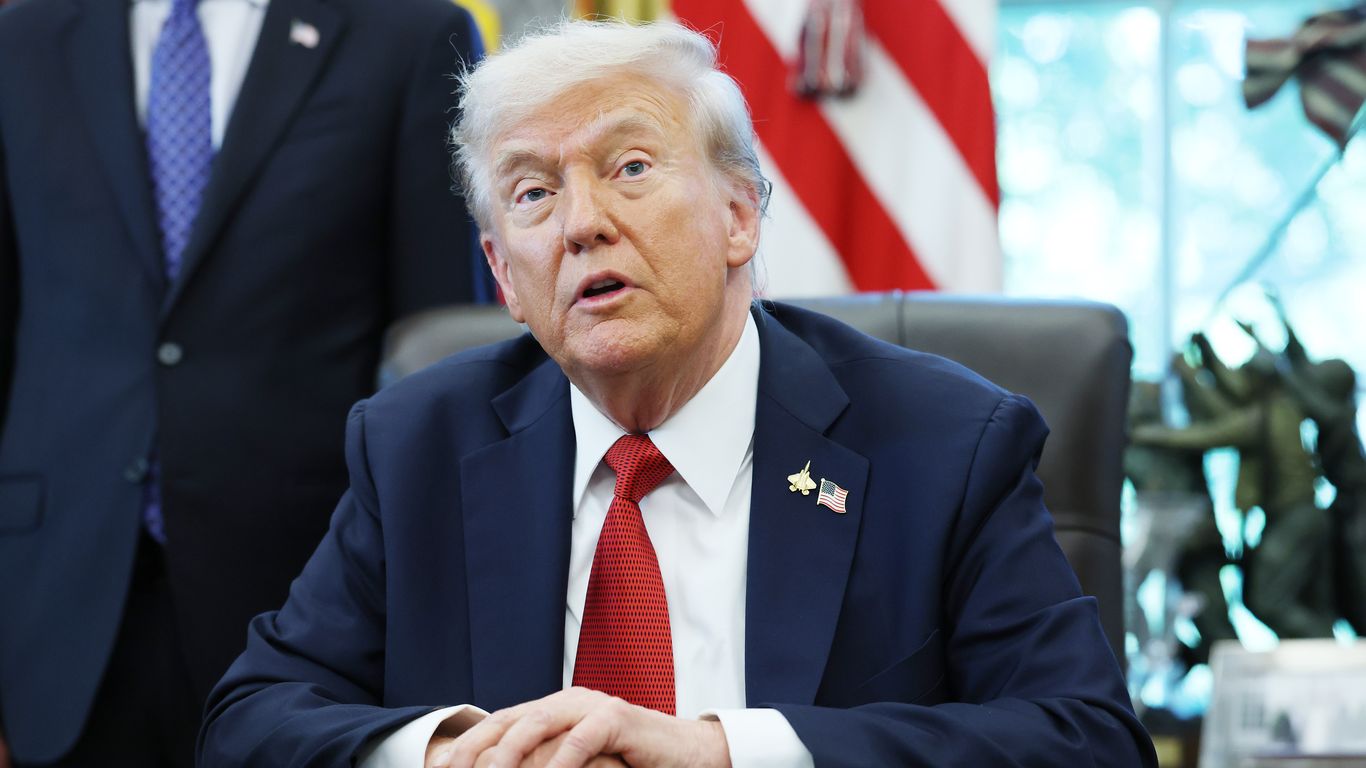
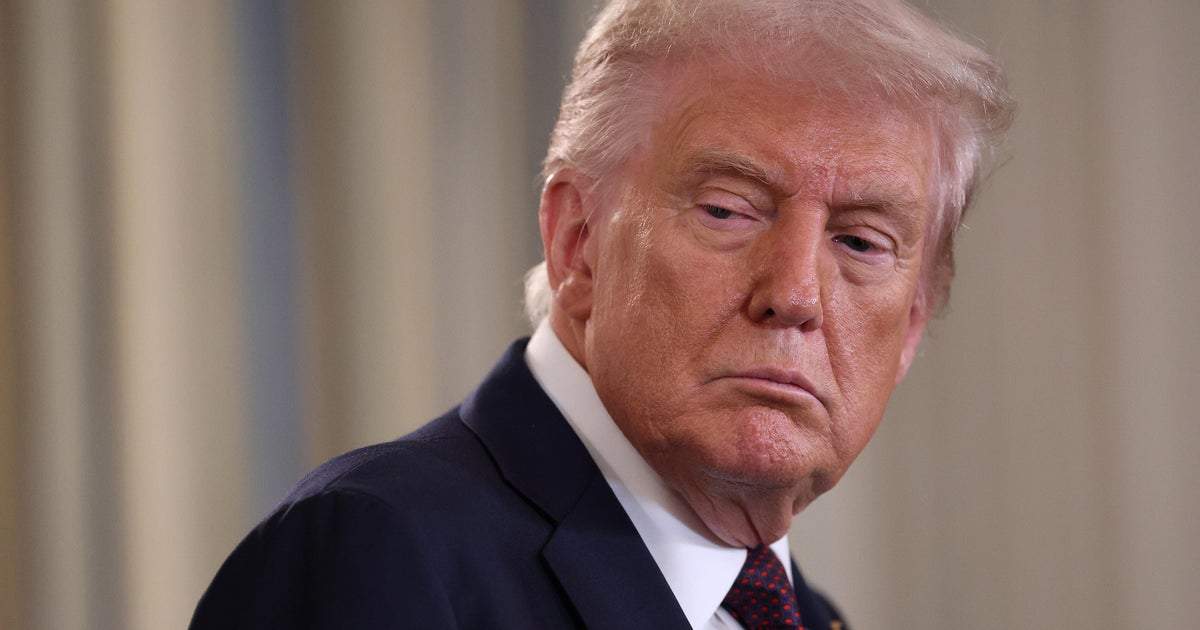
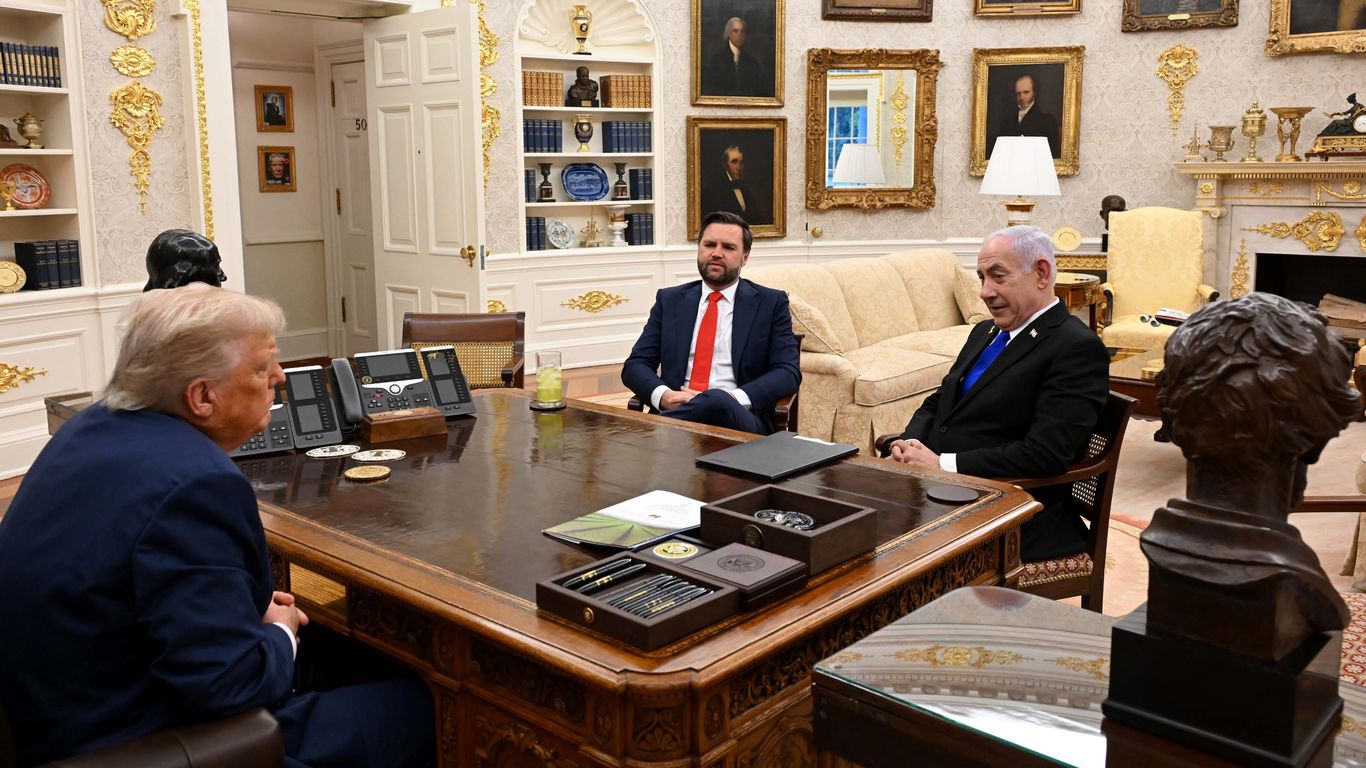
US President Donald Trump has issued a forceful threat against Iran, vowing strikes if it resumes its nuclear program. Speaking at Mar-a-Lago during talks with Israeli Prime Minister Benjamin Netanyahu, Trump declared he would "knock the hell out of them" to prevent any rebuilding, echoing his maximum pressure campaign reinstated in February 2025. This follows secret US bombings of three Iranian sites in June, which Trump claims set back their capabilities by decades, though assessments suggest only months.[2][1]
Escalating Tensions Amid Failed Diplomacy
Trump's rhetoric intensified after Iran's rejection of a May nuclear proposal demanding full uranium enrichment dismantlement. Khamenei dismissed it as outrageous, while Iran tested new ballistic missiles and threatened US bases. Earlier, Trump warned Khamenei in a March letter of military consequences for non-compliance, alongside sanctions slashing oil exports. Netanyahu's visit focused on countering Iran's regional proxies like Houthis and Hamas.[1][2]
Implications for Global Security
Trump also cautioned Hamas of a "very short period" to disarm, linking Middle East stability to Iran's actions. With Iran vowing harsh responses and denying weapon pursuits, risks of renewed conflict loom large. The administration insists all options remain on the table, potentially reshaping nuclear negotiations and alliances.[3][4]
About the People Mentioned
Donald Trump
Donald John Trump, born June 14, 1946, in Queens, New York, is an American businessman, media personality, and politician. He graduated from the University of Pennsylvania’s Wharton School in 1968 with a degree in economics. In 1971, he took over his family’s real estate business, renaming it the Trump Organization, through which he expanded into building and managing skyscrapers, hotels, casinos, and golf courses. Trump gained widespread fame as the host of the reality TV show *The Apprentice* from 2004 to 2015, which helped establish his public persona as a successful entrepreneur. Trump entered politics as a Republican and was elected the 45th president of the United States, serving from 2017 to 2021. His presidency was marked by significant policy actions including tax cuts, deregulation, the appointment of three Supreme Court justices, renegotiation of trade agreements (notably replacing NAFTA with the USMCA), and a focus on immigration control including border wall expansion. He withdrew the U.S. from international agreements such as the Paris Climate Accord and the Iran nuclear deal, and engaged in a trade war with China. His administration’s response to the COVID-19 pandemic was criticized for downplaying the virus’s severity. Trump was impeached twice by the House of Representatives—first in 2019 for abuse of power and obstruction, and again in 2021 for incitement of insurrection—but was acquitted by the Senate both times. After losing the 2020 election to Joe Biden, Trump challenged the results, culminating in the January 6, 2021, Capitol riot. He remains a central figure in American politics, having won the 2024 presidential election and returned as the 47th president in 2025, continuing to promote policies aimed at economic growth, border security, and military strength[1][2][3][4].
Benjamin Netanyahu
Benjamin Netanyahu, born on October 21, 1949, in Tel Aviv, Israel, is a prominent Israeli politician and diplomat who has served as Prime Minister of Israel three times (1996–1999, 2009–2021, and from 2022 onwards). He began his career in the Israeli military's special operations and later transitioned into politics in the late 1980s, joining the Likud party[1][2]. Netanyahu first became prime minister in 1996, during which time he signed the Hebron and Wye Accords, advancing peace efforts with the Palestinians. His administration focused on economic reforms such as government privatization, liberalizing currency regulations, and reducing deficits. After losing the 1999 election, he served as foreign minister and finance minister before reclaiming the Likud leadership in 2005[1][3][4]. Returning as prime minister in 2009, Netanyahu formed a national unity government and proposed a demilitarized Palestinian state recognizing Israel as the Jewish state, emphasizing security concerns. His tenure was marked by fluctuating peace negotiations with the Palestinians and contentious policies including settlement expansions. He also maintained a hawkish stance on Iran and supported the Iraq war[1][3][5]. In 2022, Netanyahu made a political comeback as prime minister, leading a coalition that included far-right parties. His leadership during this period has been pivotal amid the 2023–2024 Israel-Hamas conflict, with significant domestic and international implications[2]. Netanyahu is Israel’s longest-serving prime minister and remains a central figure in Israeli politics, known for his strong security policies, economic reforms, and complex role in the Israeli-Palestinian conflict. His career has been marked by both political resilience and controversy, reflecting his enduring influence on Israel’s domestic and foreign affairs[2][3][5].
Ali Khamenei
**Ali Khamenei: Supreme Leader of Iran** **Ali Khamenei** is the Supreme Leader of Iran, the country's highest religious and political authority, a position he has held since 1989.[2][3] Born on July 17, 1939, in Mashhad, Iran, Khamenei rose to prominence as a key figure in the 1979 Islamic Revolution and became a close confidant of Ayatollah Khomeini.[1][5] Khamenei's political career advanced significantly during the Iran-Iraq War. He served as president of Iran from 1981 to 1989, initially elected following the assassination of President Mohammad-Ali Rajai in 1981.[1][5] During his presidency, he oversaw the government during the war and supported the clerical ruling elite, though his tenure was also marked by the arrest, imprisonment, and execution of dissidents.[3] In 1982, he survived an assassination attempt that paralyzed his right arm.[5] Following Ayatollah Khomeini's death in June 1989, the Assembly of Experts appointed Khamenei as the next Supreme Leader, despite his not meeting the traditional qualifications at the time.[2][3] The constitution was revised to require only that the supreme leader be an expert in Islamic law with government experience, clearing the path for his elevation.[3] As Supreme Leader, Khamenei wields substantial authority over Iran's judiciary, military, and media, and appoints the Guardian Council that oversees elections and legislation.[3][8] He has been instrumental in shaping Iran's nuclear program and approved the 2015 Joint Comprehensive Plan of Action (JCPOA) nuclear agreement, while maintaining a skeptical public stance during international negotiations.[2] Over more than three decades in power, Khamenei has consolidated near-absolute authority by centralizing power and positioning loyalists in key government positions.[2][7] In 2021, his preferred candidate, Ebrahim Raisi, won the presidential election, ensuring that major power centers remain under Khamenei's influence and that of his conservative allies.[7] Forbes and Time have recognized him as one of the world's most powerful figures.
About the Organizations Mentioned
Hamas
**Hamas** is a Sunni Islamist Palestinian nationalist organization that functions both as a political party and a militant group, primarily operating in the Gaza Strip, which it has governed since 2007. Founded in 1987 by Ahmed Yassin amid the First Intifada, Hamas emerged from the Muslim Brotherhood and initially had covert Israeli support as a counterweight to the secular Palestinian Liberation Organization (PLO)[3][1]. It combines political governance with an armed wing, the al-Qassam Brigades, committed to armed resistance against Israel, which it refuses to recognize as a legitimate state[1][3]. Hamas’s political rise culminated in a 2006 electoral victory in the Palestinian Legislative Council, campaigning on anti-corruption and resistance platforms. After violently seizing Gaza from the rival Fatah faction in 2007, Hamas has maintained de facto control there despite international isolation and blockades imposed by Israel and Egypt[3]. Its governance has been marked by repeated conflicts with Israel, including major wars in 2008–09, 2012, 2014, 2021, and the ongoing intense conflict triggered by Hamas’s surprise October 2023 attack killing nearly 1,200 Israelis and taking hostages[1][2][3]. Hamas benefits from regional support, especially from Iran, which supplies funding and weapons, as well as financial and political backing from Turkey and Qatar. These alliances form part of a broader "axis of resistance" against Israel, which includes groups like Hezbollah and Palestinian Islamic Jihad[2]. Hamas also operates fundraising networks globally, sometimes using charities as fronts to support its military activities[4]. The group is designated a terrorist organization by many countries, including the United States, which has increased military aid to Israel following recent escalations[2][6]. Despite modifying its 1988 charter in 2017 to soften some language, Hamas continues to reject Israel’s legitimacy and pursues all forms of resistance[1]. Its enduring political
Houthis
The Houthis, officially known as **Ansar Allah**, are a Zaydi revivalist and Islamist political-military organization that emerged in Yemen in the 1990s, drawing leadership primarily from the al-Houthi family[1]. Initially a small, localized movement opposing perceived government corruption and foreign influence, the group has transformed into a major regional actor with significant influence over Yemen’s political and military landscape[5]. The Houthis are predominantly Zaydi Shia Muslims, a minority in Yemen, and are widely seen as part of the Iranian-led “Axis of Resistance,” receiving substantial support from Tehran[1][3]. ## History and Evolution The Houthi movement began as the “Believing Youth,” a religious revivalist group, but gained prominence in 2004 when its founder, Hussein al-Houthi, was killed by Yemeni forces, sparking a series of uprisings known as the Houthi Wars[1][6]. Over the next decade, the group capitalized on Yemen’s political instability, notably during the Arab Spring, to expand its territorial control[6]. In 2014, the Houthis seized the capital, Sanaa, and by early 2015, they had dissolved the government, prompting a Saudi-led military intervention that escalated into a full-blown civil war[6][7]. Despite initial setbacks from coalition airstrikes, the Houthis not only survived but grew stronger, adapting their organizational structure and military tactics[5]. ## Key Achievements and Current Status The Houthis’ most notable achievement is their consolidation of power over much of northern Yemen, including the capital, despite international isolation and military opposition[5][6]. They have demonstrated resilience against one of the region’s most powerful militaries (Saudi Arabia) and have developed sophisticated missile and drone capabilities, reportedly with Iranian assistance[1][3]. Their attacks on international shipping in the Red Sea have