Waymo Resumes Robotaxi Service in San Francisco After Blackout Disruption

Waymo Resumes Robotaxi Service in San Francisco After Blackout Disruption
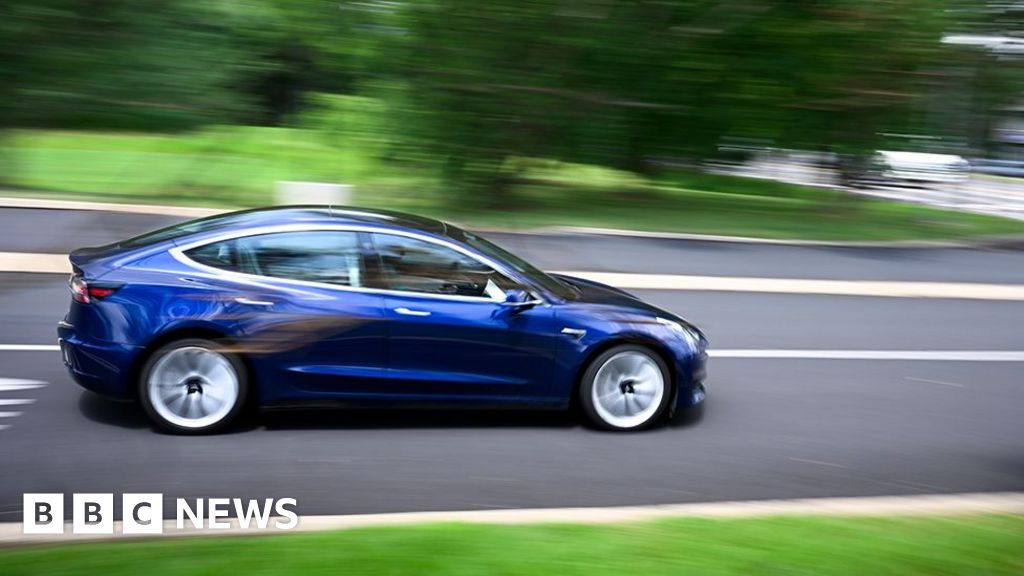
Waymo has swiftly resumed its autonomous ride-hailing operations in San Francisco following a brief suspension caused by a massive citywide blackout. On Saturday evening, the power outage left numerous Jaguar I-PACE robotaxis stalled on busy streets, highlighting vulnerabilities in self-driving tech during unexpected crises. Passengers relying on the Waymo app for convenient, emission-free rides from Sunset to San Jose faced sudden halts as vehicles lost power mid-journey.
The Blackout Incident and Waymo's Quick Response
The blackout, affecting key districts, immobilized Waymo's all-electric fleet, which boasts over 100 million miles of real-world driving experience. Safety protocols kicked in automatically, ensuring no accidents amid the chaos. Waymo's team worked overnight to recharge and reposition vehicles, restoring full service by Sunday morning. This event underscores the company's rigorous safety framework, tested across multiple states.
Implications for Autonomous Mobility in Urban Areas
While the disruption was short-lived, it sparks discussions on resilience against power failures in electric autonomous fleets. Waymo's rapid recovery reinforces its commitment to safe, sustainable transport, partnering with local groups for seniors and the LGBTQIA+ community. Riders can now download the app confidently, enjoying human-free journeys that prioritize reliability and eco-friendliness in the Bay Area.
About the Organizations Mentioned
Waymo
Waymo is a leading autonomous vehicle technology company that evolved from Google’s self-driving car project launched in 2009 and became an independent subsidiary under Alphabet in 2016. Its mission is to make transportation safer and more accessible by developing fully self-driving technology that eliminates human error, which currently causes millions of traffic fatalities worldwide. Waymo aims to offer freedom of movement, sustainability, and efficiency through its advanced autonomous driving systems[5]. Waymo’s key milestones include the first fully autonomous ride on public roads in 2015 and launching the first driverless taxi service to the public in Phoenix, Arizona, in 2020. Since then, it has expanded commercial autonomous ride-hailing to cities like Los Angeles, San Francisco, Austin, and Atlanta, handling over 250,000 trips per week with a fleet of more than 1,500 self-driving vehicles, mainly Jaguar I-PACEs[1][3][4]. The company has completed over 100 million autonomous miles on public roads and provided over 10 million paid rides, reflecting its leadership in the robotaxi market[1][6]. Waymo is notable for its deep expertise in both hardware and software, including sensor suites and motion control systems developed at its technology and assembly centers in Michigan and Arizona. It also partners with major automotive manufacturers like Toyota and Jaguar Land Rover to build and scale its vehicles[2][6]. In October 2024, Waymo raised $5.6 billion at a $45 billion valuation, supported by investments from Alphabet, Andreessen Horowitz, Tiger Global, and others, marking it as a high-value autonomous mobility platform with significant growth potential[1][2]. Looking forward, Waymo is preparing to expand internationally with plans to launch fully autonomous ride services in London in 2026, leveraging its UK engineering hubs and local partnerships. It is also growing its corporate travel business and integrating with airports and public transit systems to compete with traditional ride-hailing companies[3][6]. Unde