Why the iPad Is Becoming Obsolete: iPhone Fold and Touchscreen MacBooks
Why the iPad Is Becoming Obsolete
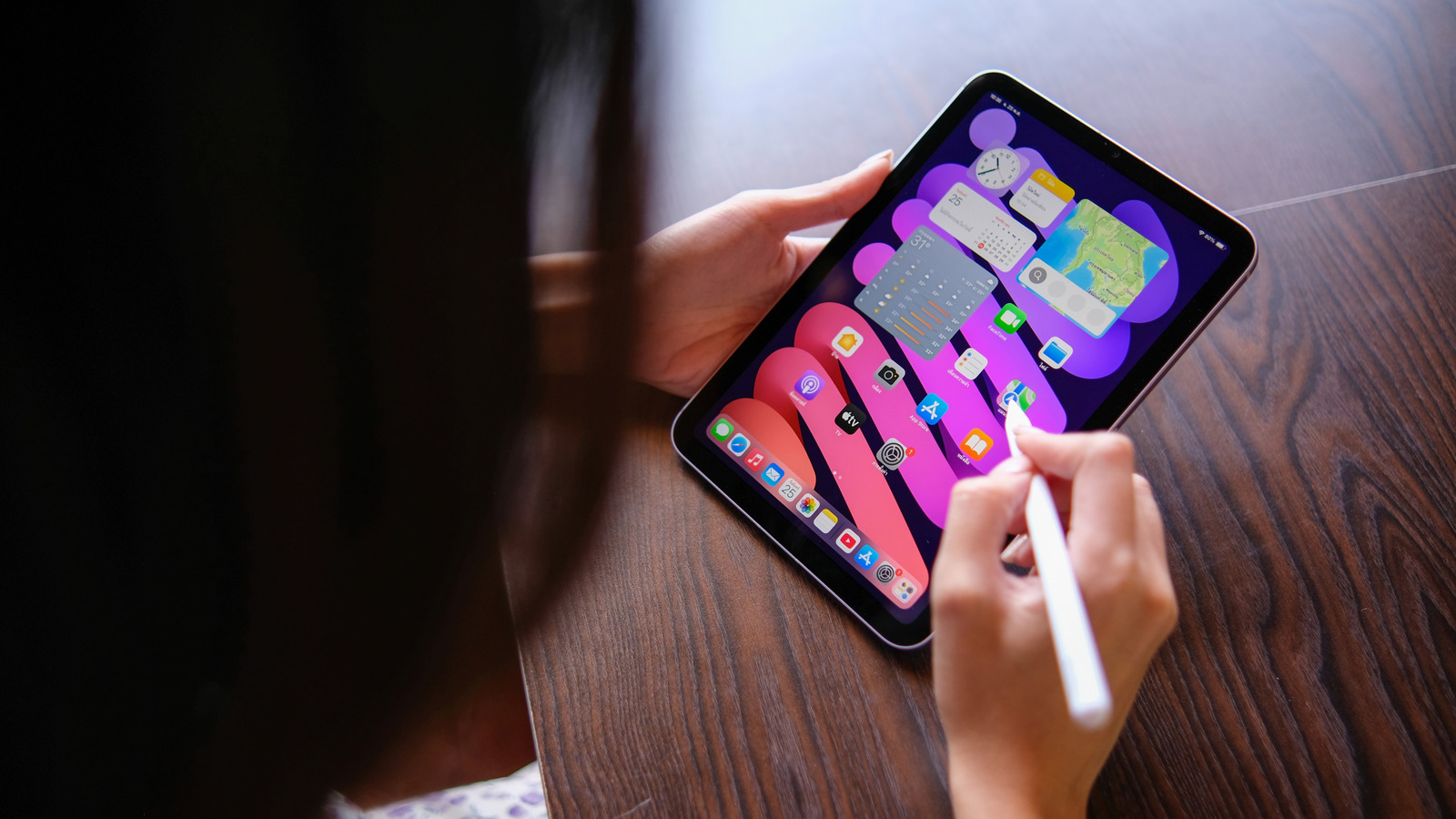
Apple's ecosystem is evolving rapidly, rendering the iPad increasingly redundant. With rumors swirling around the iPhone Fold's September 2026 launch, this foldable powerhouse—featuring a 7.6-inch crease-free display when unfolded—mirrors an iPad mini's size and versatility. Priced above $2,000, it promises seamless phone-to-tablet transitions, handling multitasking, media consumption, and even Apple Pencil-like support without a separate device.[1][3][5]
iPhone Fold: The Tablet Killer
Imagine a book-style iPhone that unfolds into a portable workstation, powered by the A20 Pro chip alongside iPhone 18 Pro models. Analysts predict strong sales, capturing over 20% foldable market share despite premium pricing. This isn't just a phone; it's a compact iPad replacement for on-the-go productivity, video calls, and immersive viewing, eliminating the need for dual-device carry.[1][4][6]
Touchscreen MacBook Seals the Deal
Adding fuel, whispers of a touchscreen MacBook in 2026 introduce full macOS flexibility to laptop form factors. Pair this with the iPhone Fold's capabilities, and iPad's niche—bridging phone and laptop—vanishes. Apple's staggered releases prioritize high-margin innovations, urging users to ditch stagnant slates for dynamic, all-in-one futures.[4][5]
About the Organizations Mentioned
Apple
Apple Inc. is a leading American multinational technology company known for pioneering personal computing, mobile devices, and software ecosystems. Founded in 1976 by Steve Jobs and Steve Wozniak, Apple revolutionized technology with the first commercially successful personal computer and mainstream adoption of the graphical user interface (GUI), setting new standards in product design, user experience, and seamless integration across devices[2]. Headquartered in Cupertino, California, Apple’s product lineup includes the iPhone, iPad, Mac computers, Apple Watch, AirPods, and services such as the App Store, Apple Music, and iCloud. The company has built a vast ecosystem that enables third-party developers to expand product functionalities, strengthening its market dominance. Apple is widely recognized for its innovation in hardware, software, and services, with an emphasis on aesthetics and privacy. In 2025, Apple committed to its largest-ever investment initiative, pledging $600 billion over four years in the United States to boost manufacturing, research and development, and advanced technology sectors like artificial intelligence (AI) and silicon engineering[1][3]. This includes new manufacturing facilities, expanded R&D centers, and a program called the American Manufacturing Program (AMP) to encourage domestic production of critical components. These efforts support over 450,000 U.S. jobs and aim to establish a robust supply chain within the country[3]. Financially, Apple remains a powerhouse with a market capitalization of $3.84 trillion and annual revenue exceeding $400 billion. However, in 2025, it faced challenges including a 19% decline in stock value, intensified regulatory scrutiny from the U.S. Department of Justice over antitrust issues, legal disputes related to the App Store, and competitive pressure in AI technology[1][2]. Despite these hurdles, Apple continues to innovate, recently updating its software platforms with a unified "Liquid Glass" design and expanding its AI-driven personal assistant, Apple Intelligence[1]. Under CEO Tim Cook’s leadership, Apple balances technological advancement