Amazon Mass Layoffs Signal Tech Turmoil and AI Disruption

Amazon’s Staggering Layoffs Echo Familiar Tech Turmoil
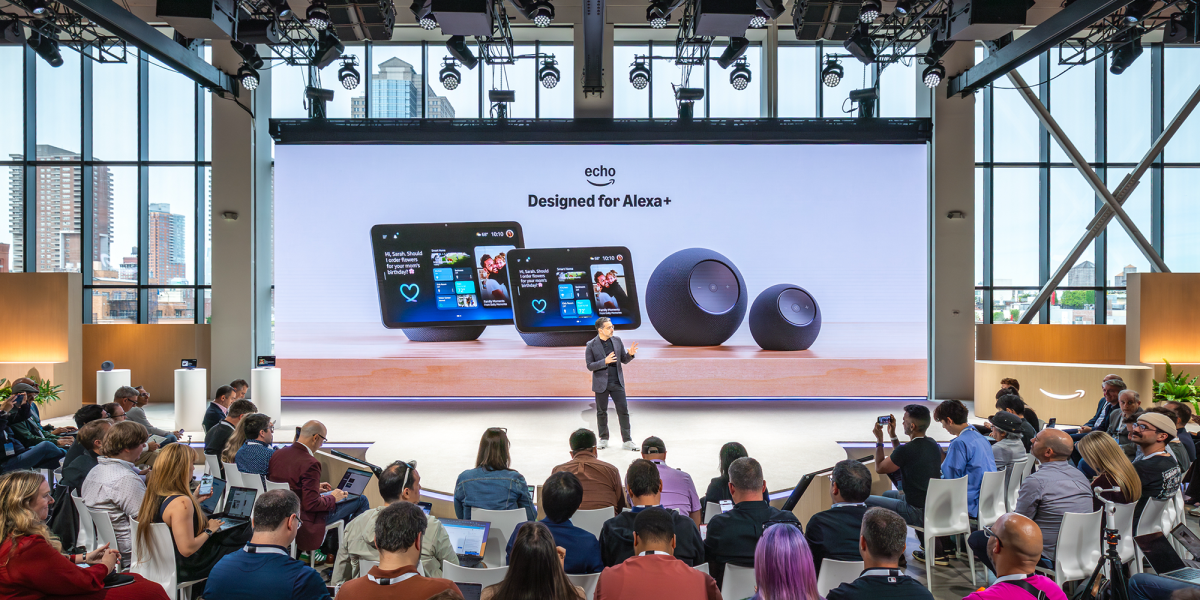
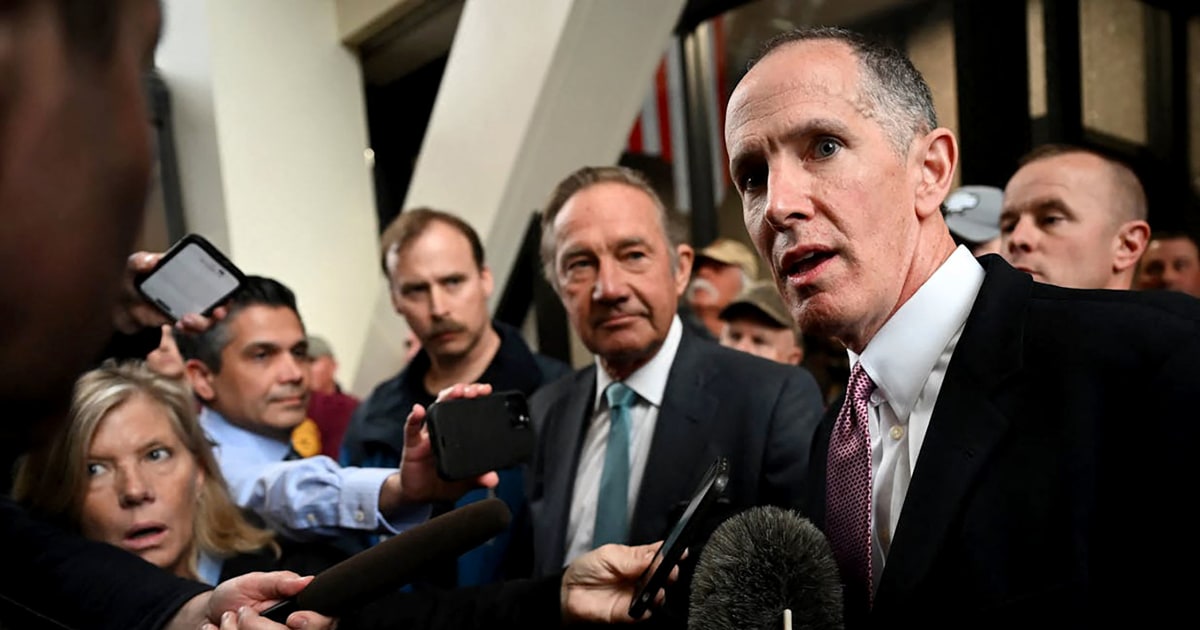
Amazon's recent announcement of 16,000 job cuts marks its largest reductions since 27,000 positions were eliminated in 2023, bringing total layoffs to nearly 30,000 since October.[1][2] This wave, driven by organizational restructuring to cut bureaucracy and boost efficiency, follows aggressive pandemic-era hiring that left the company overstaffed as demand normalized.[2] Senior VP Beth Galetti emphasized continued investment in key areas amid these changes, offering affected U.S. workers 90 days to seek internal roles plus severance and support.[1]
Roots in Overhiring and AI Disruption
Big Tech's layoff trend predates the AI boom, stemming from post-COVID corrections and economic uncertainty like inflation and policy shifts.[1][2] Amazon joins Intel, Google, and Meta in slashing thousands, with 2025 tech cuts totaling 122,549 jobs across 257 firms—down from 2024 but still signaling caution.[3] Closures of Amazon Fresh stores and biometric systems underscore a pivot to core strengths like online grocery and Whole Foods.[2]
What Lies Ahead for Workers and Economy
While Amazon insists this isn't a recurring pattern, ongoing evaluations hint at more adjustments in a fast-evolving landscape.[1][2] For employees, especially in states like New Jersey where 871 jobs vanished, transition aid softens the blow, but broader reluctance to hire amid AI's rise raises concerns for economic growth and job security.[3][4]
About the Organizations Mentioned
Amazon
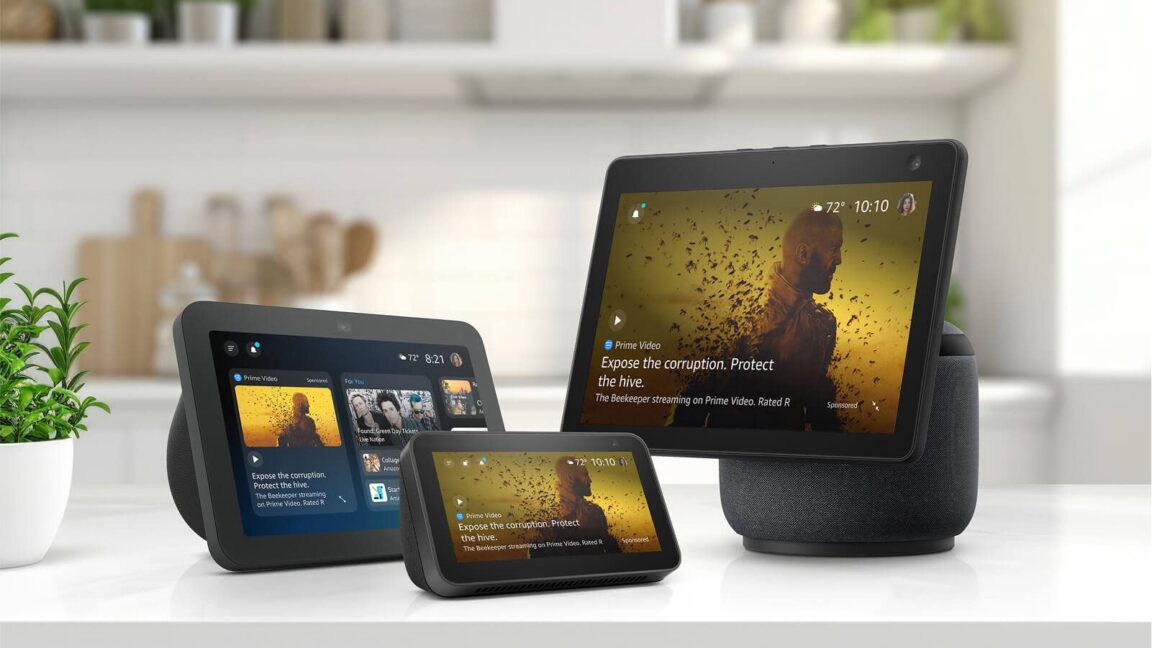
Amazon.com, Inc. is a leading American multinational technology company specializing in **e-commerce, cloud computing, digital streaming, online advertising, and artificial intelligence**. Founded in 1994 by Jeff Bezos in Bellevue, Washington, Amazon initially launched as an online bookstore but rapidly expanded into a vast online marketplace known as "The Everything Store," selling a wide array of products across numerous categories[1]. Today, it stands as the **world's largest online retailer and marketplace**. Amazon operates multiple key business segments: Amazon Marketplace for retail sales, Amazon Web Services (AWS) for cloud computing, and Amazon Prime for subscription services, all contributing substantial revenue streams and synergistic benefits[3]. AWS is a powerhouse in scalable cloud infrastructure, serving businesses globally, while Amazon Prime offers fast delivery, streaming video, music, and exclusive deals to millions of subscribers[1][3]. The company’s growth strategy focuses heavily on technological innovation, particularly in **artificial intelligence and robotics**. Its AI-powered products include Alexa, the voice assistant embedded in Echo devices. Amazon’s warehouses employ over 45,000 robots, reflecting its commitment to automation and efficiency in logistics[4]. Capital expenditures for 2025 are projected at $118 billion, emphasizing AI and cloud expansion[4]. Amazon’s notable acquisitions have broadened its market reach and diversified offerings. Key acquisitions include **Whole Foods Market (2017), MGM Studios (2022), Twitch, Ring, and IMDb**, which have enhanced its physical retail presence, media content, and smart home technology portfolio[1][3]. These moves have helped Amazon maintain market dominance with over $574 billion in annual revenue and a market capitalization exceeding $2 trillion[3]. Despite strong retail and advertising performance, Amazon faces challenges such as narrowing AWS margins and increased AI infrastructure competition. However, its Q2 2025 financials showed robust revenue growth, with net sales rising 9% to $155.7 billion, underscoring its resilience and adap
Intel
Intel Corporation is a leading American multinational technology company specializing in the design and manufacture of advanced semiconductors that power computing devices globally. Founded in 1968, Intel pioneered the development of microprocessors, becoming the dominant supplier of x86-based processors for PCs, servers, and other computing platforms. The company is known for its continuous innovation in semiconductor technology and its role in shaping the modern computing landscape. Intel's recent technological advancements include the launch of the Intel® Core™ Ultra series 3 processors (code-named Panther Lake) and Intel® Xeon® 6+ processors (Clearwater Forest), both built on the cutting-edge Intel 18A semiconductor node—currently the most advanced manufacturing node in the United States. These products are manufactured at Intel’s state-of-the-art Fab 52 facility in Chandler, Arizona, showcasing Intel's commitment to domestic production and technological leadership[1]. In the face of intense competition from rivals such as AMD and the architectural shifts exemplified by Apple’s move to its own silicon, Intel has been undergoing significant restructuring. This includes workforce reductions by approximately 15%, aiming to streamline operations, improve efficiency, and focus on core growth areas like AI and data centers. Financially, Intel reported solid demand and revenue resilience, with Q2 2025 revenue reaching $12.9 billion, exceeding guidance despite challenges from one-time costs and impairments[3][5]. The company is also enhancing its foundry business and AI roadmap to strengthen its competitive position and long-term shareholder value[3]. Intel’s strategic partnerships, including a $5 billion investment by Nvidia to jointly develop CPUs, and talks of adding AMD as a foundry customer, highlight its adaptive approach to industry dynamics[6]. Despite recent challenges and market shifts, Intel remains a crucial player in the semiconductor industry, advancing AI-enabled platforms and maintaining a significant impact on the global technology ecosystem[1][6].
Google, a subsidiary of Alphabet Inc., is a global technology leader primarily known for its internet-related products and services, including its dominant search engine, advertising platforms, cloud computing, software, and hardware offerings. Founded in 1998 by Larry Page and Sergey Brin, Google has evolved from a simple search engine into a diversified tech giant with significant influence across multiple sectors[2][8]. The company’s core business revolves around Google Services, which includes Search, YouTube, Android, Chrome, Google Maps, Google Play, and advertising. Its advertising business remains the largest revenue driver, underpinning ambitious investments in emerging technologies such as artificial intelligence (AI) and cloud computing. Google Cloud, a major growth segment, offers infrastructure, platform services, and enterprise tools like Google Workspace, providing AI-powered solutions for data analytics, cybersecurity, and collaboration[2]. Google has consistently pioneered innovations in AI, demonstrated recently at Google I/O 2025, where it showcased advances in AI-powered search and personalization, emphasizing local discovery and smarter user experiences. AI integration also reshapes local business visibility through enhancements in the Google Business Profile, enabling businesses to better engage customers with AI-driven communication and search optimization[3][5][6]. Financially, Alphabet crossed a landmark $3 trillion market capitalization in September 2025, joining a select group of tech giants due to robust revenue growth driven by AI, resilient advertising, and expanding cloud services. This milestone reflects Google’s strategic balance between its dominant ads engine and scaling innovative bets[1]. Culturally, Google in 2025 maintains its commitment to innovation, openness, and user focus while adapting to business realities. It remains a top employer, known for fostering employee empowerment and evolving workplace policies to attract and retain talent, marking its maturity as a global tech leader with over 150,000 employees[4]. In summary, Google represents a transformative force in technology and business, blending AI-driven innovation, dominant market presence, and cultural adaptability to shap
Meta
Meta Platforms, Inc., known simply as Meta, is a leading American multinational technology company headquartered in Menlo Park, California, best known for its ownership of major social media platforms such as Facebook, Instagram, WhatsApp, Messenger, and Threads[1]. Founded in 2004 as TheFacebook, Inc., it rebranded to Facebook, Inc. in 2005 and adopted the Meta name in 2021 to signal its strategic pivot towards building the "metaverse"—a digital ecosystem integrating virtual and augmented reality technologies[1]. Meta primarily generates revenue through advertising, which constituted approximately 97.8% of its total income as of 2023[1]. The company is a key player among Big Tech firms, alongside Nvidia, Microsoft, Apple, Alphabet, and Amazon, with a market capitalization of about $1.585 trillion as of early 2025[6]. It has a vast global user base, with Facebook alone boasting hundreds of millions of users in countries like India (378 million), the U.S. (194 million), Indonesia, and Brazil, supported by extensive localization efforts for over 111 languages[6]. Meta invests heavily in research and development, spending $35.3 billion in 2022, making it the world’s third-largest R&D spender[1]. Its current focus emphasizes artificial intelligence (AI) and superintelligence, with major investments such as a multibillion-dollar funding round in AI startup Scale AI in 2025, and the development of advanced AI models like Llama 4.1 and 4.2 through its Meta Superintelligence Labs[1][2]. This AI-driven shift reflects Meta’s evolving mission to empower individual users through personalized digital experiences, moving beyond its original social networking identity[2]. In addition to social media and AI, Meta pursues innovation in augmented reality (AR) and virtual reality (VR) hardware, notably through products like Meta Quest VR headsets and Ray-Ban Meta smart glasses,
Amazon Fresh
**Amazon Fresh** is a subsidiary of Amazon specializing in grocery retail, offering online delivery of fresh produce, household essentials, and select Amazon.com items, primarily targeting lower-income, diverse customers distinct from Whole Foods shoppers.[1][2][4] Launched in 2007 as an invite-only delivery service in Washington state, Amazon Fresh expanded gradually to metropolitan areas, partnering with local stores and introducing innovations like AmazonFresh Pickup in 2017—a drive-thru for Prime members.[1] Physical stores debuted in 2020 with 58 U.S. locations by 2026, featuring automated tech akin to Amazon Go convenience stores (launched 2018), which used cameras and sensors for checkout-free shopping.[2][5][6] International efforts included London stores from 2021, but UK operations faltered, closing all 19 sites by late 2025 amid underwhelming sales.[1] Key achievements included rapid online growth: by 2025, delivery reached over 5,000 U.S. cities with same-day service for perishables, boosting perishable sales 40x and making fresh items top-ordered in eligible areas. Amazon Now ultra-fast delivery tested further convenience.[3][4] These feats underscored Amazon's tech-driven logistics, blending groceries with millions of products under a Freshness Guarantee.[4] As of early 2026, Amazon Fresh pivoted dramatically. On January 27, all ~60 U.S. physical stores and ~15 Amazon Go sites closed (most by February 1), with some converting to Whole Foods, as they lacked a "distinctive customer experience" for scalable economics.[1][2][3][4][5] The brand now focuses exclusively on online delivery expansion, while Amazon invests in 100+ new Whole Foods stores, Daily Shop formats, and future concepts like supercenters.[2][3][4][5] This shift, amid 16,000 layoffs, reflects Amazon's pragmatic culture: innovate boldly
Whole Foods
**Whole Foods Market** is an American multinational supermarket chain specializing in natural and organic foods free from hydrogenated fats, artificial colors, flavors, and preservatives, positioning it as a USDA Certified Organic grocer and global leader in the sector.[1][2] Founded in 1980 with a single store in Austin, Texas, the company rapidly expanded, reaching Houston and Dallas by 1984, New Orleans via acquisition in 1988, and the West Coast in 1989 with a Palo Alto location. It went public in 1992 under Nasdaq ticker WFM and grew through mergers, including challenged acquisitions like Wild Oats that drew FTC antitrust scrutiny for reducing competition.[1] Amazon acquired Whole Foods outright in 2017, integrating it into its ecosystem and accelerating tech-driven innovations like cashierless stores and enhanced delivery.[1] Key achievements include pioneering the organic retail boom, amassing over 500 stores across North America and the UK, and launching specialized formats like the 2019 Midtown Atlanta flagship with dining and rooftop features, plus 2024's compact **Daily Shop** concept (7,000–14,000 sq ft) in Manhattan for grab-and-go essentials.[1][2] The chain comprises 17 specialized companies, emphasizing responsible sourcing, sustainability, and community giving.[1][2] Today, headquartered in Austin, Whole Foods thrives under Amazon with ongoing expansion and a workforce supporting 500+ locations.[2] It stays ahead via its Trends Council, forecasting 2026 hits like **fiber frenzy** (e.g., prebiotic oats), fine-dining frozen meals, tallow resurgence, and functional snacks such as Hu Hazelnut Butter Bites or regenerative maple butter—reflecting health, convenience, and creativity amid rising demand for gut-friendly, sustainable options.[3][4][6][7] Notable for high-quality meats, wild-caught seafood, raw cheeses, and fermented sourdough, Whole Foods blends premiu