Amazon Cyber Monday Deals Still Available: Huge Tech Discounts on Apple, Dyson, and PlayStation
Amazon Cyber Monday Deals Still Available
Amazon’s Cyber Monday sales continue to offer impressive discounts across a wide range of categories. Shoppers can still grab incredible bargains on top brands like Apple, Dyson, and PlayStation, with some deals slashing prices by up to 70%. Whether you’re upgrading your tech gadgets or hunting for perfect holiday gifts, these final sales provide excellent value.
Unbeatable Savings on Tech and More
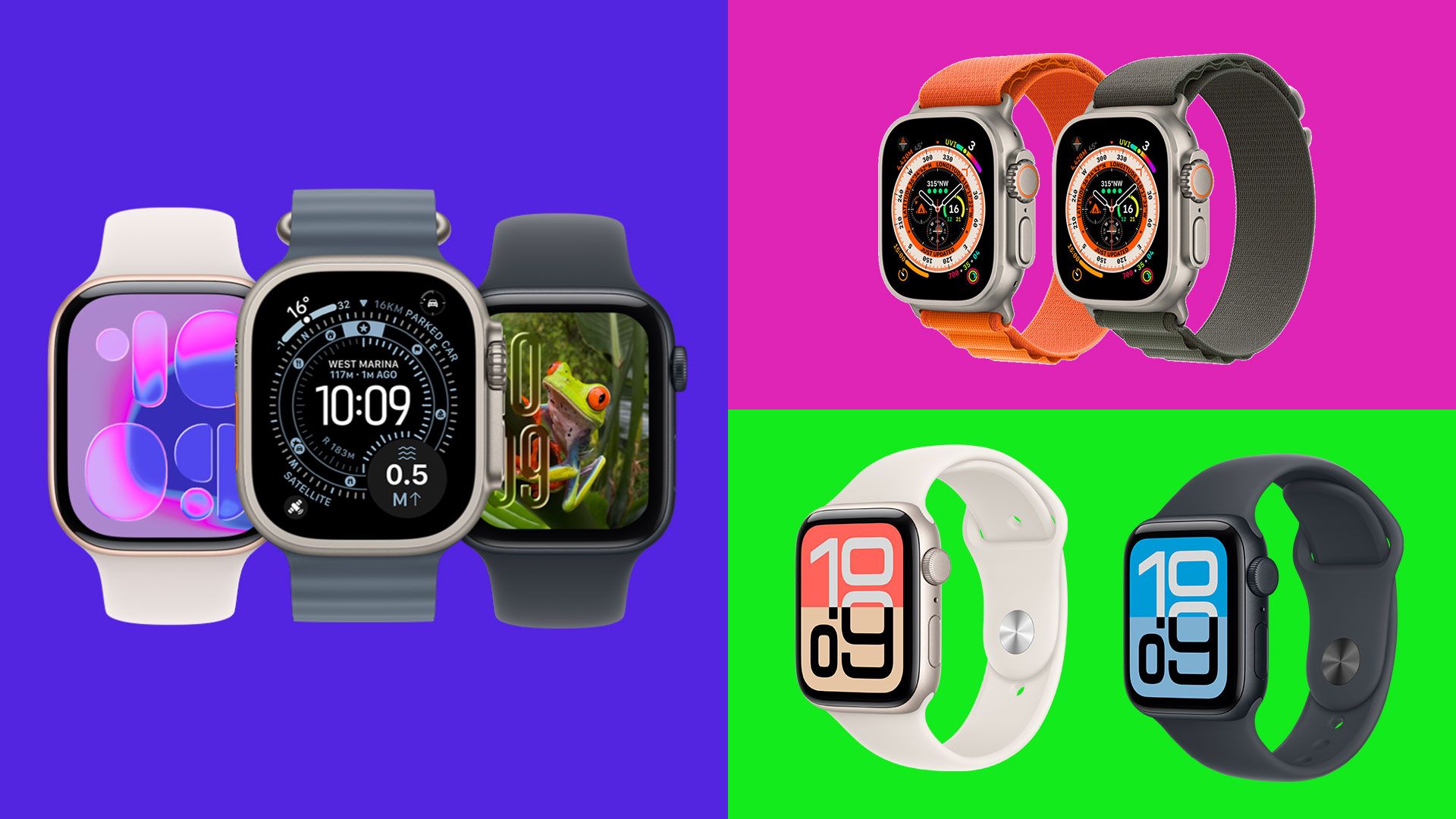
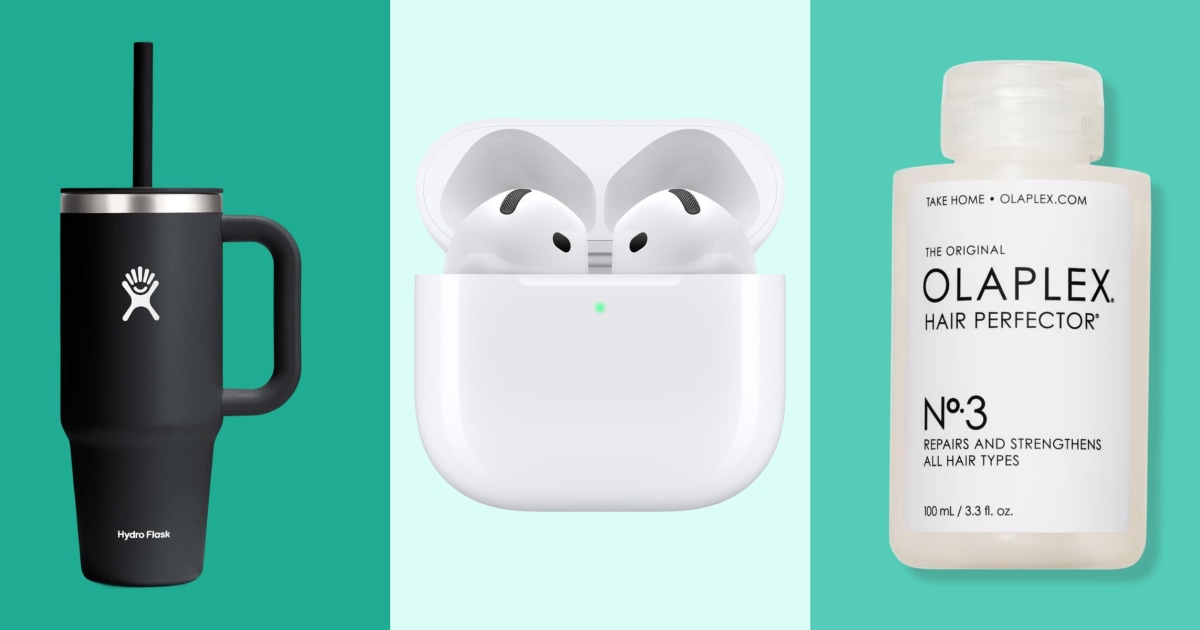
This year’s event highlights include steep markdowns on Apple devices such as AirPods and iPads, alongside Dyson’s innovative vacuum cleaners and hair care tools. PlayStation fans also benefit from reduced prices on consoles and accessories, making it an ideal time to boost your gaming setup. These deals extend beyond tech, covering household essentials and more, ensuring a broad appeal for all shoppers.
Why You Should Act Fast
With limited stock and time, these Cyber Monday offers won’t last long. Taking advantage now means securing high-quality products at exceptional prices before the holiday rush peaks. Don’t miss out on these final opportunities to save big while shopping conveniently from home.
About the Organizations Mentioned
Amazon
Amazon.com, Inc. is a leading American multinational technology company specializing in **e-commerce, cloud computing, digital streaming, online advertising, and artificial intelligence**. Founded in 1994 by Jeff Bezos in Bellevue, Washington, Amazon initially launched as an online bookstore but rapidly expanded into a vast online marketplace known as "The Everything Store," selling a wide array of products across numerous categories[1]. Today, it stands as the **world's largest online retailer and marketplace**. Amazon operates multiple key business segments: Amazon Marketplace for retail sales, Amazon Web Services (AWS) for cloud computing, and Amazon Prime for subscription services, all contributing substantial revenue streams and synergistic benefits[3]. AWS is a powerhouse in scalable cloud infrastructure, serving businesses globally, while Amazon Prime offers fast delivery, streaming video, music, and exclusive deals to millions of subscribers[1][3]. The company’s growth strategy focuses heavily on technological innovation, particularly in **artificial intelligence and robotics**. Its AI-powered products include Alexa, the voice assistant embedded in Echo devices. Amazon’s warehouses employ over 45,000 robots, reflecting its commitment to automation and efficiency in logistics[4]. Capital expenditures for 2025 are projected at $118 billion, emphasizing AI and cloud expansion[4]. Amazon’s notable acquisitions have broadened its market reach and diversified offerings. Key acquisitions include **Whole Foods Market (2017), MGM Studios (2022), Twitch, Ring, and IMDb**, which have enhanced its physical retail presence, media content, and smart home technology portfolio[1][3]. These moves have helped Amazon maintain market dominance with over $574 billion in annual revenue and a market capitalization exceeding $2 trillion[3]. Despite strong retail and advertising performance, Amazon faces challenges such as narrowing AWS margins and increased AI infrastructure competition. However, its Q2 2025 financials showed robust revenue growth, with net sales rising 9% to $155.7 billion, underscoring its resilience and adap
Apple
Apple Inc. is a leading American multinational technology company known for pioneering personal computing, mobile devices, and software ecosystems. Founded in 1976 by Steve Jobs and Steve Wozniak, Apple revolutionized technology with the first commercially successful personal computer and mainstream adoption of the graphical user interface (GUI), setting new standards in product design, user experience, and seamless integration across devices[2]. Headquartered in Cupertino, California, Apple’s product lineup includes the iPhone, iPad, Mac computers, Apple Watch, AirPods, and services such as the App Store, Apple Music, and iCloud. The company has built a vast ecosystem that enables third-party developers to expand product functionalities, strengthening its market dominance. Apple is widely recognized for its innovation in hardware, software, and services, with an emphasis on aesthetics and privacy. In 2025, Apple committed to its largest-ever investment initiative, pledging $600 billion over four years in the United States to boost manufacturing, research and development, and advanced technology sectors like artificial intelligence (AI) and silicon engineering[1][3]. This includes new manufacturing facilities, expanded R&D centers, and a program called the American Manufacturing Program (AMP) to encourage domestic production of critical components. These efforts support over 450,000 U.S. jobs and aim to establish a robust supply chain within the country[3]. Financially, Apple remains a powerhouse with a market capitalization of $3.84 trillion and annual revenue exceeding $400 billion. However, in 2025, it faced challenges including a 19% decline in stock value, intensified regulatory scrutiny from the U.S. Department of Justice over antitrust issues, legal disputes related to the App Store, and competitive pressure in AI technology[1][2]. Despite these hurdles, Apple continues to innovate, recently updating its software platforms with a unified "Liquid Glass" design and expanding its AI-driven personal assistant, Apple Intelligence[1]. Under CEO Tim Cook’s leadership, Apple balances technological advancement
Dyson
Dyson is a British technology company founded in 1991 by Sir James Dyson, an inventor frustrated by traditional vacuum cleaners losing suction due to clogged bags. Inspired by industrial cyclone technology, Dyson developed the first bagless vacuum cleaner using cyclonic separation, which maintained full suction power without clogging. After 5,127 prototypes and initial manufacturer rejections, Dyson launched the Dual Cyclone DC01 vacuum in 1993, which rapidly became the UK’s best-selling vacuum, outselling established brands like Hoover within two years[1][2][4][6]. The company’s breakthrough was its patented cyclone technology, which uses centrifugal force to separate dust and debris from the airflow without loss of suction. Dyson’s innovations extended beyond vacuum cleaners into other home appliances, including bladeless fans, air purifiers, hand dryers, and hair dryers. The company is known for its relentless engineering culture, employing over 1,000 engineers worldwide dedicated to research and development to continuously improve product performance and design[1][4][8]. Dyson’s early success was boosted by licensing deals, notably in Japan with the G-Force vacuum, which became a high-tech status symbol and won the 1991 International Design Fair. Using the royalties, Dyson established his own factory and research center in the Cotswolds, England, consolidating his vision of innovation-led growth[2][4]. Today, Dyson operates globally in over 65 countries, commanding a strong reputation for innovation, quality, and design. The company emphasizes engineering rigor, with a large research team developing advanced technologies like increased suction cyclones and digital motors. Sir James Dyson’s story is a classic example of perseverance and invention in business, transforming a simple household frustration into a multi-billion-dollar technology empire known for pushing boundaries in consumer appliances and beyond[3][7][8].
PlayStation
Sony Interactive Entertainment (SIE), the organization behind the PlayStation brand, is a leading global player in the video game industry, specializing in the creation and distribution of gaming consoles, software, and network services. Founded in 1993 as Sony Computer Entertainment, SIE launched the original PlayStation console in Japan in 1994, revolutionizing the gaming landscape with innovative hardware and immersive games[2][5]. PlayStation's product ecosystem includes flagship consoles such as the PlayStation 5 (PS5), which as of mid-2025 has sold over 80 million units worldwide, making it the most profitable generation to date with more than $136 billion in sales and $13 billion in operating income[2][3]. The company also offers services like PlayStation Plus, a subscription platform delivering exclusive content and community features, and the PlayStation Portal, a handheld device enabling remote play with the PS5[2]. PlayStation has cultivated a loyal user base, boasting 123 million monthly active users and over 1.388 billion software units sold across PS4 and PS5 as of June 2025[2]. Sony's strategic focus in 2025 emphasizes sustainable growth, platform engagement, and long-term revenue consistency amid evolving gaming trends, including mobile, PC, and web3 gaming. The company maintains a strong financial footing supported by favorable exchange rates and continues to prioritize user engagement, with over 51 billion hours of annual gameplay recorded[1][2]. Additionally, PlayStation Studios worldwide develop award-winning exclusive titles, further cementing the brand's reputation for quality and innovation[5]. Marketing efforts are robust, leveraging high-profile campaigns and events like the Electronic Entertainment Expo to promote PlayStation products globally. The brand’s slogans, such as “Play has no limits,” encapsulate its vision to provide unparalleled gaming experiences[4]. Moreover, PlayStation has expanded into media production, notably with PlayStation Productions, which produced the Emmy-winning adaptation of The Last of Us, showcasing its commitment