
The Assassination of Iran's Top Nuclear Scientist: Implications and Tensions
The recent assassination of Iran's top nuclear scientist has raised questions and tensions about the country's nuclear program and its relationship with Israel.


Iran, officially known as the Islamic Republic of Iran, is a country with one of the world's oldest continuous major civilizations, dating back to the 5th millennium BC. Historically, it was known as Persia and was home to powerful empires such as the Achaemenid, Parthian, and Sassanian Empires. The country experienced significant changes with the Islamic conquest in the 7th century and the establishment of Shia Islam as the state religion under the Safavid dynasty in the 16th century[1][2]. Iran's modern history includes the Pahlavi dynasty, which modernized the country but was overthrown by the 1979 Islamic Revolution led by Ayatollah Khomeini. This revolution transformed Iran into an Islamic theocracy, marking a significant shift in its political and social landscape[3]. Economically, Iran is heavily reliant on its oil and gas resources, making it a key player in global energy markets[2]. Currently, Iran plays a significant role in regional and global geopolitics, with ongoing tensions with the United States, Israel, and other Western countries. The country has been involved in various conflicts, including the Iran-Iraq War and more recent proxy wars in the Middle East[1][3]. Internally, Iran faces challenges related to human rights and democracy, with periodic protests and calls for reform[5]. Recent events have included increased tensions with Israel, with reports of escalating military actions, and internal protests against the government's policies[3]. Despite these challenges, Iran remains culturally rich, with a diverse population and a heritage in arts, literature, and architecture[2]. Its unique blend of traditional and modern elements continues to influence both regional and global affairs.
The recent assassination of Iran's top nuclear scientist has raised questions and tensions about the country's nuclear program and its relationship with Israel.
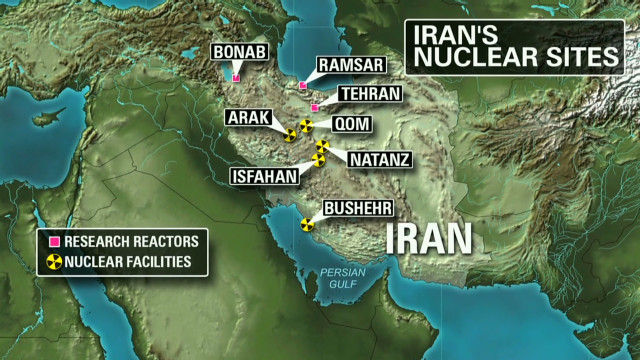
An analysis on the recent strikes in Iran targeting its nuclear facilities and the ongoing conflict between Israel and Iran.
The aftermath of Israel's attacks on Iranian nuclear facilities has caused tensions to escalate, leaving many wondering what the future holds for the relationship between these two nations.
A potential Israeli strike on Iran has caused concern and debate among US allies and experts, with the future of US-Iran relations and the stability of the Middle East hanging in the balance.
The IAEA's report on Iran's nuclear activities has sparked concerns among other signatories of the 2015 nuclear deal. The U.S. is likely to push for the reimposition of international sanctions.

