2026 FIFA World Cup Groups Announced: USA Faces Group of Death in North America Spotlight
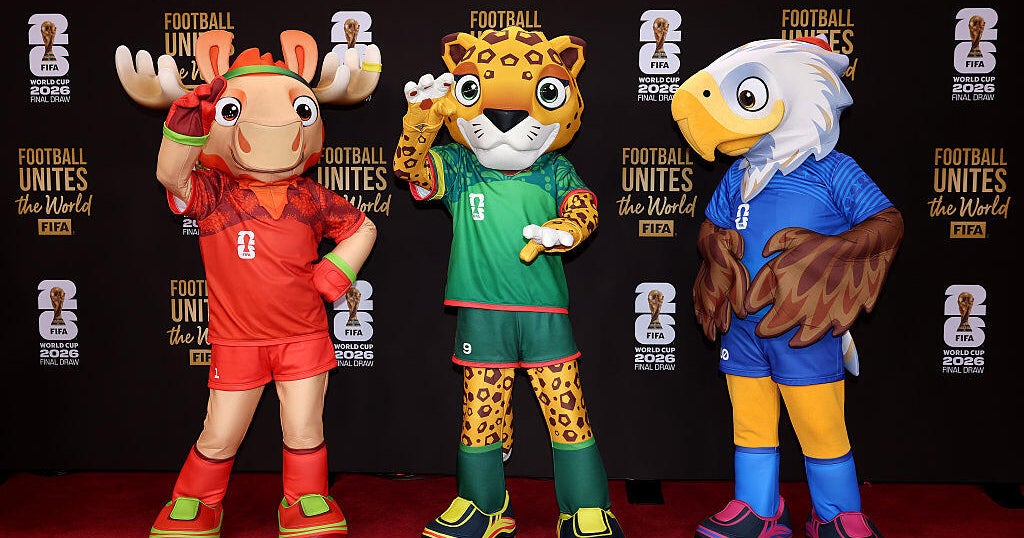
2026 FIFA Men's World Cup Groups Announced
The 2026 FIFA Men's World Cup, hosted jointly by the United States, Canada, and Mexico, will feature an expanded format with 48 teams competing across 16 cities. The group stage is set with 12 groups of four teams each, including the USA’s matchups that have generated considerable excitement among fans. The tournament kicks off on June 11 and runs through July 19, 2026.
USA's Group and the "Group of Death"
The United States has been drawn into a competitive group, sparking debates about a possible "Group of Death" where multiple top-ranked teams face off early. This scenario promises thrilling matches and high stakes, as only the top two teams plus the best third-place finishers will advance to the knockout round of 32.
Tournament Highlights and Host Venues
With 104 matches scheduled, this World Cup promises an unprecedented scale and excitement. Matches will be played in iconic stadiums across the three host nations, making the 2026 event a truly continental spectacle and a historic moment for soccer in North America.
About the Organizations Mentioned
FIFA
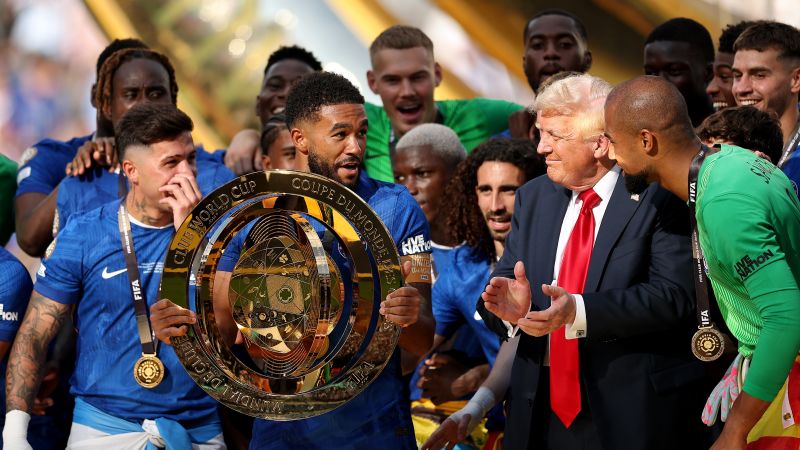
FIFA (Fédération Internationale de Football Association), founded in Paris in 1904, is the global governing body for association football (soccer), futsal, and beach football. Headquartered in Zürich, Switzerland, FIFA comprises 211 national football associations organized into six regional confederations spanning Africa, Asia, Europe, Oceania, South America, and North/Central America and the Caribbean[1][2][4]. FIFA’s core responsibilities include setting and enforcing the rules of the game in collaboration with the International Football Association Board (IFAB), overseeing international player transfers, and promoting football's development worldwide. It organizes major international tournaments such as the FIFA World Cup (inaugurated in 1930), the FIFA Women’s World Cup (since 1991), and the FIFA Club World Cup, providing platforms for showcasing elite talent[1][2][3][5]. The organization has a complex governance structure, with a FIFA Council of 37 members led by a president, a secretary-general managing day-to-day operations, and a FIFA Congress as the main legislative body where each national association holds voting rights. The Football Tribunal, established in 2021, resolves regulatory disputes[1][7]. FIFA has grown into a multibillion-dollar enterprise, generating over $5.8 billion in revenue during the 2019–2022 cycle and maintaining substantial cash reserves. Its 2025 FIFA Club World Cup, for instance, featured an expanded 32-team format with a prize pool of $1 billion, including a $250 million solidarity program to support global club football development[2][6][8]. Beyond competitions, FIFA invests heavily in grassroots initiatives and infrastructure through programs like FIFA Forward, aiming to foster inclusivity, integrity, and innovation throughout the sport. It leverages technology and media platforms such as FIFA+ to broaden football’s global reach and engagement[3][4][10]. FIFA remains