Alabama's Controversial Rise in College Football Playoff Rankings
#college_football #playoff_rankings #alabama #controversy #sports
Alabama’s Controversial Climb in College Football Playoff Rankings
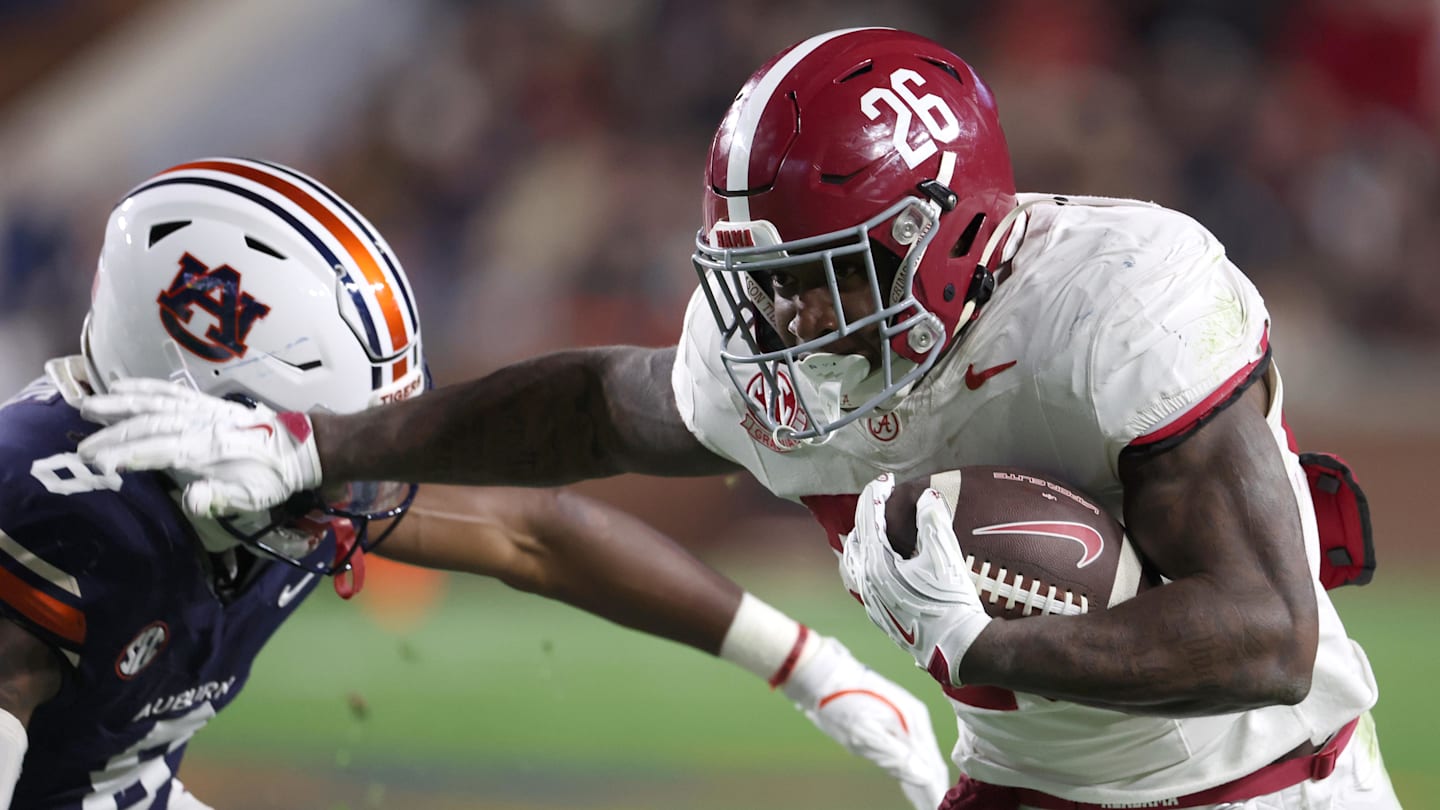
Alabama’s narrow victory over a struggling Auburn team has sparked widespread debate, as it propelled the Crimson Tide above Notre Dame in the latest College Football Playoff rankings. This surprising leap has left fans and analysts questioning the committee’s criteria, especially given the underwhelming performance against a low-ranked opponent.
Uneven Treatment of Teams and Coaching Changes
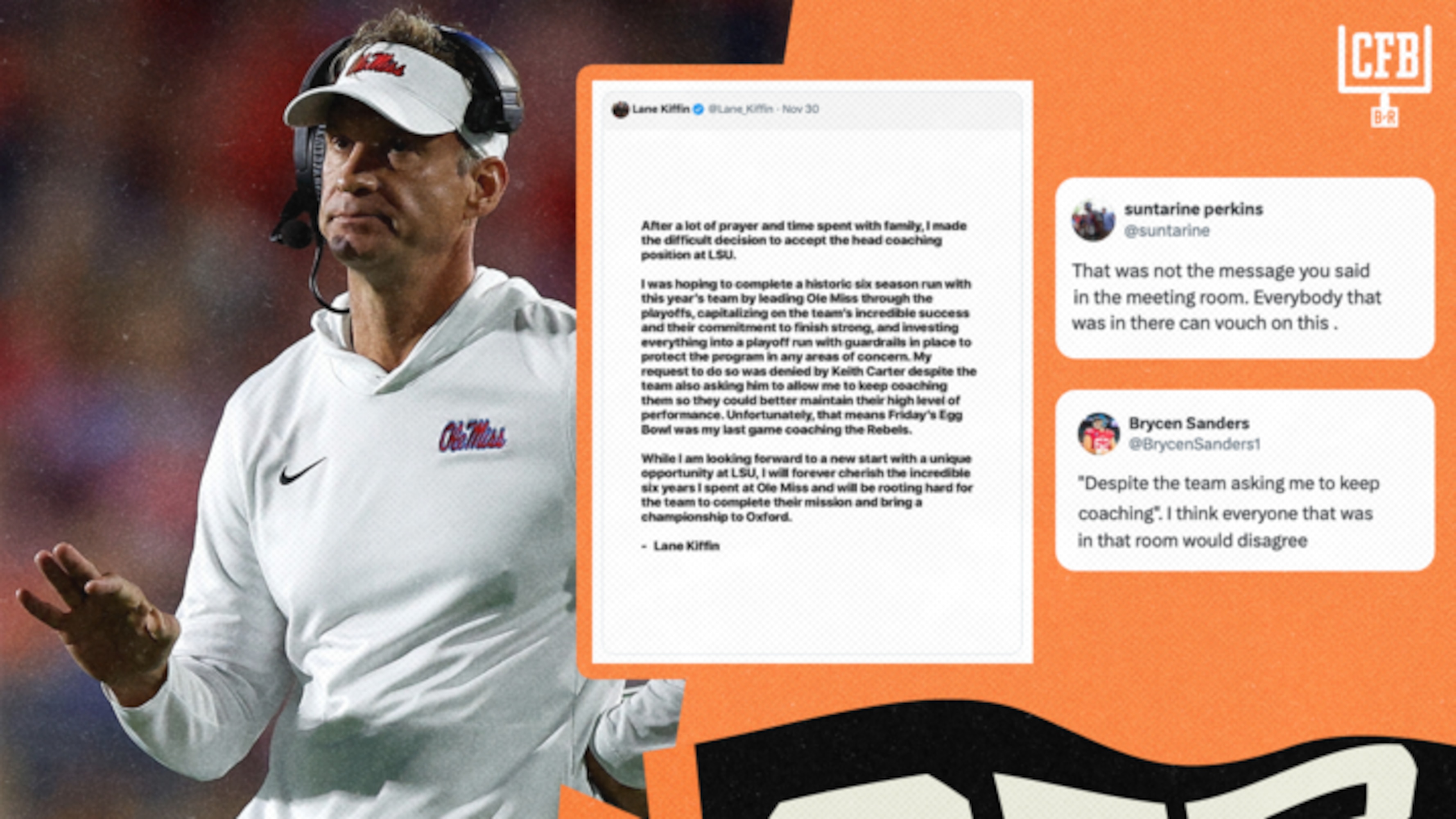
Meanwhile, Ole Miss avoided any penalty despite losing head coach Lane Kiffin, highlighting inconsistencies in how the committee weighs disruptions within programs. Such decisions raise concerns about fairness and transparency in the ranking process, where some teams seem to benefit from leniency while others face harsher scrutiny.
Implications for the Playoff Picture
This ranking shakeup has major ramifications for postseason matchups and team morale. Alabama’s rise, despite questionable justification, could influence seeding and playoff opportunities, potentially sidelining more deserving contenders like Notre Dame. The controversy underscores the ongoing challenges in balancing performance, context, and perception within college football’s playoff system.
About the Organizations Mentioned
Ole Miss
## Overview The University of Mississippi, affectionately known as Ole Miss, is Mississippi’s flagship public research university and a member of the elite R1: Doctoral Universities—Highest Research Activity group, reflecting its commitment to high-impact research and academic excellence[5][7]. Founded in 1848, Ole Miss has grown from a regional institution to a nationally recognized university with over 24,000 students, offering more than 90 majors across 15 academic divisions, including nationally ranked programs in business, accountancy, law, pharmacy, and medicine[3][5]. ## History Ole Miss has a rich and complex history. While it is celebrated for its traditions, Southern charm, and picturesque campus in Oxford, it also played a pivotal role in the Civil Rights Movement when James Meredith became its first African American student in 1962, marking a turbulent but ultimately transformative chapter in its journey toward inclusivity and diversity[2][4]. Today, the university is noted for its efforts to foster a welcoming environment for students from all backgrounds, both within Mississippi and internationally[2][4]. ## Key Achievements Ole Miss has a legacy of innovation, notably in medicine: surgeons at its medical center performed the world’s first human lung and heart transplants in the 1960s[2]. The university’s research enterprise continues to address critical challenges in health, technology, and society, with a strong focus on community engagement and economic development[3][7]. Its Honors College is recognized for blending rigorous academics with experiential learning and community action[1][5]. ## Current Status Today, Ole Miss is a vibrant, diverse community that balances academic rigor with a lively campus culture. It is renowned for its SEC athletics, premier tailgating in “The Grove,” and a student life that regularly earns top marks for school spirit, social scene, and sense of community[1][3][5]. The university has adapted well to the digital age, offering robus
Notre Dame
## Overview The University of Notre Dame (often referred to simply as “Notre Dame”) is a premier private Catholic research university located in Notre Dame, Indiana, USA. Founded in 1842 by Rev. Edward Sorin, C.S.C., it is renowned for its rigorous academics, storied athletics, and deep commitment to Catholic values. The university offers a comprehensive range of undergraduate, graduate, and professional programs, with its College of Engineering and other disciplines consistently ranked among the best nationally. ## Mission and Activities Notre Dame’s mission is to be “a powerful force for good,” educating students to be ethical leaders and global citizens who serve society through innovation, research, and community engagement[1]. The College of Engineering, for example, focuses on developing solutions to global challenges, educating the whole person, and conducting research that translates fundamental discoveries into impactful technologies[1]. The university also emphasizes global engagement, operating 12 global locations and offering 92 study abroad programs, which recently earned it the 2025 Senator Paul Simon Award for Comprehensive Internationalization[3]. ## History and Key Achievements Notre Dame’s history is marked by rapid expansion from a small college to a world-class research institution. Its football program, the Fighting Irish, is iconic in American collegiate athletics, competing as an independent in NCAA Division I FBS and playing at the historic Notre Dame Stadium[5]. Academically, Notre Dame is known for interdisciplinary research, particularly in areas like global affairs, engineering, and the humanities. The university’s leadership—including President Rev. Robert A. Dowd, C.S.C., and a robust administrative structure—guides its strategic direction[4]. ## Current Status and Notable Aspects Today, Notre Dame is recognized for its blend of tradition and innovation. It continues to invest in faculty, student support, and infrastructure, with recent strategic plans emphasizing inclusivity, sustainability, and the integration of faith and reason[1]. The university’s global footprint, commitment
College Football Playoff
The **College Football Playoff (CFP)** is an annual knockout tournament established in 2014 to determine the national champion of NCAA Division I Football Bowl Subdivision (FBS), the highest level of college football in the U.S.[1][2]. It replaced the Bowl Championship Series (BCS), which had been criticized for its selection process. Unlike the BCS’s reliance on polls and computer rankings, the CFP uses a 13-member selection committee composed of current and former athletic directors, coaches, and other professionals to rank and seed teams, emphasizing strength of schedule and overall performance[1][3]. From its inception through the 2023 season, the CFP featured a four-team single-elimination format culminating in the College Football Playoff National Championship game, which rotates its host city annually and draws significant national attention and tourism[1][2]. Ohio State won the inaugural championship in January 2015[2]. In 2024, the playoff expanded to a **12-team format**, allowing automatic bids to the five highest-ranked conference champions and additional at-large teams, increasing opportunities and generating greater competitive excitement[1][9]. This expansion reflects the evolving business landscape of college football, aiming to enhance fan engagement, broadcasting revenues, and the sport’s overall visibility[1][9]. The CFP is governed by a Board of Managers, including commissioners from the ten FBS conferences and Notre Dame’s athletic director, who oversee the organization’s operations, budgeting, and strategic direction[4][8]. The College Football Playoff Foundation, also established in 2014, leverages the platform to support charitable initiatives and community impact[4]. Notable aspects include the committee’s influential role in shaping the postseason landscape and ongoing debates about playoff expansion size and selection criteria[1][3]. The CFP stands as a significant business and sports technology model, combining data-driven decision-making with traditional sports management to deliver a premier championship experience. Overall, the CFP represents a transformative approac