Comet 3I/ATLAS: Closest Approach Sparks Global Space Coverage
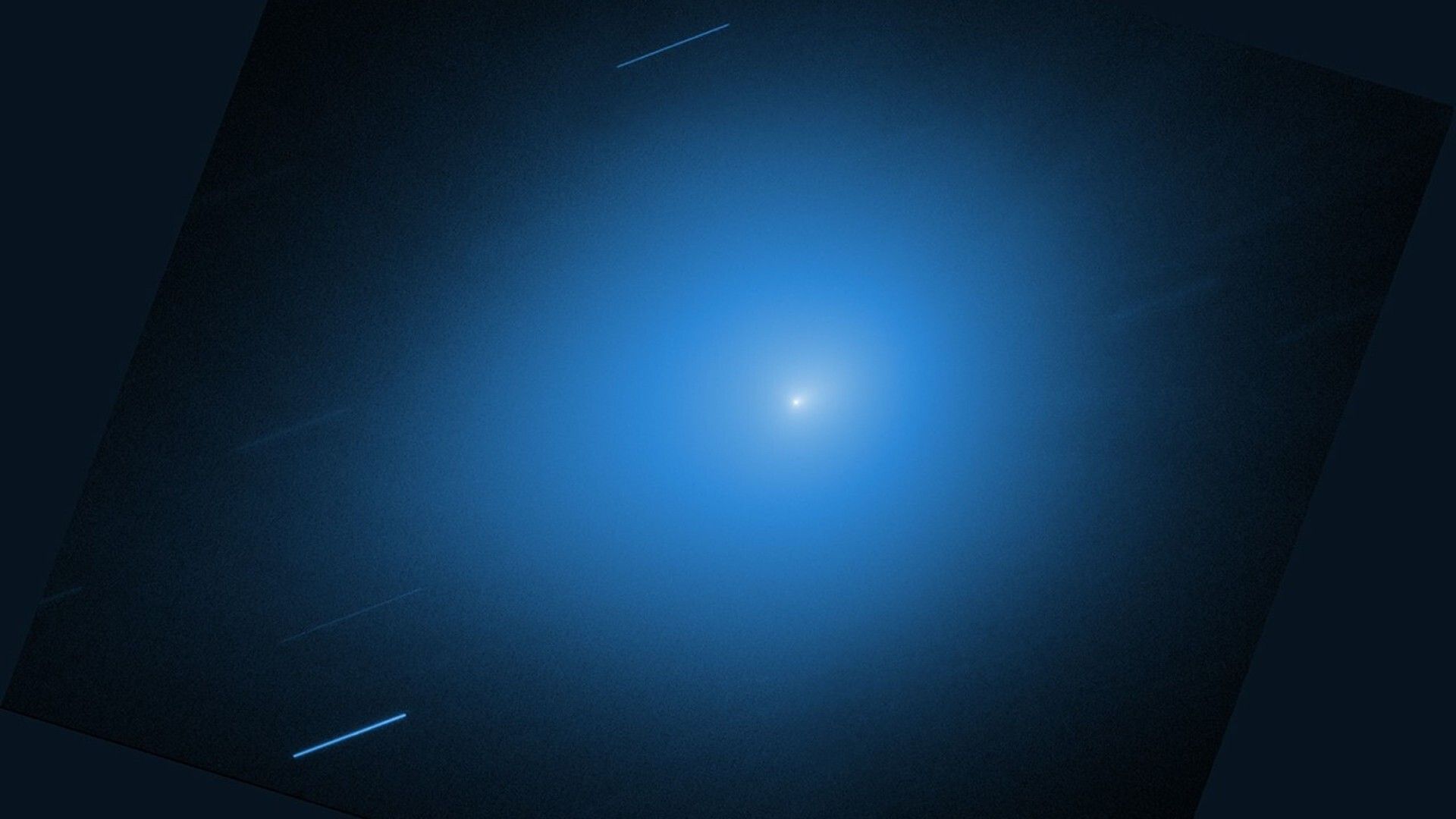
Comet 3I/ATLAS closest approach
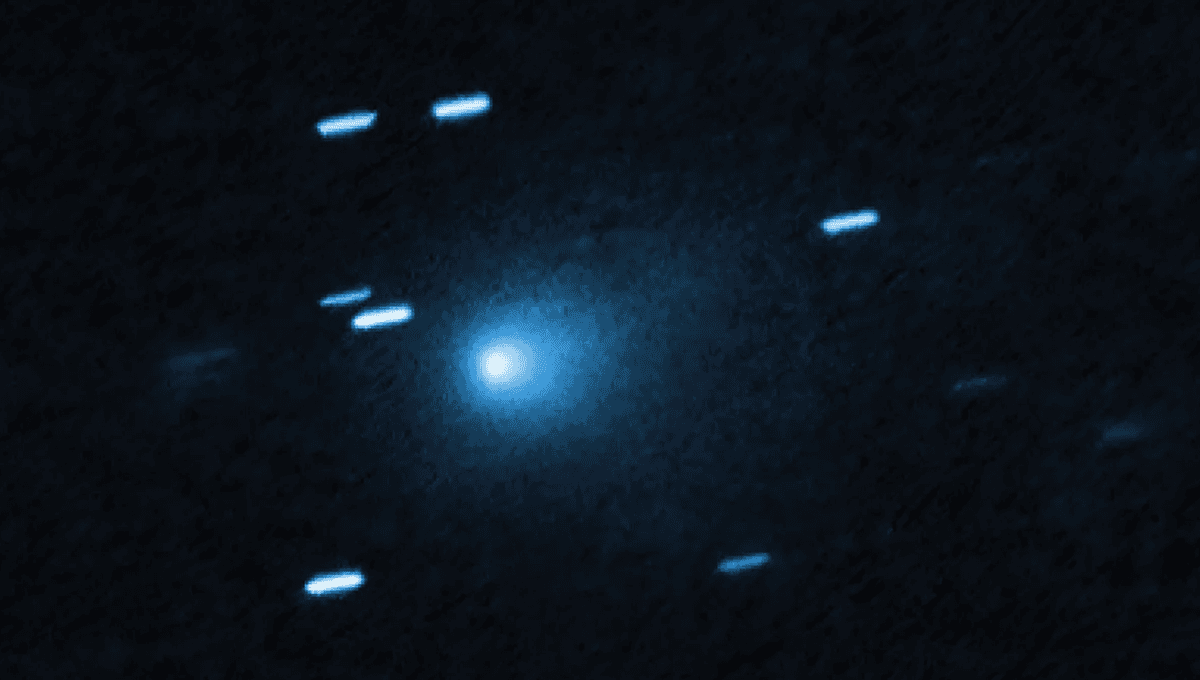
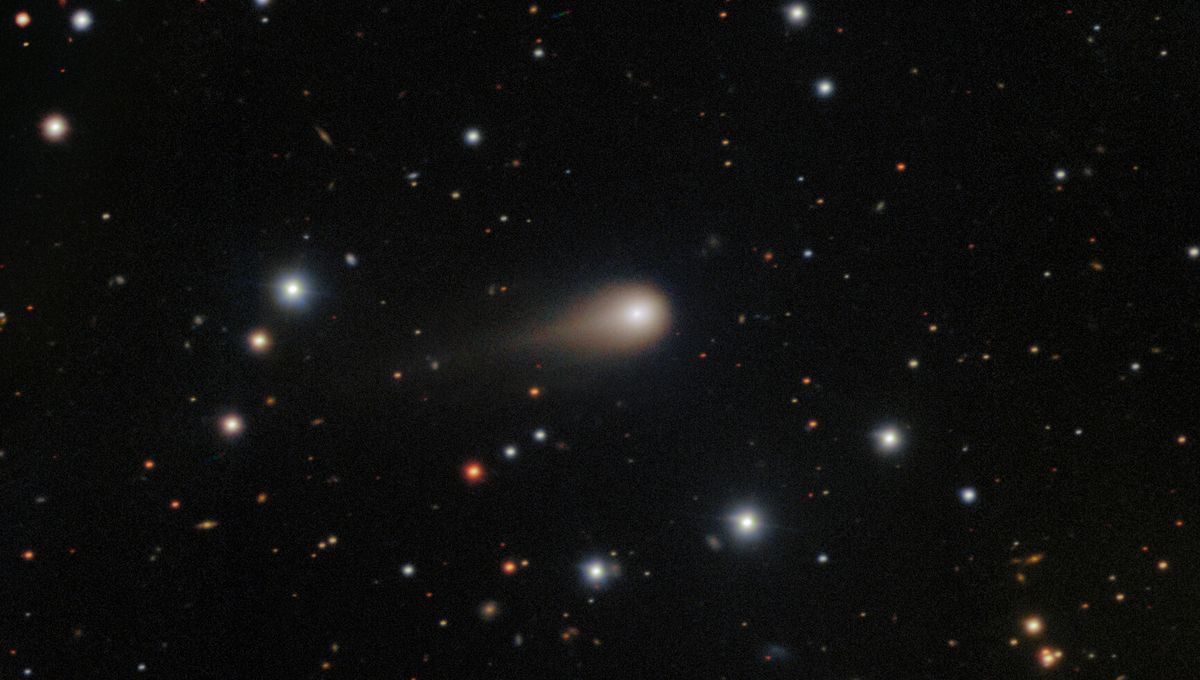
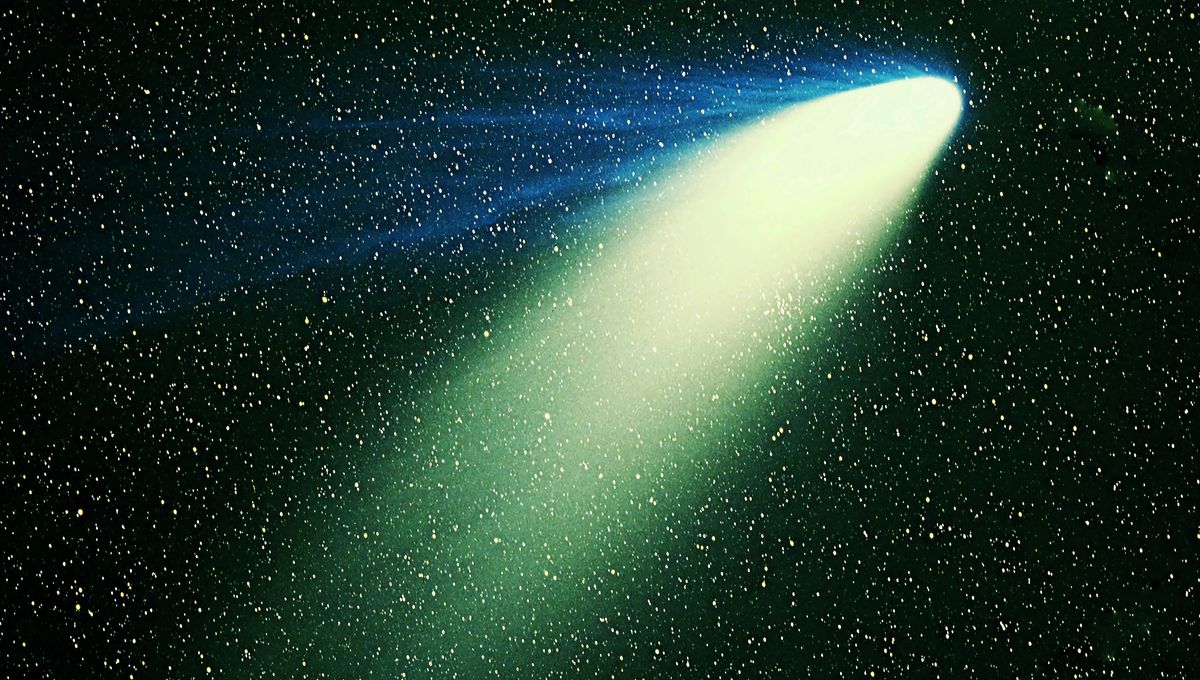
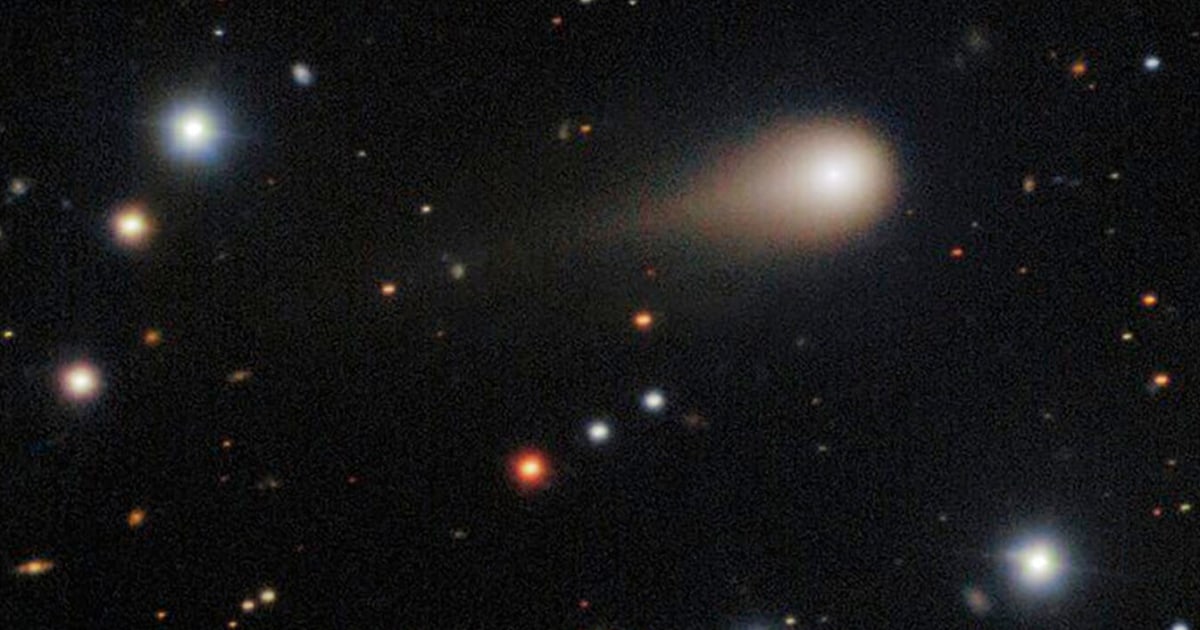
Interstellar comet 3I/ATLAS made a close Earth passage during the holiday flyby, offering a rare chance to observe material from beyond our solar system and sparking intense telescope and spacecraft coverage worldwide.
Observations and significance
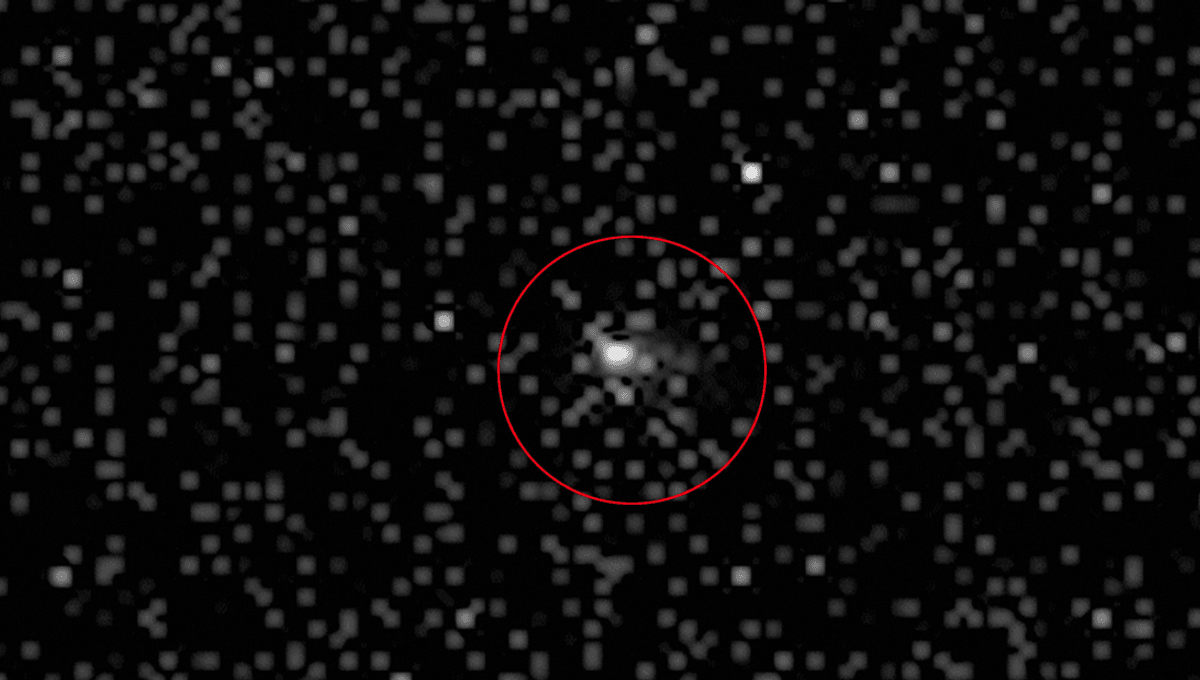
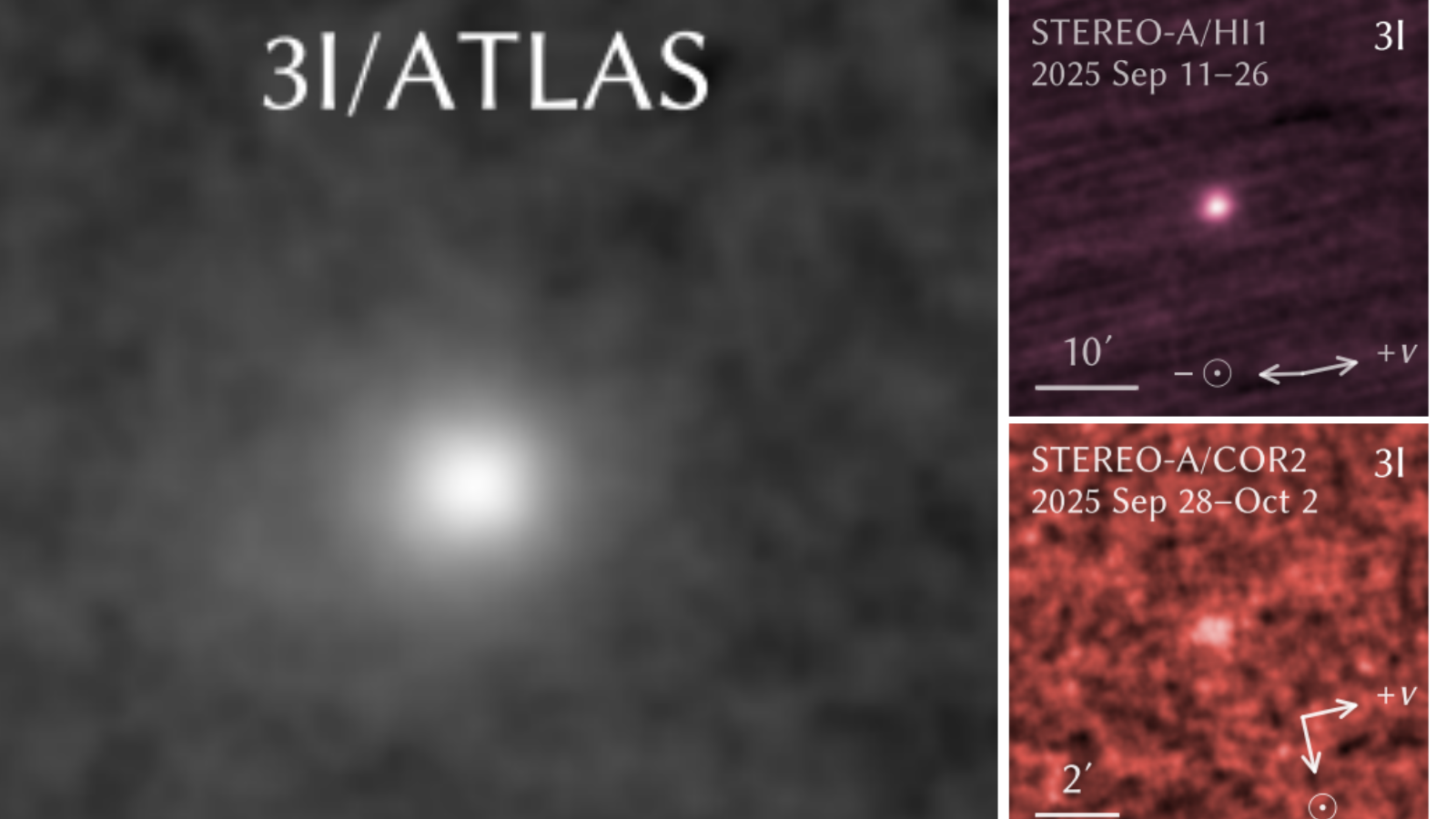
Ground arrays and missions including Parker Solar Probe captured continuous images and spectra as the comet rounded the Sun, revealing changes in brightness and coma structure that help scientists probe composition and outgassing behavior while the object moves rapidly away into deep space.
What comes next
Although interception in the inner system is now impractical, teams are evaluating chase concepts and long‑range flyby plans to study remnants of this visitor, and analysts expect ongoing data processing will refine trajectory, composition, and dust measurements to inform future interstellar encounter strategies.
About the Organizations Mentioned
Parker Solar Probe
**Parker Solar Probe** is NASA's groundbreaking spacecraft mission dedicated to exploring the Sun's corona—the outermost atmosphere—through direct in-situ measurements, revolutionizing heliophysics and space weather forecasting.[1][2] Launched on August 12, 2018, from Cape Canaveral, the probe honors pioneering astrophysicist Eugene Parker, who theorized solar wind in the 1950s.[1][5] Originally conceived as "Solar Probe" with a Jupiter gravity assist for polar orbits, the design shifted to Venus flybys for efficiency, enabling 24 close solar passes over seven years while reaching speeds exceeding 430,000 mph (692,000 km/h)—the fastest human-made object.[5][7] A revolutionary 4.5-inch-thick carbon-composite heat shield withstands 2,500°F (1,377°C) temperatures, with autonomous light sensors repositioning the craft to protect instruments like SWEAP (for plasma sampling), FIELDS (magnetic measurements), and WISPR (imaging).[2][6][7] Key achievements include the historic December 14, 2021, entry into the corona, sampling particles and fields for the first time; mapping the Alfvén surface where solar wind originates; and recent 2025 flybys reaching 3.8 million miles from the Sun's surface, uncovering solar wind "U-turns" and flare dynamics.[2][3] These insights address decades-old puzzles: why the corona is hotter than the photosphere, solar wind acceleration, and high-energy particle sources threatening satellites, power grids, and astronauts.[1][7] As of late 2024, the mission remains active, with ongoing Venus-assisted orbits yielding data vital for predicting geomagnetic storms impacting global technology infrastructure.[3][8] By 2025, Parker continues breaking proximity records, underscoring NASA's innovation in extreme engineering and its busines