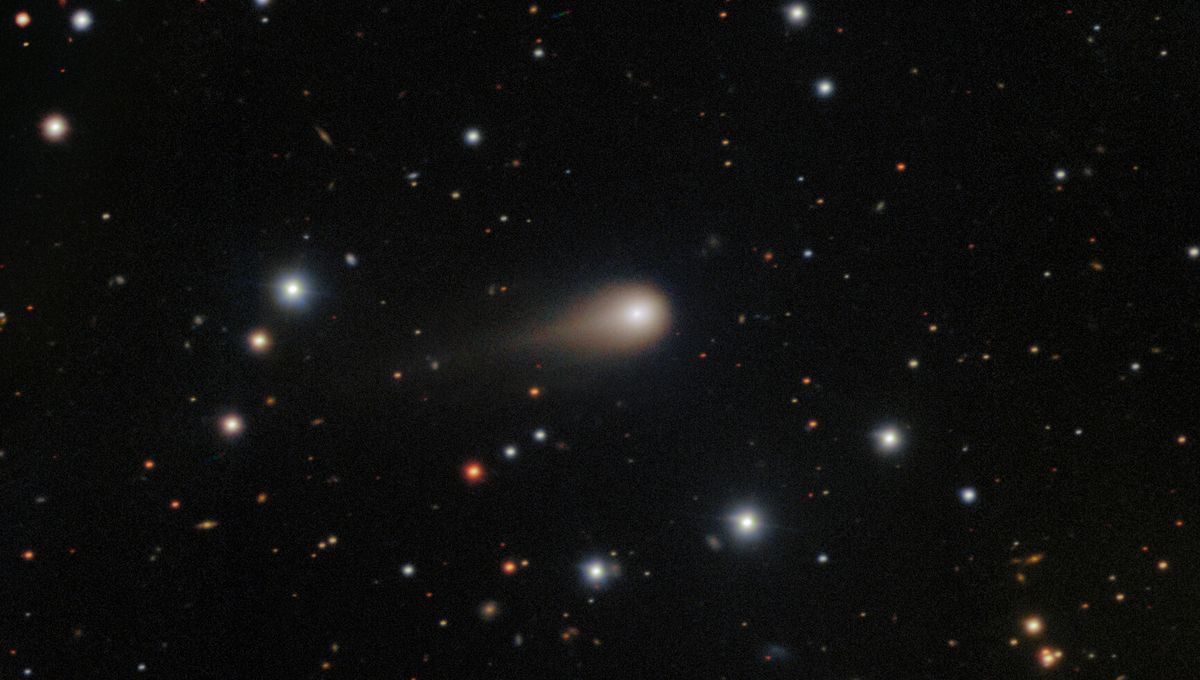
Comet 3I/ATLAS: Unprecedented Dust Emission from an Interstellar Visitor
Comet 3I/ATLAS sheds dust at extraordinary rates, revealing interstellar chemistry as it speeds through our solar system.
Comet 3I/ATLAS sheds dust at extraordinary rates, revealing interstellar chemistry as it speeds through our solar system.
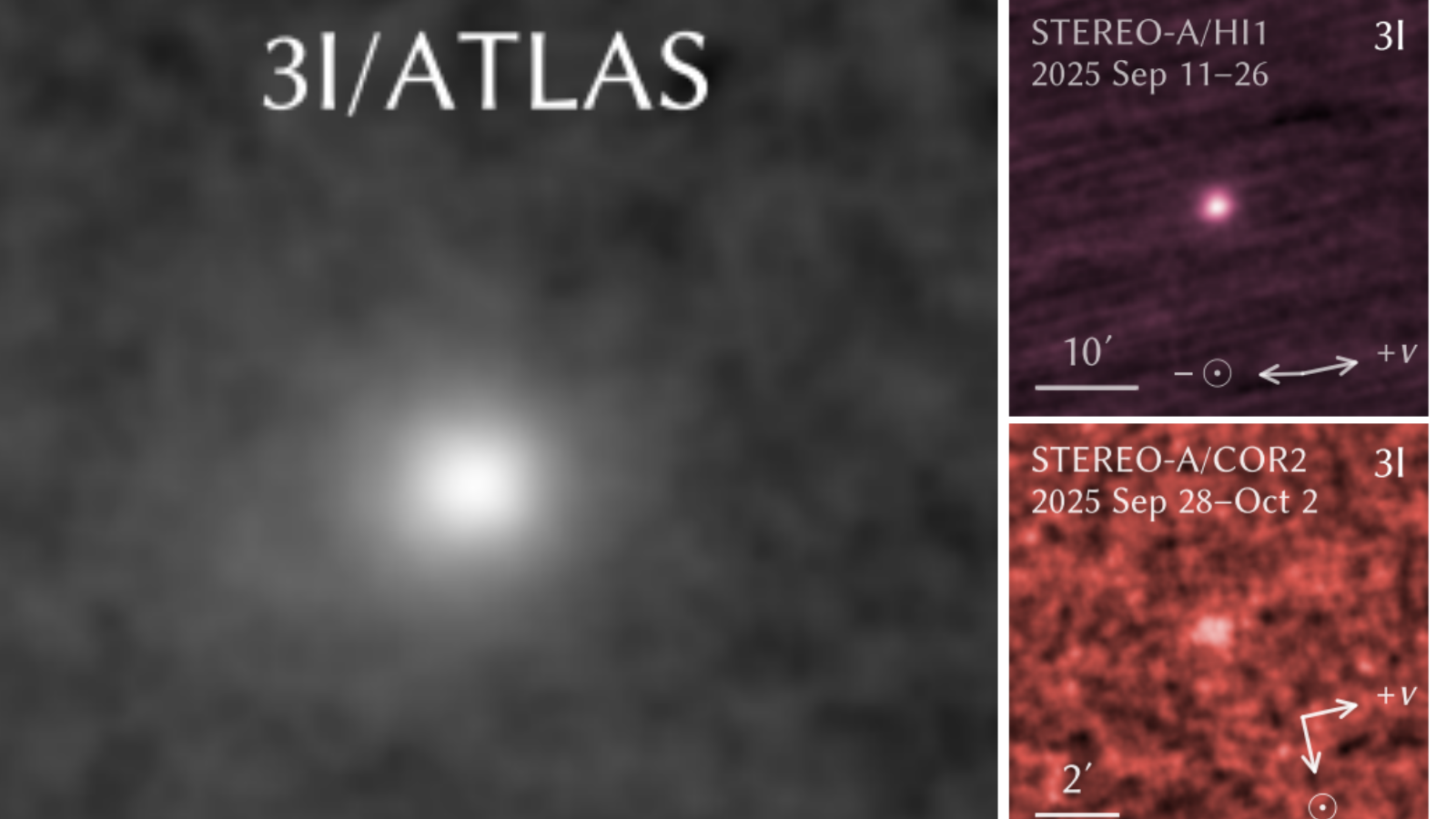
Interstellar comet 3I/ATLAS unexpectedly brightened near the Sun, challenging models and hinting at unique interstellar physics.
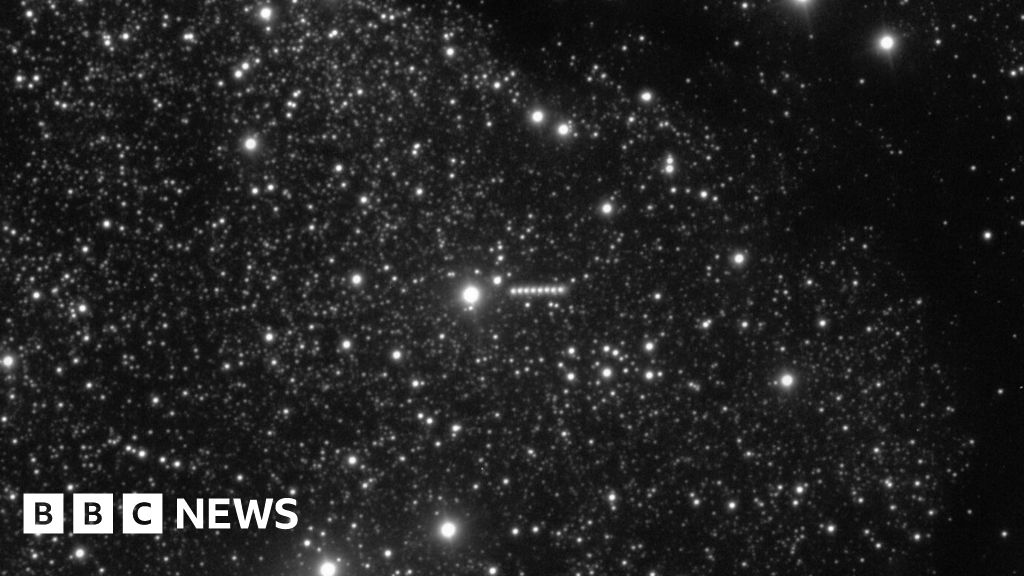
IAWN launches a campaign to monitor the interstellar comet 3I/ATLAS, including a workshop and global astrometry effort.
Learn about the exciting discovery of a unique, red-hued comet from outside our solar system and its potential insights into the universe.
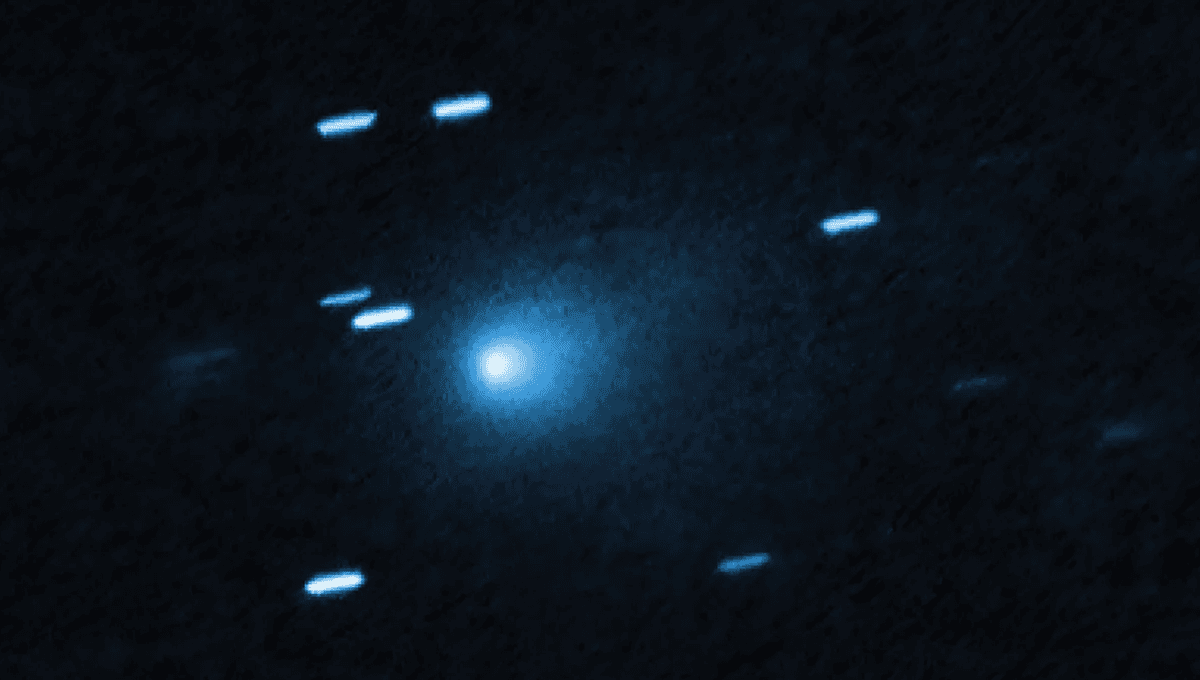
Interstellar comet 3I/ATLAS shows color changes and non-gravitational acceleration; ongoing observations promise new insights.

Exciting news as a third interstellar object has been detected by the Interstellar Boundary Explorer telescope, opening new doors for astronomical research.
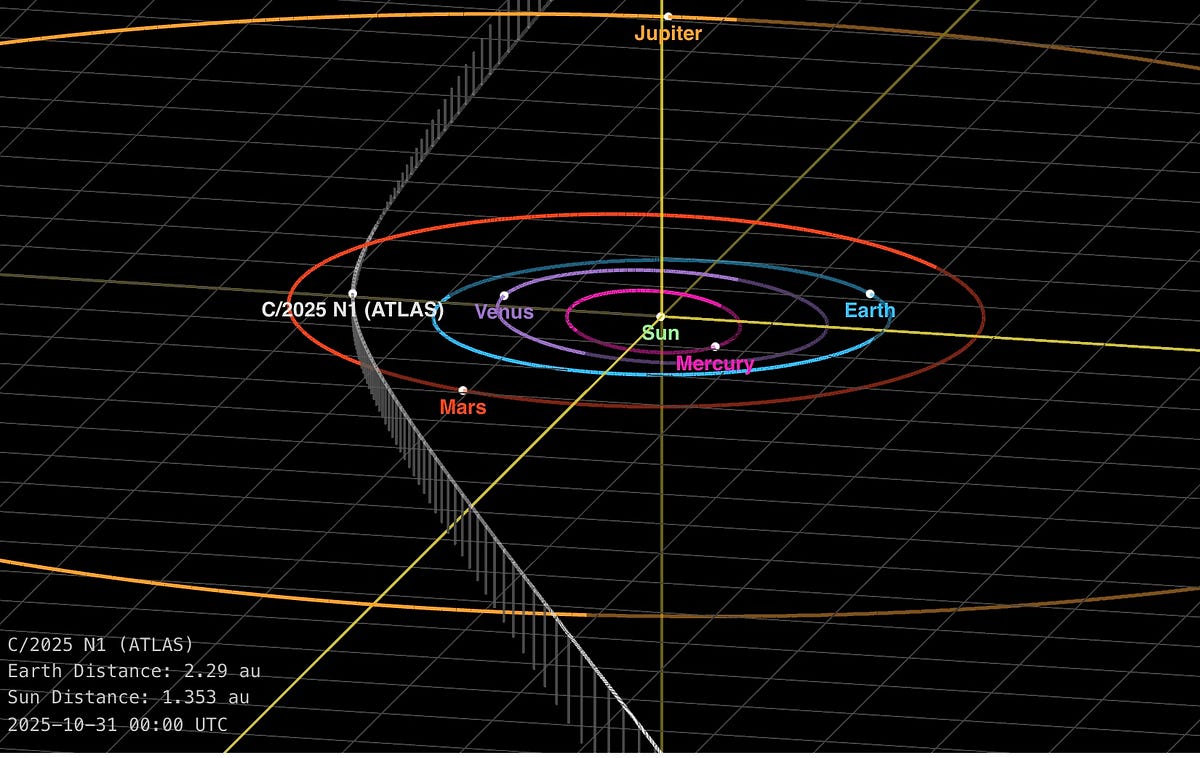
Analysis of 3I/ATLAS reveals non-gravitational acceleration near perihelion, highlighting outgassing and interstellar comet dynamics.
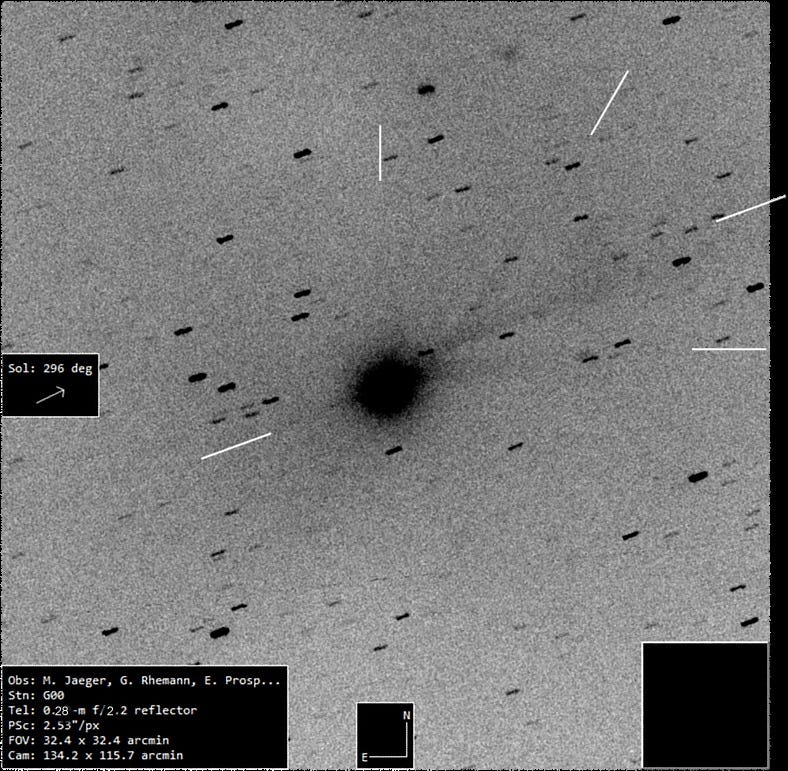
Explores how the interstellar object 3I/ATLAS exhibits complex jet structures, revealing active surfaces and interstellar comet behavior.
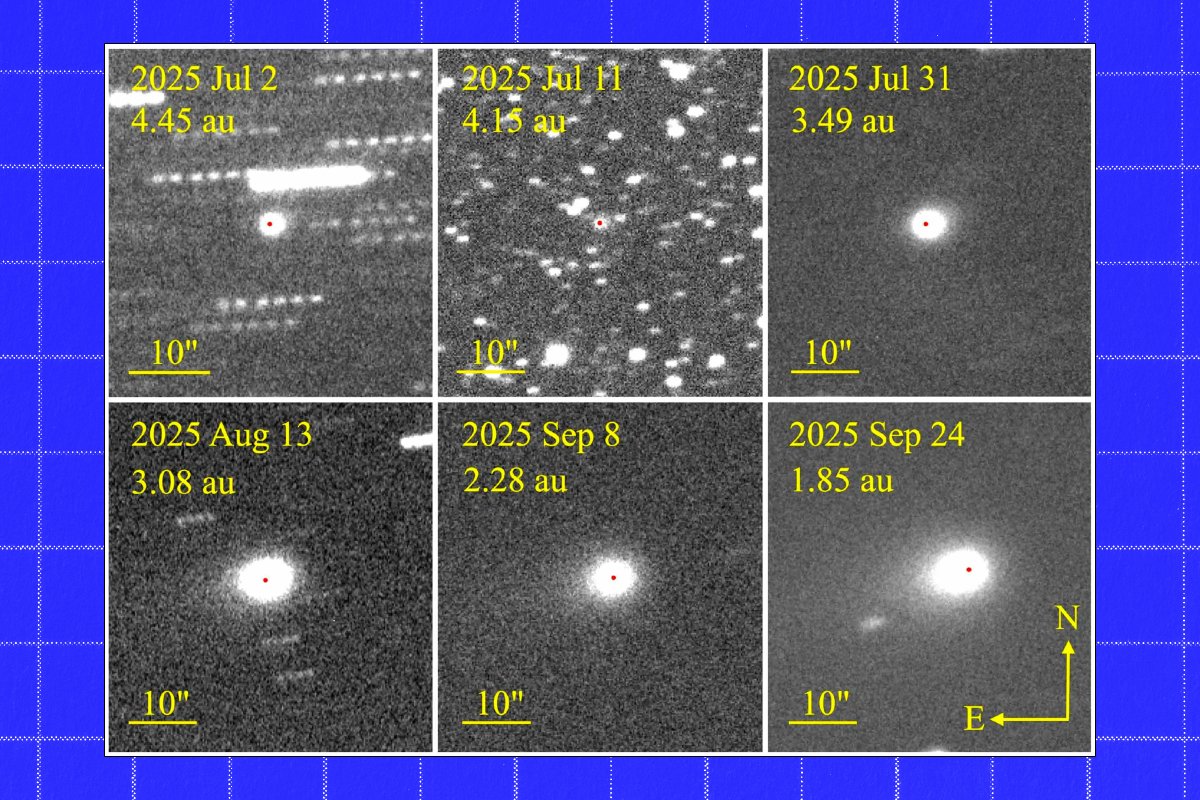
Exploring 3I/ATLAS: from alien-origin theories to scientific study of an interstellar visitor.
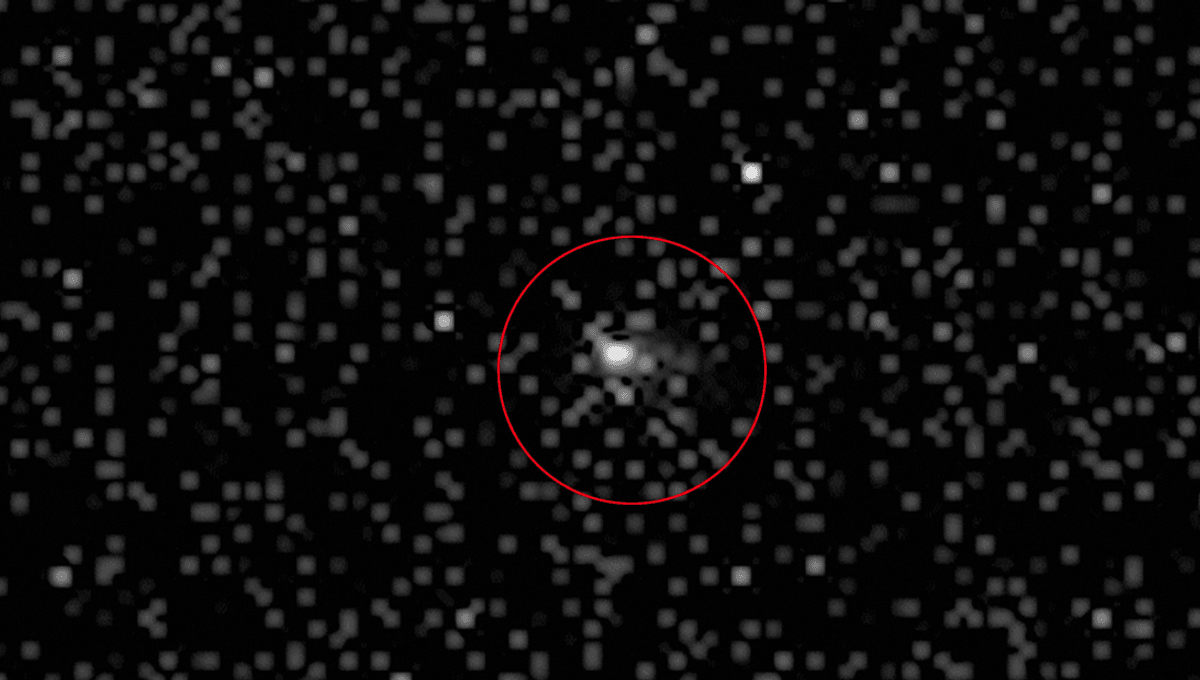
Tianwen-1 captures images of interstellar comet 3I/ATLAS, a rare milestone in space exploration.
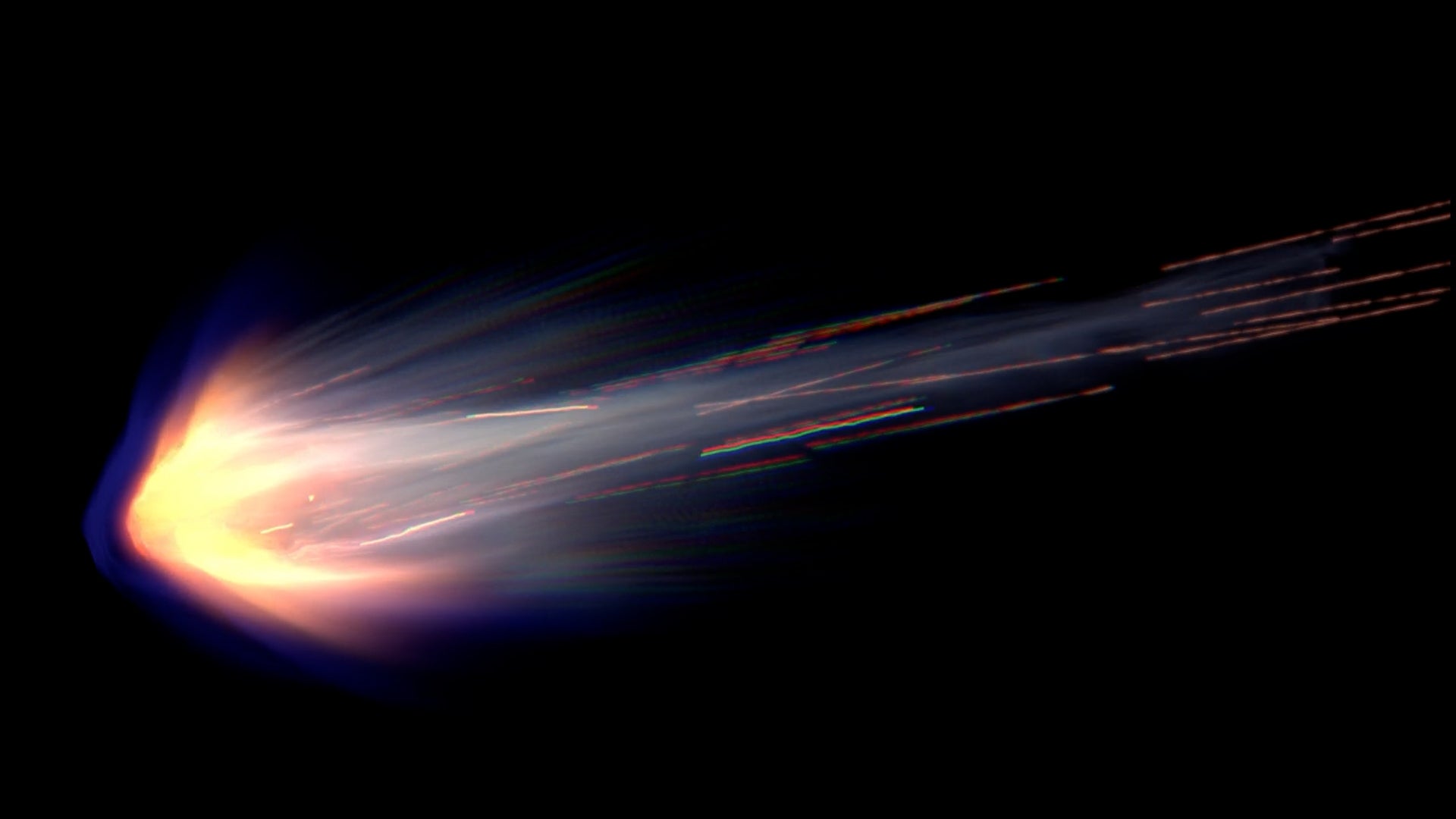
Learn about the second interstellar object ever detected in our solar system and its potential impact on our understanding of the universe.
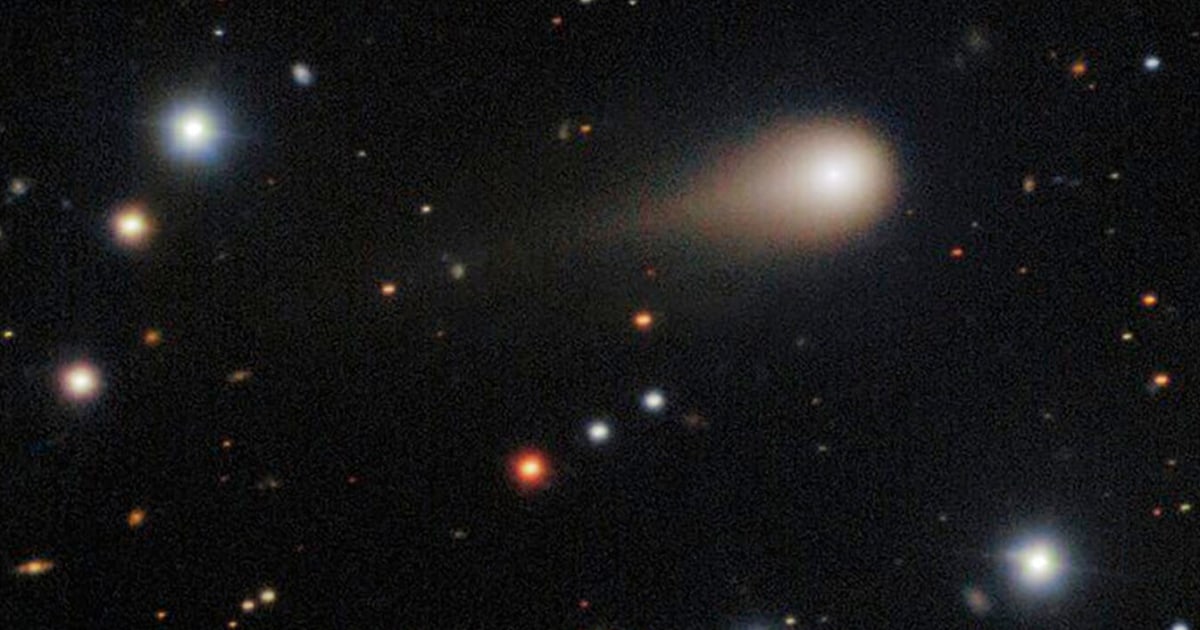
New telescope observations have revealed that the interstellar comet 2I/Borisov has grown a tail, providing insights into its composition and behavior.
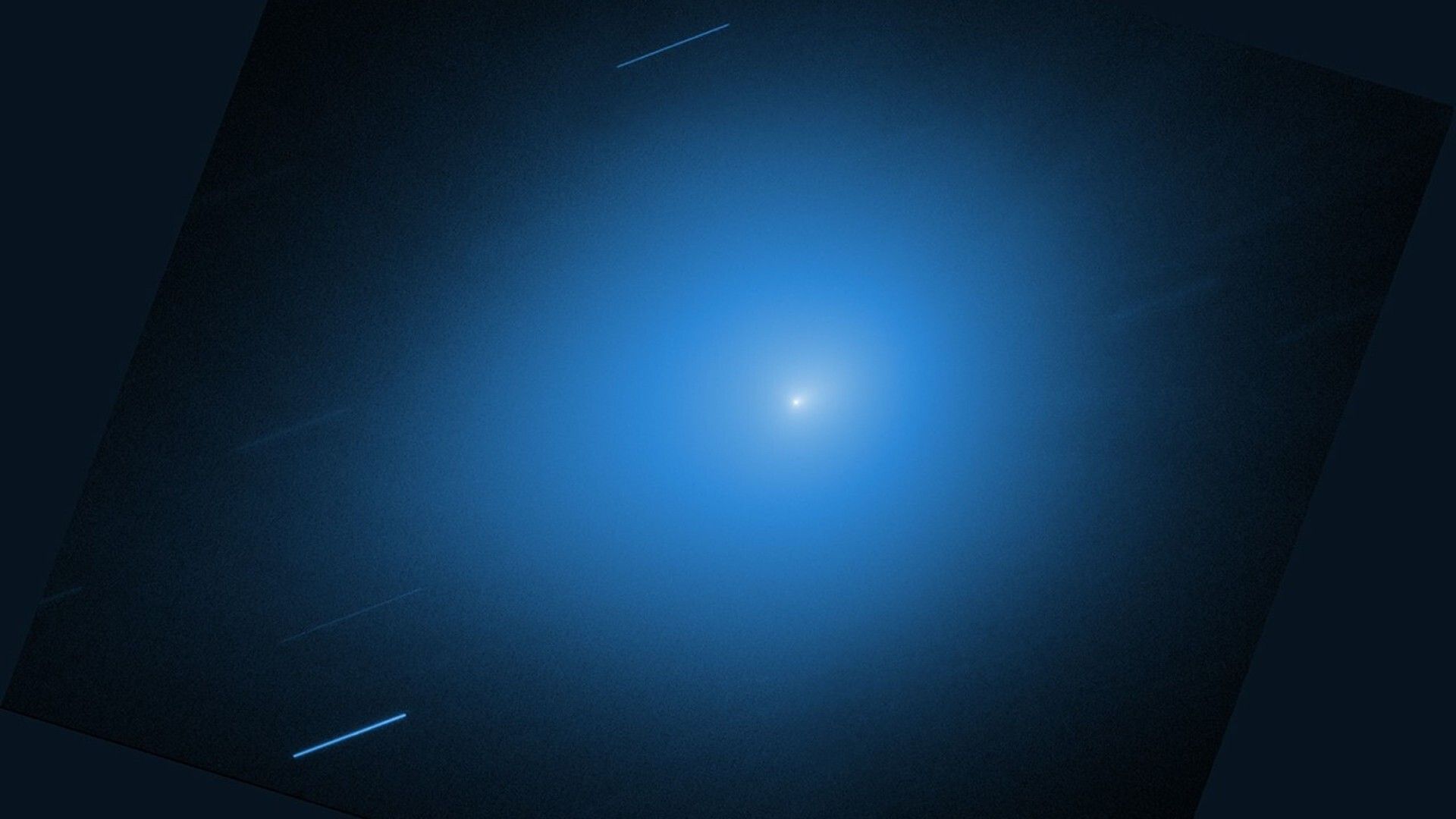
Interstellar comet 3I/ATLAS makes a close Earth pass, fueling telescope observations and insights into distant materials.
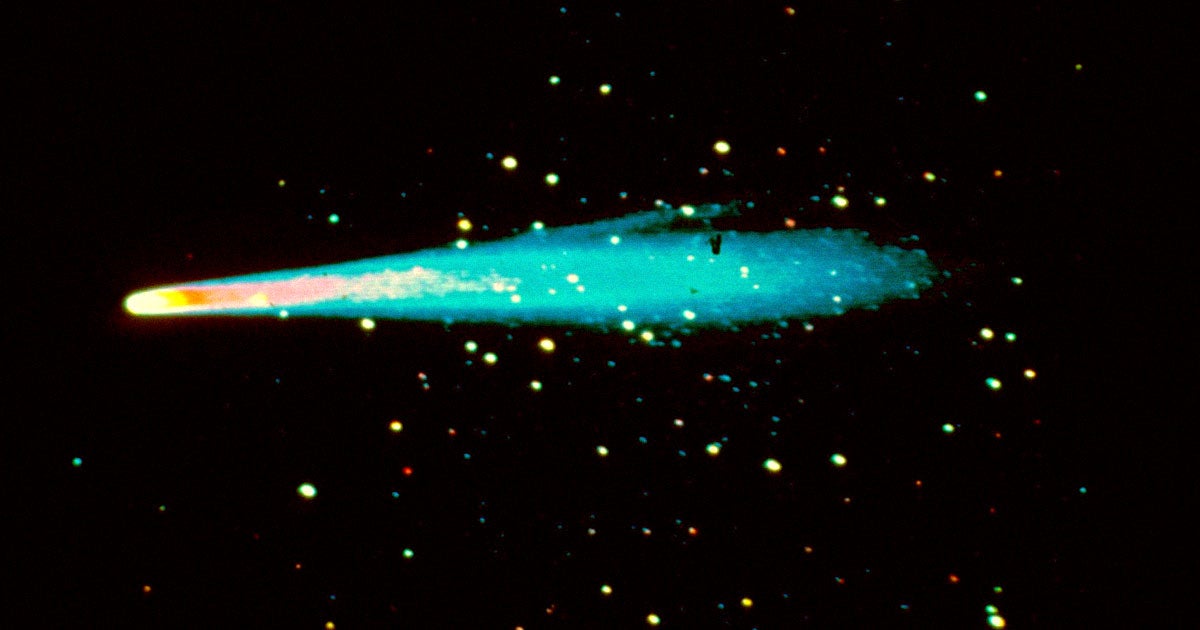
Astronomers are closely monitoring the strange object 3I/ATLAS, which has sparked debates in the scientific community.
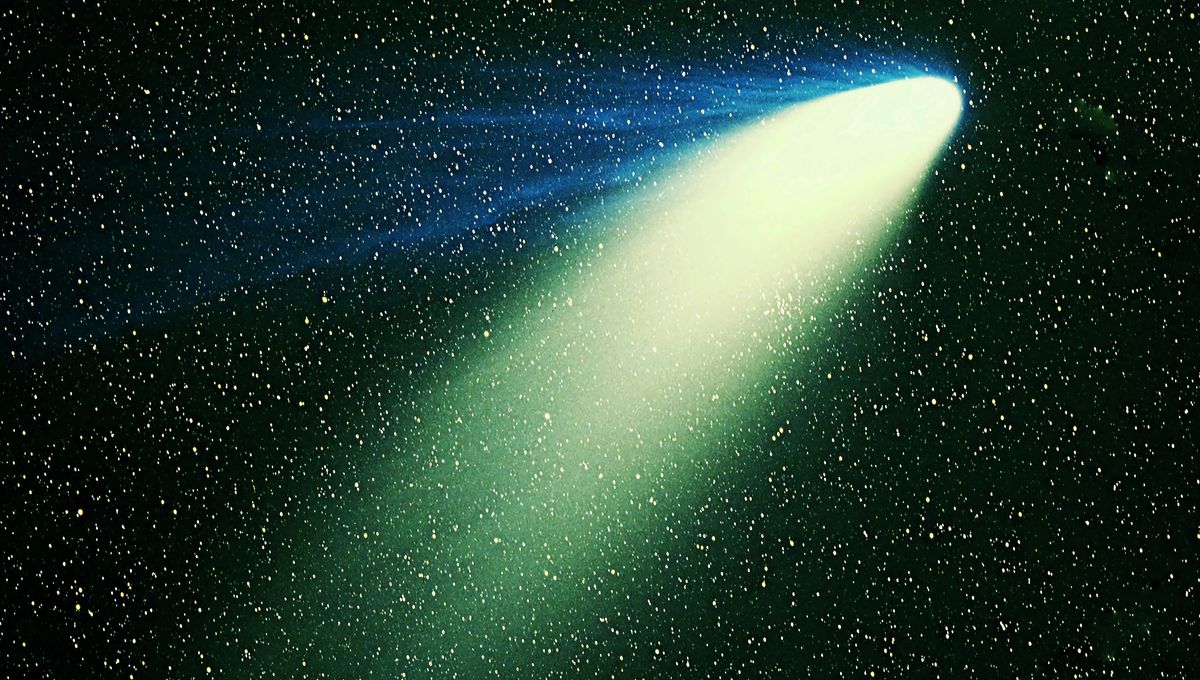
Interstellar comet 3I/ATLAS shifts from red to green, challenging diatomic carbon theories and hinting at new chemistry behind its emerald glow.