Congress Probes Second Strike on Drug Boat Over Survivors and Rules of Engagement
#politics #national_security #oversight #military #counter_narcotics
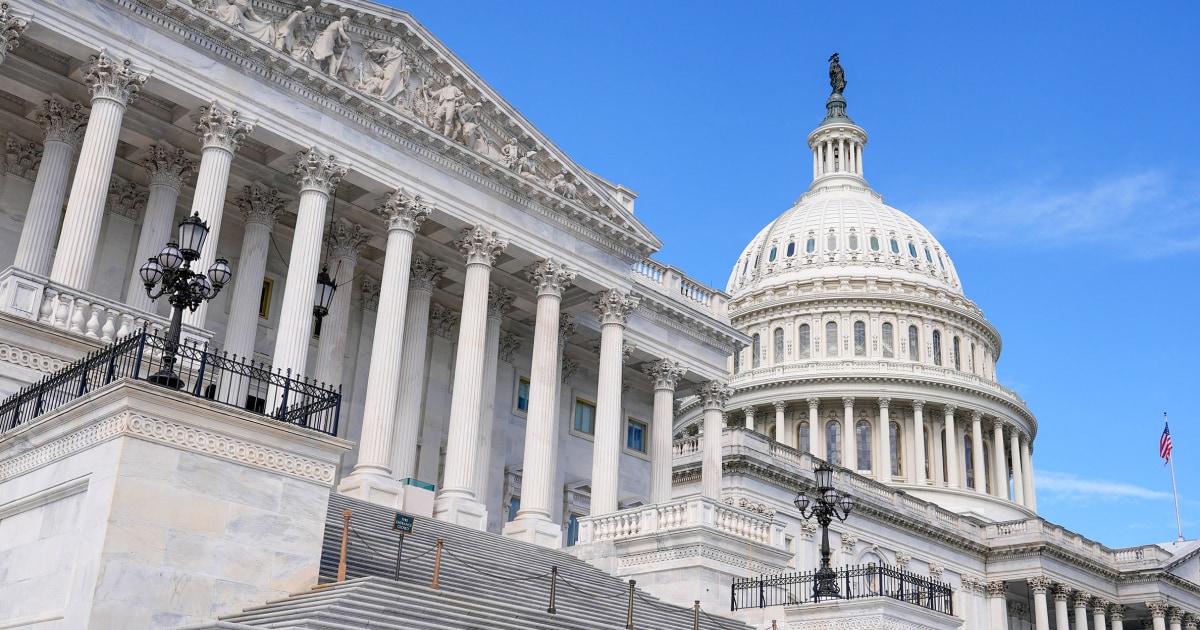
House and Senate Committees Investigate Second Strike on Drug Boat
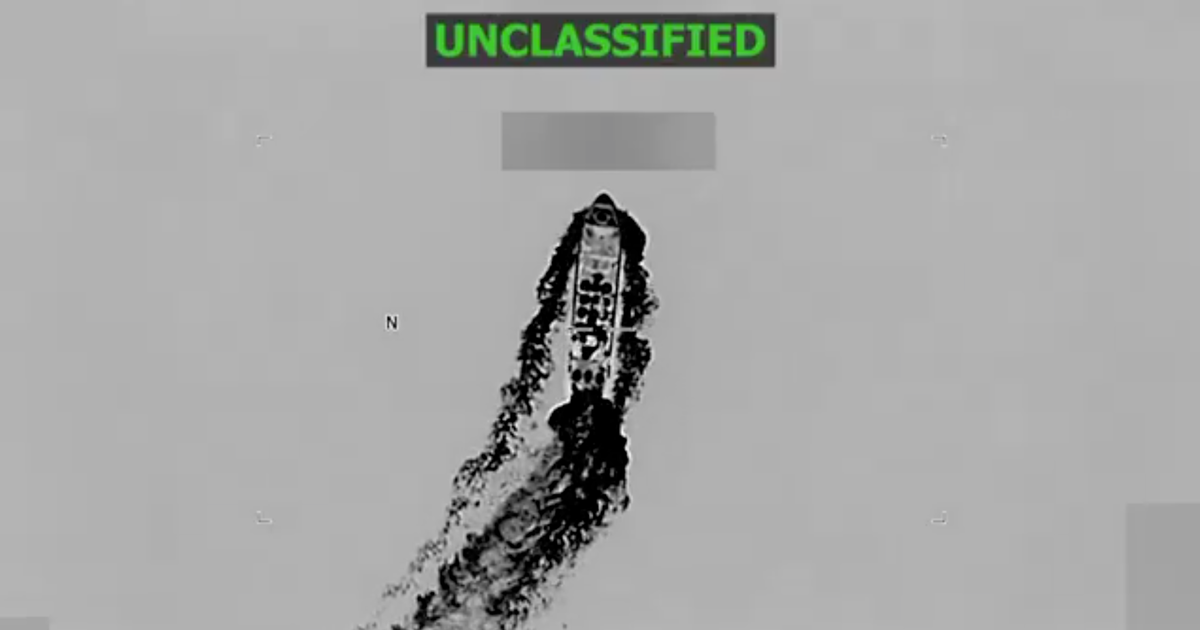
Both the House and Senate have launched formal inquiries into a reported second strike on an alleged drug boat in the Caribbean last September. This follow-up attack reportedly targeted survivors from the initial strike, raising serious legal and ethical questions about the U.S. military’s conduct in the operation.
Details and Controversies Surrounding the Strikes
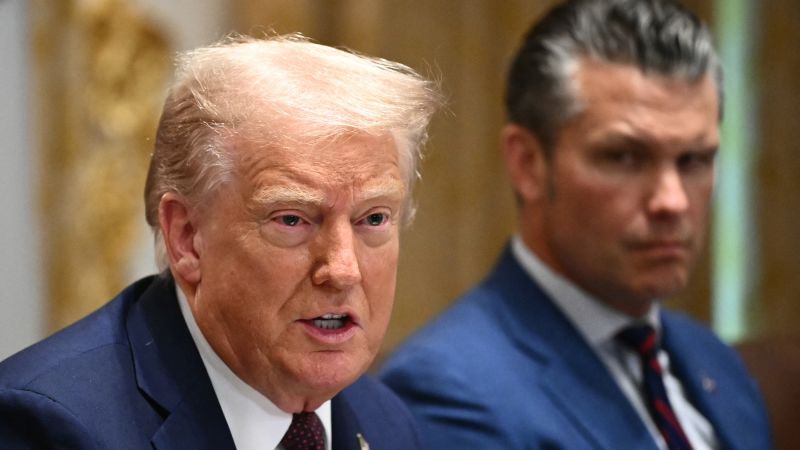
Reports indicate that after the first strike, some survivors were seen clinging to the wreckage. According to sources, orders from Defense Secretary Pete Hegseth directed a second strike aimed at eliminating these survivors. This has sparked bipartisan concern and calls for vigorous oversight to verify the facts and assess compliance with rules of engagement during the counter-narcotics campaign.
Implications for U.S. Military Operations
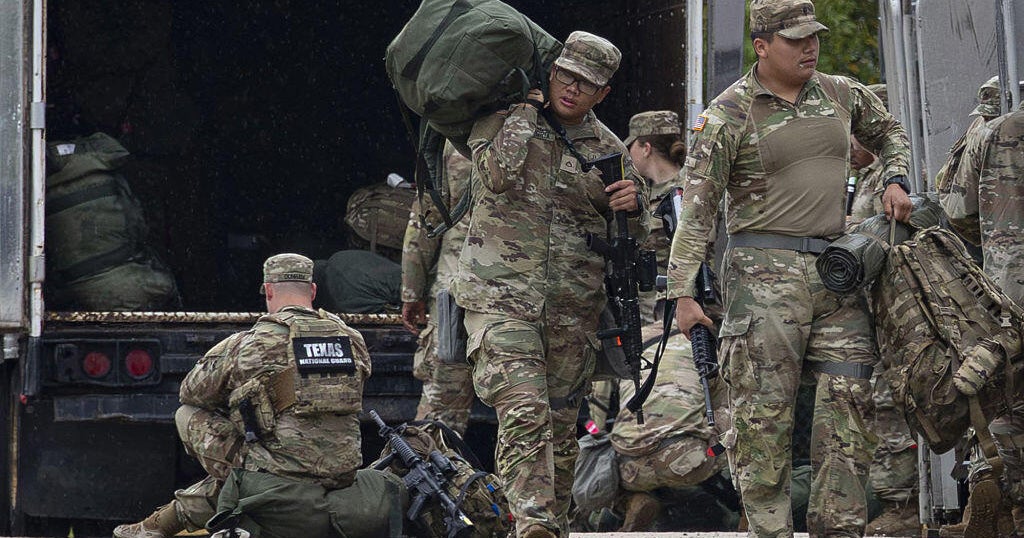
The inquiries come amid broader scrutiny of U.S. military tactics targeting narcotics trafficking vessels. The investigation will examine the legality and justification of lethal kinetic strikes, which have resulted in significant casualties. Congressional leaders emphasize the need for transparency to maintain accountability in these high-stakes operations.
About the People Mentioned
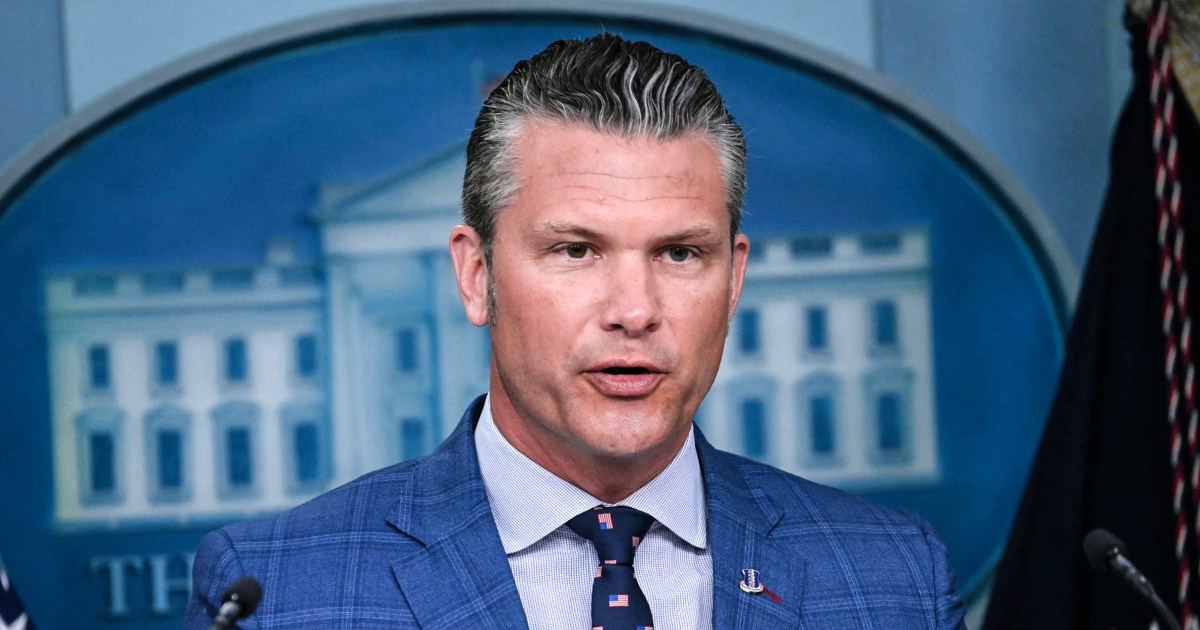
Pete Hegseth
Pete Hegseth is an American government official, author, and former television personality. Born on June 6, 1980, he graduated from Princeton University in 2003 and later earned a master's degree in Public Policy from Harvard University's John F. Kennedy School of Government in 2013[1][4]. Hegseth was commissioned as an infantry officer in the Minnesota Army National Guard, serving in Guantanamo Bay, Iraq, and Afghanistan. He received several military awards, including two Bronze Star Medals and the Combat Infantryman Badge[3][4]. After his military service, Hegseth worked with organizations such as Vets for Freedom and Concerned Veterans for America, where he served as executive director and CEO, respectively[1][7]. He became a contributor to Fox News in 2014 and later co-hosted *Fox & Friends Weekend* from 2017 to 2024[1][5]. Hegseth has written several books, including *American Crusade* and *The War on Warriors*, the latter being a New York Times bestseller[3][5]. In November 2024, Hegseth was nominated by President-elect Donald Trump to be the Secretary of Defense. He faced a contentious confirmation process, with allegations of misconduct and financial issues. Despite these challenges, Hegseth was confirmed by the Senate on January 25, 2025, with Vice President JD Vance casting a tie-breaking vote[1][2]. As Secretary of Defense, Hegseth has been involved in several significant events, including ordering budget cuts and firing top military officers to "focus our military on its core mission"[2]. He has also been at the center of controversy regarding the use of the Signal messaging app for sharing sensitive information[2]. In September 2025, Hegseth addressed senior military leaders, emphasizing the need for tighter fitness standards and opposition to certain policies he termed "woke garbage"[1].
About the Organizations Mentioned
House
There is no clear or relevant information in the search results regarding an organization named "House" that fits the request for a comprehensive summary of its activities, history, achievements, and current status. The search results predominantly discuss various IT organizational structures, startup team frameworks, and tools for managing organizational charts in technology companies, but do not mention any specific organization named "House." Based on the absence of specific details about "House" in the search results, it appears that either the organization is not widely covered in publicly indexed sources under that name, or the query requires more precise identification or context (for example, whether "House" refers to a tech company, nonprofit, or other entity). If you have additional context or details about the organization "House" (such as its industry, location, or a more complete name), I can attempt a more targeted search or provide a summary based on that information. Otherwise, I recommend consulting dedicated business databases, company websites, or news sources for a direct profile of the organization "House."
Senate
The **United States Senate** includes several key committees critical to business and technology policy, notably the *Senate Committee on Small Business and Entrepreneurship* and the *Senate Committee on Commerce, Science, and Transportation*. These committees play pivotal roles in shaping legislation that impacts small businesses, innovation, technology development, and commerce nationwide. The **Senate Committee on Small Business and Entrepreneurship** advocates for small businesses by overseeing the Small Business Administration (SBA), which provides capital access, education, technical assistance, and federal contracting opportunities to small enterprises. This committee’s historical role has been to ensure the vitality of small businesses, which are essential to the American economy. Recent efforts include bipartisan reforms targeting SBA program efficiency, fraud prevention related to pandemic aid, and support for entrepreneurship in underserved communities. They also focus on programs like the Small Business Innovation Research (SBIR) and Small Business Technology Transfer (STTR), which connect federal agencies with private entrepreneurs to accelerate research and development in critical tech areas, thereby maintaining U.S. technological leadership[1][4][5][8]. The **Senate Committee on Commerce, Science, and Transportation** is one of the largest Senate committees, overseeing broad sectors including consumer protection, economic development, manufacturing, trade, science, and transportation infrastructure. It addresses emerging technologies, environmental issues like climate change, and space exploration, both government-funded and private. This committee significantly influences national business practices, product safety, competitiveness, and innovation ecosystems, affecting industries from maritime to digital technology[2][7]. Notable recent activities include Senate hearings on Big Tech antitrust and competition policies, emphasizing the need to regulate dominant technology firms to foster innovation and protect consumers and workers. This aligns with broader legislative efforts addressing artificial intelligence and technological competitiveness in 2025[6][10]. In summary, the Senate’s organizational structure and committees serve as crucial instruments in shaping U.S. business and technology landscapes. Through oversight, legislation, and reform initiatives, they support small businesses, promote innovation
U.S. military
The **U.S. military** is a vast and multifaceted organization tasked with defending the United States and its interests globally through land, sea, air, space, and cyber operations. It comprises six main branches: the Army, Navy, Marine Corps, Air Force, Space Force, and Coast Guard, each with specialized roles ranging from ground combat and naval dominance to space operations and maritime security[1][3]. Historically, the U.S. military has evolved from its Continental Army roots during the American Revolution into the world's most powerful and technologically advanced military force. It operates under the Department of Defense (DoD), headquartered at the Pentagon in Virginia, and functions under civilian oversight through the Secretaries of the Army, Navy, and Air Force. The Coast Guard operates under the Department of Homeland Security in peacetime but can be transferred to the Navy during wartime[1]. As of early 2025, the U.S. military includes approximately **2.86 million personnel**, making it the third-largest active military worldwide by size, following China and India. This includes about 1.31 million active-duty troops and nearly 765,000 National Guard and Reserve members. The Army remains the largest branch, followed by the Navy, Air Force, Marine Corps, Coast Guard, and the newly established Space Force[2]. Despite reductions since the Vietnam War peak, the force remains robust and technologically advanced, continuously modernizing to address evolving global threats[5][6]. Key achievements include maintaining unmatched global power projection capabilities, pioneering advanced technologies in aerospace, cyber warfare, and intelligence, and successful coordination in multinational operations such as NATO missions. The military’s strategic initiatives like the Army Modernization Strategy and the integration of new space and cyber capabilities underscore its commitment to future readiness and multi-domain operations[5]. Currently, the U.S. military is undergoing reforms and expansion plans such as the proposed Project 2025, which aims to increase the Army’s size by 50,00