Senate Committee Promises Vigorous Oversight of Military Strike Investigation

Senate Committee Promises Vigorous Oversight
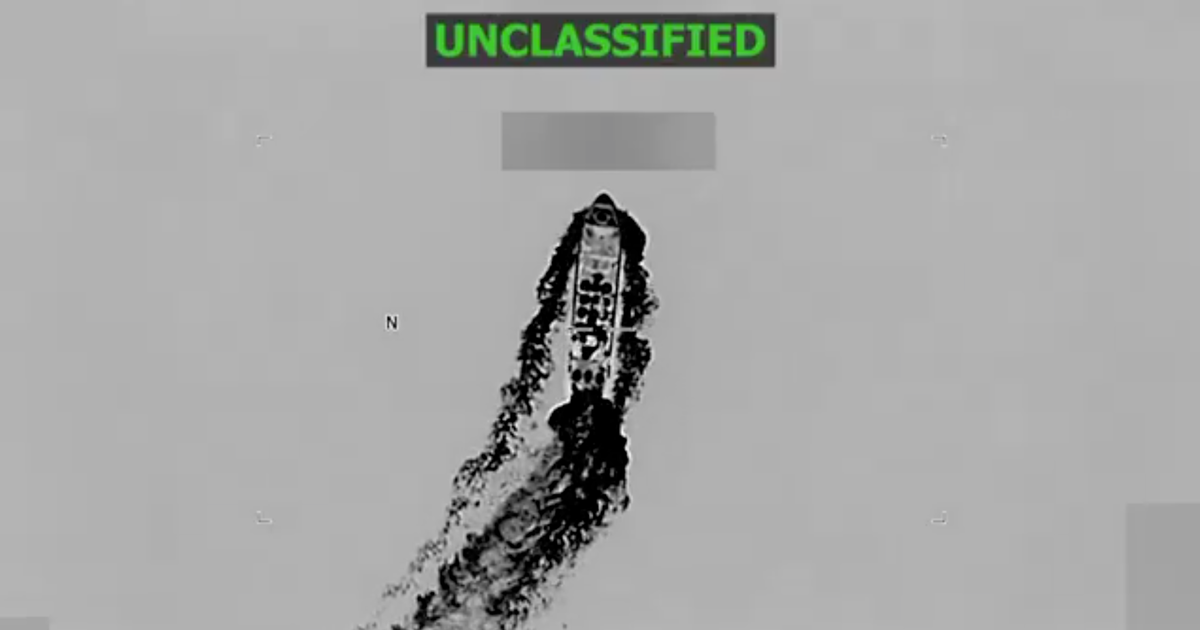
The Senate Armed Services Committee, led by Republicans, has pledged rigorous oversight following reports that the Defense Secretary ordered a U.S. strike on a suspected narcotics boat with instructions to leave no survivors. This development has raised intense scrutiny over the legality and ethics of targeting individuals after the initial attack.
Concerns Over Military Conduct
Lawmakers from both parties expressed concerns about the implications of such orders, with some calling it a potential war crime if verified. The committee chairmen, including Republican Sen. Roger Wicker and Democratic Sen. Jack Reed, emphasized their commitment to uncovering the facts surrounding the incident and ensuring accountability within the Department of Defense.
Ongoing Investigations and Accountability
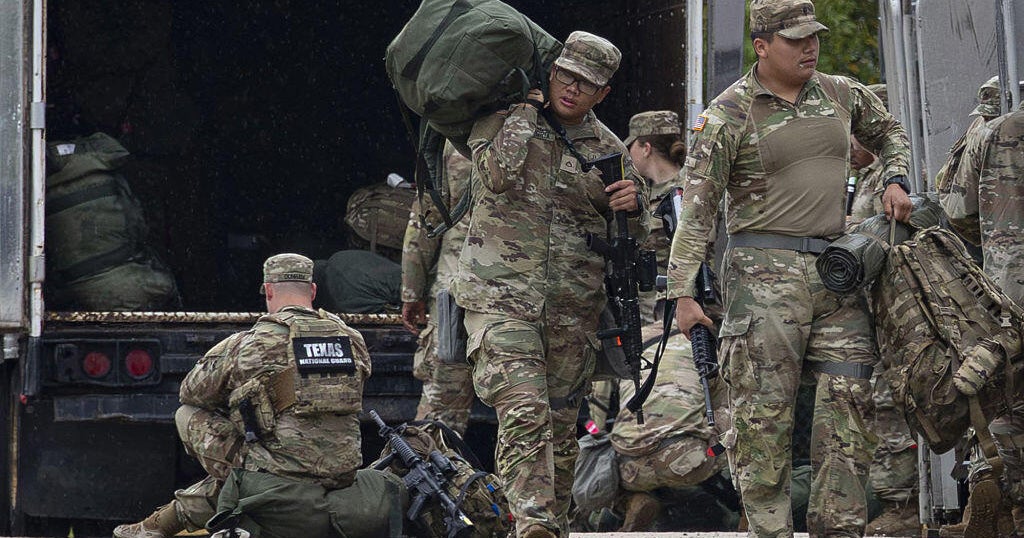
Alongside the Senate, the House Armed Services Committee is also investigating military operations in the region, underscoring bipartisan efforts to scrutinize U.S. military actions. The committees aim to provide a comprehensive review to uphold legal standards and maintain public trust in military conduct.
About the Organizations Mentioned
Senate Armed Services Committee
The **United States Senate Armed Services Committee (SASC)** is a powerful Senate committee responsible for legislative oversight of the nation’s military and defense policy. Its jurisdiction includes the Department of Defense, military research and development, nuclear energy related to national security, military benefits, the Selective Service System, and other defense-related matters[1][4]. The committee is instrumental in shaping U.S. defense policy, particularly through its annual drafting and oversight of the National Defense Authorization Act (NDAA), which authorizes defense spending and has been enacted continuously since 1962[1][2]. Historically, the committee was created in 1947 by combining the separate Military Affairs and Naval Affairs Committees, which themselves originated from Senate committees established in 1816[4]. Since then, the SASC has played a key role in crafting landmark legislation during critical periods such as the Cold War, including the National Security Act of 1947, which restructured U.S. military and intelligence agencies[1]. The committee's work is divided among six subcommittees, with notable ones including the Emerging Threats and Capabilities Subcommittee, overseeing defense R&D and technology acquisitions (excluding nuclear weapons), and the Strategic Forces Subcommittee, responsible for nuclear weapons policy and the National Nuclear Security Administration[2]. This structure allows the committee to closely monitor technological advances and emerging threats, making it a vital influence on defense innovation and cybersecurity policy. Currently chaired by Republican Senator Roger Wicker of Mississippi, with Democrat Jack Reed of Rhode Island as ranking member, the committee is known for its bipartisan approach, often reflecting members’ military backgrounds or defense interests in their states[1]. It holds hearings, reviews legislation, and manages nominations related to defense, impacting hundreds of billions in defense budgets and shaping military strategy and technology development. For business and technology sectors, the SASC’s influence on defense research, acquisition of advanced systems, and cybersecurity policy makes it a critical player in driving innovation and defense industry priorities in the
House Armed Services Committee
The United States House Armed Services Committee (HASC) is a pivotal legislative body within the U.S. House of Representatives, responsible for shaping national defense policy, overseeing the Department of Defense (DoD), and managing the annual National Defense Authorization Act (NDAA), which has been enacted every year since 1962. HASC’s jurisdiction spans defense strategy, military operations, defense acquisition, technology transfer, and oversight of the DoD and portions of the Department of Energy, including nuclear security and nonproliferation programs. Established in 1946 by the Legislative Reorganization Act, HASC consolidated the functions of earlier committees focused on military and naval affairs, streamlining oversight of the nation’s armed forces. The committee has evolved to address modern challenges, including cybersecurity, emerging technologies, and military readiness. Its structure includes several subcommittees, such as Strategic Forces (overseeing nuclear weapons and R&D), Cyber, Innovative Technologies, and Information Systems (focused on defense technology and innovation), and Intelligence, Emerging Threats, and Capabilities (addressing counterterrorism and new threats). HASC plays a crucial role in advancing U.S. defense capabilities, ensuring military readiness, and fostering technological innovation. It regularly holds hearings, conducts oversight, and drafts legislation that impacts defense contractors, technology firms, and the broader defense industrial base. Notable achievements include driving reforms in defense acquisition, supporting military modernization, and enhancing cybersecurity measures. Today, HASC remains at the forefront of national security, balancing traditional defense priorities with the demands of a rapidly changing technological landscape. Its work directly influences defense spending, military strategy, and the development of next-generation technologies, making it a key player for businesses and innovators in the defense and technology sectors.
Department of Defense
The **Department of Defense (DoD)** is a pivotal executive branch department of the U.S. government, responsible for coordinating and supervising all agencies and functions related to national security and the United States Armed Forces. Established by the National Security Act Amendments of 1949, the DoD is headquartered in the Pentagon and is led by the Secretary of Defense, who reports directly to the President of the United States[2][4]. ### History and Role The DoD was created to consolidate national defense efforts under a single entity, replacing the National Military Establishment. It plays a crucial role in maintaining and using armed forces to support and defend the Constitution, ensure national security, and uphold U.S. policies and interests[1][4]. The department oversees three major military departments: the Department of the Army, the Department of the Navy, and the Department of the Air Force, as well as newer additions like the Space Force[2][7]. ### Key Components and Achievements - **Military Departments**: Each branch has specific responsibilities, such as the Army focusing on land combat and the Navy on naval operations[6]. - **Agencies and Operations**: The DoD includes agencies like DARPA, NSA, and the Missile Defense Agency, contributing to technological advancements and strategic defense[2]. - **Current Status**: The DoD employs over 2.91 million personnel, including active-duty, reserve, and civilian workers, making it one of the world's largest bureaucracies[2]. ### Notable Aspects - **Global Influence**: The DoD plays a significant role in international security through its military operations and partnerships with allies[4]. - **Technological Innovation**: Agencies like DARPA have driven numerous technological breakthroughs, influencing both military and civilian sectors[2]. - **Government Contracting**: The DoD is a major player in government contracting, with significant implications for the business sector[7]. In summary, the Department of Defense is a cornerstone of U.S. national