Controversial FDA Official Claims Link Between COVID-19 Vaccines and Pediatric Deaths
Controversial Claims by FDA Official
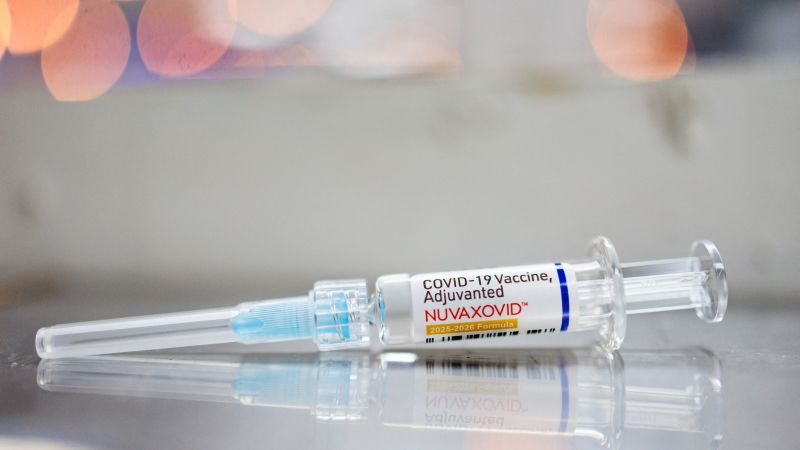
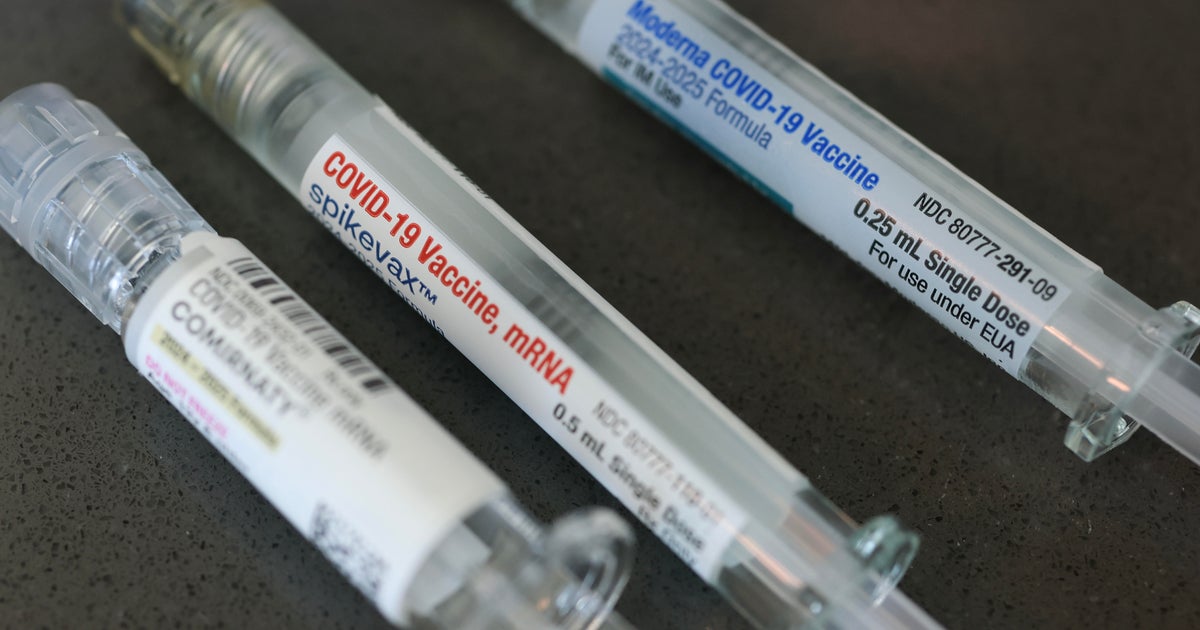
Dr. Vinay Prasad, director of the FDA's Center for Biologics Evaluation and Research, recently made a claim linking COVID-19 vaccines to pediatric deaths without presenting supporting data. This assertion came in a memo sent to FDA staff, raising concerns about transparency and evidence-based communication within the agency. As a hematologist-oncologist known for his critical views on pandemic policies, Prasad's statements have sparked debate among medical professionals and the public alike.
Context and Implications
Prasad has questioned the broad use of COVID-19 vaccines in children, emphasizing the lower risk COVID poses to younger populations compared to older or immunocompromised individuals. His appointment to lead the vaccine division follows the resignation of his predecessor amid controversy. The FDA under his leadership plans to require more rigorous placebo-controlled trials for future vaccines, reflecting a shift toward stricter evaluation standards.
Reactions and Future Outlook
The absence of data to support the vaccine-death link claim has drawn criticism, highlighting the importance of scientific evidence in public health messaging. As the FDA reassesses COVID-19 vaccine recommendations for children, ongoing scrutiny of vaccine safety and efficacy remains crucial for maintaining public trust and guiding policy decisions.
About the People Mentioned
Vinay Prasad
Vinay Prasad is a renowned hematologist-oncologist with a distinguished career in medicine and public health. Born in the United States to immigrant parents, he grew up in Ohio and Chicago. Prasad holds degrees from Michigan State University (philosophy and physiology) and the University of Chicago (medical degree), and he received a master's in public health from Johns Hopkins University[5][8]. He is currently a Professor of Epidemiology and Biostatistics at the University of California, San Francisco (UCSF), where he leads the VKPrasad lab, focusing on cancer drugs, health policy, and clinical trials[3][7]. Dr. Prasad is known for his critical perspective on medical practices and policies. He has been vocal about issues in cancer treatment, such as the high cost and limited effectiveness of some cancer drugs[6]. Additionally, he has been a prominent critic of the U.S. government's response to the COVID-19 pandemic, questioning measures like mask mandates and COVID booster shots[2][4]. Recently, Dr. Prasad was appointed as the Director of the FDA's Center for Biologics Evaluation and Research (CBER), succeeding Dr. Peter Marks[2][4]. In this role, he oversees the regulation of vaccines and biologics, including gene therapies. His appointment comes as the FDA is shifting towards requiring placebo-controlled trials for future vaccines[4]. Dr. Prasad's leadership role at the FDA has been recognized for its potential impact on public health policy and vaccine development[2][4]. He is also the Chief Medical and Scientific Officer at the FDA, advising on cross-cutting medical and scientific issues[1]. Dr. Prasad is a prolific writer and communicator, with over 500 academic articles and several books, including "Ending Medical Reversal" and "Malignant"[3]. He engages with the public through social media and podcasts, further cementing his influence in the medical community[3][6].
About the Organizations Mentioned
FDA
## Overview The **U.S. Food and Drug Administration (FDA)** is a federal agency within the Department of Health and Human Services responsible for protecting public health by ensuring the safety, efficacy, and security of a wide range of products, including human and veterinary drugs, biologics, medical devices, food, cosmetics, and products that emit radiation[1][2][3]. Its mission is to advance public health by helping to speed innovations that make medical products safer, more effective, and more affordable, while providing the public with accurate, science-based information about these products[1]. ## Functions and Regulatory Scope The FDA’s regulatory authority is expansive. It oversees the approval, manufacturing, marketing, and distribution of prescription and over-the-counter drugs, vaccines, blood products, medical devices (from simple tongue depressors to complex pacemakers), dietary supplements, most foods (except some meat, poultry, and egg products regulated by the USDA), cosmetics, and tobacco products[1][2][5]. The agency also regulates electronic products that emit radiation, such as X-ray machines and microwave ovens[2][5]. Importantly, the FDA does not regulate the practice of medicine, medical services, product pricing, or health insurance reimbursement[2]. The FDA achieves its goals through a combination of **premarket reviews**, **post-market surveillance**, **facility inspections**, **enforcement actions**, and **public education**[3][4]. It maintains several adverse event reporting systems—such as MedWatch and VAERS—to monitor product safety after they reach the market[4]. The agency also plays a key role in the nation’s counterterrorism efforts by ensuring food supply security and fostering the development of medical countermeasures[1]. ## History and Key Achievements Established in 1906 with the passage of the Pure Food and Drugs Act, the FDA’s origins trace back to efforts to combat adulterated and misbranded food and drugs. Its regulatory powers expanded significantly with the
Center for Biologics Evaluation and Research
The Center for Biologics Evaluation and Research (CBER) is a pivotal division of the U.S. Food and Drug Administration (FDA), established in 1902 following tragic incidents involving contaminated biological products. Originally part of the National Institutes of Health, CBER moved to the FDA in 1972 and has since become a global leader in regulating biologics—products derived from living sources such as humans, animals, and microorganisms. These include vaccines, blood and blood components, allergenics, cellular and gene therapies, tissues, and certain medical devices. CBER’s mission is to ensure the safety, purity, potency, and effectiveness of these advanced therapies, which often represent the cutting edge of biomedical innovation. The center evaluates scientific and clinical data submitted by manufacturers, making regulatory decisions based on a rigorous risk-benefit analysis. CBER also oversees the licensing and post-market surveillance of biologics, ensuring that products remain safe and effective throughout their lifecycle. A key aspect of CBER’s work is its role in facilitating the development and approval of novel technologies, including gene therapies and regenerative medicine products. The center is organized into specialized offices, such as those for vaccines, blood, and cellular therapies, and employs a cadre of scientific experts who bridge regulatory science and public health. CBER also collaborates with external advisory committees to seek expert input on complex scientific and technical issues. Today, CBER continues to shape the future of healthcare by advancing regulatory science, supporting innovation, and safeguarding public health. Its work is critical for companies in the biotech and pharmaceutical sectors, as it sets the standards for bringing life-saving biologics to market.