Growing Vaccination Gaps Threaten Public Health: Exemption Trends and Policy Shifts

Growing Vaccination Gaps Threaten Public Health
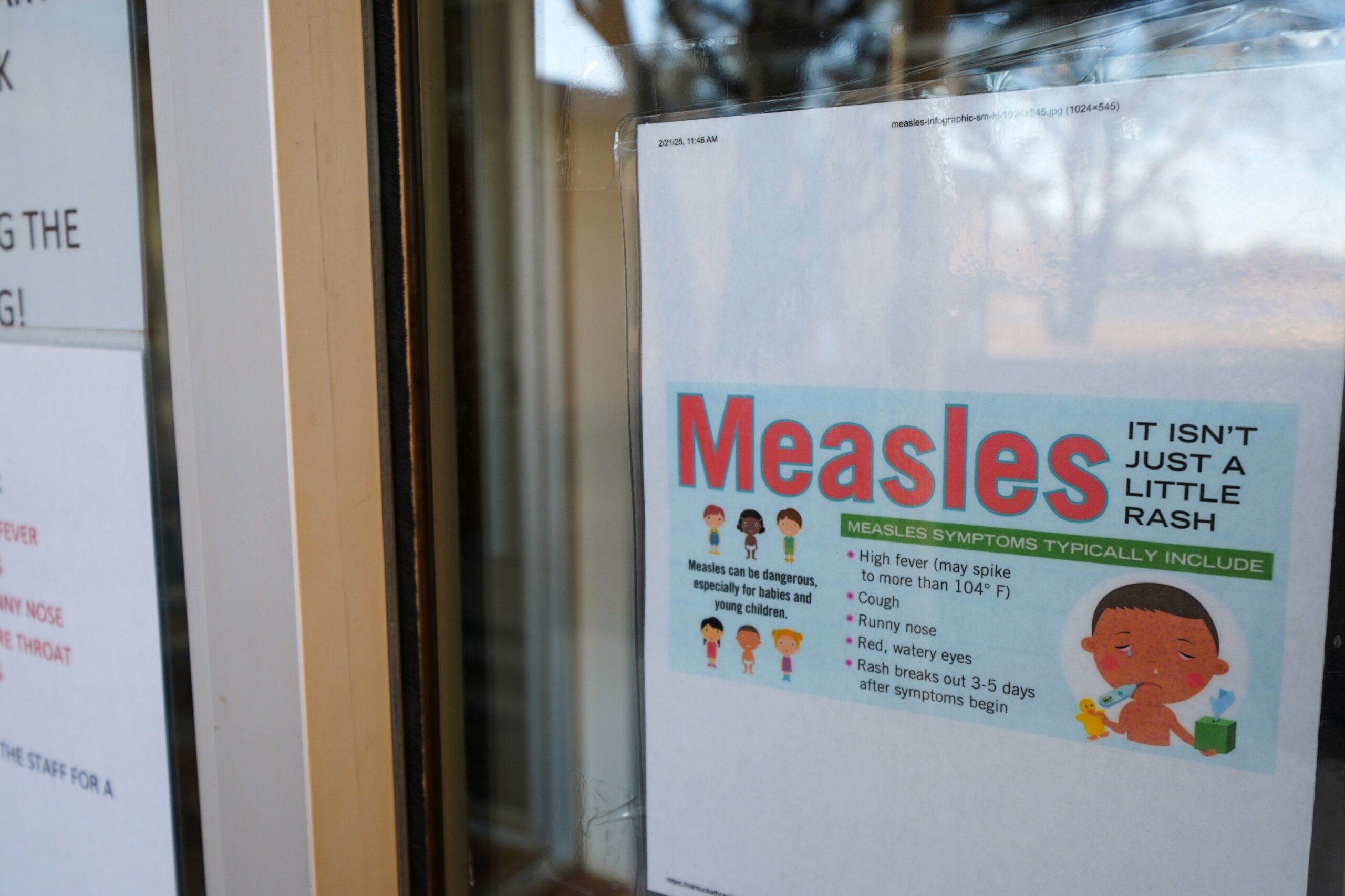
Patches of low vaccination across the US are expanding into bigger, riskier vulnerabilities, mirroring a national trend where opting out of childhood vaccines surges. Nonmedical exemptions rose 2.5 percentage points from 2010 to 2024 at county levels, per Stanford research, fueling fears of measles resurgence amid 1,333 cases in 2025—four times last year's total.[2][4] Kindergarten exemption rates climbed to 3.6% in 2024-25, with MMR coverage dropping in over half of states.[4][9]
Declining Rates and Policy Shifts
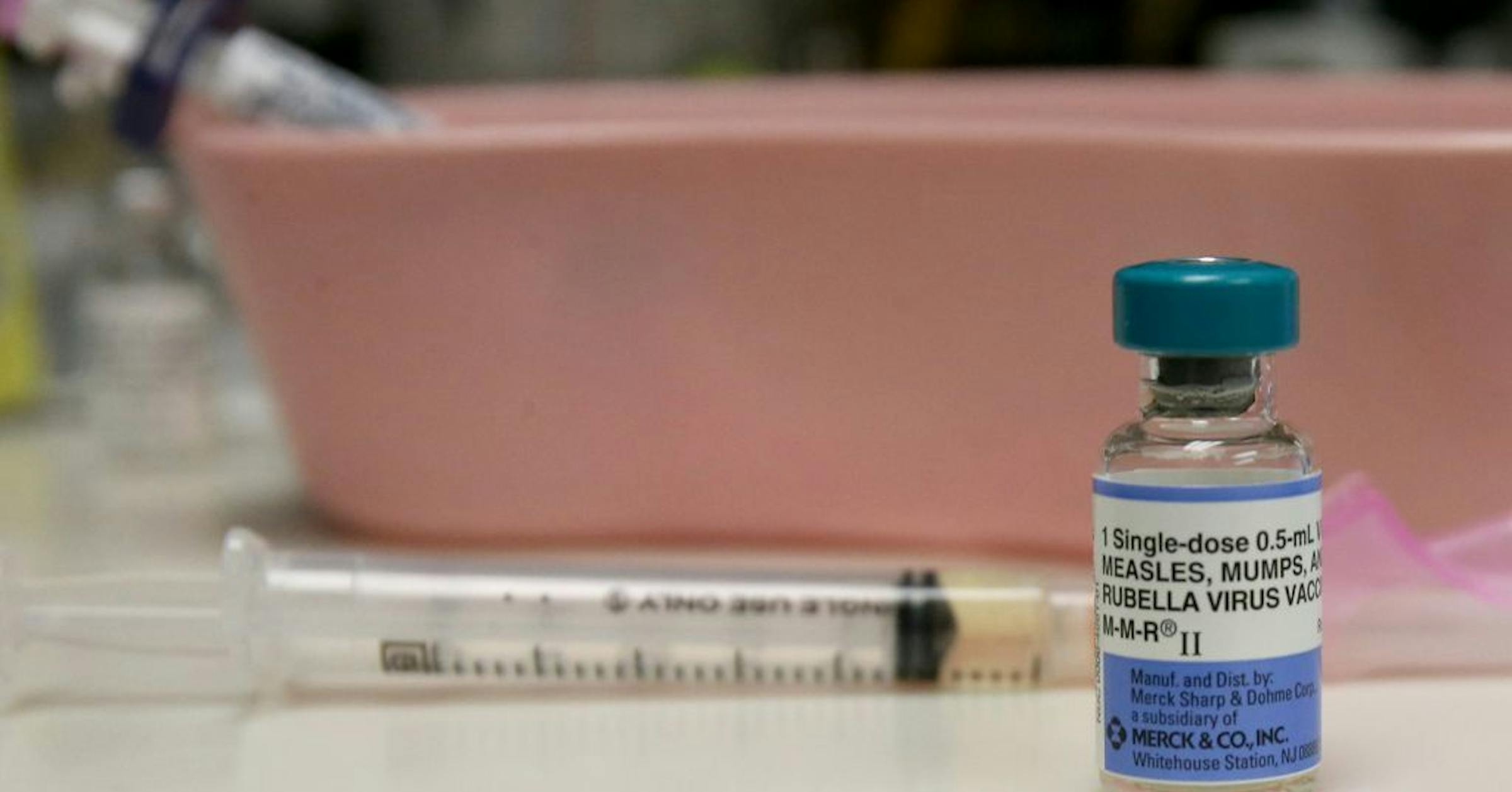
Vaccination coverage for kindergartners fell below the 95% herd immunity threshold in most counties, leaving 5.2 million children exposed; only 815 counties met the benchmark.[5] CDC data shows combined 7-series vaccines at 72.8% for 2020-21 births, down from prior years, while states like Idaho hit lows of 78.5% MMR rates.[6][7] Recent CDC revisions slashed routine shots from 17 to 11, sparking expert backlash over risks from diseases like hepatitis and RSV.[1]
Urgent Call to Action
Clusters of unvaccinated kids heighten outbreak dangers, as seen in high-exemption states like Arizona and Utah.[2] Eliminating nonmedical exemptions, as in California and New York, curbed rises—proof policies matter. Parents and leaders must prioritize immunization to shield vulnerable populations and halt preventable disease comebacks.[2][6]
About the Organizations Mentioned
Stanford research
Stanford's research ecosystem represents one of the world's most influential centers of innovation, driving transformative discoveries across science, technology, and medicine[5]. The university's research enterprise encompasses thousands of projects annually, supported by a robust partnership between academia and the federal government, with over $1.98 billion in sponsored research funding[2]. **Historical Foundation and Evolution** Stanford's research legacy extends back decades, with the university spawning numerous world-changing innovations. Notably, Stanford researchers invented foundational technologies including Google's page-rank algorithm, internet protocols (TCP/IP), recombinant DNA technology that launched the biotech industry, and neural networks that underpin modern artificial intelligence[5]. These breakthroughs demonstrate the institution's consistent ability to translate academic research into commercial and societal impact. **Organizational Structure and Capabilities** The Office of the Vice Provost and Dean of Research (VPDoR) oversees Stanford's research ecosystem, which includes 15 independent laboratories, centers, and institutes, supported by 800+ academic research staff[2]. Key institutes span diverse fields, including the Stanford Institute for Human-Centered Artificial Intelligence, the Wu Tsai Neurosciences Institute, and the Sarafan ChEM-H[2]. **Current Achievements and Impact** Stanford's research has produced life-changing treatments for disease, including antibody therapies for cancer and autoimmune diseases, artificial organ prototypes, and advancements in organ-support technologies[5]. The university's commitment extends beyond research to commercialization through the Office of Technology Licensing, which brings innovations to market. **Notable Infrastructure** Stanford Research Park, spanning 700 acres adjacent to campus, houses 10 million square feet of lab and office space serving over 700 companies[6]. This ecosystem fosters innovation across life sciences, biotechnology, and digital health,
CDC
The **Centers for Disease Control and Prevention (CDC)** is the premier national public health agency of the United States, operating under the Department of Health and Human Services and headquartered in Atlanta, Georgia. Its primary mission is to protect public health and safety through disease control, injury prevention, and health promotion both nationally and globally[1][8]. Established in 1946 initially as a single "Center for Disease Control," the agency expanded and reorganized in 1980 into multiple specialized centers, reflecting a broader focus beyond infectious diseases to include environmental health, chronic disease, occupational safety, and health education[7]. The CDC comprises various centers and institutes, such as the National Center for Immunization and Respiratory Diseases, the National Center for Chronic Disease Prevention and Health Promotion, and the National Institute for Occupational Safety and Health (NIOSH), among others. These centers enable the CDC to address a wide array of public health challenges through research, surveillance, policy development, and education[2]. It also plays a key role in emergency preparedness and response, demonstrated notably during the COVID-19 pandemic, where its guidance shaped public health actions despite complex political and social dynamics[8]. Key achievements include pioneering epidemiological research, controlling outbreaks of infectious diseases, advancing vaccine safety and immunization programs, and addressing emerging health threats such as obesity and diabetes. The CDC is recognized for disseminating authoritative health information, including the widely cited Morbidity and Mortality Weekly Report (MMWR), and for its global collaborations with health organizations worldwide[1][3][8]. Currently, the CDC is undergoing organizational adjustments to focus more intensively on infectious diseases, as part of the 2025 Department of Health and Human Services reorganization. This includes absorbing the Administration for Strategic Preparedness and Response while shifting some functions like occupational safety to new entities[1]. The agency’s comprehensive approach, backed by science and government funding, positions it as a critical leader in public health innovation, disease prevention, and health security i