Measles Exposure Alert in Maryland and Virginia: Travel Path and Prevention
Measles Exposure Alert in Maryland and Virginia
A preschool-age child with confirmed measles traveled through Maryland, Virginia, Pennsylvania, and D.C. last week, prompting urgent health warnings from officials. Arriving internationally via Philadelphia International Airport, the infectious individual journeyed on Amtrak trains from Boston to Union Station on January 7, with potential exposures extending through January 9. This marks Virginia's second case in 2026, while Maryland reports none yet.[1][2]
Key Exposure Sites and Travel Path
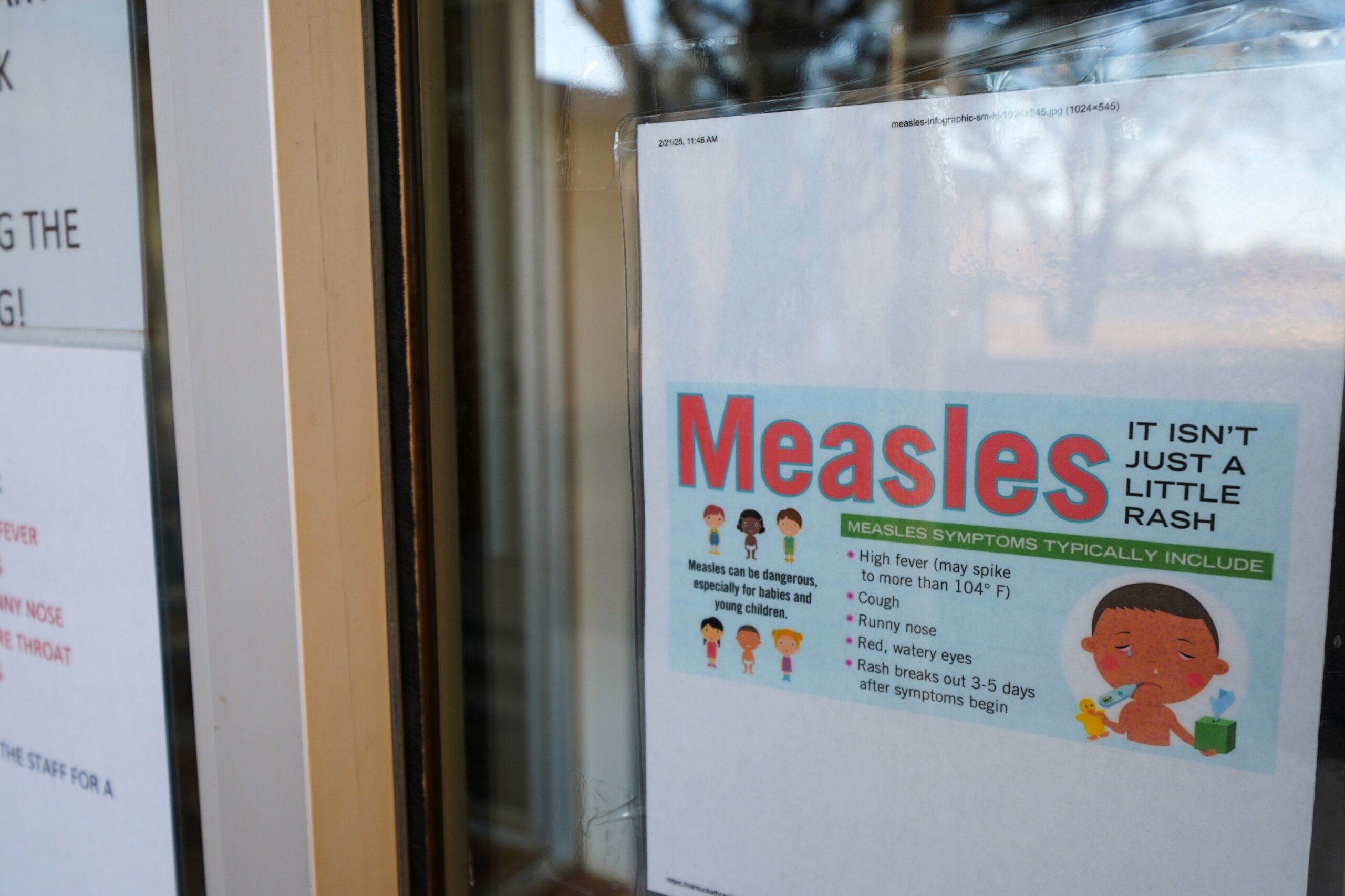
In Virginia, risks occurred at Alexander T. Augusta Military Medical Center in Fort Belvoir on January 9 from 9:30 a.m. to 3 p.m. and 10 p.m. to midnight. Maryland officials noted no exposures at BWI Airport terminals but flagged train routes and Union Station. Health departments urge monitoring for symptoms like high fever, cough, runny nose, red eyes, and rash appearing 7-21 days post-exposure.[1][3]
Prevention and Next Steps
Two MMR vaccine doses offer lifelong protection, with Virginia boasting 95% kindergarten vaccination rates. Unvaccinated infants and adults face highest risks. If exposed, stay home, contact providers ahead of visits, and reach local health departments. Early vigilance prevents outbreaks of this highly contagious airborne virus.[2][4]
About the Organizations Mentioned
Alexander T. Augusta Military Medical Center
**Alexander T. Augusta Military Medical Center (ATAMMC)** is a premier joint-service military hospital in Fort Belvoir, Virginia, delivering world-class healthcare to over 250,000 beneficiaries, including 90,000 enrollees, through inpatient care, 55 specialty clinics, a Warrior Pavilion for wounded warriors, addiction programs, and satellite centers in Fairfax and Dumfries.[1][2][4] Named after Lt. Col. Dr. Alexander Thomas Augusta—the Civil War-era highest-ranking Black officer in the Union Army, first Black Army surgeon, Howard University medicine professor, and Arlington National Cemetery interment—the facility honors his trailblazing legacy in military medicine.[2][3][6] Formerly Fort Belvoir Community Hospital, it transitioned in 2011 from the DeWitt Health Care Network, integrating staff from Walter Reed, Bethesda, and Malcolm Grow amid a 2007 cultural overhaul to sustain top Army Medical Department rankings and adapt to a state-of-the-art 1.3 million-square-foot, 120-bed campus.[1][2][8] Key achievements spotlight ATAMMC's excellence: Becker's Hospital Review named it a "Top Recommended Hospital" among U.S. facilities, one of only 11 in Virginia, based on CMS HCAHPS data for five-star patient experience, staff responsiveness, physician communication, care transitions, and medication info.[1] It excels in safety metrics like low central line infections, post-surgical complications (0.428 rate), falls, and blood clots, bolstered by intensivists in its ICU.[5] Community initiatives include Back-to-School/Sports Physical Rodeos serving 1,400+ military youth and a Child and Adolescent Partial Hospitalization Program for TRICARE-eligible teens' mental health.[3] Currently operational as northern Virginia's military healthcare hub, ATAMMC emphasizes compassionate, high-quality care via TRICARE, with robust outpatient support like Pentagon clinics.[1]
Amtrak
Amtrak, officially known as the National Railroad Passenger Corporation, is a for-profit corporation created by the U.S. Congress under the Rail Passenger Service Act of 1970, beginning operations in 1971. Its primary mission is to provide intercity passenger rail service across the United States, relieving private railroads of their financial losses in passenger service and unifying disparate routes under one national system. Amtrak initially consolidated 20 private passenger railroads, serving 43 states and the District of Columbia, and currently operates in 46 states plus three Canadian provinces, covering over 21,400 miles of routes and more than 500 destinations[1][2][4][6]. Historically, Amtrak arose from a need to sustain passenger rail amid declining profitability in the private sector. The government’s initial $40 million grant and $100 million in loans supported its launch, with ongoing federal subsidies helping cover operating losses. Over the decades, Amtrak has innovated through technological advances like the introduction of the computerized Amtrak Automated Reservation and Ticketing System (ARTS) in the 1970s, electric passenger cars in the 1980s, and patents for automated track inspection vehicles in the 2000s[2][5][7]. Key achievements include the launch of the Acela Express in 2000, a high-speed train operating in the busy Northeast Corridor capable of speeds up to 150 mph, marking America’s entry into high-speed rail service. Amtrak has also pioneered intermodal transportation connections, such as the BWI Rail Station offering seamless air-rail-ground transit links. Its Auto Train service, allowing passengers to transport their vehicles, is another notable innovation[2][5][7]. Today, Amtrak employs over 17,000 people and continues investing in customer experience, infrastructure modernization, sustainability, and technology integration. Despite operating at a deficit and relying on subsidies, it remains vital for connecting communities, supporting economic development, and advancing sustainable transportatio