Crypto's 2025 Boom and Bust: Turbulence Rocks Markets

Crypto's 2025 Boom and Bust
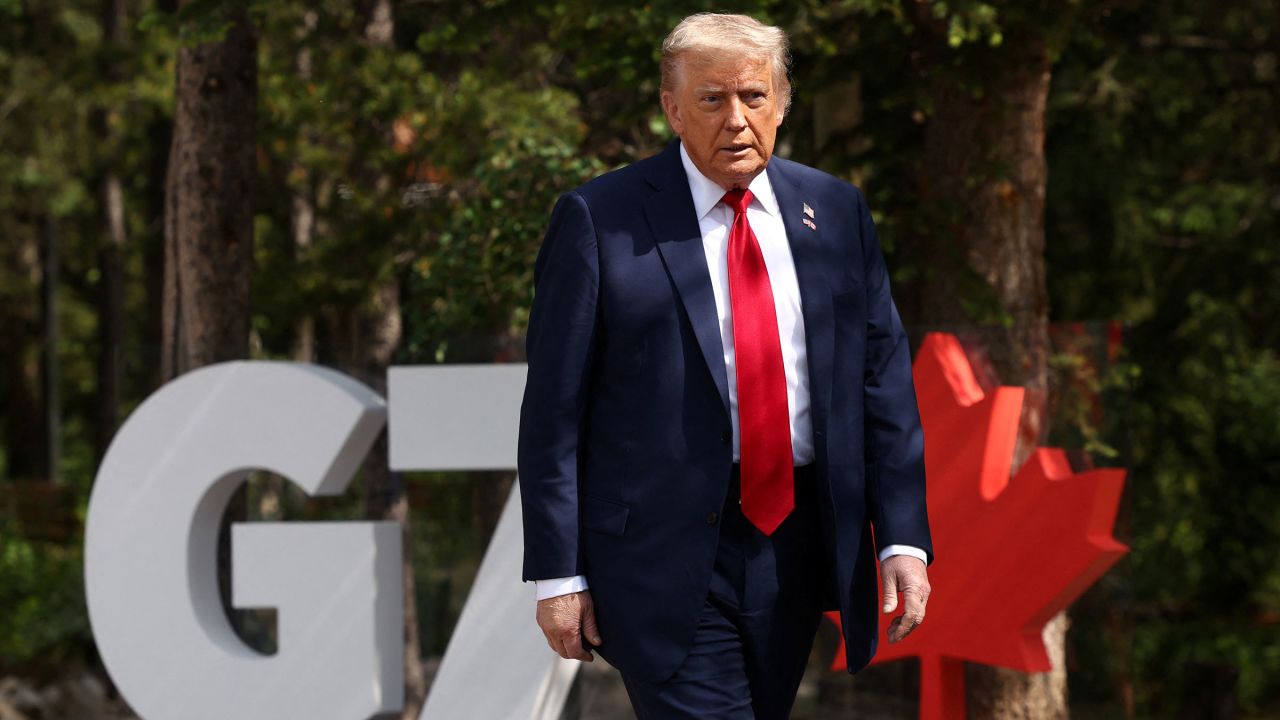
After soaring through most of 2025 on promises from President Trump to position the U.S. as a crypto powerhouse, the market faced a brutal crash. Bitcoin briefly dipped below $105,000, while altcoins like Ethereum and Solana plunged 70-80%, triggered by Trump's aggressive tariff policies on Chinese tech imports up to 100%[1]. This sparked global panic, amplifying crypto's inherent volatility.
Unraveling the Crash Causes
The downturn stemmed from massive liquidations exceeding $12 billion in hours, fueled by circular lending loops on exchanges where traders pledged assets like USDe to borrow more, creating fragile positions[1]. High leverage—often 50x to 100x—ignited liquidation cascades: a minor dip prompted margin calls, forced selling, and further declines in a vicious cycle[2][3]. Market makers withdrew liquidity from smaller tokens, worsening the rout as institutional outflows hit $1.2 billion in early November[3].
Navigating the Fallout
With daily liquidations normalizing at $500 million and sentiment at rock bottom, recovery hinges on deleveraging and renewed trust[3]. Historical cycles suggest rebounds follow such pain, urging investors to exercise patience amid evolving regulations and macroeconomic shifts.
About the People Mentioned
Donald Trump
Donald John Trump, born June 14, 1946, in Queens, New York, is an American businessman, media personality, and politician. He graduated from the University of Pennsylvania’s Wharton School in 1968 with a degree in economics. In 1971, he took over his family’s real estate business, renaming it the Trump Organization, through which he expanded into building and managing skyscrapers, hotels, casinos, and golf courses. Trump gained widespread fame as the host of the reality TV show *The Apprentice* from 2004 to 2015, which helped establish his public persona as a successful entrepreneur. Trump entered politics as a Republican and was elected the 45th president of the United States, serving from 2017 to 2021. His presidency was marked by significant policy actions including tax cuts, deregulation, the appointment of three Supreme Court justices, renegotiation of trade agreements (notably replacing NAFTA with the USMCA), and a focus on immigration control including border wall expansion. He withdrew the U.S. from international agreements such as the Paris Climate Accord and the Iran nuclear deal, and engaged in a trade war with China. His administration’s response to the COVID-19 pandemic was criticized for downplaying the virus’s severity. Trump was impeached twice by the House of Representatives—first in 2019 for abuse of power and obstruction, and again in 2021 for incitement of insurrection—but was acquitted by the Senate both times. After losing the 2020 election to Joe Biden, Trump challenged the results, culminating in the January 6, 2021, Capitol riot. He remains a central figure in American politics, having won the 2024 presidential election and returned as the 47th president in 2025, continuing to promote policies aimed at economic growth, border security, and military strength[1][2][3][4].