Fed Rate Cut Incoming: Navigating 2025 Policy and Market Uncertainty

Federal Reserve’s Upcoming Rate Cut
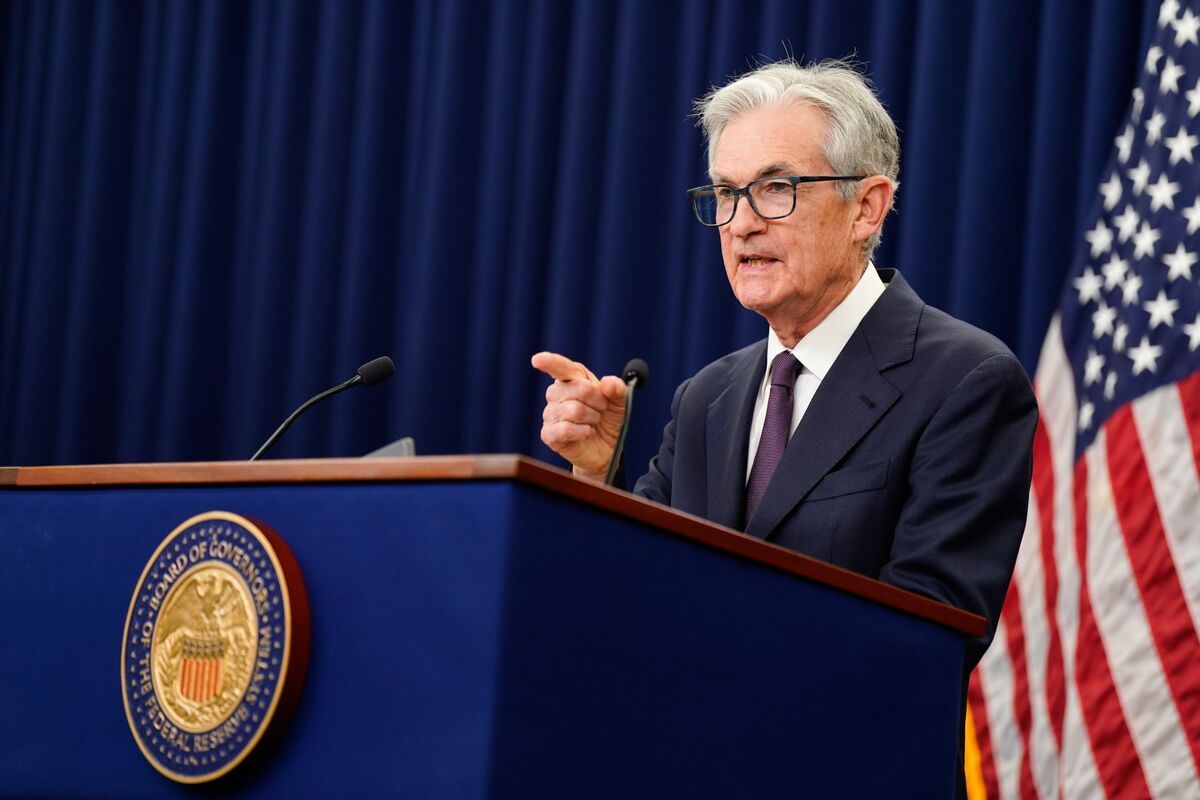
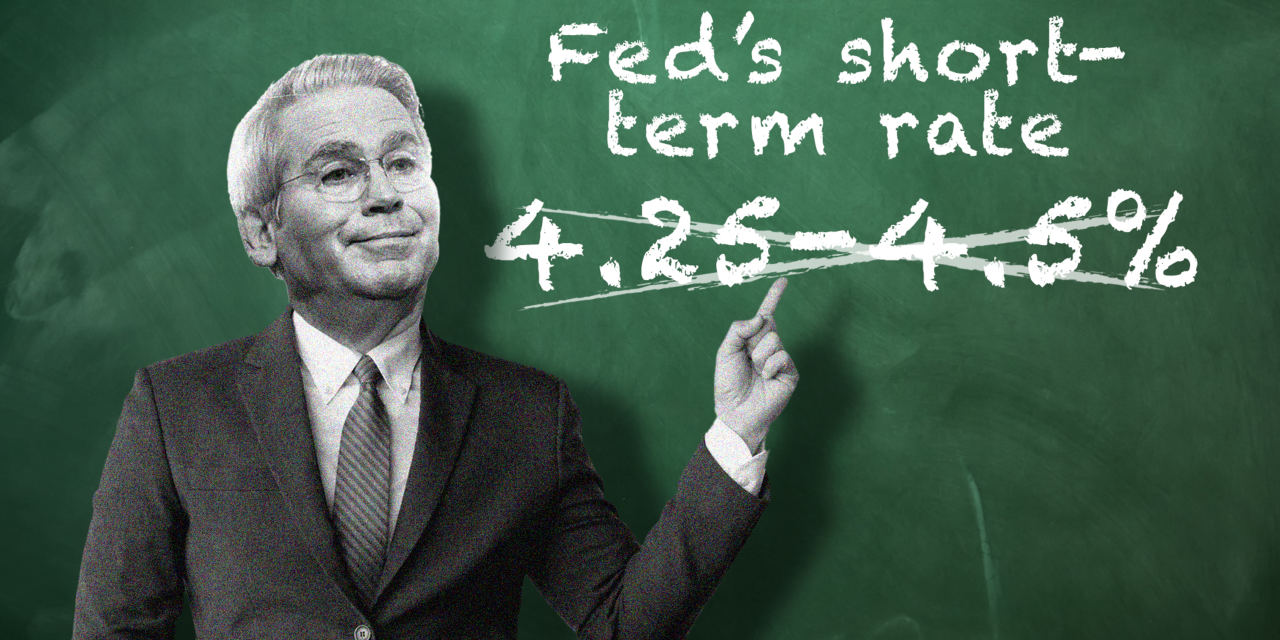
This week, the Federal Reserve is poised to implement a small interest rate cut, likely by a quarter-point, marking the third consecutive reduction in 2025. This move reflects ongoing concerns about a softening labor market and elevated inflation, despite some policymakers’ reservations. The Fed faces a delicate balance as it aims to support economic growth without igniting further inflationary pressures.
The Economic Uncertainty Ahead
Officials are navigating a murky economic landscape, complicated by delayed key data such as recent inflation and employment reports. This lack of clarity makes forecasting the economy’s trajectory challenging, leaving the Fed divided on the pace and scale of future rate adjustments. Market expectations have fluctuated sharply, underscoring the uncertainty in policy direction.
Implications for Consumers and Markets
A continued rate cut trend could ease borrowing costs, making mortgages and loans more affordable. However, the Fed’s cautious stance signals a period of unknowns for the economy, with inflation remaining above the 2% target and labor market risks persisting. Investors and consumers alike await clearer signals on the Fed’s long-term strategy.
About the Organizations Mentioned
Federal Reserve
## Overview and Mission The Federal Reserve, often called the "Fed," is the central bank of the United States, established by Congress in 1913 to provide the nation with a safer, more flexible, and stable monetary and financial system[1]. Its mission centers on a dual mandate from Congress: to promote maximum employment and maintain price stability, ensuring the dollar retains its value over time[1]. The Fed operates through a unique hybrid structure, combining a national Board of Governors in Washington, D.C., with 12 independent regional Reserve Banks, including institutions like the Cleveland Fed[1]. This decentralized setup allows the Fed to closely monitor economic conditions across diverse regions, industries, and communities, while maintaining independence from short-term political influences[1]. ## Key Functions The Fed’s responsibilities are broad and vital to the U.S. economy. It conducts monetary policy—primarily by influencing interest rates—to achieve its employment and inflation goals[2]. The Fed also supervises and regulates banks to ensure the safety and soundness of the financial system, works to minimize systemic risks, and fosters efficient payment and settlement systems[2]. Additionally, it promotes consumer protection and community development, addressing emerging issues through research, supervision, and enforcement of consumer laws[2]. ## History and Evolution The Federal Reserve is the third central bank in U.S. history, following two failed attempts in the 19th century[1]. Its creation was a response to the financial turbulence of the early 20th century, aiming to prevent crises and stabilize the economy. Over time, the Fed has evolved, adopting more transparent and inclusive policymaking processes. For example, it now conducts regular reviews of its monetary policy framework, engaging with academics, businesses, and the public to refine its strategies and communications[3][5]. ## Recent Developments and Achievements In 2025, the Fed completed its second major review of its monetary policy strategy, tools, and communications, reaffirming its commitment to transparenc