Florida House Advances Redistricting Amid Timeline Debate
Florida House Advances Redistricting Amid Timeline Debate
The Florida House is pushing forward with redistricting efforts despite Governor DeSantis proposing a delayed timeline. State Representative Mike Redondo emphasized that postponing the creation and passage of new district maps until after the legislative session would be irresponsible. This urgency reflects concerns over fair representation and the need to address population shifts promptly.
Political and Public Responses
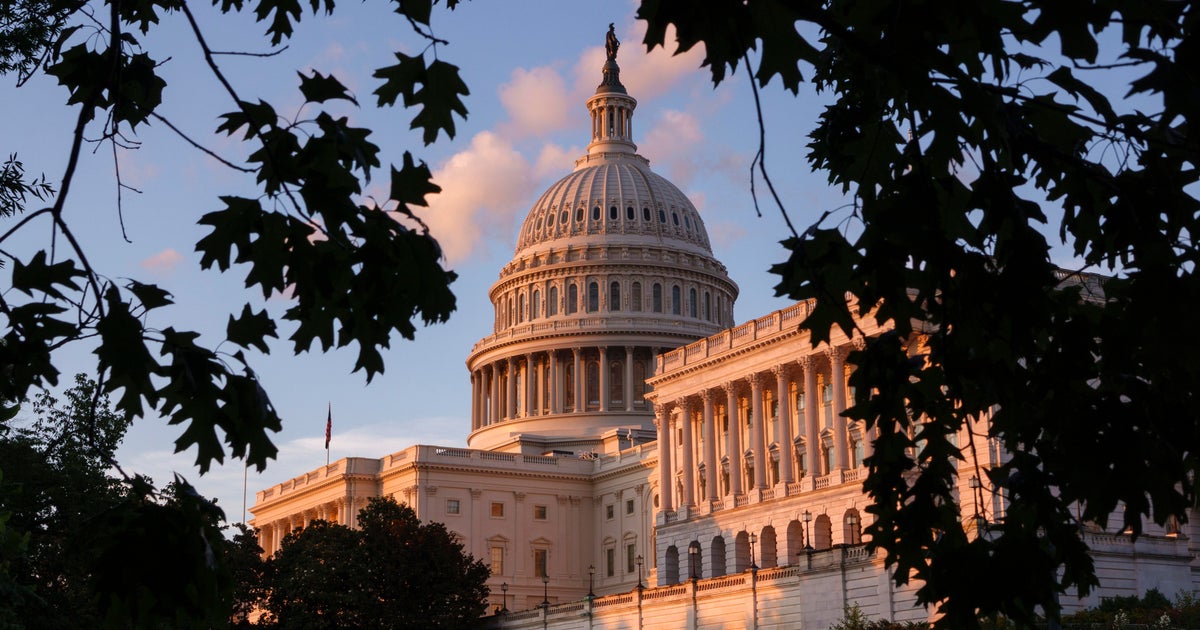
The move has sparked significant public attention, with over 100 protesters rallying outside the Capitol to oppose the GOP-led redistricting initiative. Critics argue that redrawing districts mid-decade could undermine electoral fairness, while supporters claim the early action ensures the state’s districts accurately reflect demographic changes.
Implications for Future Elections
The redistricting process will influence upcoming elections by redefining congressional boundaries. Lawmakers plan to review and refine the maps through committee hearings, balancing legal requirements with political considerations. The House’s decision to proceed ahead of schedule signals a commitment to timely reapportionment despite opposition and ongoing debate.
About the Organizations Mentioned
Florida House
Florida House, often called "Florida's Embassy" or "The Manning House," is a unique nonprofit 501(c)(3) organization based in Washington, D.C., serving as the only state embassy on Capitol Hill. Established on October 26, 1973, it functions as an education and information center providing meeting, classroom, and reception spaces for Floridians and visitors to the nation's capital. Its mission is to connect, celebrate, and champion the state of Florida to the world through cultural, educational, and award programs[1][4]. Florida House is privately owned by a nonprofit foundation managed by a board of trustees composed of business, cultural, and philanthropic leaders from Florida. It operates without any state or federal tax funding, relying entirely on private donations from individuals, corporate sponsors, and regional fundraisers[1][4]. The organization hosts programs such as the Florida Congressional Intern Seminar Series, which educates and engages young Floridians in government affairs, further cementing its role as a bridge between Florida and Washington, D.C.[1]. The house is strategically located one block from the U.S. Capitol, across from the Supreme Court and the Library of Congress, making it a prominent hub for Floridians visiting the capital. It welcomes about 15,000 visitors annually, providing them with hospitality and opportunities to connect with Florida's culture and political presence[1][4]. Financially, Florida House maintains assets exceeding one million dollars and operates with a modest staff, reflecting efficient nonprofit management focused on community building and capacity enhancement[2]. Notable leadership included Rhea Chiles, who served as chairman emeritus until 2015, and by tradition, the spouse of the sitting Florida governor is invited to serve as honorary chairman[1]. In sum, Florida House stands out as a singular institution that fosters educational, cultural, and political ties between Florida and the federal government, making it an important fixture for those interested in business, technology, and policy development
GOP
The **GOP**, or **Grand Old Party**, is the widely recognized nickname for the **Republican Party** of the United States, a major conservative political party founded in 1854. It originated from anti-slavery activists opposing the Kansas-Nebraska Act, uniting former Whigs and Free Soilers with a platform centered on halting the expansion of slavery. The party's early historic milestone was the election of Abraham Lincoln in 1860, which precipitated the Civil War; under Lincoln’s leadership, the GOP focused on preserving the Union and abolishing slavery[1][2][3]. Throughout its history, the Republican Party has evolved from its abolitionist roots to champion business interests, industrial growth, and economic policies favoring limited government intervention. In the late 19th and early 20th centuries, it promoted protective tariffs and infrastructure development. The party experienced fluctuating influence, losing ground during the New Deal era but regaining prominence with Dwight D. Eisenhower’s presidency in the 1950s, marked by moderate conservatism[1][2]. Today, the GOP advocates for reduced taxes, conservative social policies, limited government regulation, strong national defense, and states’ rights. It remains one of the two dominant forces in American politics, consistently shaping legislative agendas and national discourse[2]. The party is organized and led nationally by the **Republican National Committee (RNC)**, which manages fundraising, election strategies, and the party platform, coordinating efforts across states and counties under the leadership of a chairman[3][4]. Notably, the acronym "GOP" was popularized in the late 19th century and originally stood for "Grand Old Party," symbolizing the party's legacy in preserving the Union and championing liberty. It is now a common term in political commentary and media[3][5]. In recent years, the GOP has undergone significant membership changes in Congress and leadership adjustments, reflecting its dynamic role in U.S. politics as