Galaxy S26 Ultra Charging: 60W Underwhelms Against Rivals
Leaked Galaxy S26 Ultra Charging: Why 60W Underwhelms
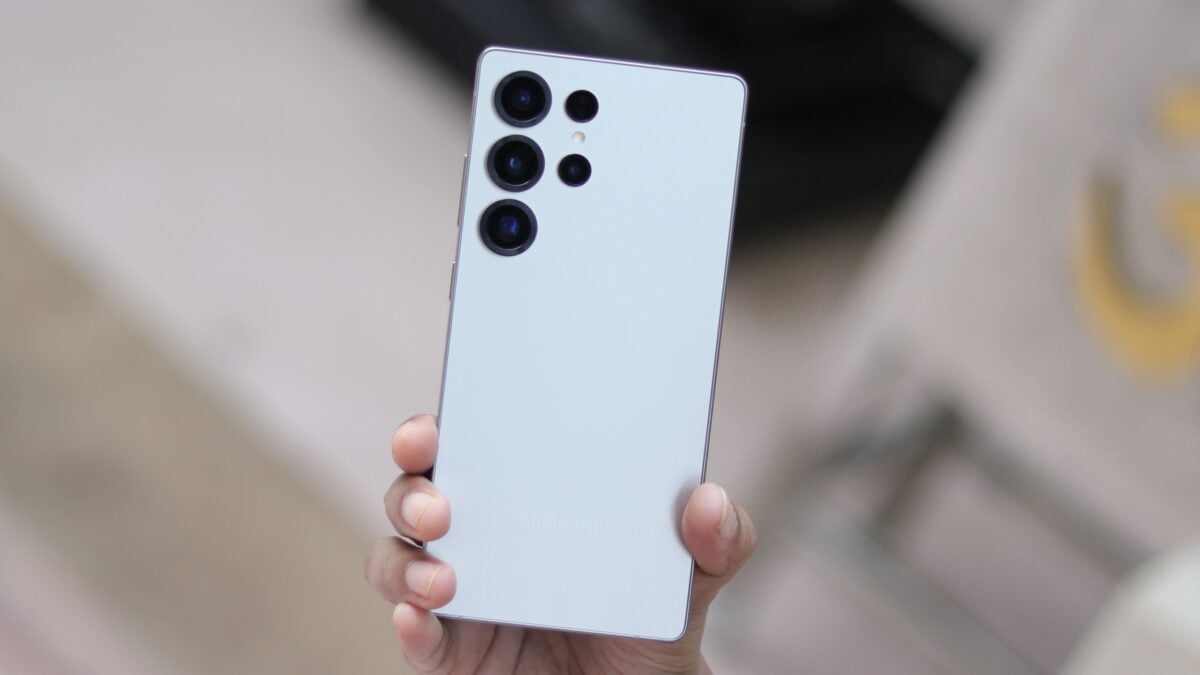
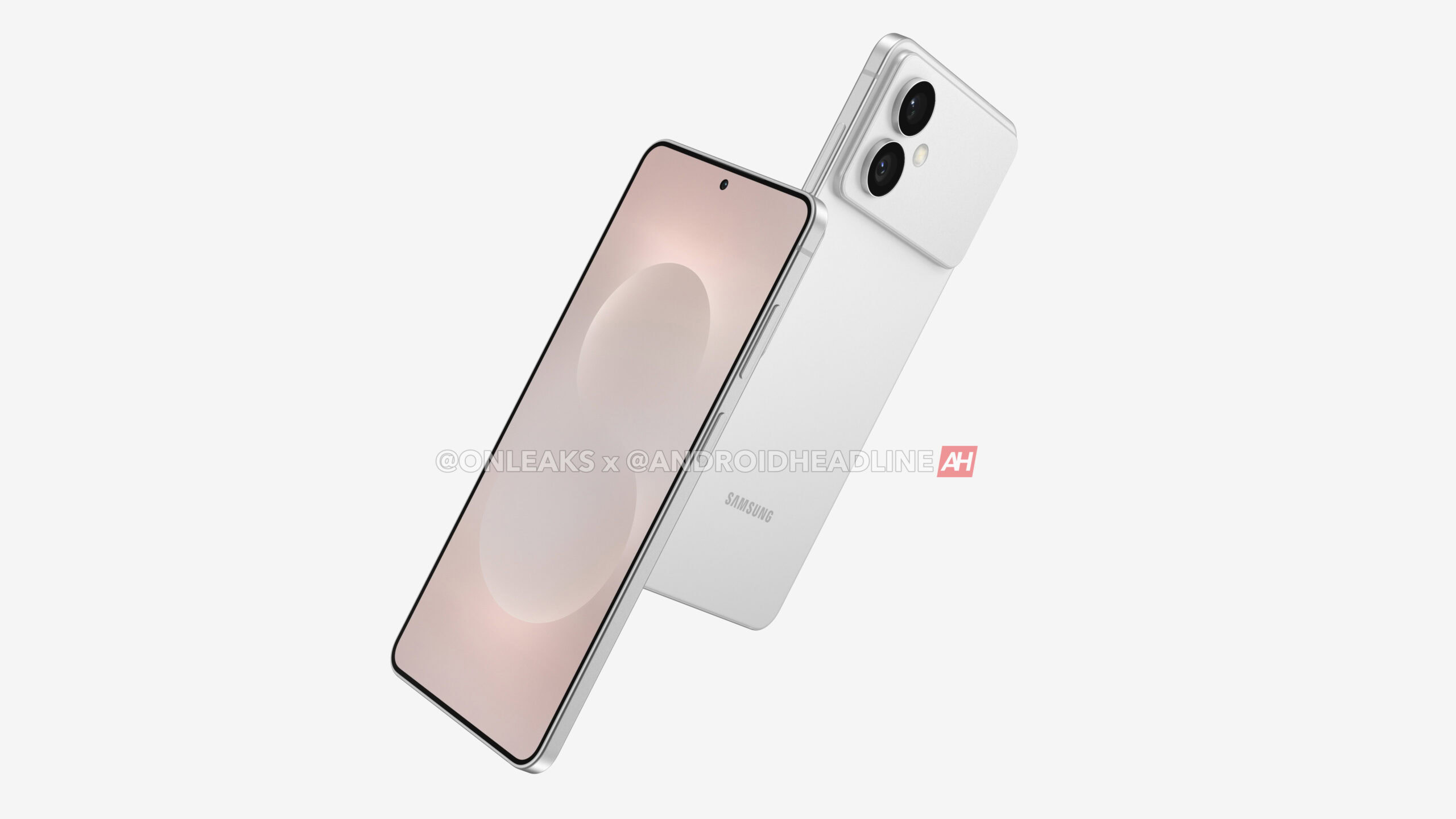
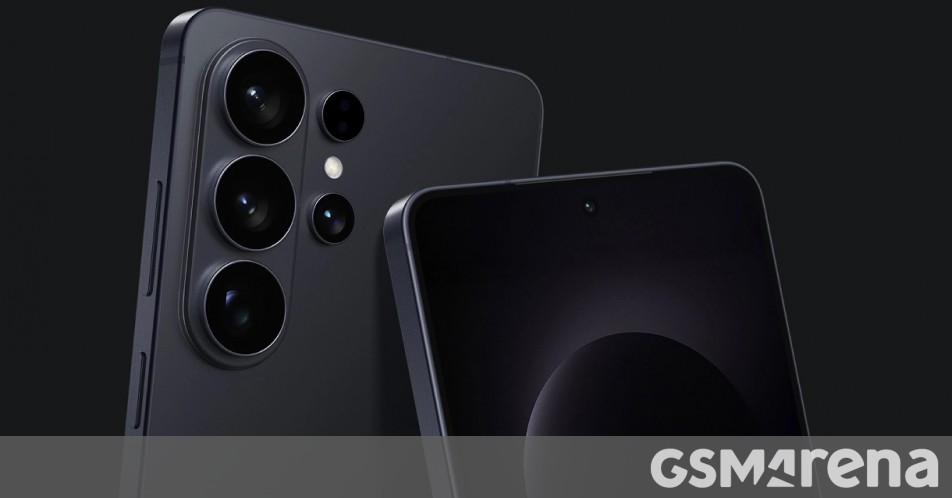
The Galaxy S26 Ultra’s leaked 60W charging tests promise a jump over the Galaxy S25 Ultra’s familiar 45W limit, yet the numbers are surprisingly modest. Internal lab measurements reportedly show the new flagship reaching 75% in 30 minutes, only slightly ahead of the S25 Ultra’s 72% result in the same time frame. For an upgrade Samsung has teased for years, enthusiasts expected a more dramatic cut in charging times, especially as rivals advertise 80W and beyond.
Real-World Impact And Competitive Context
Because these tests were performed under tightly controlled conditions, everyday users may see slower, less consistent results once temperature, background apps, and cable quality come into play. The rumored 5,200mAh battery partly explains the conservative curve, prioritizing longevity over headline-grabbing speeds. Still, when competing Android flagships regularly reach close to full in half an hour, Samsung’s cautious 60W strategy risks feeling dated, even if it remains safer and kinder to battery health long term.
About the Organizations Mentioned
Samsung
Samsung is a global technology powerhouse specializing in consumer electronics, semiconductors, and IT services. Founded in 1938 as a trading company, Samsung entered the electronics industry in 1969, initially producing black-and-white televisions. Over the ensuing decades, it expanded rapidly into semiconductors, telecommunications, and advanced technologies, establishing itself as a leader in innovation and manufacturing[5]. Today, Samsung Electronics, the flagship subsidiary, produces a wide range of products, including smartphones, TVs, refrigerators, memory chips (DRAM, NAND flash), mobile processors, OLED panels, and automotive electronics through its Harman division[3][7]. The company is renowned for its Galaxy smartphone series, including foldables and flagship models, maintaining strong market share by integrating AI capabilities across devices and expanding its ecosystem with new form factors like extended reality (XR) and TriFold devices[1][4]. Samsung consistently ranks among the world’s most valuable brands, holding 5th place globally for six consecutive years with a brand value of $90.5 billion in 2025. This recognition reflects its leadership in AI innovation, customer experience integration, and strategic investments in AI-related semiconductors[1]. The company aims to make AI accessible to 400 million Galaxy devices within the year, emphasizing democratization of AI technology[1]. Financially, Samsung Electronics reported consolidated sales of approximately 86 trillion Korean won and an operating profit of around 12.1 trillion won for Q3 2025, showcasing robust profitability despite market challenges[2]. The Mobile eXperience segment notably increased revenue and profit through efficient resource management and a flagship-first sales strategy[4]. Samsung also prioritizes sustainability, targeting net zero Scope 1 and 2 emissions by 2030, increasing renewable energy use to 93.4% in key divisions, and incorporating recycled materials into 31% of plastic components as of 2024. It runs global e-waste collection programs to promote circular econom