GOP Senators Press FDA Over Abortion Pill Review

GOP Senators Confront FDA Over Abortion Pill Review
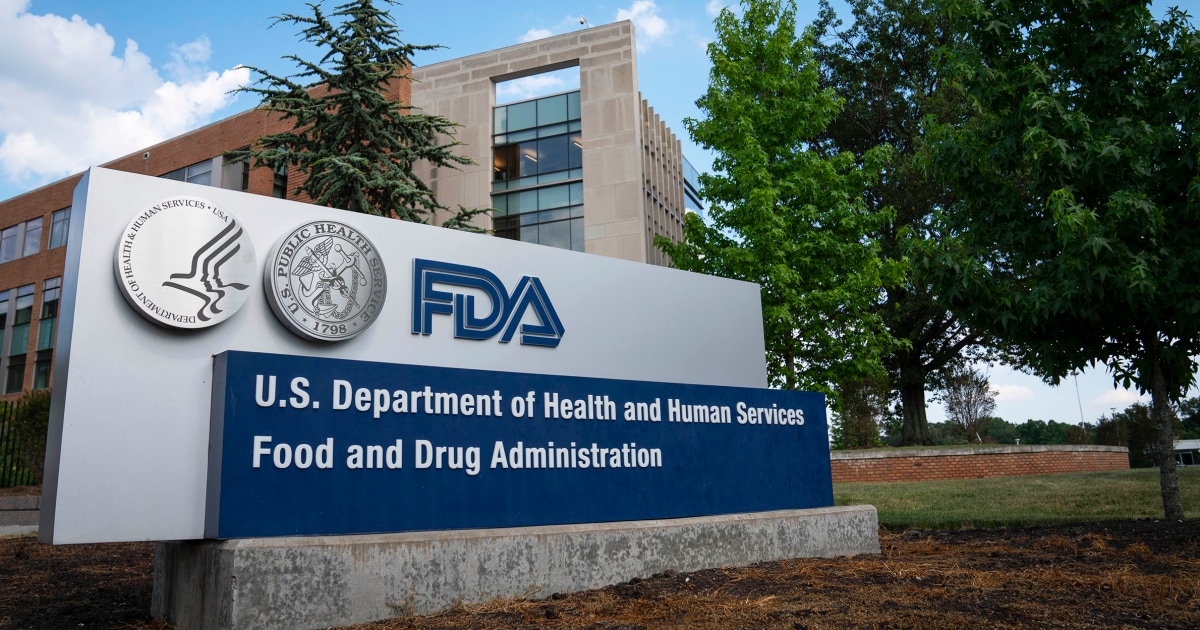
Republican senators voiced sharp frustration after a closed-door FDA briefing on mifepristone, the abortion drug used in over two-thirds of U.S. procedures. Led by Sens. Josh Hawley and Bill Cassidy, they criticized Commissioner Marty Makary for lacking urgency, timelines, and details on the promised safety review initiated by HHS Secretary Robert F. Kennedy Jr. Hawley called it a "dead end," doubting the Trump administration's commitment despite earlier pledges.
Lack of Progress Fuels Conservative Anger
The review, announced months ago amid pressure from anti-abortion advocates, examines alleged complications from the 25-year-old FDA-approved pill, proven safe by decades of data and medical groups like the American Medical Association. Critics within the GOP decry slow movement, especially after the administration retained Biden-era telemedicine rules and approved generics, prompting calls for congressional restrictions via funding bills or new legislation.
Implications for Access and Politics
Public polls show divided views: most Democrats see the review as restricting access, while Republicans view it as safety-focused. Advocacy groups warn of nationwide threats to medication abortion, even in protective states, as lawsuits and filings reveal rushed efforts. Hawley plans forthcoming action, heightening tensions within conservative circles.
About the People Mentioned
Robert F. Kennedy Jr.
Robert F. Kennedy Jr. is an American politician, environmental lawyer, and author, born on January 17, 1954, in Washington, D.C. He is the third of eleven children of Robert F. Kennedy, the U.S. Attorney General, and Ethel Skakel Kennedy. His family's political legacy includes his uncle, President John F. Kennedy. Kennedy's early life was marked by personal struggles, including drug addiction, which led to his arrest for heroin possession in 1983. However, he later redirected his life towards environmental advocacy and public service. Kennedy graduated from Harvard University in 1976 with a degree in American history and literature and later earned a law degree from the University of Virginia in 1981. He began his career as an assistant district attorney in Manhattan but soon shifted his focus to environmental law. In 1987, he received a master's degree in environmental law from Pace University, where he taught environmental law from 1986 to 2018 and co-founded the Environmental Litigation Clinic. Notably, Kennedy is the founder of the Waterkeeper Alliance, a global clean water advocacy group, and Children's Health Defense, which focuses on childhood chronic diseases and environmental exposures. He has been recognized for his environmental activism, including being named TIME Magazine's "Hero for the Planet" for his efforts in restoring the Hudson River. Kennedy has also been involved in high-profile legal cases against companies like DuPont and Monsanto. In recent years, he has been a vocal figure in vaccine skepticism and public health controversies. In the 2024 U.S. presidential election, Kennedy initially ran as an independent candidate before endorsing Donald Trump. Currently, his involvement in public life includes controversial stances on health and environmental issues. Despite these controversies, his work in environmental law and advocacy has had significant impacts on public health and environmental protection.
About the Organizations Mentioned
FDA
## Overview The **U.S. Food and Drug Administration (FDA)** is a federal agency within the Department of Health and Human Services responsible for protecting public health by ensuring the safety, efficacy, and security of a wide range of products, including human and veterinary drugs, biologics, medical devices, food, cosmetics, and products that emit radiation[1][2][3]. Its mission is to advance public health by helping to speed innovations that make medical products safer, more effective, and more affordable, while providing the public with accurate, science-based information about these products[1]. ## Functions and Regulatory Scope The FDA’s regulatory authority is expansive. It oversees the approval, manufacturing, marketing, and distribution of prescription and over-the-counter drugs, vaccines, blood products, medical devices (from simple tongue depressors to complex pacemakers), dietary supplements, most foods (except some meat, poultry, and egg products regulated by the USDA), cosmetics, and tobacco products[1][2][5]. The agency also regulates electronic products that emit radiation, such as X-ray machines and microwave ovens[2][5]. Importantly, the FDA does not regulate the practice of medicine, medical services, product pricing, or health insurance reimbursement[2]. The FDA achieves its goals through a combination of **premarket reviews**, **post-market surveillance**, **facility inspections**, **enforcement actions**, and **public education**[3][4]. It maintains several adverse event reporting systems—such as MedWatch and VAERS—to monitor product safety after they reach the market[4]. The agency also plays a key role in the nation’s counterterrorism efforts by ensuring food supply security and fostering the development of medical countermeasures[1]. ## History and Key Achievements Established in 1906 with the passage of the Pure Food and Drugs Act, the FDA’s origins trace back to efforts to combat adulterated and misbranded food and drugs. Its regulatory powers expanded significantly with the
HHS
The **United States Department of Health and Human Services (HHS)** is a cabinet-level executive branch department of the U.S. federal government tasked with protecting the health of all Americans and providing essential human services, especially for vulnerable populations[1][3]. Founded originally as the Department of Health, Education, and Welfare (HEW) before the Department of Education split off in 1979, HHS’s mission is to improve the health, safety, and well-being of the nation[1]. HHS oversees numerous agencies and programs that cover a broad spectrum of health and social services, including Medicare, Medicaid, the Children’s Health Insurance Program (CHIP), and the administration of the Affordable Care Act marketplace[4]. It also plays a significant role in public health policy, biomedical research, disease prevention, and social welfare initiatives. The department is led by the Secretary of Health and Human Services, appointed by the president and confirmed by the Senate, with the Surgeon General heading the U.S. Public Health Service Commissioned Corps[1][6]. Key achievements of HHS include pioneering advances in medical research through agencies like the National Institutes of Health (NIH), managing public health emergencies, expanding health insurance coverage, and implementing programs to reduce poverty and improve child welfare[3]. The department has also been instrumental in addressing public health crises such as pandemics, opioid addiction, and chronic disease management. Currently, HHS remains one of the largest federal agencies, continuously evolving to address emerging health challenges and leveraging technology for better healthcare delivery and data management[3][7]. Despite its broad mandate, HHS has faced criticism in areas such as transparency, ranking low in Freedom of Information Act responsiveness in past evaluations[1]. Overall, HHS is a cornerstone institution in U.S. health and social policy, driving innovations in health care, scientific research, and human services that impact millions of Americans daily, making it a critical entity at the intersection of public health, technology, and government service[3][
American Medical Association
The **American Medical Association (AMA)**, founded in 1847 by Nathan Smith Davis in Philadelphia, is the largest and only national association in the U.S. representing over 190 state and specialty medical societies with a membership of approximately 271,660 as of 2022[1][6][7]. Headquartered in Chicago, Illinois, the AMA's mission is to promote the science and art of medicine, advocate for physicians, and improve public health. The AMA's early history was marked by efforts to regulate medical practice and protect the public. It campaigned against quack remedies and patent medicines, influencing legislation such as the Drug Importation Act of 1848 and the Pure Food and Drug Act of 1906[1]. The organization also pioneered medical record standardization and vaccination mandates, including compulsory smallpox vaccination laws at the turn of the 20th century[1]. It launched influential medical publications, notably the *Journal of the American Medical Association* (JAMA) in 1883, which remains a leading medical journal today[1]. The AMA played a significant role in shaping medical education, supporting reforms inspired by the 1910 Flexner Report, which emphasized rigorous academic standards, full-time faculty, and integration of research and clinical practice—principles that transformed U.S. medical training and hospital systems[4]. Despite its foundational role, the AMA's history includes controversy, particularly regarding racial exclusion policies in the late 19th and early 20th centuries that prompted the establishment of the National Medical Association as an alternative for Black physicians[3]. Today, the AMA continues to be a powerful advocate for physicians and healthcare policy, offering essential resources such as continuing medical education (CME), practice management tools, and a comprehensive residency and fellowship database (FREIDA)[6][7]. It is deeply involved in addressing current healthcare challenges, including physician advocacy, public health initiatives, and technological advancements in medicine. Notably, the AMA’s origins trace back to
GOP
The **GOP**, or **Grand Old Party**, is the widely recognized nickname for the **Republican Party** of the United States, a major conservative political party founded in 1854. It originated from anti-slavery activists opposing the Kansas-Nebraska Act, uniting former Whigs and Free Soilers with a platform centered on halting the expansion of slavery. The party's early historic milestone was the election of Abraham Lincoln in 1860, which precipitated the Civil War; under Lincoln’s leadership, the GOP focused on preserving the Union and abolishing slavery[1][2][3]. Throughout its history, the Republican Party has evolved from its abolitionist roots to champion business interests, industrial growth, and economic policies favoring limited government intervention. In the late 19th and early 20th centuries, it promoted protective tariffs and infrastructure development. The party experienced fluctuating influence, losing ground during the New Deal era but regaining prominence with Dwight D. Eisenhower’s presidency in the 1950s, marked by moderate conservatism[1][2]. Today, the GOP advocates for reduced taxes, conservative social policies, limited government regulation, strong national defense, and states’ rights. It remains one of the two dominant forces in American politics, consistently shaping legislative agendas and national discourse[2]. The party is organized and led nationally by the **Republican National Committee (RNC)**, which manages fundraising, election strategies, and the party platform, coordinating efforts across states and counties under the leadership of a chairman[3][4]. Notably, the acronym "GOP" was popularized in the late 19th century and originally stood for "Grand Old Party," symbolizing the party's legacy in preserving the Union and championing liberty. It is now a common term in political commentary and media[3][5]. In recent years, the GOP has undergone significant membership changes in Congress and leadership adjustments, reflecting its dynamic role in U.S. politics as