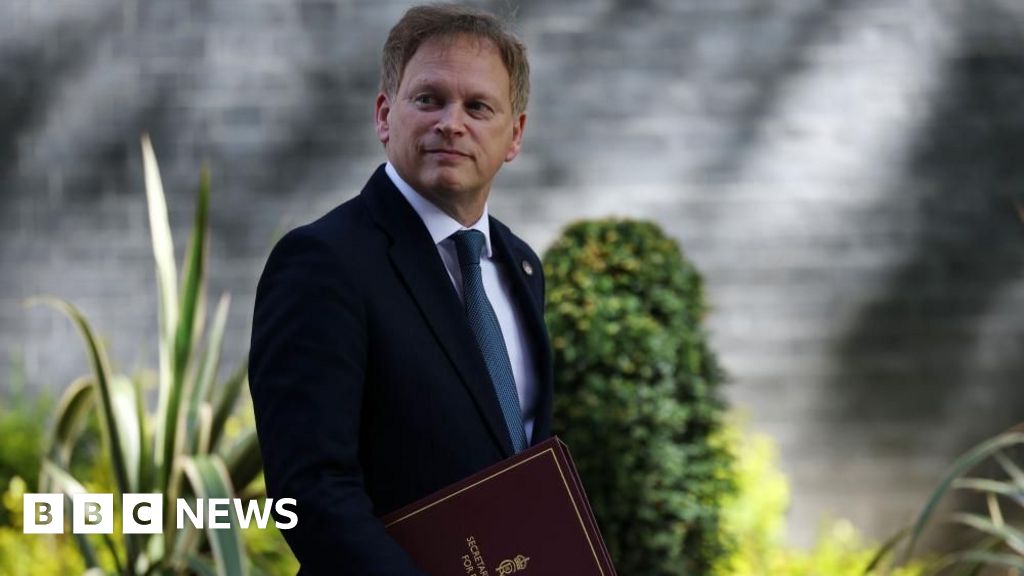
Sir Grant Shapps on the Afghan Data Breach
Introduction
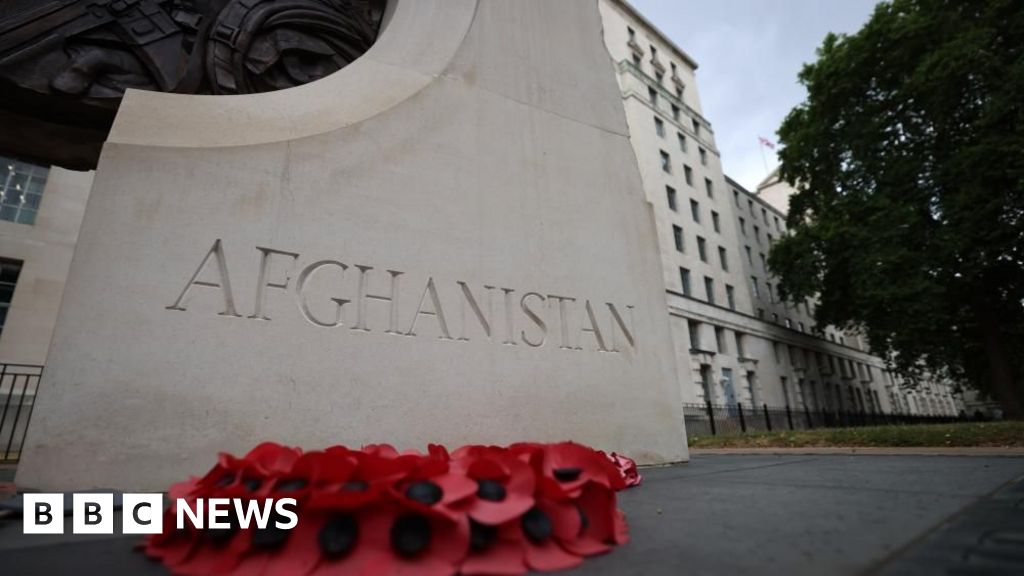
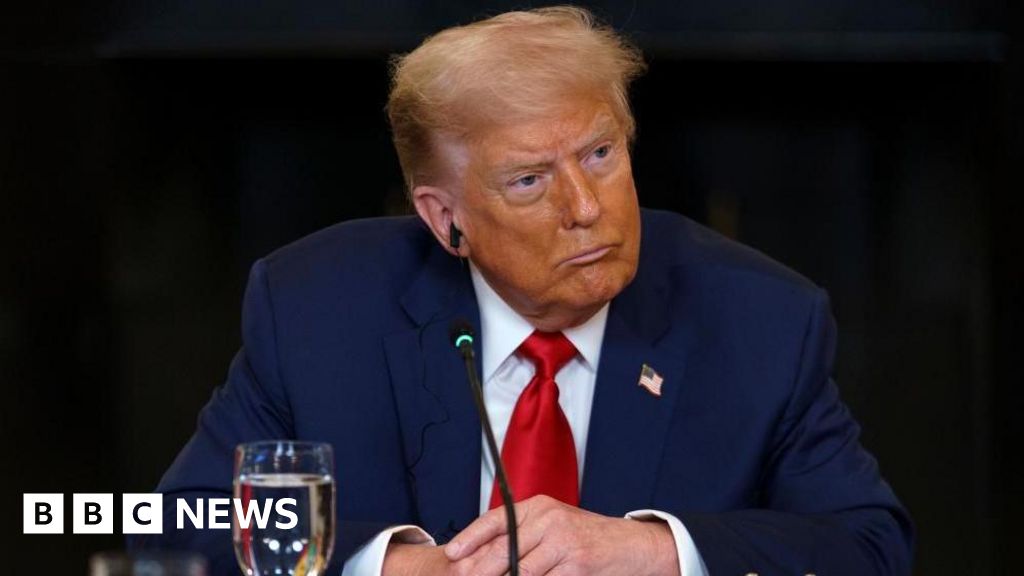
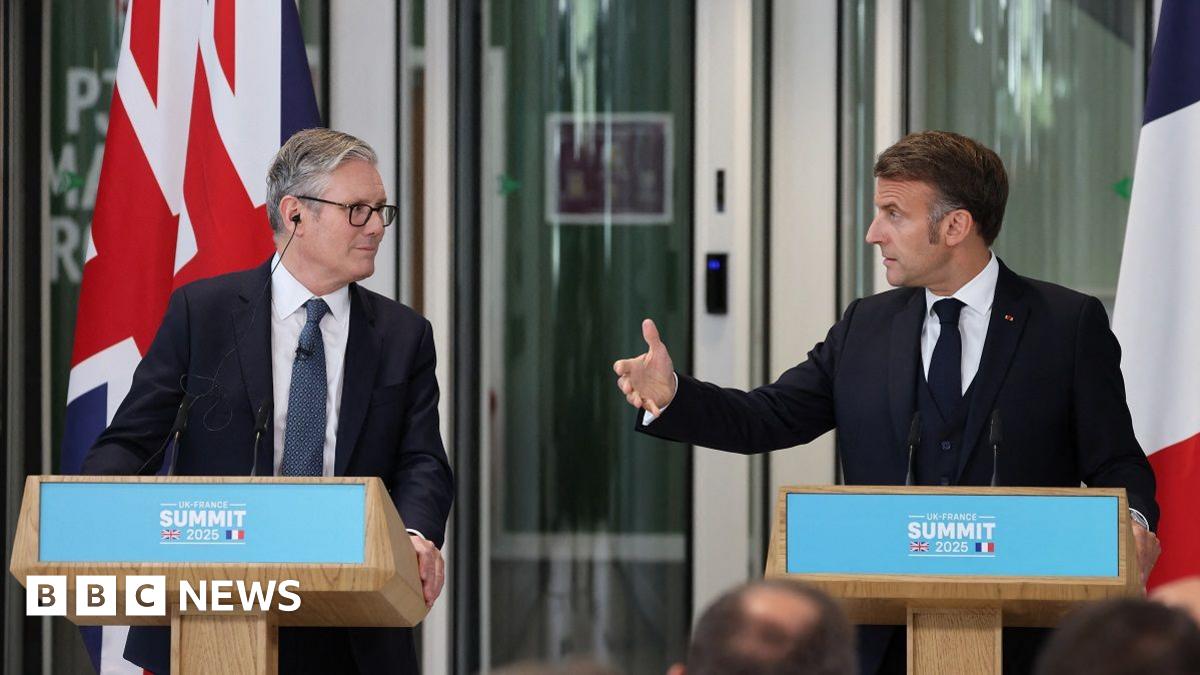
Sir Grant Shapps, the former defence secretary, recently spoke about the Afghan data breach that took place in 2022. According to the BBC, Shapps stated that his focus was on saving lives and that erring on the side of caution was "entirely justified". This statement has sparked discussions and debates about the breach and the actions taken by the government at that time.
Key Details
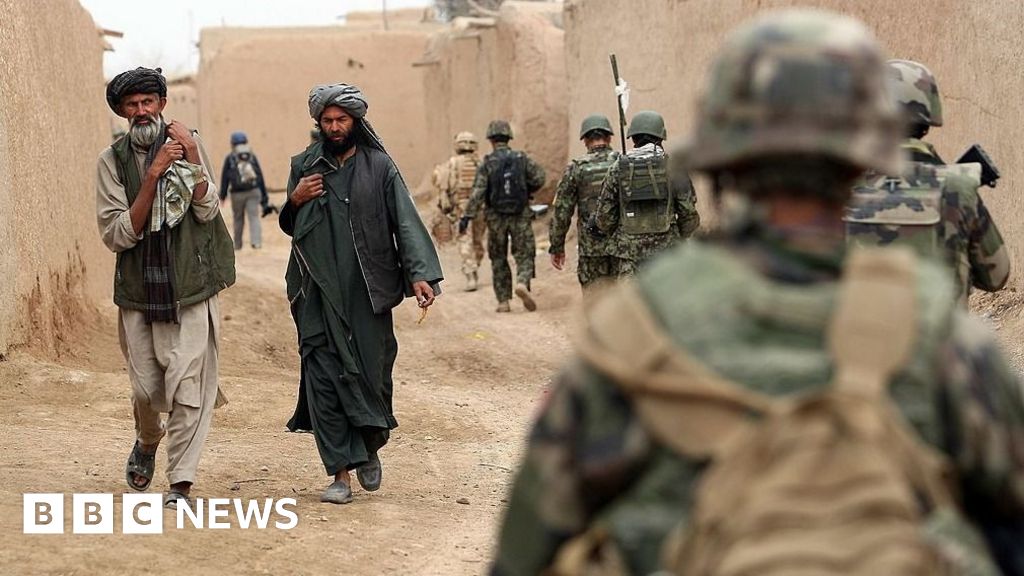
The data breach in question involved the personal data of Afghan citizens who had worked with British forces. The breach occurred during the process of relocating individuals to the UK. Shapps and his team had to make quick decisions on how to handle the situation and protect those involved. This led to the decision to withhold information from the media and the public until the data breach was resolved.
Impact
The former defence secretary's comments have shed light on the difficult decisions faced by government officials in times of crisis. The focus on saving lives and protecting individuals at risk is a crucial aspect that must be taken into consideration. Although some may argue that transparency and accountability are essential during such situations, it is also important to prioritize the safety and well-being of those involved.
About the People Mentioned
Grant Shapps
Grant Shapps, born on 14 September 1968, is a British Conservative politician who served as Member of Parliament (MP) for Welwyn Hatfield from 2005 to 2024.[1][3] Before entering politics, he founded a successful printing business in 1990 and later operated a marketing company under the pseudonym Michael Green.[2][6] Shapps began his political career as Vice Chairman of the Conservative Party in 2005 and Shadow Housing Minister in 2007.[1][2] After the 2010 election, he became Minister of State for Housing and Local Government, launching the StreetLink app to assist rough sleepers and contributing to the National Planning Policy Framework.[2][4] He was appointed to the Privy Council in 2010, earning the title Right Honourable.[1][2] In 2012, Shapps co-chaired the Conservative Party while serving as Minister without Portfolio.[1] He held Minister of State roles in International Development (2015) and resigned amid a youth wing scandal, accepting responsibility for personnel decisions.[1][6] Following the 2019 election, he became Secretary of State for Transport until 2022, championing infrastructure like the Active Travel Fund.[1][2][4] Shapps served briefly as Home Secretary in October 2022, then Business Secretary, and Secretary of State for Energy Security and Net Zero from 2023, where he designed energy bill relief amid Russia's Ukraine invasion and invested in nuclear power—the first such public funding in four decades.[1][4][5] From August 2023 to July 2024, he was Secretary of State for Defence, advocating NATO spending increases to 2.5% of GDP (a £75bn UK boost) and addressing threats from Russia, China, Iran, North Korea, and the Middle East post-Hamas attack.[1][4][5] In 2022, he unsuccessfully ran for Conservative leadership.[3] Knighted in 2025 via Rishi Sunak's Resignation Honours, Shapps now works as a keynote speaker on security, energy, and housing.[2][4][5] (298 words)
About the Organizations Mentioned
BBC
## Overview The British Broadcasting Corporation (BBC) is the world’s oldest and largest national broadcaster, serving as a cornerstone of public service media in the United Kingdom and beyond[1][2]. Headquartered in London, the BBC operates under a royal charter and is primarily funded by a television licence fee paid by UK households, ensuring its editorial independence from both government and commercial interests[1][2]. This model allows the BBC to fulfill its mission to “inform, educate, and entertain” with impartiality at its core[3]. ## History and Evolution The BBC was founded on October 18, 1922, as the British Broadcasting Company Ltd., evolving into a public corporation under royal charter on January 1, 1927[1][2]. Its first Director-General, John Reith, established principles of independence and public service that continue to guide the organization. The BBC launched its television service in 1936, pioneering broadcasting technology, and expanded globally with the BBC World Service in 1932, now broadcasting in 28 languages[1][2]. ## Key Achievements The BBC has been a trailblazer in broadcasting, introducing innovations such as regular television broadcasts, color TV, and digital platforms like BBC iPlayer[1][2]. It has earned a reputation for high-quality journalism, producing globally recognized programs in news, drama, and documentary. The BBC’s international arm, BBC Studios, commercializes content worldwide, while the BBC World Service remains a vital source of news in regions with limited press freedom[1]. The corporation has received numerous accolades, including the Queen’s Award for Enterprise for its international business achievements[1]. ## Current Status and Digital Transformation With over 21,000 employees, the BBC remains a dominant force in media, generating £5.4 billion in annual income, mostly from licence fees[2]. It operates multiple TV channels, radio stations, and a robust online presence, including BBC News Online and BBC.com[1