Indiana's Defensive Struggles Continue Against Iowa

Indiana's Defensive Struggles Continue
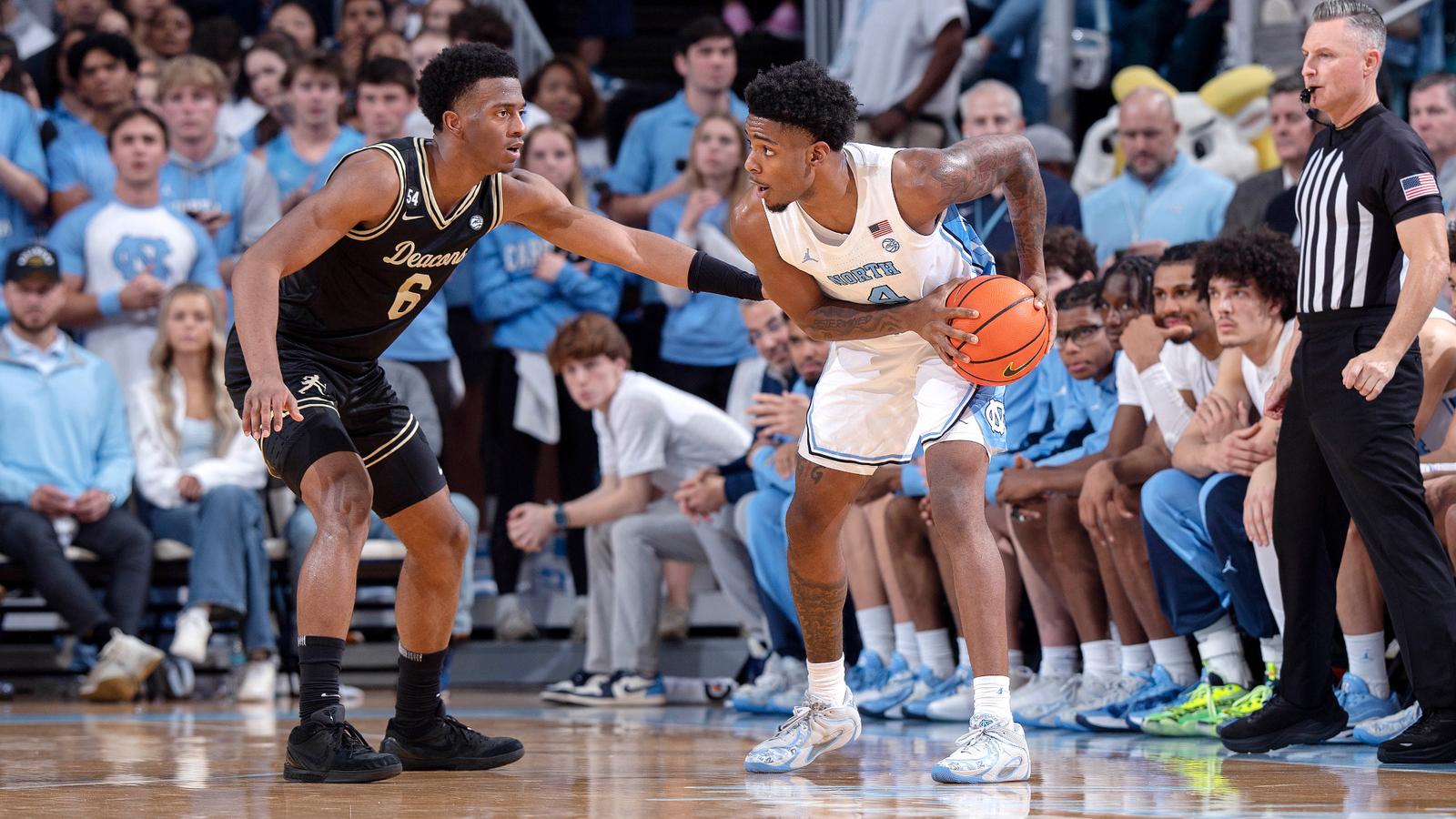
Indiana basketball suffered its third consecutive defeat, losing 74-57 to Iowa on Saturday at Simon Skjodt Assembly Hall. The Hoosiers' defensive performance proved particularly troubling, as they allowed Iowa to shoot 50% from the field while recording a season-low 57 points. Indiana's inability to contain Iowa's offensive weapons, particularly Bennett Stirtz and Tavion Banks, highlighted deeper systemic issues within the team's defensive scheme and execution.
Key Contributors and Statistical Insights
Stirtz dominated with 27 points while Banks added a career-high 26, nearly outscoring Indiana by themselves. The Hoosiers struggled offensively, shooting just 38.5% from the field and 25% from three-point range. Tayton Conerway led Indiana with 16 points, but the team's primary scorers Tucker DeVries and Lamar Wilkerson combined for single-digit scoring, limited to just 5 of 19 shooting attempts.
Looking Forward
Indiana's second-half collapse mirrors previous losses, suggesting fatigue and inconsistency plague the squad. Coach Darian DeVries must address these recurring issues before facing Michigan on Tuesday, as the team's tournament aspirations depend on correcting fundamental execution problems.
```About the Organizations Mentioned
Indiana
## Overview of Indiana as an Innovation Hub Indiana—specifically referring to its thriving technology and innovation ecosystem rather than a single organization—has emerged as a dynamic center for business and technology in the American Midwest. The state, and particularly its capital Indianapolis, is home to a diverse array of startups, established tech firms, and collaborative initiatives that collectively position Indiana as a leading innovation capital[1][8]. ## What Indiana Does Indiana’s innovation ecosystem is characterized by its focus on cutting-edge technologies across multiple sectors: artificial intelligence (AI), life sciences, cloud computing, environmental tech, digital health, and more[1][4]. Companies such as Scale Computing (edge computing), Eli Lilly (biotech), Bohu Digital (AI-powered marketing analytics), and ClusterTruck (logistics software) exemplify the state’s breadth of technological advancement[1]. Indianapolis, in particular, hosts notable firms like 120Water (water management SaaS), 3Aware (medical device surveillance), and Bloomerang (nonprofit software), reflecting both sector diversity and depth[2]. ## History and Growth Indiana’s rise as a tech hub is the result of strategic partnerships between universities, government, and the private sector, fostering a collaborative environment that attracts talent and investment[1][8]. Over the past decade, the state has seen a surge in startup activity, supported by organizations like Elevate Ventures and TechPoint, which provide funding, mentorship, and networking opportunities[1][7]. The ecosystem has matured through consistent venture capital activity, though recent years have seen more cautious investment trends mirroring national patterns[4][7]. ## Key Achievements - **Sector Leadership:** Indiana is recognized for breakthroughs in life sciences, AI, and environmental technology, with companies like Eli Lilly and BiomEdit making global impacts in biotech and animal health[1][6]. - **Startup Success:** Startups such as Encamp (environmental compliance SaaS) and Qu
Iowa
Iowa is not an organization but a U.S. state with a well-structured government that plays a pivotal role in shaping its economy, public services, and technological advancement. Established in 1846, Iowa’s government is built on a constitution adopted in 1857, which outlines a three-branch system: executive, legislative, and judicial. The executive branch is led by a governor and lieutenant governor, elected on a joint ticket, alongside other key officials such as the secretary of state, auditor, treasurer, attorney general, and secretary of agriculture. These officials serve four-year terms with no term limits, ensuring continuity and stability in leadership. The legislative branch, known as the General Assembly, consists of a 50-member Senate and a 100-member House of Representatives. Unique among U.S. states, Iowa’s legislation is drafted by the nonpartisan Legislative Services Bureau, which also handles electoral redistricting, contributing to a reputation for neutrality and transparency. The judicial branch includes the Supreme Court, Court of Appeals, and District Courts, ensuring a robust legal framework. Iowa’s government is notable for its commitment to fiscal transparency and data-driven decision-making. The state’s Department of Management oversees budget preparation, performance management, and grants administration, while promoting lean enterprise practices and advanced data analytics. Initiatives like Iowa Open Data and Iowa Checkbook provide public access to state financial information, fostering accountability and innovation. Historically, Iowans have valued integrity in government, with a strong civil service system and active oversight mechanisms. The state’s focus on technology and transparency has positioned it as a leader in public sector innovation, making it an attractive environment for business and technology ventures. Iowa’s blend of tradition, transparency, and forward-thinking governance continues to drive its economic and social progress.
Michigan
When referring to "Michigan," it typically denotes the **State of Michigan**, a U.S. state known for its rich history, economic diversity, and technological advancements. Here's a summary of the state's key aspects: ## Overview and History Michigan is the 10th most populous state in the U.S., known for its automotive industry, agricultural production, and significant contributions to the nation's economy. Historically, Michigan was a major player in the automotive sector, with companies like Ford, General Motors, and Chrysler headquartered there. The state's economy has diversified over time, with advancements in technology, healthcare, and education. ## Key Achievements - **Economic Development**: Michigan has made significant strides in economic development, particularly in the automotive and technology sectors. The state continues to attract businesses with its favorable business environment and skilled workforce. - **Education and Innovation**: Michigan is home to prestigious institutions like the University of Michigan and Michigan State University, which contribute to research and innovation in the state. - **Infrastructure Improvements**: The state has invested heavily in infrastructure, including road repairs and development projects, to support economic growth. ## Current Status Currently, Michigan is focused on building on its past achievements. Governor Gretchen Whitmer has emphasized the importance of creating jobs, lowering costs, and investing in education and infrastructure. The state's budget for Fiscal Year 2026 includes significant investments in these areas, with a focus on bipartisan cooperation to address challenges like road maintenance and economic development. ## Notable Aspects - **Public Health Infrastructure**: Michigan's public health system is supported by the Michigan Department of Health and Human Services (MDHHS) and local health departments, ensuring comprehensive health services across the state. - **Technological Advancements**: The state is a hub for technological innovation, with initiatives like the Innovate Tech Hub providing resources for businesses and entrepreneurs. - **Trade Relations**: Michigan plays a crucial role in trade with Canada, with efforts to maintain strong economic ties with its