Alabama's Epic Comeback Stuns Oklahoma in CFP First Round
Alabama's Epic Comeback Stuns Oklahoma in CFP First Round
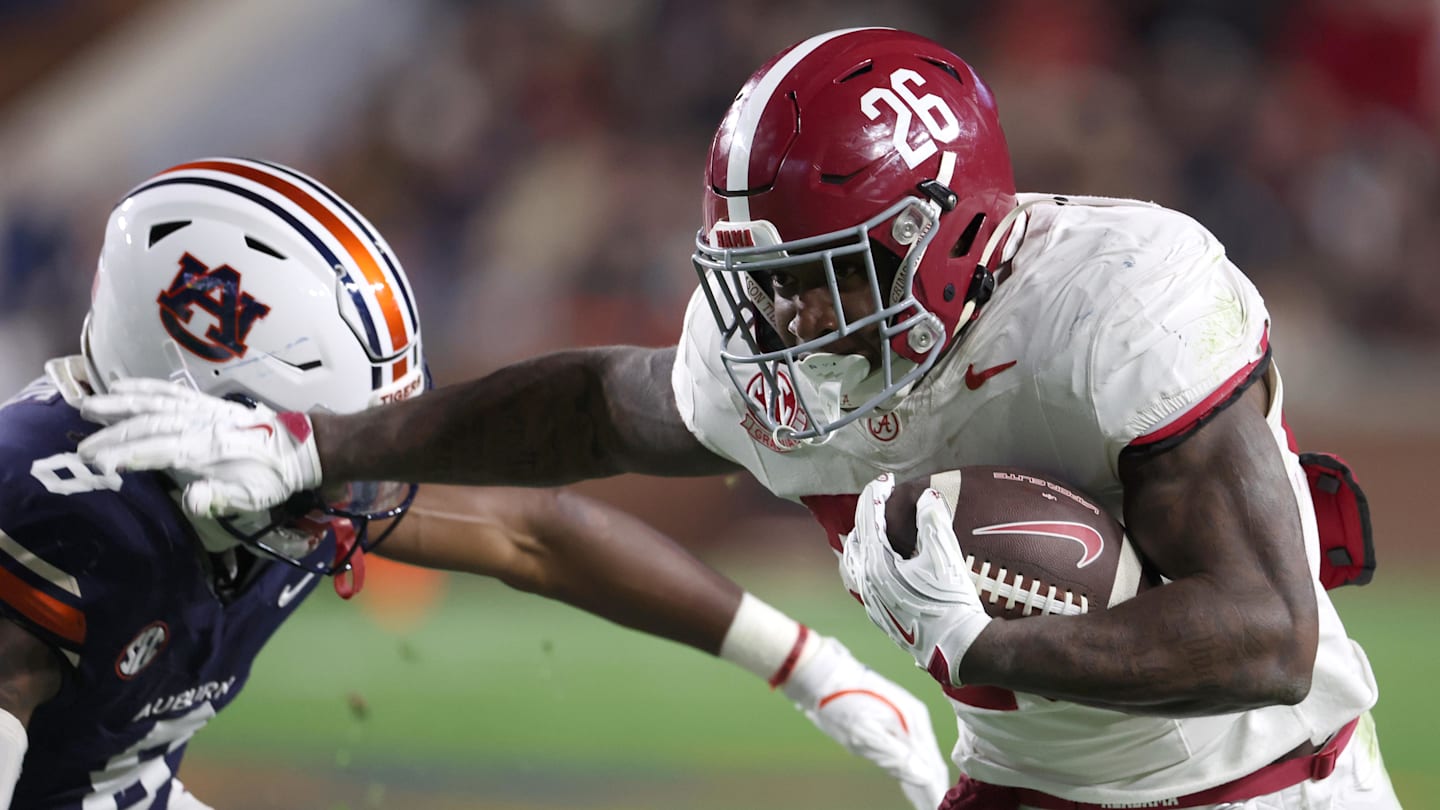
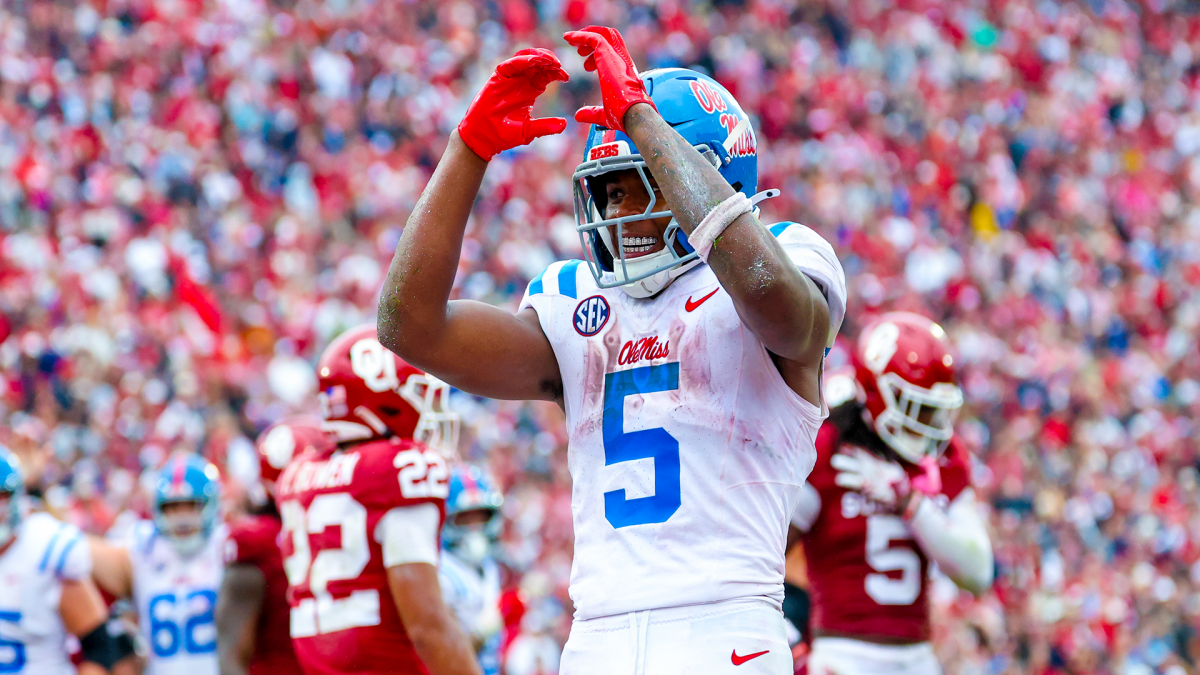
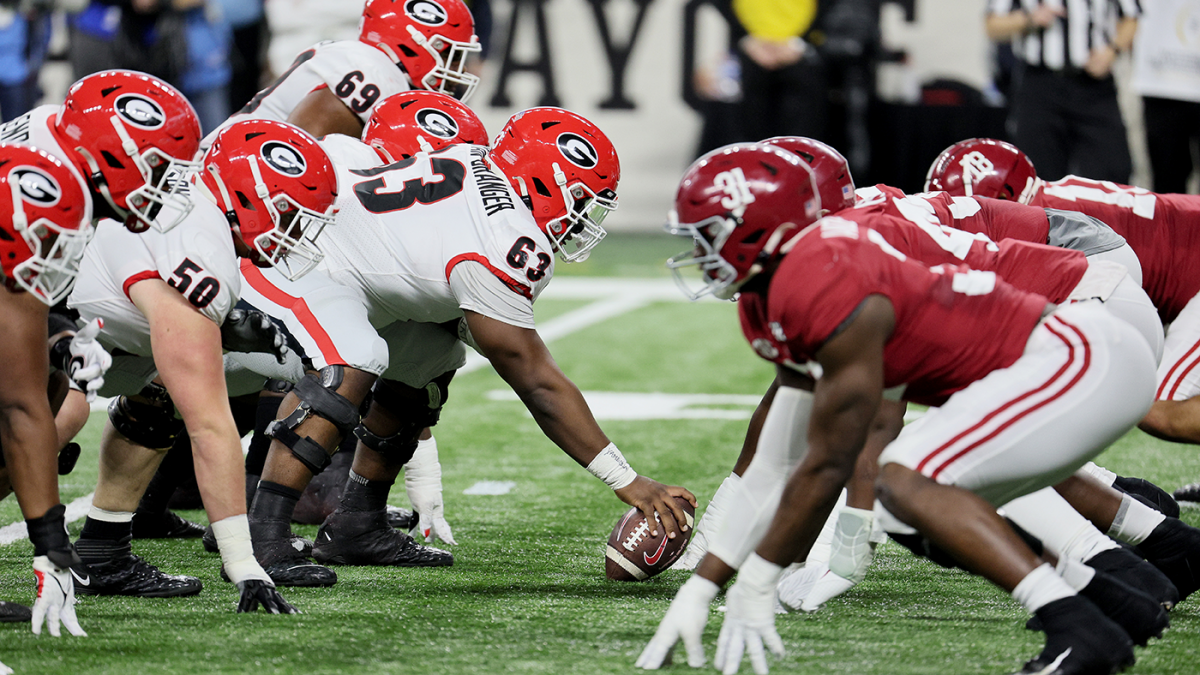
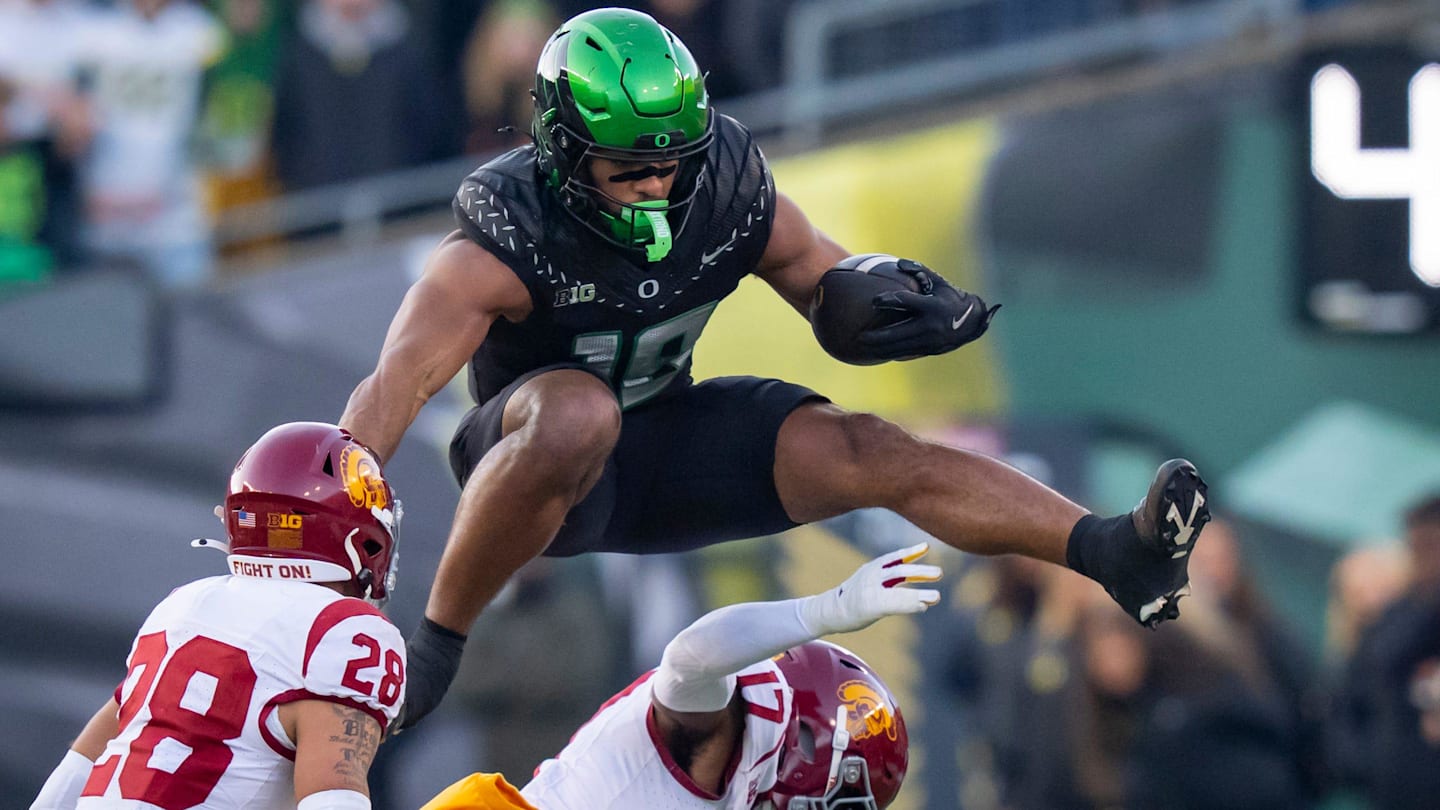
No. 9 Alabama Crimson Tide pulled off a thrilling 34-24 victory over No. 8 Oklahoma Sooners in the College Football Playoff opener, erasing a 17-0 deficit with 27 straight points to advance to the Rose Bowl against Indiana. Under coach Kalen DeBoer, Alabama showcased grit after a nightmarish start, dominating with a 34-7 run.[1][2]
Key Plays That Turned the Tide
Quarterback Ty Simpson shone, completing 18 of 29 passes for 232 yards and two touchdowns, while Lotzeir Brooks hauled in five receptions for 79 yards and two scores. Daniel Hill added a crucial rushing touchdown, and Zabien Brown's pick-six sealed the momentum shift. Oklahoma's John Mateer struggled late as Alabama's defense clamped down.[1][3]
Rose Bowl Implications and What's Next
This win propels Alabama into the quarterfinals, setting up a marquee clash with Indiana. The Crimson Tide's resilience under DeBoer signals playoff contender status, blending explosive offense and timely defense for a deep postseason run.[1][2]
About the People Mentioned
John Mateer
John Mateer is an American college football quarterback currently playing for the University of Oklahoma Sooners. Born in Little Elm, Texas, Mateer is a redshirt junior known for his dual-threat capabilities as both a passer and a rusher. He transferred to Oklahoma in January 2025 after a successful stint at Washington State University, where he established himself as a top Division I independent passer. In the 2024 season at Washington State, Mateer threw for 3,139 yards and 29 touchdowns, leading the Cougars to an 8-4 record and earning recognition as one of the nation’s hottest quarterback prospects[1][2][4]. Mateer stands 6 feet 1 inch tall, weighs 224 pounds, and majors in organizational leadership at Oklahoma[4]. His playing style combines accuracy and mobility; over his college career, he has amassed over 7,000 passing yards with 66 passing touchdowns, alongside more than 1,200 rushing yards and 22 rushing touchdowns[4][6]. In October 2024, he made a notable comeback from a broken hand injury sustained during a win over Auburn, returning to face high-profile opponents such as Texas and quarterback Arch Manning[1]. He is considered a strong NFL draft prospect for 2026, with some mock drafts ranking him as a first-round pick and among the top six quarterbacks eligible for the draft[1]. His performances have drawn Heisman Trophy conversations, with analysts highlighting his ability to perform in clutch moments and his "It" factor leadership on the field[1][3]. He was also named to the Manning Award midseason watch list in 2024, recognizing his impact as a leading college quarterback[7]. Mateer’s family, including his parents Stephen and Judy and sister McKayla, have played a significant role in supporting his athletic career. His father has an athletic background, having swum at the University of Missouri[1][6].
About the Organizations Mentioned
Alabama Crimson Tide
## Overview The Alabama Crimson Tide is the athletics program of the University of Alabama, best known for its storied football team, which competes in the Southeastern Conference (SEC) of the NCAA’s Football Bowl Subdivision (FBS)[2]. The program, based in Tuscaloosa, Alabama, is a cornerstone of collegiate athletics, with a reputation for excellence, innovation, and sustained success[1][3]. ## Historical Significance Founded in 1831, the University of Alabama’s athletic identity is embodied by the Crimson Tide, a nickname adopted in the early 20th century, with the elephant mascot “Big Al” becoming an iconic symbol[1]. The football program, in particular, has become synonymous with college football greatness, claiming 18 national championships—a figure surpassed by no other program in the modern era[2][4]. Legendary coaches such as Paul “Bear” Bryant and Nick Saban have led the team through multiple dynasties, with Bryant securing six national titles between 1958 and 1982 and Saban adding six more between 2007 and 2023[2]. The program has produced four Heisman Trophy winners, starting with Mark Ingram II in 2009, and boasts 34 conference championships and an NCAA-record 78 bowl appearances[2]. ## Key Achievements and Current Status Alabama’s football team holds NCAA records for most bowl victories (46) and most 10-win seasons (36)[2]. The Crimson Tide has also dominated the SEC West Division, with 18 division titles and 15 SEC Championship Game appearances[2]. Off the field, the program is undergoing a transformative $600 million capital initiative called “The Crimson Standard,” aimed at modernizing facilities—including the iconic Bryant-Denny Stadium (capacity 100,077)—and ensuring the program remains at the forefront of collegiate athletics[3][5]. This investment reflects a commitment to recruiting top talent and maintaining competitive excellence in
Oklahoma Sooners
The **Oklahoma Sooners** are the athletic teams representing the University of Oklahoma (OU) in Norman, Oklahoma, competing at the NCAA Division I level within the Southeastern Conference (SEC). The name "Sooners" traces back to early settlers in the 1889 Land Run, symbolizing the university's spirit of resilience and pioneering heritage[1][4]. The program fields 19 men's and women's varsity teams, with a broad sports portfolio including football, baseball, and others[1]. The Sooners are renowned for their outstanding athletic achievements, having won a total of **45 team national championships** across various sports. Their football program is particularly distinguished, with seven claimed national championships, 50 conference titles, and a historic record of 950 wins, ranking sixth all-time nationally. The football team has produced seven Heisman Trophy winners and holds the record for the longest Division I winning streak at 47 consecutive games. The current head football coach is Brent Venables, who started in 2022[3]. Oklahoma baseball also boasts a storied history with two national championships (1951, 1994) and numerous All-Americans. The program has undergone recent developments, including hosting NCAA regionals at its on-campus L. Dale Mitchell Baseball Park to avoid scheduling conflicts with minor league teams[1]. Beyond athletics, the Sooner Club plays a pivotal role in supporting nearly 600 student-athletes by providing resources that enhance their educational and athletic experiences. This organization has been instrumental in infrastructure improvements such as the Griffin Family Performance Center and the renovation of the south end zone of Gaylord Family Oklahoma Memorial Stadium. The Sooner Club’s mission reflects a commitment to excellence and positions OU athletics to thrive in the competitive SEC environment[5]. With a headquarters in Norman, Oklahoma, and approximately 74 employees, the Oklahoma Sooners organization generates an estimated $5.3 million in revenue, functioning as a significant membership and sports organization[6]. Its iconic figh
Indiana
## Overview of Indiana as an Innovation Hub Indiana—specifically referring to its thriving technology and innovation ecosystem rather than a single organization—has emerged as a dynamic center for business and technology in the American Midwest. The state, and particularly its capital Indianapolis, is home to a diverse array of startups, established tech firms, and collaborative initiatives that collectively position Indiana as a leading innovation capital[1][8]. ## What Indiana Does Indiana’s innovation ecosystem is characterized by its focus on cutting-edge technologies across multiple sectors: artificial intelligence (AI), life sciences, cloud computing, environmental tech, digital health, and more[1][4]. Companies such as Scale Computing (edge computing), Eli Lilly (biotech), Bohu Digital (AI-powered marketing analytics), and ClusterTruck (logistics software) exemplify the state’s breadth of technological advancement[1]. Indianapolis, in particular, hosts notable firms like 120Water (water management SaaS), 3Aware (medical device surveillance), and Bloomerang (nonprofit software), reflecting both sector diversity and depth[2]. ## History and Growth Indiana’s rise as a tech hub is the result of strategic partnerships between universities, government, and the private sector, fostering a collaborative environment that attracts talent and investment[1][8]. Over the past decade, the state has seen a surge in startup activity, supported by organizations like Elevate Ventures and TechPoint, which provide funding, mentorship, and networking opportunities[1][7]. The ecosystem has matured through consistent venture capital activity, though recent years have seen more cautious investment trends mirroring national patterns[4][7]. ## Key Achievements - **Sector Leadership:** Indiana is recognized for breakthroughs in life sciences, AI, and environmental technology, with companies like Eli Lilly and BiomEdit making global impacts in biotech and animal health[1][6]. - **Startup Success:** Startups such as Encamp (environmental compliance SaaS) and Qu
College Football Playoff
The **College Football Playoff (CFP)** is an annual knockout tournament established in 2014 to determine the national champion of NCAA Division I Football Bowl Subdivision (FBS), the highest level of college football in the U.S.[1][2]. It replaced the Bowl Championship Series (BCS), which had been criticized for its selection process. Unlike the BCS’s reliance on polls and computer rankings, the CFP uses a 13-member selection committee composed of current and former athletic directors, coaches, and other professionals to rank and seed teams, emphasizing strength of schedule and overall performance[1][3]. From its inception through the 2023 season, the CFP featured a four-team single-elimination format culminating in the College Football Playoff National Championship game, which rotates its host city annually and draws significant national attention and tourism[1][2]. Ohio State won the inaugural championship in January 2015[2]. In 2024, the playoff expanded to a **12-team format**, allowing automatic bids to the five highest-ranked conference champions and additional at-large teams, increasing opportunities and generating greater competitive excitement[1][9]. This expansion reflects the evolving business landscape of college football, aiming to enhance fan engagement, broadcasting revenues, and the sport’s overall visibility[1][9]. The CFP is governed by a Board of Managers, including commissioners from the ten FBS conferences and Notre Dame’s athletic director, who oversee the organization’s operations, budgeting, and strategic direction[4][8]. The College Football Playoff Foundation, also established in 2014, leverages the platform to support charitable initiatives and community impact[4]. Notable aspects include the committee’s influential role in shaping the postseason landscape and ongoing debates about playoff expansion size and selection criteria[1][3]. The CFP stands as a significant business and sports technology model, combining data-driven decision-making with traditional sports management to deliver a premier championship experience. Overall, the CFP represents a transformative approac